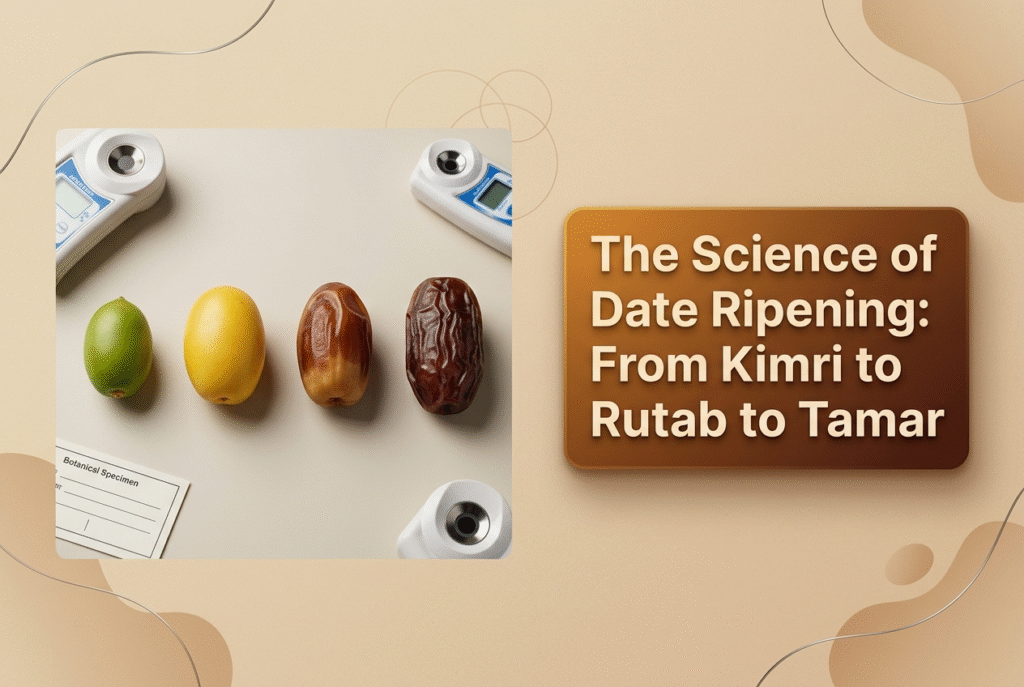
The date palm (Phoenix dactylifera L.) is a cornerstone of agriculture in arid and semi-arid regions, yielding fruit that is both a nutritional staple and an economic asset. The development of this fruit is not a simple growth process but rather a complex, multi-stage maturation that is critical for its final quality, flavor, and application. Each stage presents a unique biochemical and physiological profile, transforming the fruit from an inedible, astringent berry into a sweet, energy-dense food product. In this article, we will dissect the four distinct stages of Date Ripening, explore the biochemical transformations that occur, and examine the environmental and post-harvest factors that influence the final product.
Understanding the Date Ripening Process
The Date Ripening process classifies the date as a climacteric fruit, meaning it continues to ripen after being harvested from the palm. This characteristic is driven by a surge in respiration and the production of ethylene, a natural plant hormone that orchestrates many of the changes associated with ripening. This is distinct from non-climacteric fruits, such as citrus or grapes, which must ripen fully on the plant. Understanding this climacteric nature is fundamental for determining optimal harvest times and implementing effective post-harvest handling strategies.
Importance of Ripening Stages
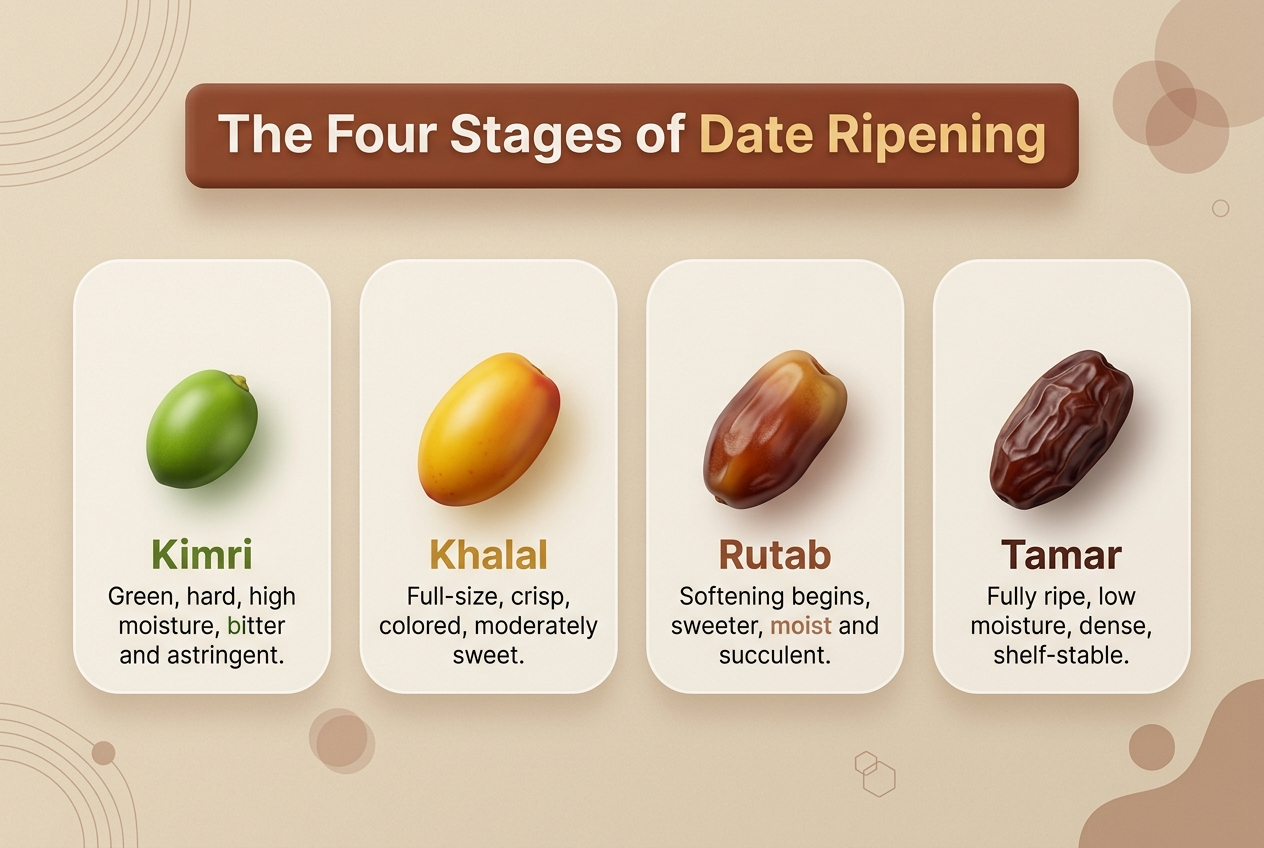
Comprehending each stage of ripening is crucial for aligning production with specific market demands. The Khalal stage, for example, caters to markets that prefer fresh, crunchy fruit with a moderate sweetness and short shelf life. In contrast, the final Tamar stage is ideal for international export and industrial processing into pastes, syrups, and other value-added products due to its stability and high sugar concentration. Producers who can manage and harvest dates at specific stages can access diverse markets and maximize their economic returns.
Physiological Changes During Ripening
Throughout its maturation, the date fruit undergoes dramatic physiological transformations. It begins as a small, green, and hard fruit, steadily increasing in size and weight. As it progresses, its color transitions from green to yellow or red, its texture evolves from firm and crisp to soft and succulent, and finally to a dense, chewy consistency. These external changes are direct manifestations of complex internal biochemical events, primarily involving moisture reduction and sugar conversion.
Stage 1 — Kimri (Unripe Stage)
The initial phase of the Date Ripening cycle is known as the Kimri stage, which begins shortly after pollination and lasts for several weeks.
Characteristics of Kimri Dates
Technically, the Kimri stage is defined as the initial phase of fruit development characterized by rapid cell division, high moisture content (up to 85%), high acidity, active photosynthesis in the fruit skin, and maximum levels of astringent tannins. In simpler terms, this is the young, green, hard, and bitter stage. The dates are completely inedible due to their intense bitterness, much like a very unripe persimmon.
Chemical Composition and Moisture Levels
At the Kimri stage, the fruit’s composition is dominated by water. Sugar levels are low and consist almost entirely of sucrose. The defining chemical characteristic of this stage is the high concentration of condensed tannins, specifically proanthocyanidins, which bind to salivary proteins and create a powerful astringent or “puckering” sensation in the mouth, rendering the fruit unpalatable.
Growth and Development Factors
Successful pollination is the critical trigger for the Kimri stage. Following fertilization, the fruit undergoes a period of rapid cell division and expansion, which establishes the ultimate size potential of the date. During this time, the fruit actively photosynthesizes through its green skin, contributing to its own carbohydrate supply and overall development on the palm.
Stage 2 — Khalal (Also Called Bisr)
The Khalal stage marks the point at which the fruit has reached its maximum physical size and weight but has not yet fully ripened in terms of texture and sugar profile.
Color Transition and Texture Changes
During the Khalal stage, the green chlorophyll in the fruit’s skin degrades, revealing underlying pigments. Depending on the cultivar, these are typically carotenoids (imparting a yellow color, as in the Barhi variety) or anthocyanins (creating a red or pink hue). The flesh remains firm, crisp, and crunchy, with a texture often compared to that of a fresh apple.
Sugar Development
Sugar content increases substantially at this stage, though it remains predominantly in the form of sucrose. Concurrently, tannin levels begin to decline and polymerize, reducing their astringency to a point where some cultivars become edible. The complex process of Date Ripening becomes visibly apparent here as the fruit gains both color and sweetness, signaling its readiness for certain niche markets.
Market Uses of Khalal Dates
Certain date varieties, most notably Barhi, are highly prized and commercially sold at the Khalal stage. They are consumed fresh as a seasonal delicacy. However, their high moisture content makes them highly perishable, with a very short shelf life that necessitates immediate consumption or continuous cold storage to prevent them from quickly advancing to the Rutab stage.
Stage 3 — Rutab (Partially Ripe Stage)
The Rutab stage is a dynamic and often short-lived transitional phase where the date becomes exceptionally soft, sweet, and succulent.
Moisture Reduction and Softening
This stage is initiated by a significant loss of moisture, which typically begins at the tip of the fruit and progresses upwards. This dehydration is coupled with the enzymatic breakdown of pectins and other structural polysaccharides within the cell walls by enzymes like pectinase. This process causes the fruit’s structure to collapse, transforming its texture from crisp to soft and yielding.
Peak Flavors and Aromatics
The most significant chemical event in the Rutab stage is the inversion of sucrose. The enzyme invertase becomes highly active, hydrolyzing the sucrose into its constituent monosaccharides: glucose and fructose. These simple sugars are perceived as sweeter than sucrose, resulting in a rapid increase in sweetness and the development of the rich, caramel and honey-like flavors characteristic of ripe dates.
Nutritional Evolution at the Rutab Stage
As water content decreases, the concentration of nutrients, including sugars, minerals, and some vitamins, increases. The fruit becomes a more energy-dense food source during this phase. This transformation highlights the intricate biochemical nuances of Date Ripening, where changes in water content directly impact the nutritional profile and sensory characteristics of the final product.
Stage 4 — Tamar (Fully Ripe Stage)
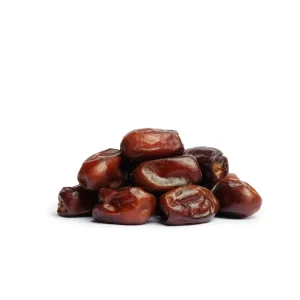
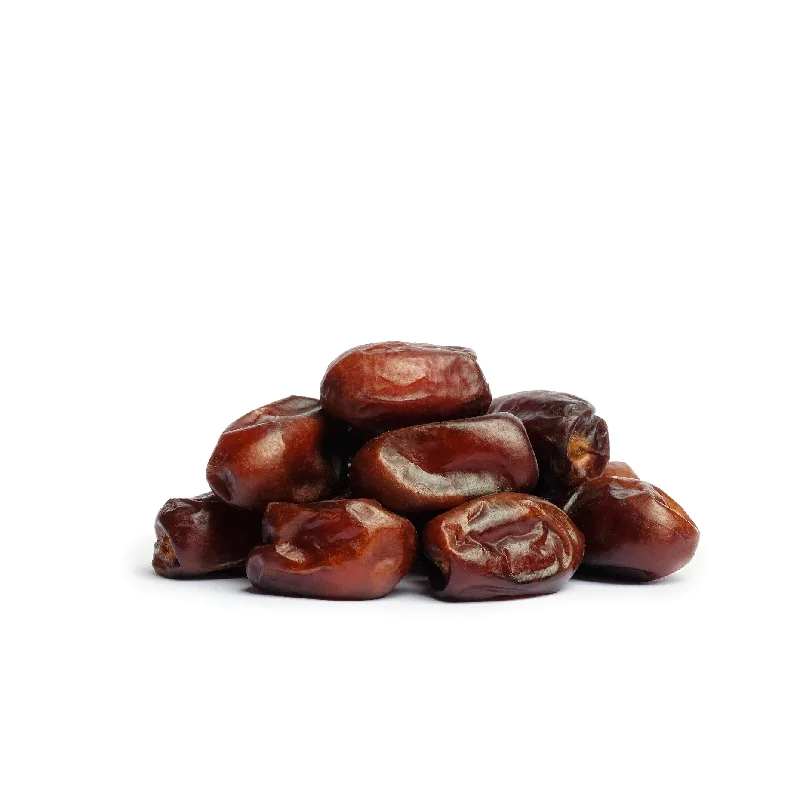
The Tamar stage represents the final, stable, and fully ripened state of the date fruit, and it is in this form that most dates are sold and consumed worldwide. This marks the culmination of the Date Ripening journey.
Final Sugar Concentration
At the Tamar stage, moisture content has been drastically reduced, typically to below 25%. This dehydration concentrates the sugars, which can account for over 60% of the fruit’s total weight. The tannins have become fully insolubilized, meaning the fruit has lost all of its previous astringency and possesses a purely sweet flavor profile.
Storage Characteristics
The long shelf-life of Tamar dates is a direct result of their low water activity (awa_waw). This measurement reflects the amount of unbound water available for microbial activity. The high sugar concentration binds water molecules, creating an environment where bacteria, yeasts, and molds cannot proliferate, thus making the fruit naturally preserved and shelf-stable.
Industrial and Culinary Applications
Tamar dates are exceptionally versatile. They are consumed directly as a sweet snack and are a primary ingredient in the food industry. They are processed into date paste for bakery fillings, date syrup (dibs) as a natural sweetener, and date sugar as a substitute for refined cane sugar. Their low moisture and high sugar content make them ideal for long-term storage and global distribution.
Biochemical Changes Throughout the Ripening Cycle
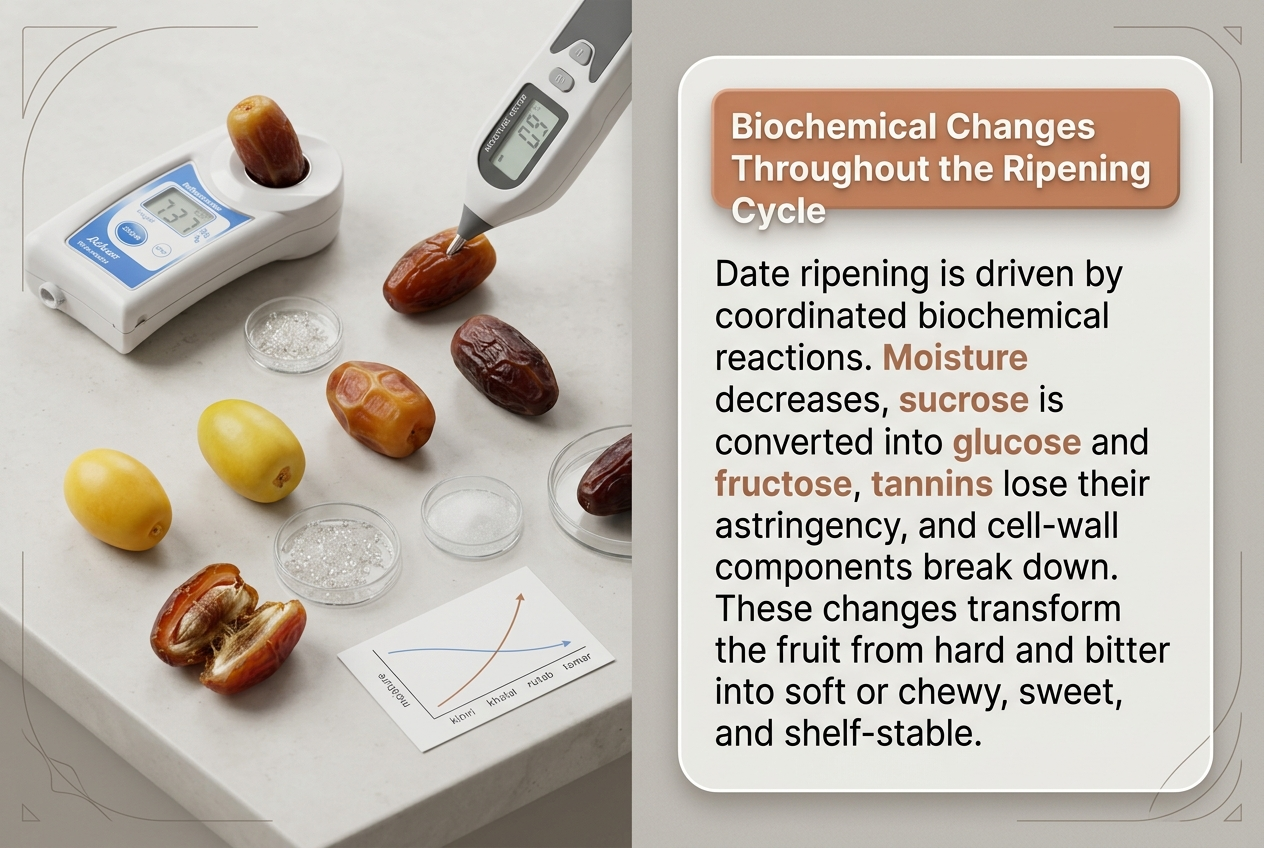
The entire Date Ripening process is governed by a cascade of coordinated biochemical reactions that transform the fruit’s composition and sensory profile.
Enzymatic Activity
Key enzymes are the catalysts for the most significant changes. Invertase is responsible for converting sucrose into the sweeter fructose and glucose. Pectinase and cellulase break down cell wall components, causing the fruit to soften. Polyphenol oxidase (PPO) is responsible for the enzymatic browning that occurs if the fruit is bruised or cut, a reaction that can affect visual quality.
Starch‑to‑Sugar Conversion
The primary driver of sweetness is the hydrolysis of complex carbohydrates into simple, soluble sugars. In the early stages, the fruit accumulates energy as sucrose. As ripening progresses, enzymatic activity converts this into readily available, sweeter monosaccharides. This fundamental conversion is the essence of the Date Ripening journey from a flavor perspective.
Moisture Loss and Texture Transformation
The physical process of dehydration is crucial for the textural evolution of the date. Controlled moisture loss is what transitions the fruit from the crisp Khalal stage, through the succulent Rutab stage, to the dense and chewy Tamar stage. This process concentrates sugars and flavors while also creating a naturally preserved product.
Hormonal Regulation of Date Ripening
The entire ripening sequence is orchestrated by phytohormones. Auxins and gibberellins are dominant during the early growth (Kimri) stage, promoting cell division and enlargement. As the fruit matures, levels of these hormones decline, while levels of abscisic acid and ethylene rise. Ethylene, in particular, acts as the primary trigger for the climacteric rise in respiration and the activation of key ripening enzymes, initiating the transition from Khalal to Rutab and beyond. This hormonal control is central to the process of Date Ripening.
Environmental Factors Influencing Ripening
External conditions play a significant role in modulating the rate and quality of the Date Ripening process.
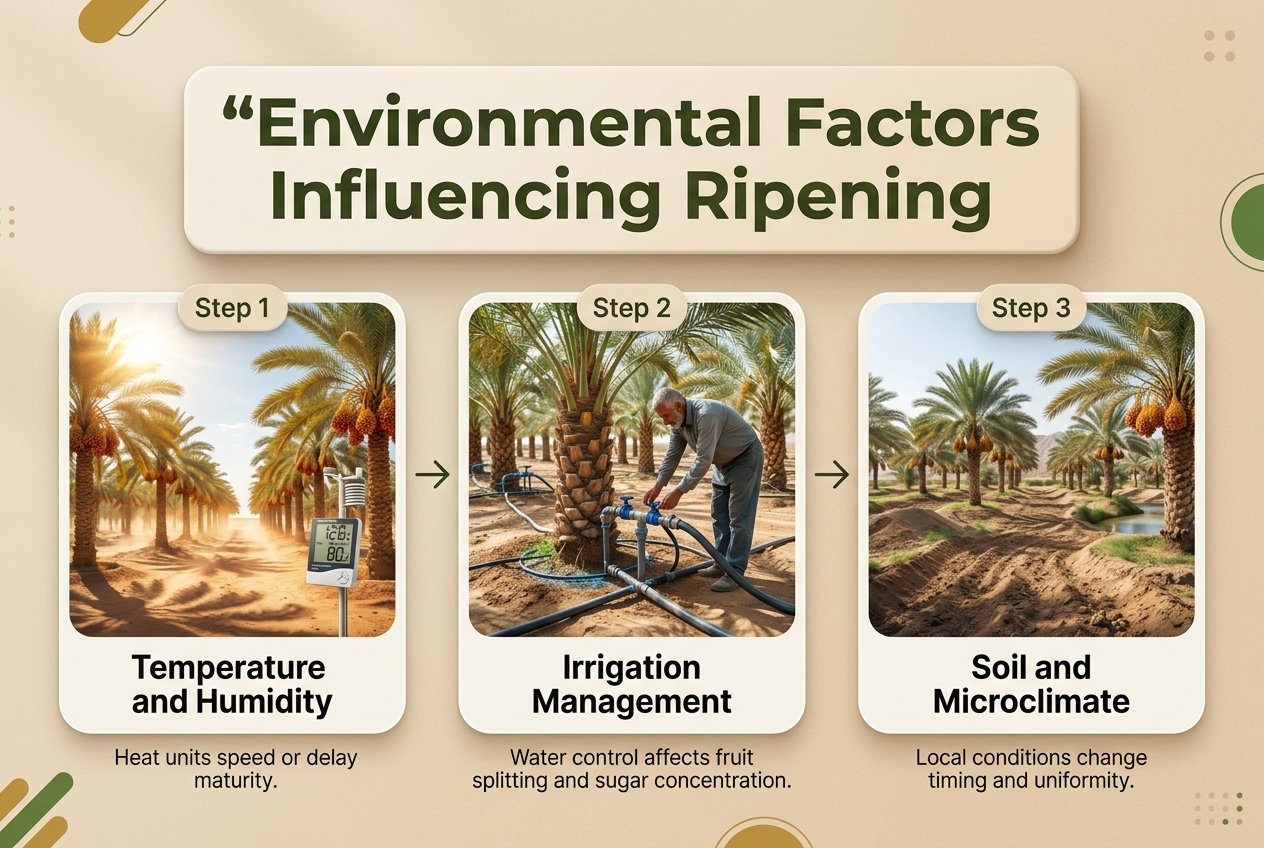
Temperature and Humidity
Date palms require a substantial amount of accumulated heat to bring their fruit to maturity. This is often measured in “heat units” or Growing Degree Days (GDD). High ambient temperatures accelerate ripening, while cooler weather can delay it. Humidity is also a critical factor; excessively high humidity can promote fungal growth and spoilage, especially during the soft Rutab stage, whereas very low humidity can cause the fruit to dry too quickly on the palm.
Irrigation
Water management is a key agricultural practice. While ample water is needed during the Kimri and early Khalal stages for fruit sizing, farmers often reduce or cease irrigation during the late Khalal and Rutab stages. This practice, known as deficit irrigation, helps to prevent fruit splitting and encourages the concentration of sugars by reducing water uptake.
Soil and Microclimate Effects
While date palms are famously tolerant of saline soils, extreme salinity can still stress the tree and impact fruit quality. Local microclimates, influenced by factors like elevation, wind exposure, and proximity to water bodies, can also create variations in the timing and uniformity of the harvest, even within a single plantation.
Harvest Timing and Post‑Harvest Handling
Proper management after the natural Date Ripening is complete is essential for preserving quality and meeting market expectations.
Optimal Harvest Stage for Different Markets
The decision of when to harvest is dictated entirely by the target market. A grower must match the physiological stage of the fruit to the specific consumer preference and supply chain requirements.
| Ripening Stage | Key Characteristics | Target Market |
| Khalal | Crisp, crunchy, moderately sweet, perishable | Local fresh markets, specialty ethnic stores |
| Rutab | Soft, succulent, very sweet, highly perishable | High-end domestic and export fresh markets |
| Tamar | Chewy, dense, very sweet, shelf-stable | Global export, industrial processing, retail |
Natural vs. Accelerated Ripening
The traditional method involves allowing dates to fully ripen and dry on the palm (sun-drying). However, to achieve a more uniform harvest or to ripen fruit picked at the Khalal stage, artificial methods can be employed. This can involve placing the fruit in controlled environments with elevated temperatures or using ripening agents like ethephon, which releases ethylene gas to trigger the ripening process.
Storage and Packaging Methods
Storage protocols vary by stage. Khalal and Rutab dates, due to their high moisture content, require refrigeration or freezing to halt ripening and prevent microbial spoilage. Tamar dates are far more stable and can be stored at ambient temperatures, though controlled atmosphere packaging (modifying oxygen and carbon dioxide levels) can further extend shelf life and preserve texture and color.
Conclusion
The transformation of the date fruit from the bitter Kimri stage to the sweet, stable Tamar stage is a precise and complex biological process. It is a carefully orchestrated sequence of physiological and biochemical events, regulated by hormones, driven by enzymes, and heavily influenced by environmental conditions and agricultural practices. A thorough understanding of the science behind Date Ripening is not merely an academic exercise; it is essential for growers, processors, and marketers to optimize yield, ensure consistent quality, and maximize the economic value of this vital crop in the competitive global industry.
Related Products