Global food manufacturers are reformulating with natural, functional ingredients as buyers demand shorter labels, plant-based inputs, and lower reliance on refined sugar. In this shift, dates in food manufacturing have moved from a niche fruit input to a practical formulation tool for sweetness, binding, texture, color, product consistency, and industrial cost control. In this article, we will explore date derivatives, functional properties, and industrial applications.
Introduction to Dates in the Food Industry
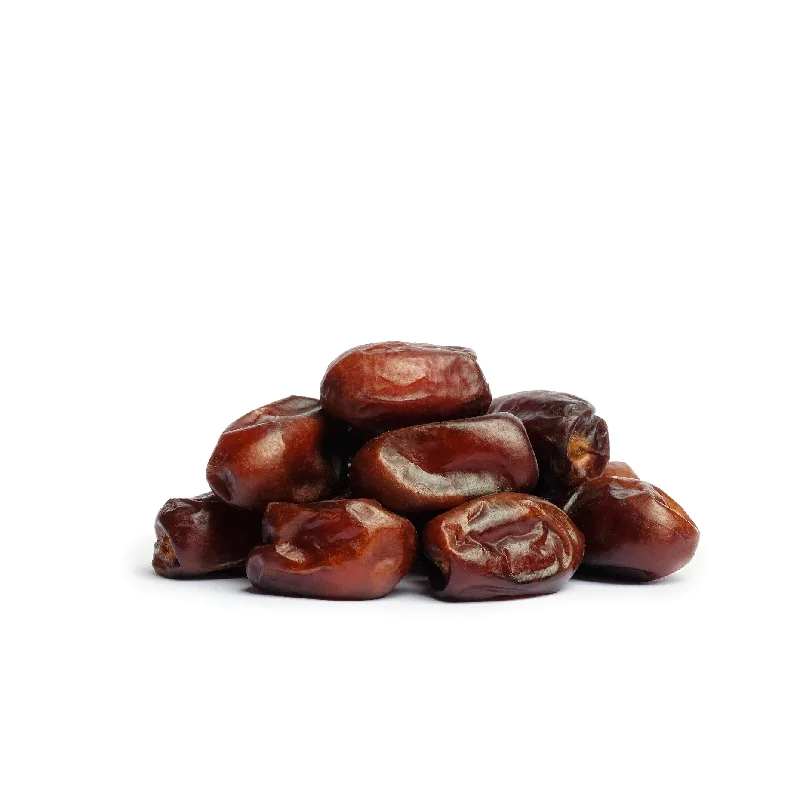
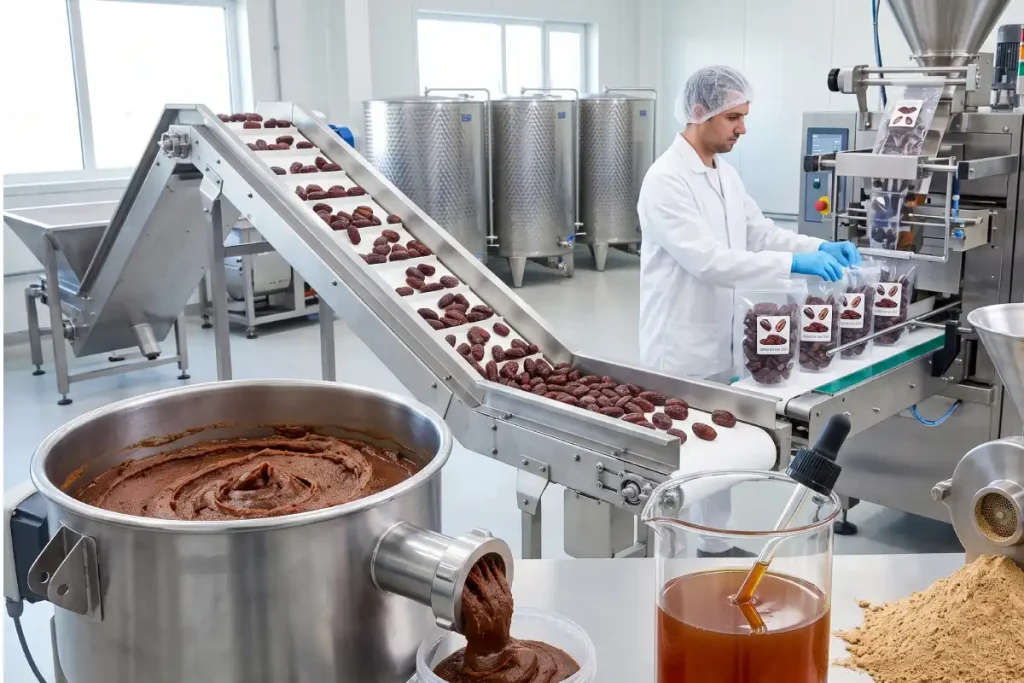
Dates now operate as a B2B ingredient platform, not only as a whole fruit. Through commercial date processing, manufacturers convert dates into paste, syrup, powder, diced pieces, and concentrates that fit automated lines, controlled dosing, and repeatable recipes. Date ingredients provide sweetness, fiber, minerals, color, body, and a recognizable fruit declaration. For clean-label products, this supports simpler labels without sacrificing process control.
Why Dates Are Used in Food Manufacturing
Dates are used in food manufacturing because they combine sweetness, structure, moisture control, and consumer-friendly labeling in one plant-based ingredient. They are naturally vegan and free from dairy, soy, and gluten, subject to cross-contact controls. One specification can support sweetening, binding, humectancy, browning, and flavor, making dates in food manufacturing useful in bars, fillings, sauces, desserts, and clean-label products.
Natural Sweetness and Nutrition
Nutritional density in dates means concentrated natural sugars are present with dietary fiber, potassium, magnesium, and antioxidant compounds. In formulation terms, dates deliver sweetness with a nutritional matrix, unlike refined sucrose. Replacing part of refined sugar with date ingredients can improve the nutritional profile of finished goods while maintaining caramel notes and soft texture.
Functional Properties
Functional properties are the physical and chemical characteristics that affect processing performance, texture, stability, and shelf life. In dates, these include high natural sugar content, fiber, viscosity, sticky texture, relatively low water activity in dried forms, and moisture-binding capacity. Date paste forms a natural binding matrix in bars and clusters, while date syrup disperses in liquids. In bakery, humectancy helps retain moisture and may reduce preservative needs.
Types of Date Ingredients for Industry
Industrial date ingredients are produced by commercial date processing to match different equipment, dosing systems, and product formats. Whole dates are sorted, washed, pitted, chopped, dried, milled, filtered, or concentrated as required.
| Ingredient format | Key specification | Best industrial use |
|---|---|---|
| Date paste | Usually 18–22% moisture | Bars, fillings, bakery, confectionery |
| Date syrup | Commonly 68–75° Brix | Beverages, dairy, sauces, desserts |
| Date powder | Whole-fruit dry sweetener | Dry mixes, bakery, rubs |
| Diced dates | Cut pieces with anti-clumping barrier | Cereals, trail mixes, baked goods |
Date Paste
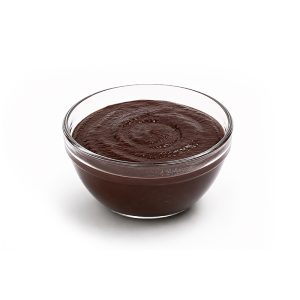
Date paste is macerated, pitted date flesh processed into a smooth, homogeneous mass for industrial dosing. Commercial paste usually targets controlled moisture, often around 18–22%, because this range supports binding, extrusion, and stable handling. In production, date paste acts as a bulk sweetener and binder in bars, cookies, filled pastries, and vegan confectionery. Compared with date paste and syrup, paste contributes more body and chew.
Date Syrup
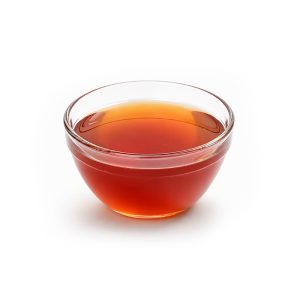
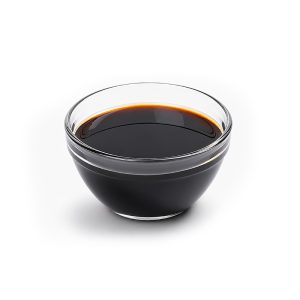
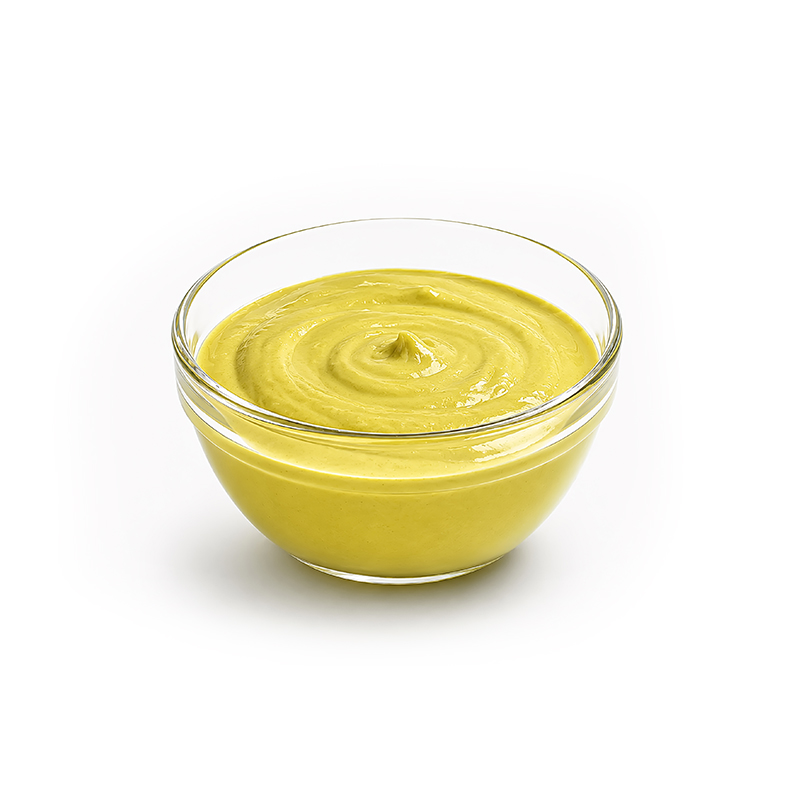
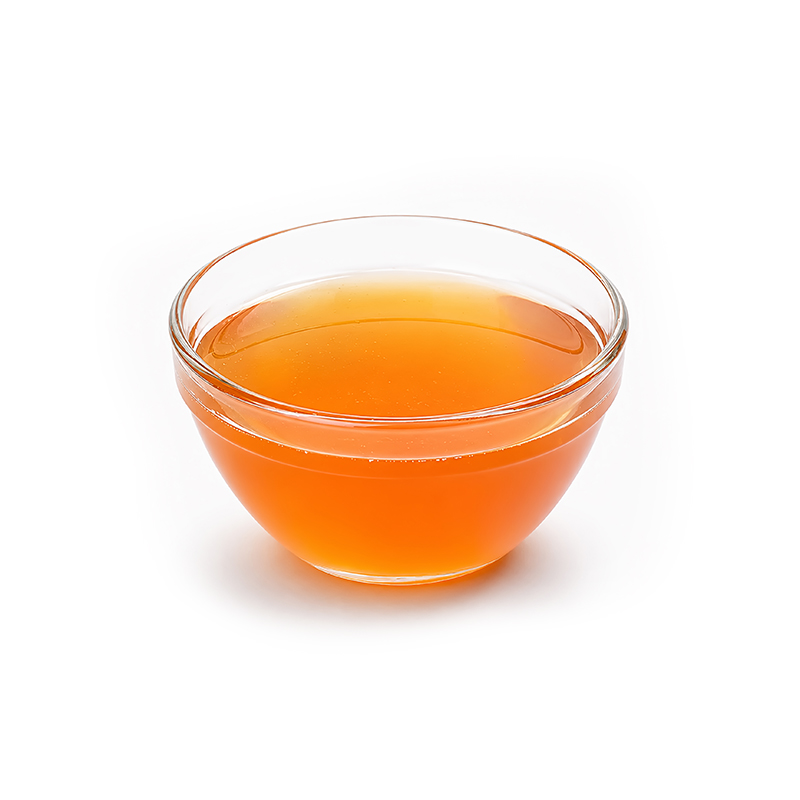
Date syrup, also called date nectar or date molasses, is the concentrated and filtered extraction of date juice. Industrial date syrup is commonly standardized by soluble solids, often around 68–75° Brix. Its main advantage is solubility. Date syrup blends into beverages, dairy bases, sauces, marinades, and dessert systems. In B2B recipes, date paste and syrup are often paired: syrup adjusts sweetness and color, while paste adjusts texture.
Date Powder
Date powder, often called date sugar, is dehydrated whole date material milled into a fine or granular dry ingredient. Because it is made from the whole fruit, it retains dietary fiber and does not dissolve completely in liquids. Date powder should not replace fully soluble sugar in clear beverages. It is better for dry mixes, bakery premixes, cereal coatings, spice rubs, and commercial baking.
Chopped and Diced Dates
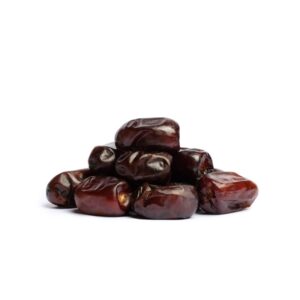
Diced dates are mechanically cut date pieces sized for controlled inclusion in industrial recipes. They are typically rolled in a natural barrier such as rice flour, oat flour, or dextrose to prevent clumping during transit and storage. Their function is texture and fruit visibility. Diced dates add chew and sweetness to cereals, granola, trail mixes, breads, muffins, cookies, and snack blends.
Applications of Dates in Food Products
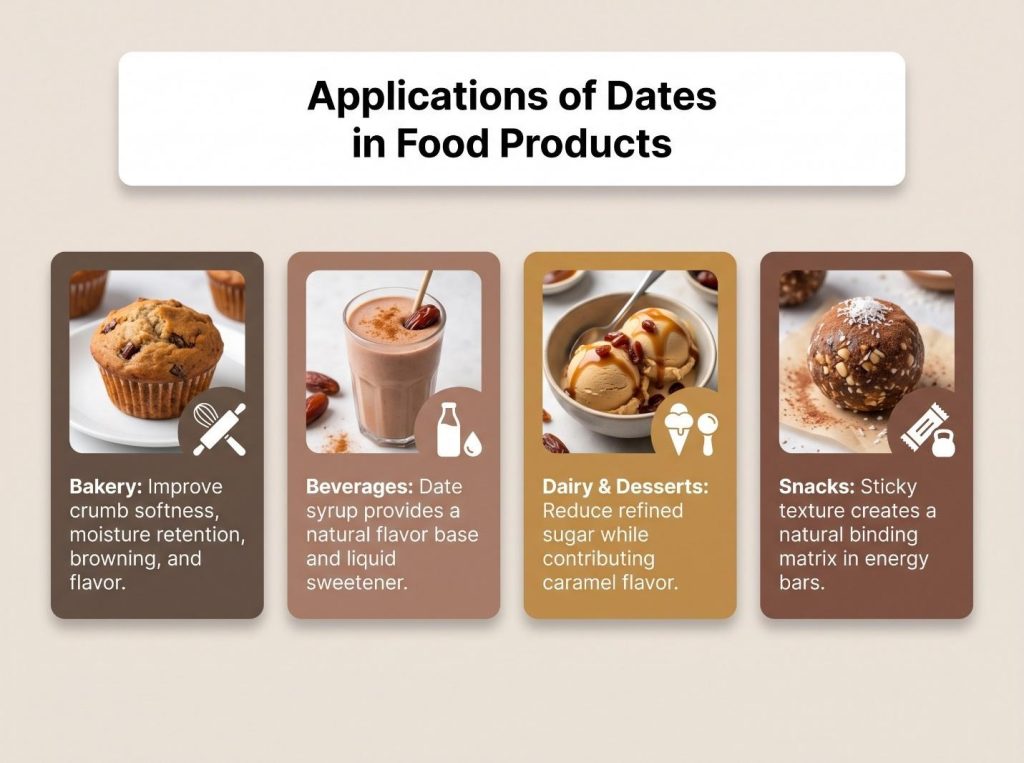
Dates in food manufacturing are used across sectors because each derivative solves a different formulation problem. Paste supports structure, syrup supports solubility, powder supports dry blending, and diced dates support texture.
Bakery and Confectionery
In bakery, date ingredients improve crumb softness, moisture retention, browning, and flavor in muffins, cookies, breads, and filled products. Date paste can replace part of the fat-sugar system by adding body and chew, while date syrup supports color and sweetness. In confectionery, dates work in vegan caramel-style fillings because they provide brown color, cooked-sugar notes, and sticky structure without dairy caramel.
Beverages
In beverages, date syrup provides a natural flavor base and liquid sweetener for plant-based milks, smoothies, fermented drinks, and craft brewing. Its solubility makes it easier to meter than paste. Clarity must be managed: standard date syrup may add color and haze, which suits smoothies or oat drinks but not clear functional beverages. Advanced commercial date processing is therefore moving toward clarified syrups.
Dairy and Desserts
In dairy and frozen desserts, date ingredients reduce refined sugar while contributing caramel flavor, body, and color. Yogurt, ice cream, frozen desserts, mousse, puddings, and sauces can use date paste and syrup depending on viscosity needs. Syrup is better for even sweetness distribution, while paste is better for texture and body. This makes dates in food manufacturing relevant to dessert lines.
Snacks and Energy Products
Date paste is preferred in energy bars, protein balls, and granola clusters because its sticky texture and controlled moisture create a natural binding matrix. It can replace high-fructose corn syrup, glucose syrup, and artificial binders in many bar systems. Manufacturers can bind oats, proteins, nuts, seeds, and fruit inclusions while shortening labels. This is one of the strongest commercial uses of dates in food manufacturing.
Dates as a Natural Sugar Alternative
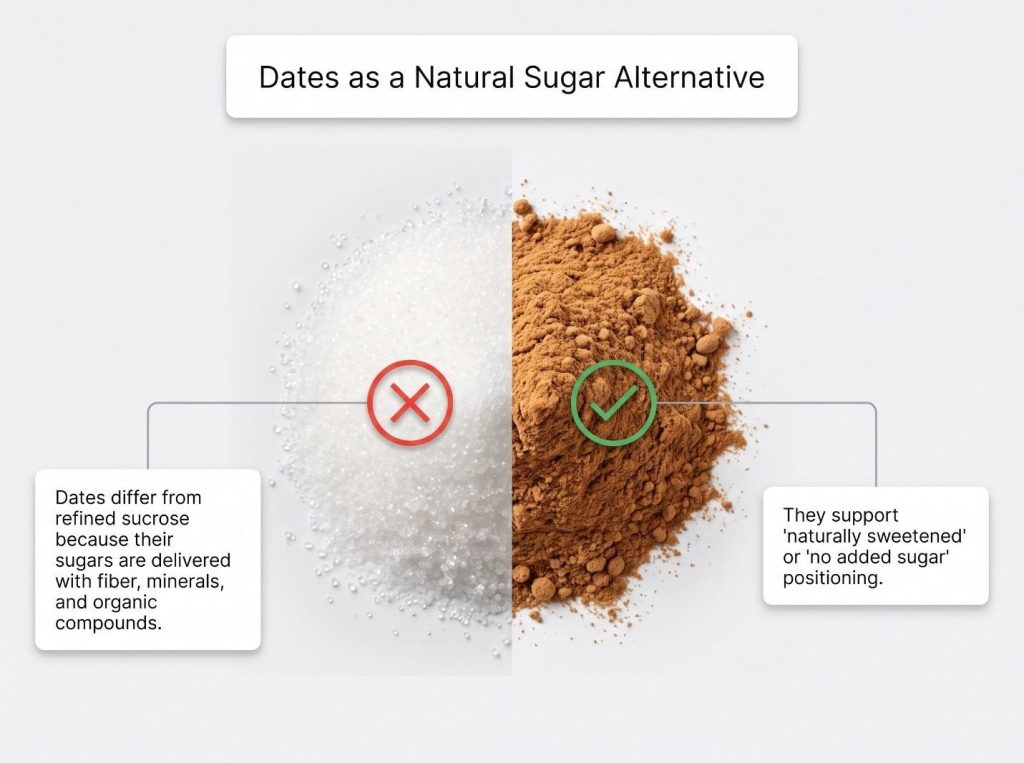
A natural sugar alternative is an ingredient that replaces refined sweeteners while delivering sweetness from a less refined botanical source. Dates differ from refined sucrose because their sugars are delivered with fiber, minerals, organic compounds, and fruit solids rather than isolated crystals. Research on date varieties often reports low-to-moderate glycemic index values, commonly around 42–58 depending on variety and method. Dates are not sugar-free, but they support sugar-reduction strategies. Where formulation and local regulations permit, dates in food manufacturing may support “naturally sweetened” or “no added sugar” positioning. As a natural sugar alternative, they work best when flavor, fiber, and texture are also needed.
Processing and Quality Considerations
Processing quality means controlling defects, moisture, microbial risk, and specification consistency from raw fruit to finished ingredient. Key checkpoints include sorting accuracy, pitting accuracy, moisture, water activity, particle size, Brix, color, and microbial testing. Food producers should request a certificate of analysis and confirm systems such as FSSAI compliance, BRCGS, ISO 22000, HACCP, or equivalent programs. Proper storage in cool, dry, airtight conditions helps prevent fermentation, moisture migration, clumping, and flavor deterioration. Reliable commercial date processing reduces production risk.
read more: Common Mistakes to Avoid When Importing Dates from Iran
Sourcing and Supply Chain Strategies
Sourcing dates in food manufacturing means buying a repeatable industrial ingredient, not a commodity selected only by price. Manufacturers should evaluate variety, origin, moisture, Brix, microbiology, packaging, allergen controls, traceability, and year-round availability. Bulk formats include 10 kg or 25 kg cartons for paste, diced dates, and powders, plus drums, IBCs, or tanks for syrup. A supplier such as Amin Farms can help buyers align grade, format, packaging, and shipment timing with production needs.
Future of Dates in Food Manufacturing
The future of dates in food manufacturing is moving toward specialized date ingredients and lower-waste processing. R&D is expanding beyond paste and syrup into clarified date sweeteners, date fiber, date seed powder, date seed oil, and roasted date seed products for caffeine-free coffee alternatives. Ultra-clarified date syrup can support clear functional drinks, while upcycled seed and fiber streams may support sustainability and nutrition claims.
Conclusion
Dates in food manufacturing offer sweetness, binding, moisture retention, natural color, fruit-based nutrition, and clean-label compatibility. Date paste and syrup solve different formulation problems, while powder and diced dates extend applications across dry mixes, bakery, snacks, desserts, and beverages. For producers seeking a natural sugar alternative and stronger clean-label products, industrial-grade date ingredients are strategic. To reduce formulation risk and secure consistent supply, food manufacturers should source premium date ingredients from Amin Farms.
Frequently Asked Questions
What is the typical shelf life of date ingredients in food manufacturing?
Date ingredients in food manufacturing typically have a shelf life of 12 to 18 months when stored in cool, dry conditions in airtight packaging. Shelf life depends on moisture, water activity, packaging format, and whether the product is paste, syrup, powder, or diced dates.
Are date ingredients suitable for allergen-free manufacturing facilities?
Yes, date ingredients are naturally free from common allergens such as gluten, dairy, and soy. Manufacturers should still verify supplier allergen statements, cross-contact controls, and facility handling procedures before approving them for allergen-free production.
Why is date paste preferred in commercial energy bar manufacturing?
Date paste is preferred because its sticky texture and controlled moisture bind oats, proteins, nuts, seeds, and fruit inclusions without synthetic syrups. It supports clean-label products while replacing high-fructose corn syrup and artificial binders in many commercial bar systems.
Related Products