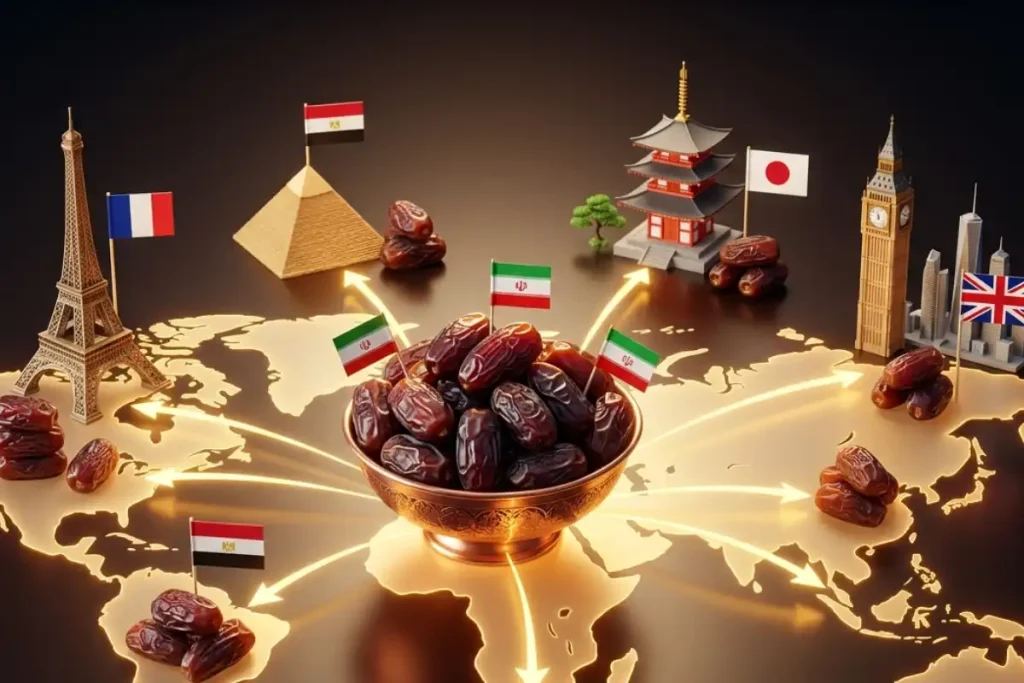
Iran exported 332,346 tons of fresh and dried dates worth about $213.049 million in 2024, confirming its role in global agri-food trade. For buyers studying the Top Countries Importing Dates from Iran, Iranian dates export statistics show where demand is strongest. In this article, we will examine top destinations, demanded varieties, and the commercial reasons behind this trade.
What Is the Iranian Date Export Market?
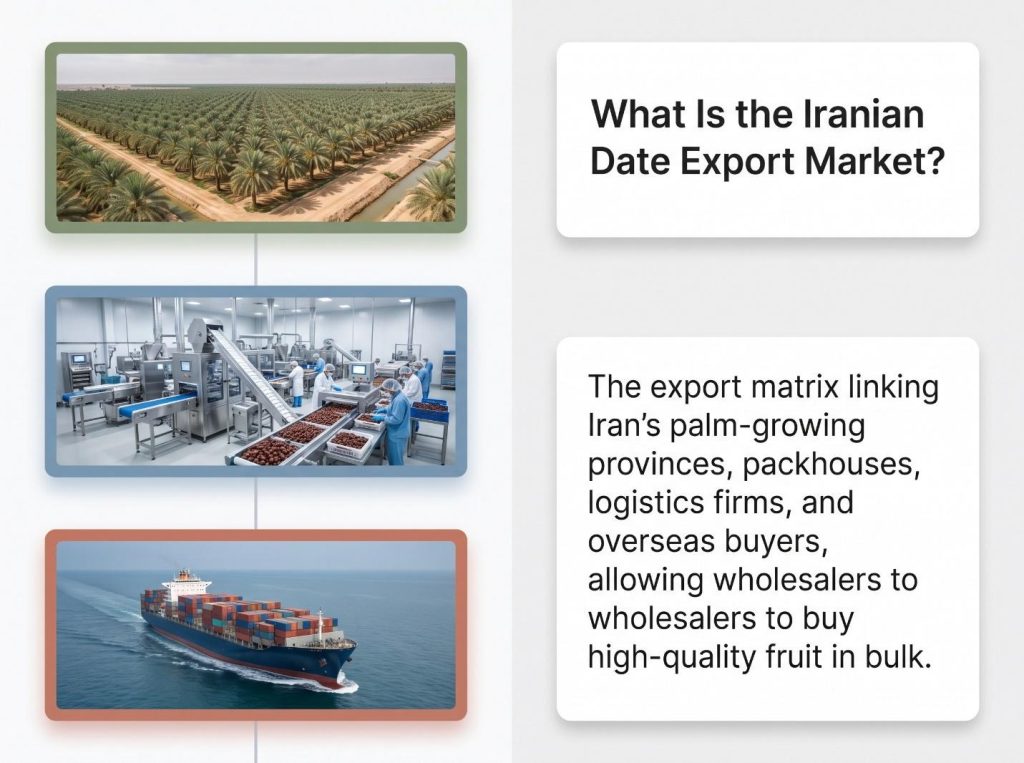
The Iranian date export market is the agricultural export matrix linking Iran’s palm-growing provinces, packhouses, logistics firms, and overseas buyers. Iran harvests more than 1 million tons of dates in strong production years, and roughly 30% can move into global channels as fresh, semi-dry, or dry products. In simple terms, Iran grows more dates than it consumes, so wholesalers, manufacturers, and retailers can buy high-quality fruit in bulk. This is why Top Countries Importing Dates from Iran assess volume stability, variety, certification, and landed cost. For wholesale Iranian dates, buyers review grades, moisture levels, carton formats, and payment terms. Iranian dates export statistics help importers compare Iran with Saudi Arabia, Tunisia, Egypt, and the UAE before they import dates from Iran.
Why Countries Import Dates from Iran
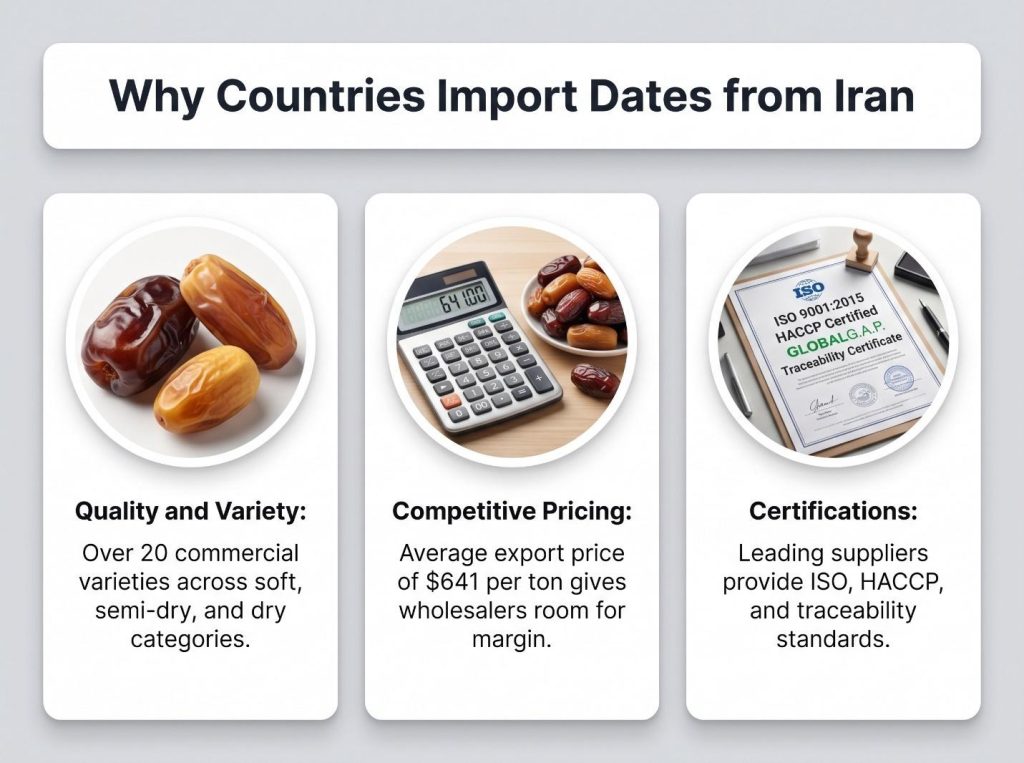
Countries import dates from Iran because Iranian supply combines scale, variety, competitive pricing, and improving export compliance.
Quality and Variety
Iran’s main date provinces, including Kerman, Khuzestan, Hormozgan, Bushehr, and Sistan-Baluchestan, provide several climatic zones. Hot dry areas produce stable semi-dry and dry dates, while humid southern zones support softer fruit. This climate diversity allows more than 20 commercial varieties across soft, semi-dry, and dry categories. Buyers comparing the Top Countries Importing Dates from Iran can match each market to a product: Mazafati for Ramadan retail, Sayer or Kabkab for processing, and premium Iranian date varieties such as Piarom for Europe.
Competitive Pricing
Iranian dates are attractive because the average export price is highly competitive. Recent ITC-based reporting shows an average export price of $641 per ton in 2024. That gives wholesalers room for margin after freight, duty, inspection, warehousing, and distribution, keeping wholesale Iranian dates relevant in low-cost and premium segments.
International Quality Certifications
Importers care about standards because one rejected shipment can erase the margin on several successful containers. Leading Iranian date suppliers, including B2B exporters such as Amin Farms, should provide ISO documentation, HACCP-based food safety, traceability, pesticide control, and GlobalG.A.P.-aligned agricultural standards where required. These certifications reduce customs friction in Europe and Asia and make the Top Countries Importing Dates from Iran more confident.
Top Importing Countries
Current Iranian dates export statistics show strong demand in Asia, the Gulf, Eurasia, and selected European markets. Iran’s date exports recently recorded a 25% value increase, supported by 332,346 tons shipped in 2024. The Top Countries Importing Dates from Iran reflect three buying motives: direct consumption, Ramadan demand, and re-export trade.
| Market | Approximate share | Main role | Typical buying logic |
|---|---|---|---|
| India | 19.5% | Largest destination | Population scale, cultural use, price sensitivity |
| UAE | 11% | Consumer and re-export hub | Repacking, distribution, resale |
| Pakistan | 7.3% | Neighboring market | Ramadan demand and border efficiency |
| Turkey | 6.8% | Consumer and transit market | Retail plus access to Europe |
| Kazakhstan | 4.9% | Eurasian buyer | Long-shelf-life semi-dry dates |
India
India is the largest destination among the Top Countries Importing Dates from Iran, accounting for about 19.5% of Iranian date exports. Demand is driven by population scale, religious consumption, and shorter routes than many rival origins. Buyers focus on price, moisture, size, carton strength, and steady delivery before Ramadan.
UAE
The UAE holds about an 11% share, but its role is larger than domestic consumption. Dubai and other trade centers import bulk Iranian dates, repack them, and re-export to Africa, Asia, and Europe. This makes the UAE both a buyer and redistribution platform, with strong demand for flexible packaging and fast documentation.
Pakistan
Pakistan accounts for roughly 7.3% of Iranian date exports. Proximity supports efficient road and cross-border trade, which helps protect quality for soft varieties. Demand rises before and during Ramadan, especially for Rabbi and Mazafati. Pakistan also matters for wholesale Iranian dates because importers buy large lots and distribute quickly.
Turkey
Turkey holds about a 6.8% share and works as both a consumer market and a transit bridge. Turkish importers buy for retail, confectionery, and food service, while some traders use Turkey’s logistics position to connect Iranian supply with Europe. Semi-dry fruit, competitive pricing, and reliable packaging are the main buying factors.
China
China is a large and growing market for Iranian agricultural products. Chinese buyers use dates for direct consumption, snack retail, bakery ingredients, and food processing. Demand is more fragmented than in India or the UAE, but the long-term opportunity is significant. To import dates from Iran into China, exporters need precise labeling, residue control, and transport-safe packaging.
Russia and Kazakhstan
Russia and Kazakhstan represent a robust Eurasian demand channel. Kazakhstan alone accounts for nearly 4.9% of Iranian date exports, while Russia buys semi-dry dates because long shelf life fits colder climates and extended distribution routes. For companies studying the Top Countries Importing Dates from Iran, Eurasia rewards operational reliability, not only low price.
Other Key Markets
Other key markets include the European Union, especially Germany and the UK, plus selected East Asian destinations. These buyers purchase lower volumes with higher quality expectations. They often request premium Iranian date varieties, full traceability, pesticide documentation, and private-label packaging. Europe can deliver stronger margins when Iranian date suppliers meet compliance requirements.
Most Exported Iranian Date Varieties
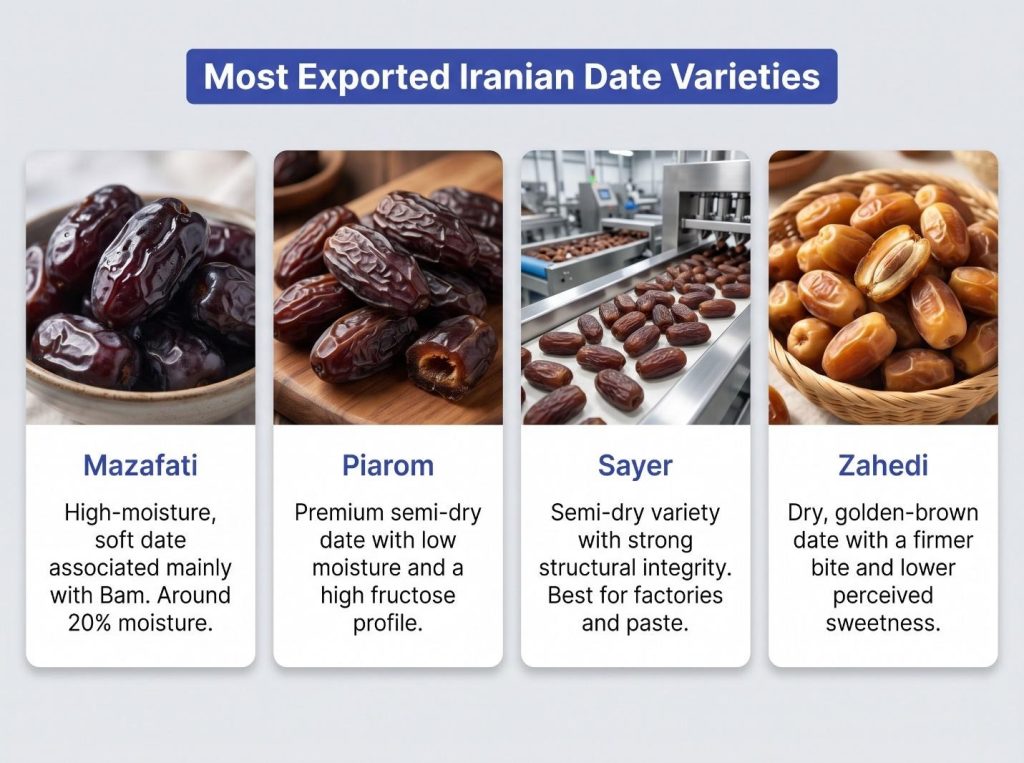
Different markets require different moisture levels, shelf life, and visual standards, so variety selection affects sales performance.
Mazafati
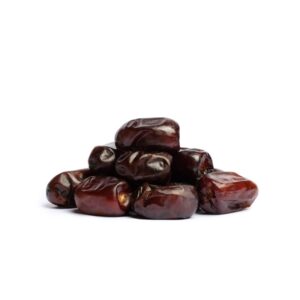
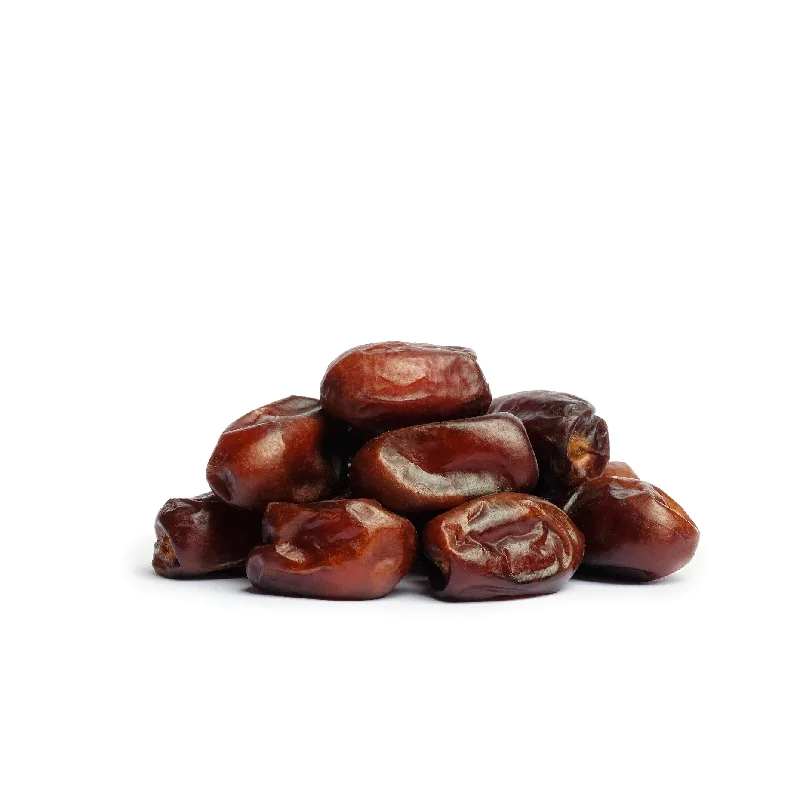
Technically, Mazafati is a high-moisture, dark-colored, soft date associated mainly with Bam in Kerman province. Its moisture is often around 20% or higher. Simply put, it is the classic juicy, sweet black date many consumers eat fresh, especially during Ramadan. It belongs among premium Iranian date varieties for markets with cold-chain or controlled storage.
Piarom
Technically, Piarom is a premium semi-dry date cultivated mainly in Hajiabad, Hormozgan, with low moisture and a high fructose profile. Simply put, it is known in trade as the “Chocolate Date” because of its dark skin and dense texture. Piarom is one of the most expensive premium Iranian date varieties and is strongly demanded in Europe.
Sayer
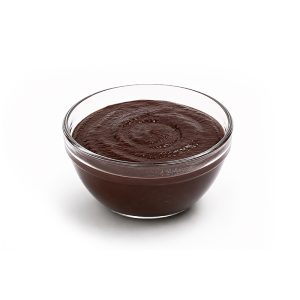
Technically, Sayer, also called Stamaran, is a semi-dry variety with strong shelf life and structural integrity. Simply put, it is one of the best choices for factories, chopped dates, paste production, and ocean shipping. Sayer helps industrial buyers import dates from Iran for bakery, cereal, snack-bar, and ingredient applications.
Zahedi
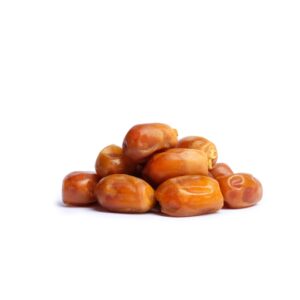
Technically, Zahedi is a dry, golden-brown date with a firmer bite and lower perceived sweetness than soft varieties. Simply put, it suits consumers who want a chewy snack rather than a syrupy product. Zahedi travels well, stores efficiently, and can serve health-oriented retail channels without Mazafati-style handling.
Kabkab and Rabbi
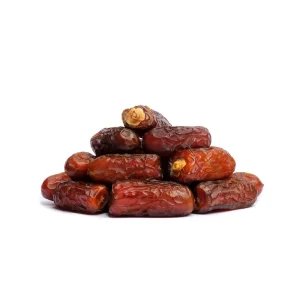
Kabkab is a soft, syrupy date used for table consumption and food processing, where sweetness and texture are important. Rabbi is elongated, dark brown, and highly popular in Pakistan and nearby markets. These two varieties broaden the list from Iranian date suppliers and help buyers match price, taste, and shelf life.
read more: Common Mistakes to Avoid When Importing Dates from Iran
Post-Harvest Processing and Export Logistics
Post-harvest processing is the controlled supply chain that turns harvested dates into export-ready food products. Technically, it includes sorting, fumigation or pest control, moisture control, metal detection, carton coding, cold storage for soft dates, and packaging from 250g consumer packs to 5kg and 10kg cartons. Simply put, keeping dates safe and fresh during transit is as important as growing them well. Modern exporters use secure food-grade packaging because weak cartons, poor liners, or uncontrolled moisture can cause fermentation, infestation, mold, and claims. For wholesale Iranian dates, logistics quality decides whether the importer receives a profitable product or a rejected shipment.
Opportunities for Date Exporters
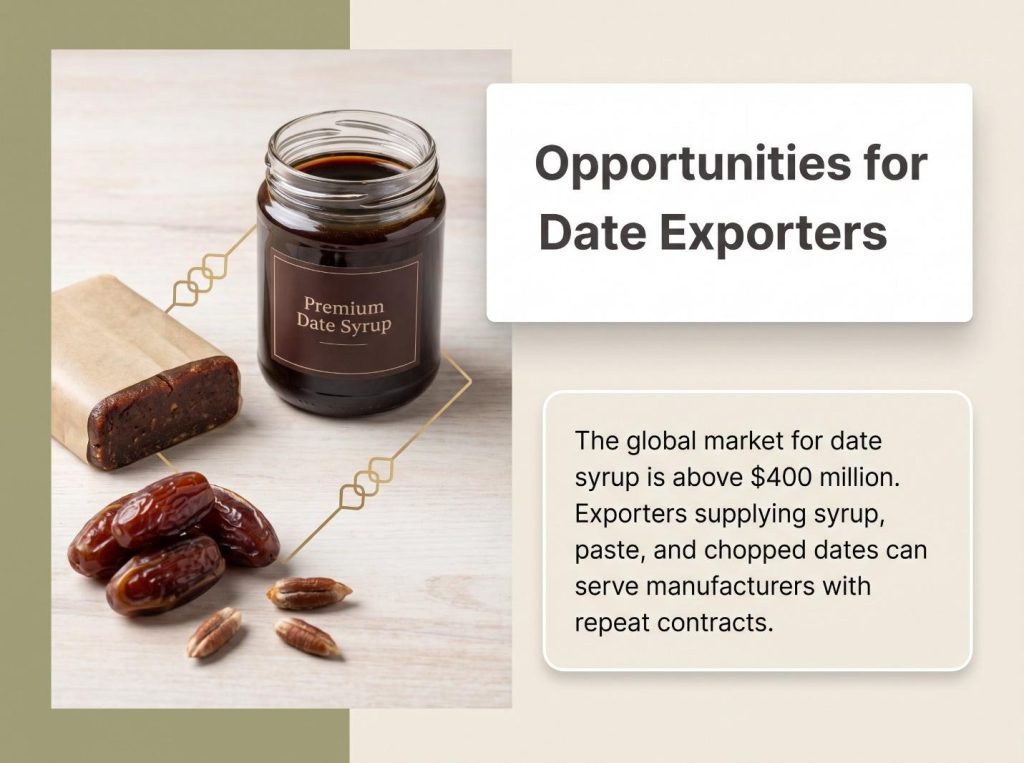
The best opportunity is not limited to raw fruit. The global market for date syrup alone is reported above $400 million, with demand from health-food, vegan, bakery, snack, and natural sweetener categories. Exporters that only sell raw cartons compete mainly on price. Exporters supplying syrup, paste, chopped dates, and pitted dates can serve manufacturers with repeat contracts and clear specifications. This is where buyers who import dates from Iran can build differentiated product lines instead of reselling the same commodity. For Amin Farms and other Iranian date suppliers, value-added processing can raise margins and reduce waste.
FAQ
Which Country Imports the Most Iranian Dates?
India is the largest importer, accounting for nearly 19.5% of Iranian date exports. Demand is driven by population scale, cultural preferences, and strong seasonal consumption.
Are Iranian Dates Exported to Europe?
Yes. Premium varieties such as Piarom and Sayer are exported to European countries including Germany and the UK when suppliers meet strict pesticide, health, labeling, and traceability requirements.
How Are Export Dates Packaged?
Export dates are packed in food-grade hygienic boxes, from 250g retail packs to 5kg and 10kg wholesale cartons. The format depends on the importer’s sales channel, variety, and shelf-life requirements.
Conclusion
Iran remains one of the most practical sourcing origins for international date buyers because it combines large production, broad variety, and competitive pricing. The Top Countries Importing Dates from Iran show that demand is strongest where cultural consumption, logistics access, and resale opportunities align. For wholesalers and food manufacturers, the safest route is to partner with suppliers such as Amin Farms for grading, documentation, packaging, and shipment planning.
Related Products