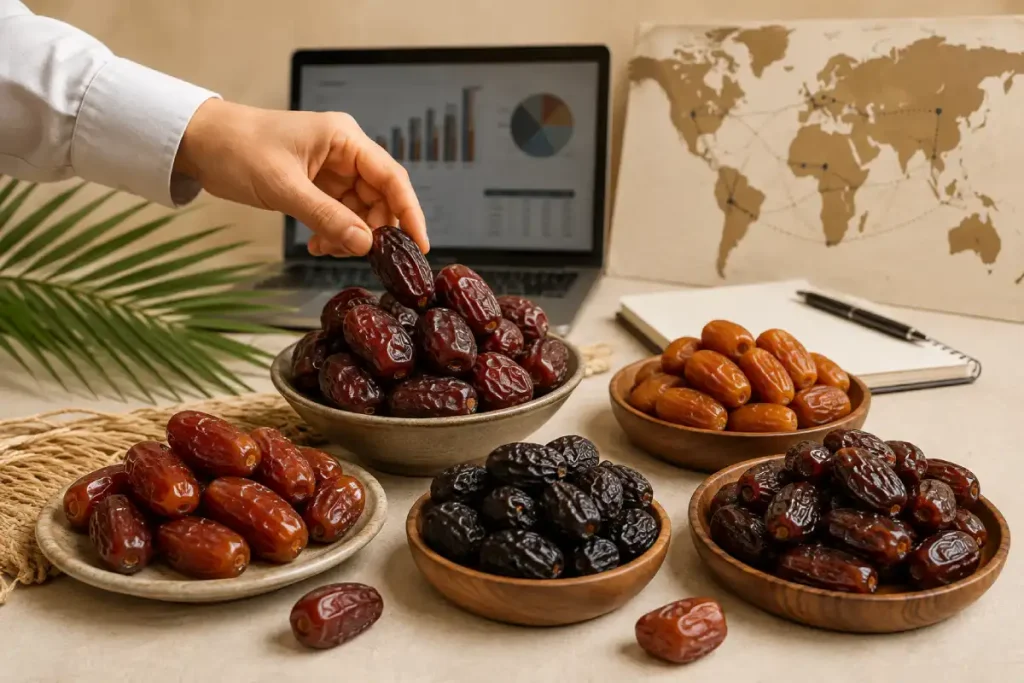
Selecting the right date variety for your business directly shapes supply chain efficiency, product performance, and gross margins in international trade. Procurement teams must evaluate cultivars based on moisture levels, storage stability, and processing suitability to prevent inventory waste and control shipping costs. Sourcing an improper variety creates operational friction and erodes profit margins. Read this commercial guide to master the technical metrics and economic parameters required to pick the ideal date cultivar for your enterprise.
Why Date Variety Choice Depends on Your Business Model
Selecting the right date variety for your business depends on your operational structure, storage capacity, and end-market placement. Moisture thresholds ranging from 12 percent to over 25 percent, cold-chain dependencies, and flesh consistency dictate freight overhead and storage risk.
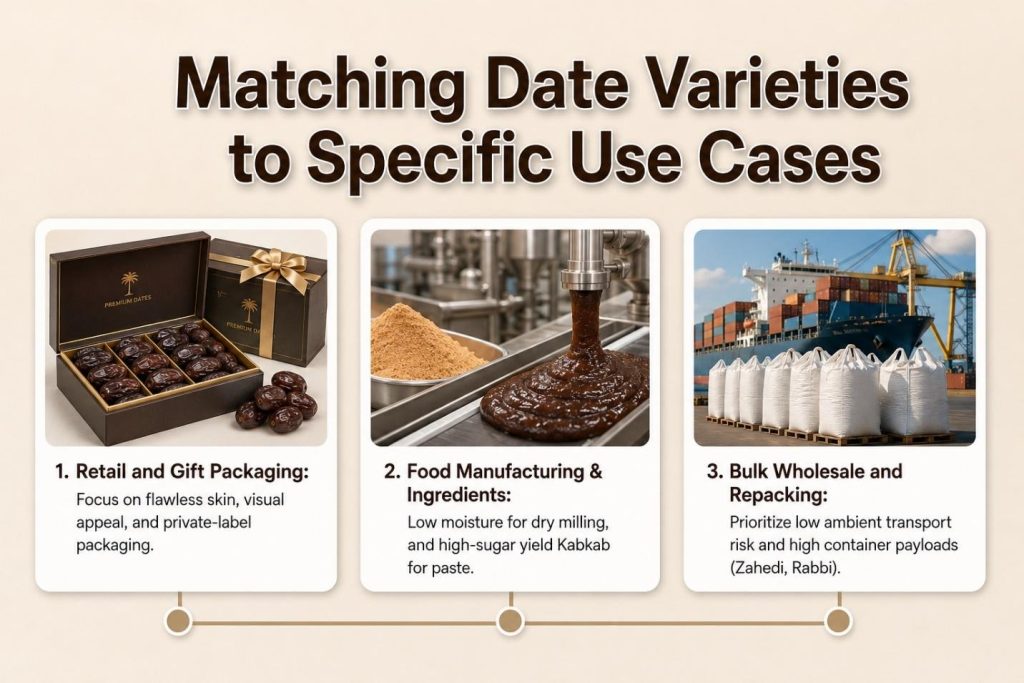
Premium retail brands require superior visual appeal and tender flesh, while commercial food manufacturers prioritize cost-per-brix and mechanical pitting speed. When evaluating soft dates vs dry dates, procurement managers handling dried fruit sourcing and bulk date wholesale operations must align product specifications with existing warehousing assets.
| Business Model | Primary Goal | Critical Technical Metric | Recommended Cultivar Fit |
| Gourmet & Gift Retail | Visual appeal & premium price | High moisture, rich skin finish | Piarom, Mazafati |
| Industrial Food Manufacturing | Cost efficiency & uniformity | Low moisture, high brix, easy pitting | Zahedi, Kabkab |
| Bulk Wholesale & Repacking | Long ambient shelf life | Moisture under 16%, resistance to crushing | Zahedi, Rabbi |
Overview of Major Iranian Date Varieties
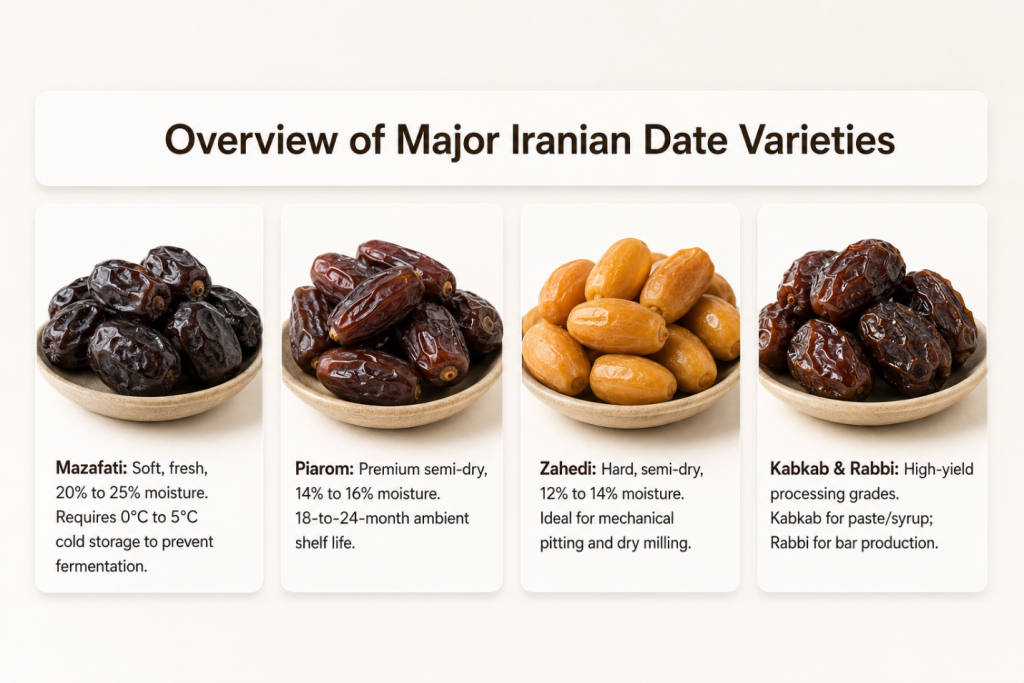
Choosing the right date variety for your business requires evaluating leading origin markets. Iranian date exporters supply a substantial portion of global trade due to microclimatic diversity, producing commercial grades ranging from fresh soft dates to low-moisture dry types. Conducting a rigorous date variety comparison allows procurement managers to select exact technical specifications tailored to target buyers.
Mazafati – Soft, Fresh Market
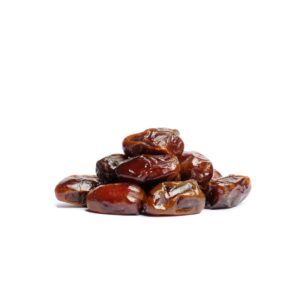
Mazafati, scientifically classified as Phoenix dactylifera Mazafati, is a soft, fresh date cultivar native to the Bam region of Kerman, characterized by a dark purple-black color, high moisture content of 20% to 25%, and a soft, syrupy texture. Sourcing Mazafati dates requires refrigerated storage kept between 0°C and 5°C to achieve a 12-month shelf life without risk of fermentation. Securing the right date variety for your business means matching logistical capabilities to product sensitivity. This fresh variety typically moves in 500g to 600g tray formats, making specialized date packaging for retail essential to maintain moisture levels and prevent damage during transit.
Piarom – Premium, Dry Type
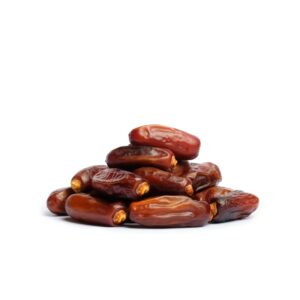
Piarom, also known as Maryami, is a luxury semi-dry date cultivar grown in Hajiabad, Hormozgan, featuring a slender shape, dark brown skin fully attached to the flesh, and low moisture content of 14% to 16%. Offering Piarom dates gives importers access to high-margin gourmet sectors. Determining the right date variety for your business involves leveraging Piarom’s fructose-heavy profile, refined flavor, and 18-to-24-month ambient shelf life without active refrigeration. Partnering with a reliable organic dates supplier allows distributors to package premium dates for gifting across boutique grocery networks and specialty retail channels.
Zahedi – Semi-Dry, High Volume
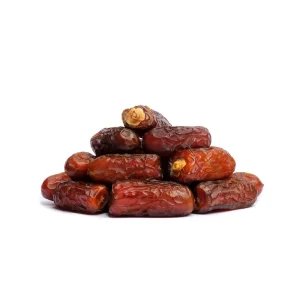
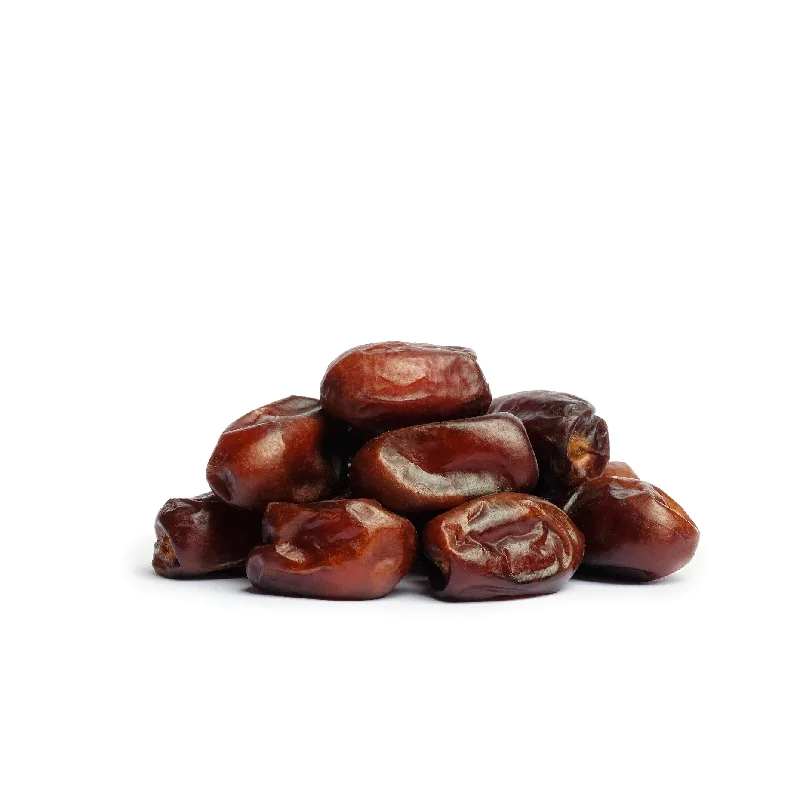
Zahedi is a hard, semi-dry date cultivar distinguished by its oval shape, golden-yellow skin, low moisture content of 12% to 14%, and sucrose-rich sweetness. Commercial processors prefer Zahedi dates because firm flesh enables high-speed mechanical pitting, chopping, and milling into natural sugar or powder. Finding the right date variety for your business requires balancing ingredient cost against handling ease. Zahedi withstands shipping pressure and provides ambient shelf stability up to 24 months, making these food-grade dates the most cost-effective option for volume importers.
Kabkab and Rabbi – Processing Grade
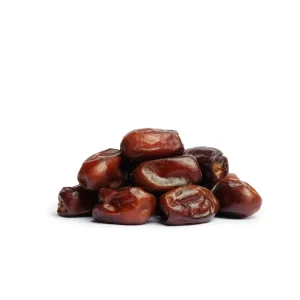
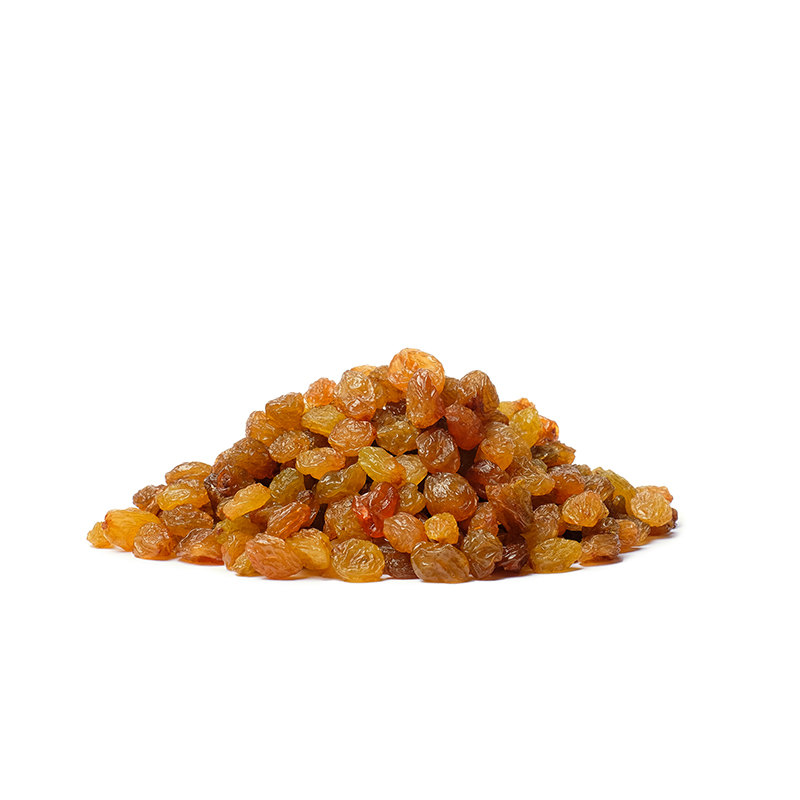
Kabkab and Rabbi are high-yield commercial date cultivars categorized by high brix density and moderate moisture of 15% to 22%, optimized for industrial ingredient extraction and intermediate commercial grading. Determining appropriate date processing grade specifications requires contrasting Kabkab dates with Rabbi dates. Kabkab dates feature a moist, dark brown body rich in natural syrup, making them effective for industrial pastes, syrups, and bakery fillings. In contrast, Rabbi dates are semi-dry, long, and reddish-black with low surface stickiness, serving as an economical substitute for energy bar production and volume repacking.
Matching Variety to Use Case
Matching the right date variety for your business involves analyzing distribution logistics, packaging machinery, and industrial processing requirements. Long-term commercial success depends on matching cultivar characteristics to clear functional applications.
read more: Common Mistakes to Avoid When Importing Dates from Iran
Retail and Gift Packaging
Retail distribution demands flawless skin appearance and structural stability. Mazafati excels in chilled produce departments packaged in clear trays, while Piarom leads premium gift box segments. Companies establishing a date fruit private label line should utilize thermoformed trays or nitrogen-flushed pouches to preserve texture and prevent oxidation. Positioning premium dates for gifting helps distributors capture higher retail margins in gourmet food sectors.
Food Manufacturing and Ingredient Use
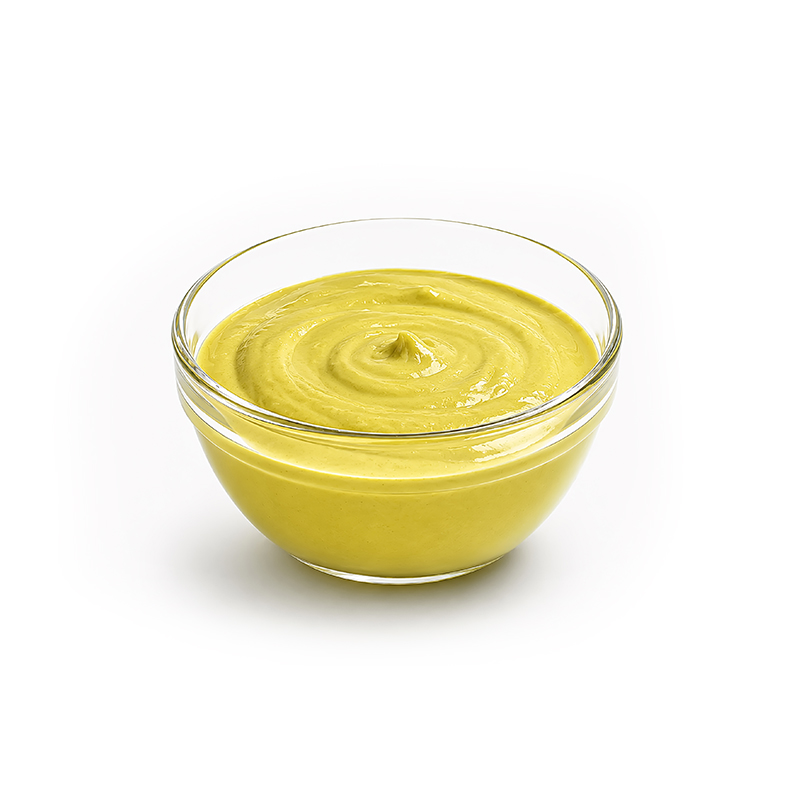
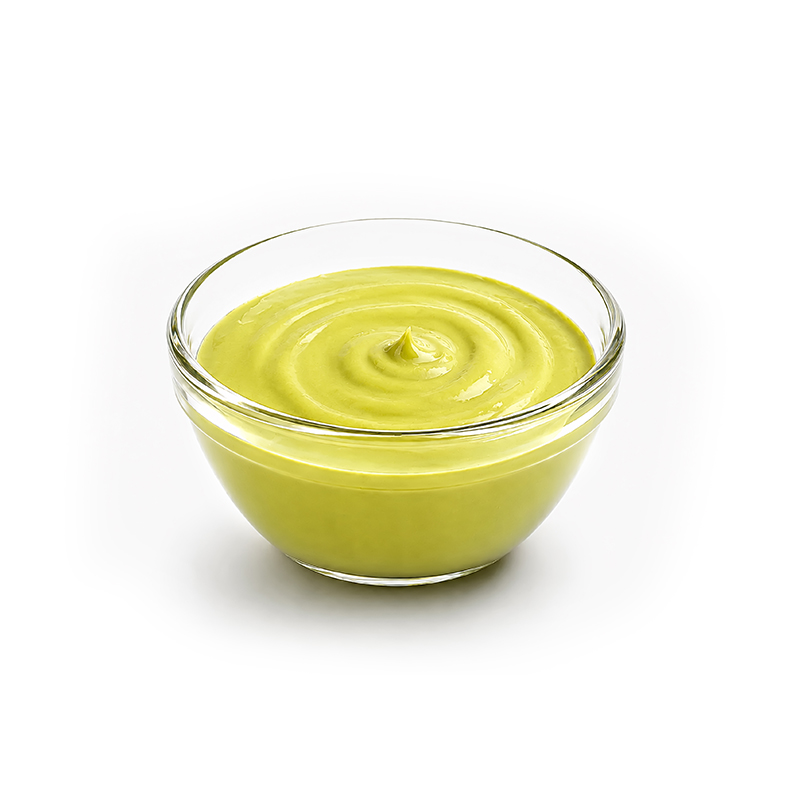
Industrial food producers require predictable material behavior on automated lines. Industrial bakeries and snack producers turn to Zahedi for dry milling into pure date powder, whereas sauce and confectionery manufacturers use Kabkab to produce high-brix date paste and syrup. Sourcing verified food-grade dates that meet strict date processing grade standards prevents automated pitting jams and eliminates hard calyx contamination.
Bulk Wholesale and Repacking
Bulk importers repacking into regional brands prioritize low ambient transport risk and high container payloads. Buying dry or semi-dry options via bulk date wholesale channels significantly lowers per-kilogram freight costs. Utilizing Zahedi and Rabbi minimizes shipping degradation and maximizes loading density in standard 10kg or 15kg cartons, ensuring efficient dried fruit sourcing across long-distance maritime routes.
Key Factors to Evaluate Before Choosing
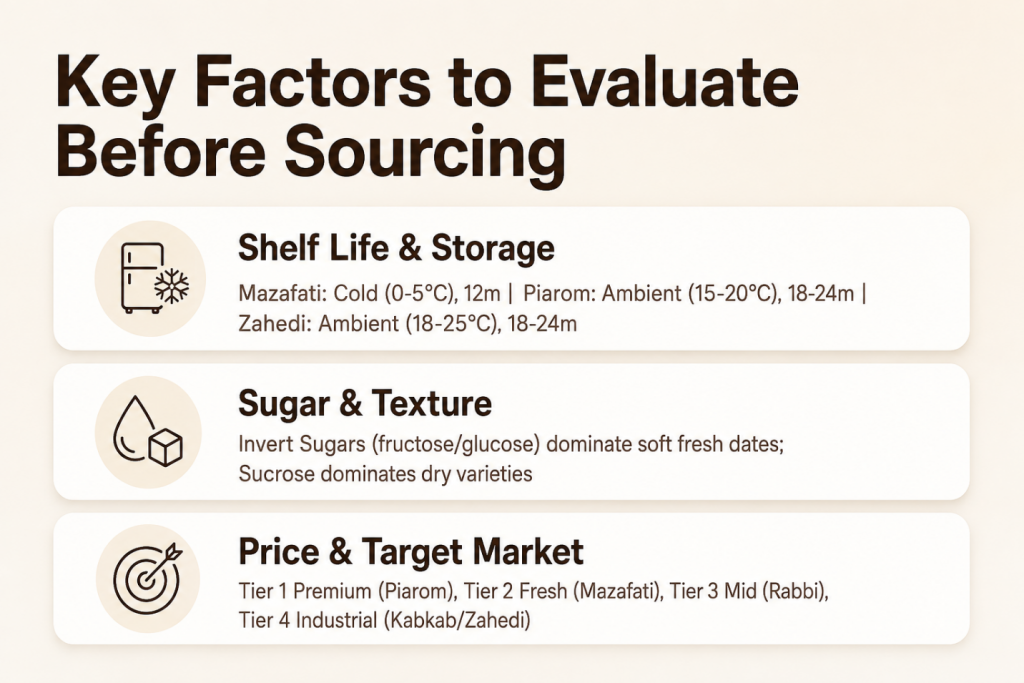
Selecting the right date variety for your business requires assessing technical specs, moisture caps, chemical profiles, and total landed costs. Buyers must align cultivar selection with their destination market capabilities.
Shelf Life and Storage Conditions
Moisture level dictates water activity levels and susceptibility to yeast or mold growth. Optimizing date fruit shelf life depends on aligning product moisture percentages with available cold storage or ambient warehouse facilities.
| Date Variety | Moisture % | Storage Temp Required | Shelf Life in Months | Freight Type |
| Mazafati | 20% to 25% | Cold Storage 0°C to 5°C | 12 Months | Reefer Container |
| Piarom | 14% to 16% | Ambient Cool 15°C to 20°C | 18 to 24 Months | Standard Dry Container |
| Zahedi | 12% to 14% | Ambient 18°C to 25°C | 18 to 24 Months | Standard Dry Container |
| Kabkab | 18% to 22% | Ambient Cool 10°C to 15°C | 12 to 18 Months | Standard or Reefer |
| Rabbi | 15% to 18% | Ambient Cool 15°C to 20°C | 18 Months | Standard Dry Container |
Sugar Content and Texture
The chemical sugar makeup influences mouthfeel, moisture retention, and industrial utility. Soft fresh dates contain high concentrations of invert sugars like glucose and fructose, resulting in tender flesh, whereas dry varieties contain higher sucrose proportions. Testing date sugar content and date fruit texture helps food developers choose cultivars that provide target viscosity, structural stability, and natural sweetness.
Price Point vs Target Market
International export prices follow structured commercial tiers. Piarom represents Tier 1 Premium, Mazafati occupies Tier 2 Fresh Standard, Rabbi fits Tier 3 Mid-Range, and Kabkab alongside Zahedi cover Tier 4 High-Volume Industrial. Importers must evaluate total landed costs, factoring refrigerated freight expenses against projected retail margins.
Sample Requests and Trial Orders: What to Ask For

Ordering pre-shipment samples allows technical teams to verify product specs against commercial standards. Submitting a clear date sample request to reputable Iranian date exporters mitigates quality risks when securing the right date variety for your business. Procurement officers should evaluate five key parameters:
- Moisture Level Verification: Require laboratory oven-drying reports to confirm moisture percentages fit your storage infrastructure.
- Defect Tolerance Thresholds: Set strict maximum limits for skin separation, sugaring, physical crushing, and foreign material, keeping total defects below 2 percent.
- Pitting Efficiency and Calyx Removal: Request pitted samples of processing grades to test automated line flow without pit fragments or hard calyx residue.
- Microbiological and Phytosanitary Certifications: Demand ISO 22000, HACCP, and complete pesticide residue test documentation with all sample lots.
- Packaging Stability Trial: Subject master cartons to simulated shipping humidity to test box compression strength and structural integrity.
FAQ: Choosing a Date Variety for Export or Resale
Q1: Which date variety offers the longest shelf life for long-distance maritime export without refrigeration?
Zahedi and Piarom offer 18 to 24 months of ambient shelf life due to low moisture levels of 12% to 16%, avoiding reefer container fees.
Q2: What is the main operational difference between sourcing soft dates versus dry dates for retail?
Soft dates require uninterrupted cold-chain logistics between 0°C and 5°C to prevent fermentation, while dry dates store under ambient cool conditions.
Q3: Which date variety yields the highest ROI for industrial date paste and syrup production?
Kabkab and Zahedi maximize return on investment through high natural sugar yield, economical raw material cost, and clean mechanical processing.
Q4: How do I ensure private-label packaging maintains date quality during international transit?
Use vacuum sealing, nitrogen-flushed packaging, or thermoformed trays with oxygen barrier films to prevent moisture loss and sugar crystallization.
Conclusion
Selecting the right date variety for your business requires aligning cultivar technical metrics with your distribution channels and storage infrastructure. Matching moisture content, shelf stability, and sugar composition to target applications allows procurement managers to control shipping costs while protecting margins. Establishing strict sample testing protocols and partnering with certified suppliers guarantees consistent quality and sustainable commercial growth.
Related Products