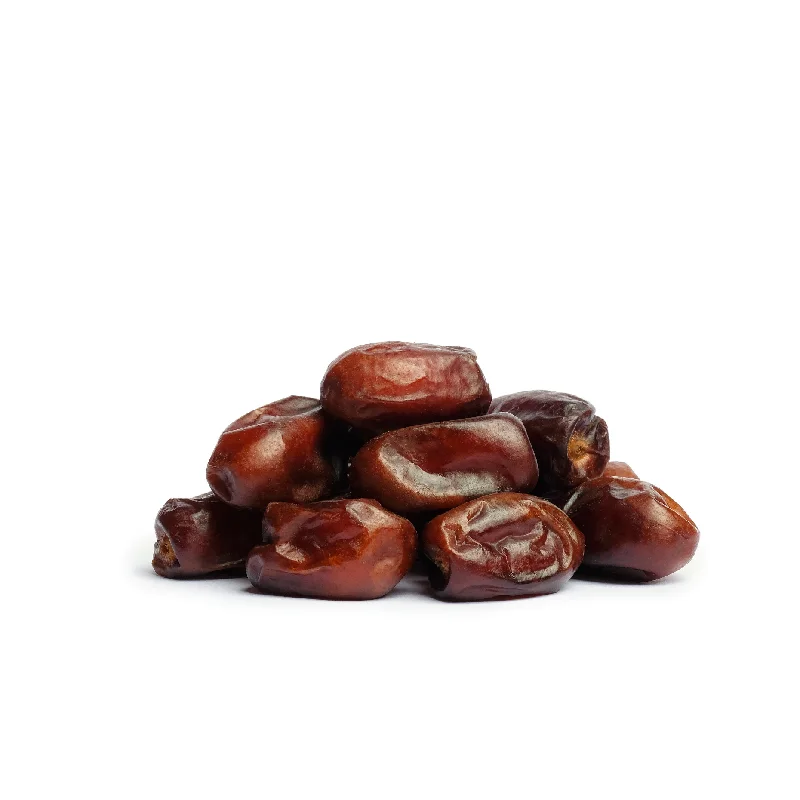
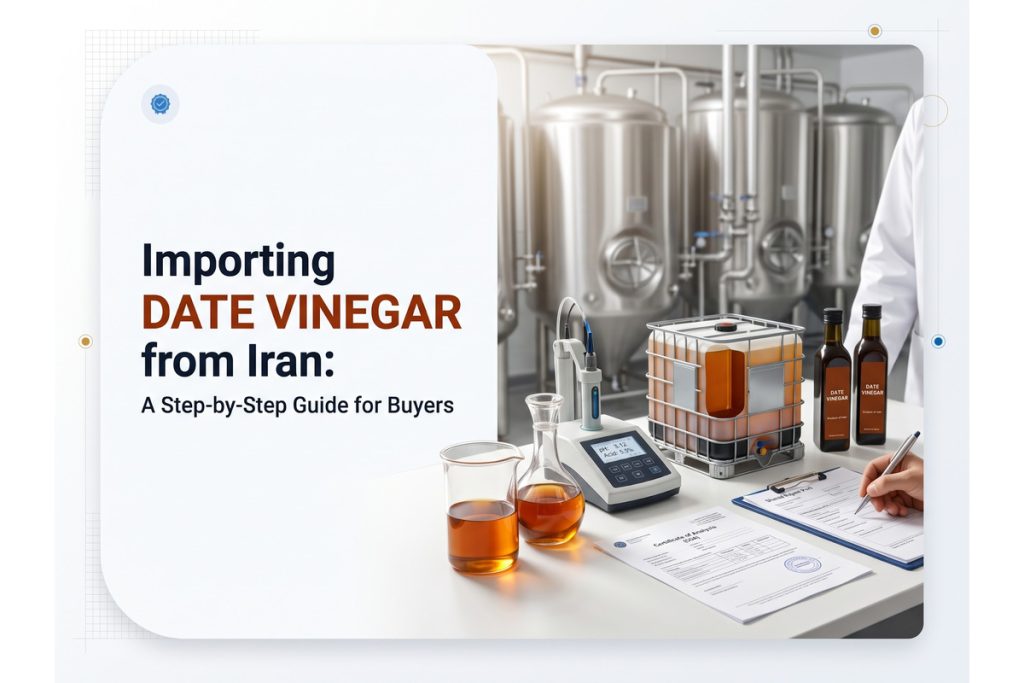
Importing date vinegar from Iran gives commercial food manufacturers, private-label brands, and condiment distributors a cost-effective, naturally fermented alternative to traditional fruit and wine vinegars. As the world’s second-largest producer of dates, Iran generates massive annual harvests of high-sugar cultivars. This agricultural surplus supplies domestic bioreactors with an economical feedstock for natural acetic acid fermentation.
Establishing a direct supply chain with Iranian processors requires a clear grasp of technical specifications, compliant banking routes, export documentation, and container logistics through southern ports. This guide covers the operational steps needed to buy date vinegar from Iran safely and efficiently.
Why Import Date Vinegar from Iran?
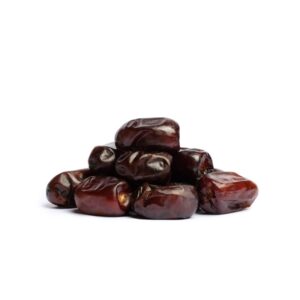
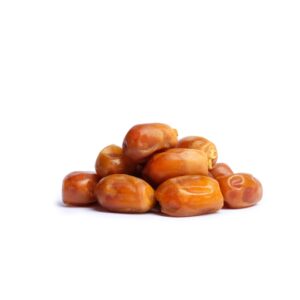
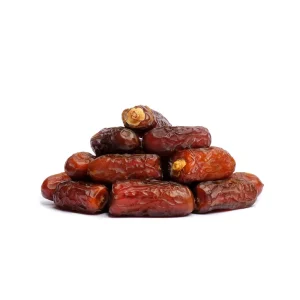
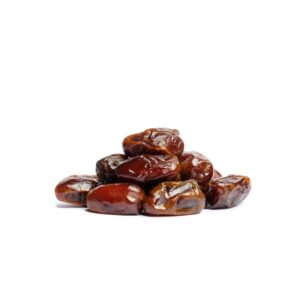
Iran offers the lowest cost per metric ton for natural fruit vinegar due to its raw material surplus, low processing costs, and continuous submerged fermentation capacity. Industrial vinegar production in Iran relies on semi-dry processing varieties like Sayer, Kabkab, and Zahedi rather than fresh table fruit. These varieties contain natural sugar levels exceeding 70% by dry weight, which allows efficient conversion to alcohol and subsequent acetification without adding sugar or synthetic chemicals.
Sourcing from an integrated bulk date vinegar supplier in Iran provides distinct commercial advantages:
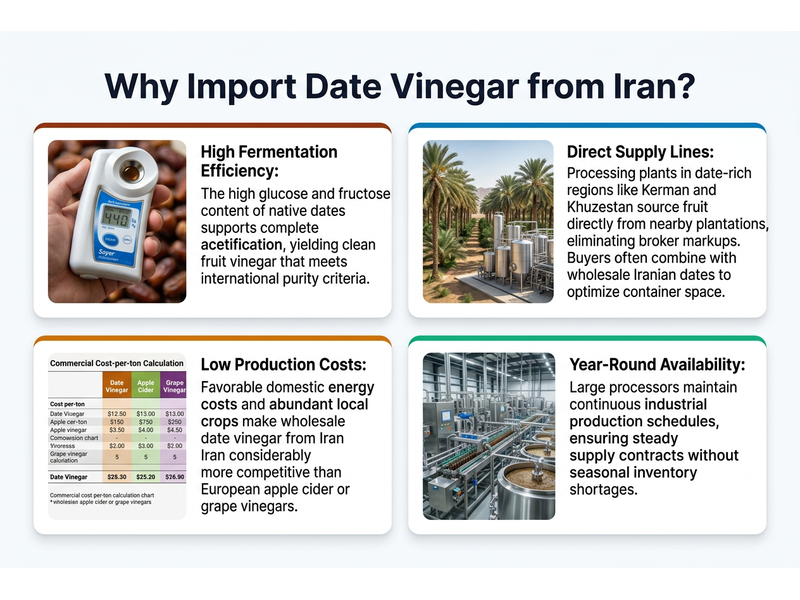
- High Fermentation Efficiency: The high glucose and fructose content of native dates supports complete acetification, yielding clean fruit vinegar that meets international purity criteria.
- Direct Supply Lines: Processing plants in date-rich regions like Kerman and Khuzestan source fruit directly from nearby plantations, eliminating broker markups. Buyers often combine shipments with wholesale Iranian dates to optimize container space.
- Low Production Costs: Favorable domestic energy costs and abundant local crops make wholesale date vinegar from Iran considerably more competitive than European apple cider or grape vinegars.
- Year-Round Availability: Large processors maintain continuous industrial production schedules, ensuring steady supply contracts without seasonal inventory shortages.
Types and Quality Specifications
Iranian processors supply 3 distinct product formats to international markets, depending on whether the buyer produces retail condiments, industrial dressings, or functional health tonics alongside ingredients like date paste and derivatives.
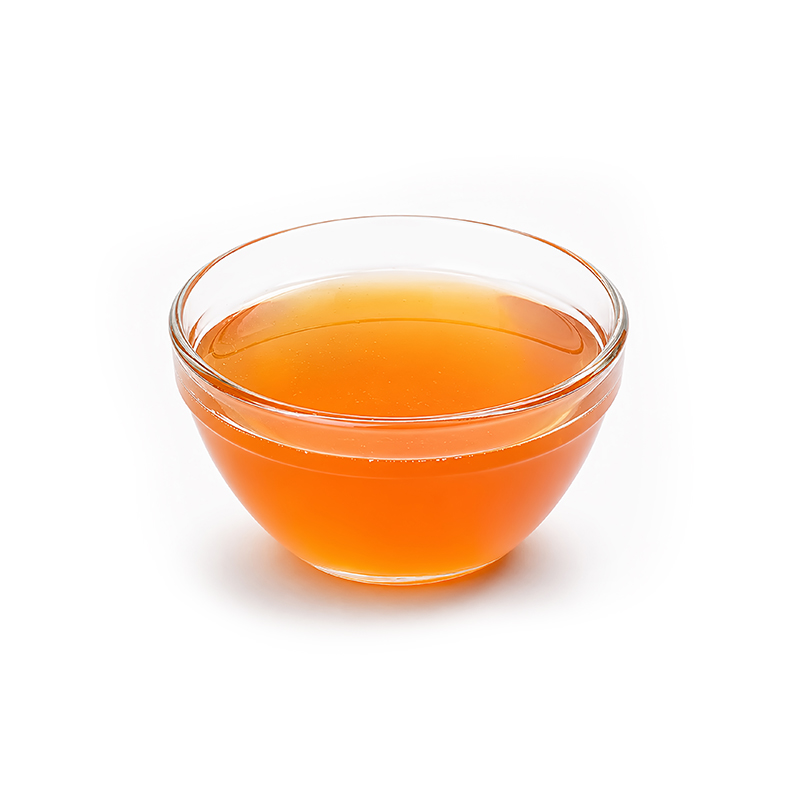
- Filtered and Pasteurized Date Vinegar: A clear, polished amber liquid that has been microfiltered and heat-stabilized. It is the primary choice for retail bottling, industrial sauces, and commercial pickling where clarity and long shelf life are required.
- Raw Unfiltered Date Vinegar (With Mother): An unpasteurized, cloudy liquid containing active bacterial cultures, enzymes, and suspended fruit solids. It serves health food brands and dietary supplement packers looking for a functional alternative to raw apple cider vinegar.
- Date Balsamic Vinegar: A dense, dark condiment made by blending concentrated date syrup with matured date vinegar. With a Brix level of 25.0° to 35.0°, it offers a balanced sweet-and-sour profile suited for glazes and foodservice use.
International trade contracts must define physical and chemical limits based on accredited laboratory testing:
| Parameter | Standard Export Range | Test Method | Commercial Significance |
|---|---|---|---|
| Titratable Acidity | 4.0% – 6.0% (as Acetic Acid) | AOAC 942.15 Titration | Primary pricing factor and preservation standard |
| Brix Level | 6.0° – 12.0° (Standard) / 25.0° – 35.0° (Balsamic) | Optical Refractometry | Measures dissolved fruit solids and flavor density |
| pH Level | 2.8 – 3.4 | Digital pH Meter | Ensures microbial stability and sensory balance |
| Color & Appearance | Clear Amber to Dark Brown | Visual Inspection | Confirms proper filtration and no scorched sugars |
| Residual Ethanol | Below 0.5% (v/v) | Gas Chromatography | Confirms Halal compliance and complete fermentation |
| Heavy Metals (Pb, As) | Lead < 0.1 mg/kg, Arsenic < 0.1 mg/kg | ICP-MS | Confirms product safety and clean soil origins |
| Additives | 0.0% Synthetic Acid or Colorants | Carbon-13 Isotope Testing | Guarantees clean-label fruit origin |
These parameters reflect the Codex Alimentarius Standard for Vinegar (CXS 162-1987), which defines fruit vinegar as a product obtained through the double fermentation of sugars from agricultural sources, requiring at least 50 grams of total acid per liter. Buyers should verify titratable acidity carefully, as lower grades are often over-diluted with water.
How to Vet a Bulk Date Vinegar Supplier in Iran
Vetting an Iranian supplier requires verifying their manufacturing license with the Iran Food and Drug Administration (IFDA) and validating their corporate registration through the national chamber of commerce. Dealing directly with primary manufacturers avoids the quality variance and legal exposure associated with informal trading intermediaries.
Use this operational checklist when evaluating potential partners:
- Operating Credentials: Confirm the factory holds an active IFDA manufacturing license (Sebac code) authorizing food production for export.
- Corporate Verification: Check the supplier’s National Commercial ID with the Iran Chamber of Commerce, Industries, Mines, and Agriculture (ICCIMA) to ensure the entity is in good standing.
- Equipment Standards: Verify that the facility uses food-grade AISI 316 stainless steel fermentation tanks, clean-in-place (CIP) sanitation systems, and modern automated bottling or drum-filling lines.
- Traceable Processing Location: Authentic producers operate industrial facilities in primary agricultural hubs like Bam, Rafsanjan, or Ahvaz, rather than rented commercial offices in distant cities.
Required Certifications and Sample Testing
Before placing a commercial order, require the supplier to present recognized food safety certifications:
- ISO 22000 and HACCP: Proves systematic hygiene control throughout fermentation, filtration, and bulk packing.
- IFDA Health Certificate: Confirms government inspection and fitness for human consumption.
- Halal Certification: Verifies residual alcohol levels remain below 0.5%, meeting regional regulatory requirements.
When evaluating samples, request two 500 ml bottles taken directly from an active production lot. Send one sample to an independent testing facility like SGS or Eurofins to test titratable acidity, Brix, and heavy metals. Standard commercial practice expects the supplier to provide product samples at no cost, while the buyer covers international courier charges, which are typically credited against the first full container order.
Commercial Terms: Pricing, MOQ, and Incoterms
Commercial negotiations must establish clear order minimums, unit pricing tiers, and delivery terms to prevent unexpected freight and port expenses.
Minimum Order Quantities
For bulk shipments in 200-liter drums or 1,000-liter intermediate bulk containers (IBC totes), the minimum order quantity for palletized cargo is 1 to 2 metric tons. However, ordering a full 20-foot container (FCL), which carries 18 to 20 metric tons, yields the lowest freight cost per liter. For private-label bottled goods, production minimums usually begin at 5,000 to 10,000 units.
Pricing Factors
The price per ton depends on titratable acidity, packaging type, and raw crop seasonality. A 6.0% acidity specification costs more than a 4.0% table-grade product because it requires higher fruit input and longer fermentation. New, food-grade HDPE drums or IBC totes carry higher unit costs than simple bulk flexitanks. Prices are generally lowest during the post-harvest processing window from October to January.
Selecting Incoterms 2020
- FOB Bandar Abbas: Best for experienced importers who have direct contracts with international container shipping lines. The supplier clears Iranian export customs and loads the cargo onto your designated vessel at Shahid Rajaee Port.
- CFR or CIF Destination Port: Recommended for buyers who prefer the seller to handle ocean freight and marine insurance to the arrival port.
- Avoid EXW (Ex Works): Foreign buyers cannot easily manage export customs clearance or domestic trucking within Iran without a registered domestic commercial card.
How to Arrange Secure International Payments
International buyers settle payments securely through registered third-country trading subsidiaries in regional hubs like Dubai or Muscat using standard commercial wire transfers. Agricultural commodities and foodstuffs are widely recognized under humanitarian exemptions in international sanctions frameworks, including U.S. OFAC provisions and European Union trade regulations.
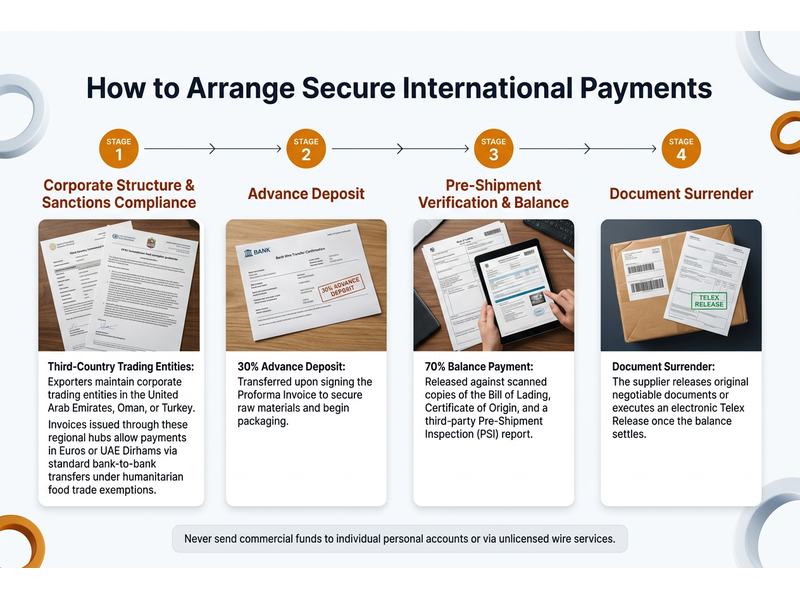
Because direct SWIFT connections to domestic Iranian banks are unavailable, Iranian exporters maintain corporate trading entities in the United Arab Emirates, Oman, or Turkey. Contracts and commercial invoices are issued through these regional companies, allowing payments in Euros or UAE Dirhams via standard bank-to-bank transfers.
A balanced payment structure follows standard commercial milestones:
- 30% Advance Deposit: Transferred upon signing the Proforma Invoice to secure raw materials and begin packaging.
- 70% Balance Payment: Released against scanned copies of the Bill of Lading, Certificate of Origin, and a third-party Pre-Shipment Inspection (PSI) report.
- Document Surrender: The supplier releases original negotiable documents or executes an electronic Telex Release once the balance settles.
Never send commercial funds to individual personal accounts or via unlicensed wire services.
Mandatory Export Documentation
Clear, identical descriptions across all export papers are essential to prevent border delays and demurrage costs. The export documentation package must include:
- Commercial Invoice: Lists unit prices, total value, Incoterms, and the correct tariff code: HS Code 2209.00.
- Packing List: Details gross, tare, and net weights, container numbers, and pallet dimensions.
- Certificate of Origin: Issued and certified by the ICCIMA to verify Iranian manufacturing origin.
- Phytosanitary & Health Certificate: Issued by the IFDA and national agricultural authorities to confirm human consumption safety.
- Certificate of Analysis (COA): Verifies chemical parameters, acidity, and microbial test results for the specific batch.
- Bill of Lading: A clean on board ocean bill confirming cargo receipt by the shipping line.
- Pre-Shipment Inspection Certificate: Prepared by an independent surveyor like SGS or IEI, confirming quantity, seal numbers, and packaging condition before departure.
The cargo description must match word-for-word on the invoice, certificate of origin, and bill of lading. A minor discrepancy can cause destination customs to hold the shipment.
Packaging and Ocean Freight Logistics
Ocean shipments depart from Shahid Rajaee Port at Bandar Abbas, the country’s primary container gateway on the Persian Gulf. Standard pasteurized date vinegar is chemically stable and acidic, meaning it does not require refrigerated (reefer) containers. However, dry containers should be fitted with thermal insulation liners during hot summer months to protect the cargo from thermal stress and drum deformation.
Bulk packaging options include:
- 1,000-Liter IBC Totes: Built with food-grade HDPE bottles inside galvanized steel frames. A standard 20-foot container holds 18 to 20 totes, making it the most cost-effective format for industrial factories.
- 200 to 220-Liter HDPE Drums: Heavy-duty, tight-head polymer drums loaded 4 to a pallet. An FCL fits 80 drums (around 17.6 metric tons), offering manageable handling for facilities without tote docks.
- Retail Packaging: 250 ml and 500 ml glass or PET bottles packed into 5-ply export master cartons and shrink-wrapped onto pallets.
Estimated ocean transit times from Bandar Abbas:
- Persian Gulf Ports (Jebel Ali, Sohar): 2 to 5 days.
- Indian Subcontinent (Nhava Sheva, Mundra): 7 to 10 days.
- Southeast Asia (Port Klang, Singapore): 18 to 25 days.
- European Ports (Rotterdam, Valencia): 25 to 35 days (via transshipment).
Destination Customs Clearance
Clearing date vinegar requires early submission of the import filing through your local customs broker. Classify the shipment under HS Code 2209.00, which covers fermented vinegars and their edible substitutes.
File required advance notices with national food safety authorities, such as FDA Prior Notice in the United States, TRACES notification in the European Union, or FSSAI registration in India.
Every bulk drum, tote, or retail carton must carry clear labels showing the product name, exact titratable acidity, batch number, production and expiration dates, manufacturer address, and the mark: “Made in Iran.”
Common Importer Mistakes to Avoid
- Skipping Pre-Shipment Inspection: Never rely entirely on an initial factory sample. Always hire an independent inspection agency to verify product quality and take composite samples directly from the loaded shipping container.
- Omitting Minimum Acidity Levels in Contracts: Stating only “Date Vinegar” on purchase orders risks receiving weak, diluted product. Always state the precise minimum acidity level, such as “Titratable Acidity: Minimum 5.0% as Acetic Acid.”
- Using Reconditioned Drums: Used drums can leak or contaminate acidic vinegar. Specify brand-new, food-grade HDPE drums with acid-resistant gaskets in your contract.
- Allowing Document Mismatches: Inconsistent company names or product titles between the Bill of Lading and Certificate of Origin cause customs clearance holds and storage fees. Always review draft documents before official issuance.
Requesting a Quote or Sample
Amin Farms operates processing facilities in the date-growing regions of Bam and Rafsanjan, supplying high-volume date vinegar with verified chemical specifications and complete batch traceability.
When preparing your inquiry, include your target volume, required acidity percentage, packaging preference (drums, IBC totes, or retail bottles), and destination port. To review certificates of analysis or arrange laboratory testing samples, contact our export team directly.
Frequently Asked Questions
Is it legal to import date vinegar from Iran under international sanctions?
Yes, food and agricultural products are exempt under humanitarian trade provisions when transactions are settled through authorized third-country channels.
What is the standard minimum order quantity for bulk date vinegar?
The standard minimum order quantity is 1 to 2 metric tons for palletized shipments and 18 to 20 metric tons for a full 20-foot container.
How long does ocean shipping take from Bandar Abbas?
Transit times range from 2 to 5 days for Gulf ports, 7 to 10 days for India, and 20 to 35 days for Europe and Southeast Asia.
Does bulk date vinegar require refrigerated shipping containers?
Standard pasteurized date vinegar does not require refrigerated containers because its natural acidity keeps it stable at ambient temperatures.
Sourcing Summary
Importing date vinegar from Iran offers distinct cost advantages for industrial food businesses when quality specifications and export procedures are properly managed. By defining clear acidity levels, selecting heavy-duty bulk packaging, using compliant regional payment routes, and securing verified export documentation, buyers can build a dependable, high-margin supply pipeline from one of the world’s most productive date-growing regions.
Related Products