
Iranian dates export can generate strong margins when quality, freight, duties, and cash-flow exposure are calculated before purchase. The Cost of Importing Dates from Iran is not only the farm quote; it is the landed cost per kilogram. In this article, we will explain exactly how to calculate the cost of importing dates from Iran, covering product pricing, shipping methods, tariffs, and hidden logistics expenses so you can plan your budget accurately.
Key Factors That Affect Date Import Costs
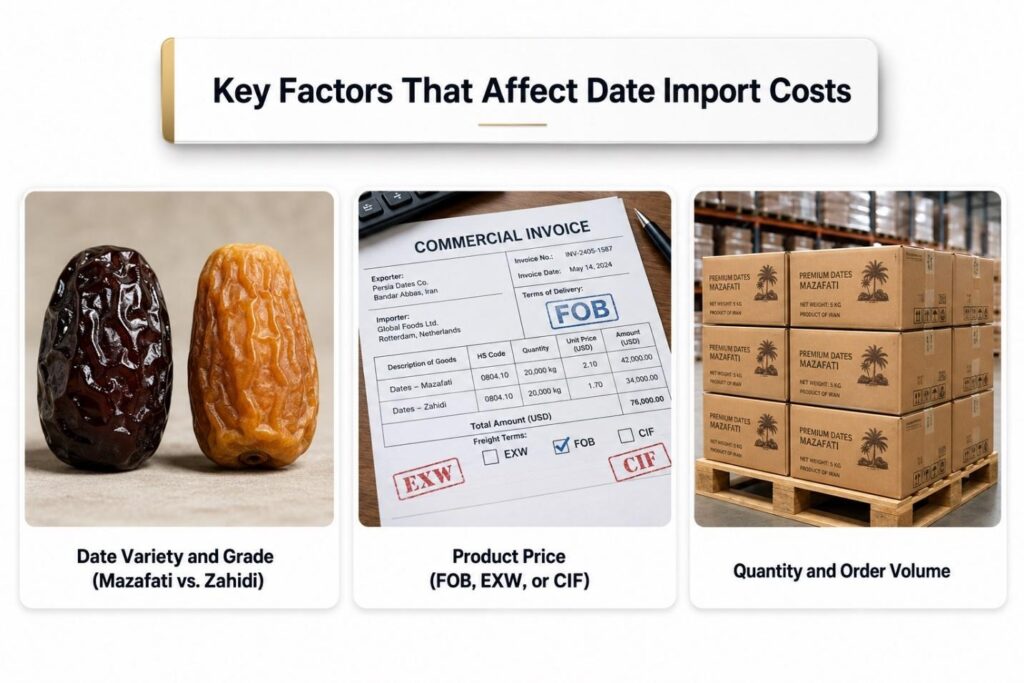
The baseline price of wholesale Iranian dates depends on variety, grade, packaging, Incoterms, volume, currency, and payment terms.
Date Variety and Grade (Mazafati vs. Zahidi)
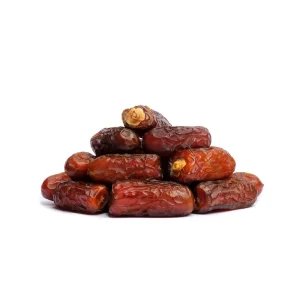
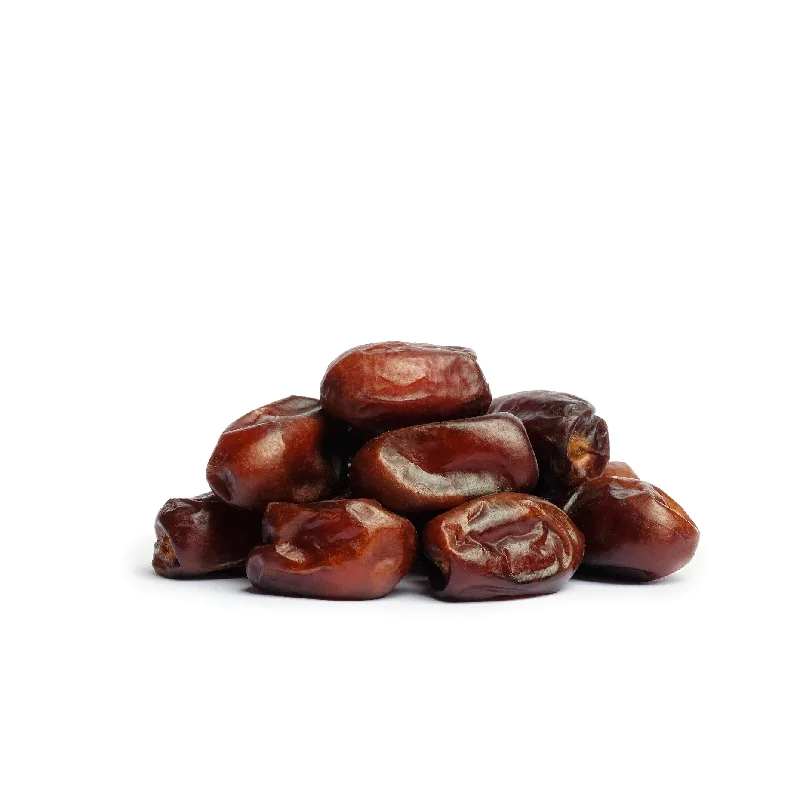
Variety changes the Cost of Importing Dates from Iran because each cultivar has a different farm price, moisture level, shelf life, and handling need. Mazafati is a premium high-moisture date from Bam, so it often needs cold-chain handling. Zahidi is drier, firmer, and more cost-effective for bulk buyers, processors, and long-distance storage. For Iranian dates export, grade also matters: uniform size, clean skin, and low defect rate raise the price but reduce claims.
Product Price (FOB, EXW, or CIF)
Incoterms are standardized international trade terms that define when costs, responsibilities, and risk transfer from seller to buyer in a cross-border sale.
In plain English, check what the supplier quote includes. EXW means the dates are available at the farm or warehouse, and you arrange nearly everything. FOB means the supplier loads the cargo onto the vessel at Bandar Abbas. CIF means the seller covers freight and insurance to your destination port. For the Cost of Importing Dates from Iran, FOB is often the cleanest comparison base.
Quantity and Order Volume
Order volume affects per-kilogram cost more than many first-time buyers expect. A Full Container Load (FCL) spreads documentation, customs, trucking, and port charges across more cartons. A Less than Container Load (LCL) can test wholesale Iranian dates, but shared-container fees make the Cost of Importing Dates from Iran higher per kg. Regular importers usually gain better margins with FCL.
Packaging and Labeling Requirements
Packaging changes factory cost and destination cost. Bulk 5 kg or 10 kg cartons keep the initial price low and suit distributors and food manufacturers. Retail-ready 500 g branded boxes increase upfront cost through printing, barcodes, and labor, but they can reduce repacking and relabeling after arrival.
Currency Exchange Rates and Payment Terms
Most Iranian suppliers peg export prices to USD, EUR, or AED, even when local costs are in rial. This protects the seller but creates exchange-rate exposure for the buyer. Payments through third-country intermediaries, commonly the UAE or Oman, may add banking and transfer fees. Confirm stable terms before buying wholesale Iranian dates for multi-month supply.
Shipping and Logistics Costs
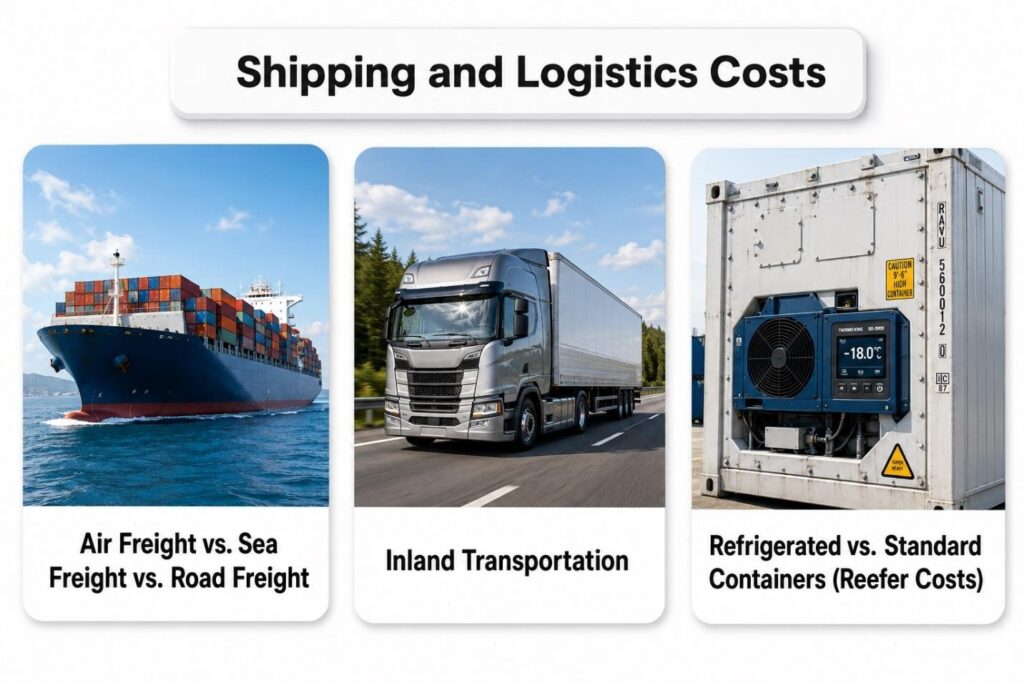
The logistics phase of shipping dates from Iran starts at the farm gate and ends when cargo is released at your warehouse.
Air Freight vs. Sea Freight vs. Road Freight
Air freight is fast but rarely economical for commercial loads; it is mainly used for samples. Sea freight from Bandar Abbas is standard for intercontinental buyers because it offers the lowest cost per kilogram at scale. Road freight through Turkey is efficient for nearby markets and many European buyers. In 2026, volatile container rates made lane-specific quotes essential for shipping dates from Iran.
Inland Transportation
Inland transport moves dates from production regions to Iran’s customs terminals, exit borders, or seaports. Mazafati often moves from Bam or Kerman-area packing houses. Other varieties may move from Khuzestan, Fars, Bushehr, or Hormozgan. This trucking cost should be quoted separately under EXW, included in FOB, or checked inside CIF.
Refrigerated vs. Standard Containers (Reefer Costs)
A reefer container is a multi-modal freight container equipped with temperature-control systems for perishable or temperature-sensitive cargo.
Simply put, it is a refrigerated container. High-moisture dates such as Mazafati usually require 0–5°C storage and transport, which raises freight cost because reefers need power and monitoring. A practical budget should allow reefer freight to cost about 20–30% more than a dry container. Dry Piarom and Zahidi can often move in standard containers.
Cargo Insurance and War Risk Premiums
Marine cargo insurance is a policy that protects freight against physical loss or damage during sea, road, rail, or multimodal transport.
For shipping dates from Iran, insurance should cover the invoice value, freight, and an agreed uplift. In 2026, tensions around the Persian Gulf and the Strait of Hormuz caused temporary war-risk premiums and emergency surcharges. These charges can change quickly, so request written confirmation before finalizing the Cost of Importing Dates from Iran.
Customs Duties and Import Taxes
Legal cross-border taxes can change the final budget, and date import duties must be checked before the shipment leaves Iran.
Understanding HS Codes for Dates (080410)
The Harmonized System Code is a standardized numerical method of classifying traded products, developed and administered by the World Customs Organization.
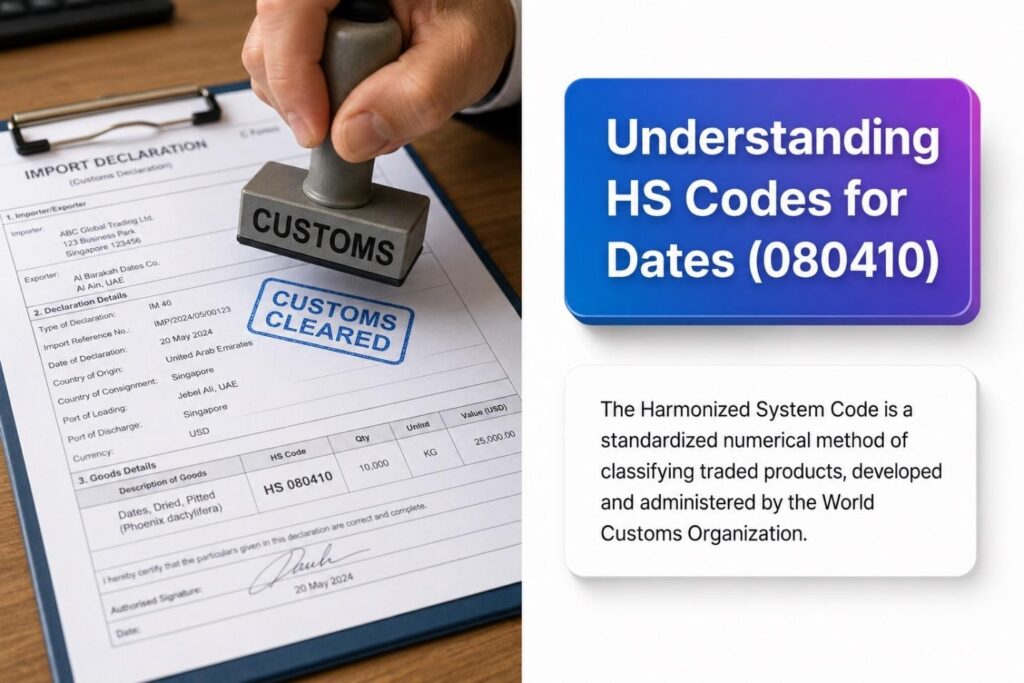
In plain terms, customs uses HS codes to decide what the product is and what duty applies. The global base HS Code 080410 covers fresh or dried dates. National sub-codes may specify varieties; Iranian trade references commonly use 08041040 for Mazafati and 08041060 for Zahidi. Correct HS Code 080410 classification reduces customs disputes, wrong date import duties, and clearance delays.
Import Tariffs
Import tariffs depend entirely on the destination country. Some markets grant 0% duty for certain agricultural imports under trade agreements. Others apply a Most Favored Nation (MFN) tariff. Always verify the exact rate with local customs using HS Code 080410 and the full national tariff line. Wrong assumptions can make the Cost of Importing Dates from Iran look profitable on paper but uncompetitive after clearance.
VAT and Local Taxes
VAT is usually applied to the customs value, commonly CIF value plus import duty and eligible local charges. Many countries reduce VAT for essential food items, but the rate is not universal. Model VAT as a cash-flow cost even when it is recoverable later, especially for wholesale Iranian dates sold through distributors.
Customs Clearance Fees
Customs clearance fees are paid to brokers, inspection agents, and port providers to release the shipment legally. They cover entry filing, document checking, phytosanitary coordination, and release procedures. They are often flat or semi-fixed, so they affect smaller shipments more. Include them when comparing FCL and LCL date import duties.
Step-by-Step Formula for Calculating Total Import Cost
Use a landed-cost formula before issuing the purchase order, not after the cargo arrives.
| Cost item | What to include |
|---|---|
| Supplier Price | EXW, FOB, or CIF product quote |
| Inland Transport | Farm or warehouse to port/border if not included |
| International Shipping | Sea, road, air, reefer, fuel, and risk surcharges |
| Insurance | Cargo cover plus any war-risk premium |
| Customs Duties & VAT | Calculated under HS Code 080410 and local rules |
| Broker Fees | Customs broker, inspection, and release charges |
(Supplier Price) + (Inland Transport) + (International Shipping) + (Insurance) + (Customs Duties & VAT) + (Broker Fees) = Total Cost of Importing Dates from Iran. Use the formula line by line, convert every item into one currency, divide by net kilograms, and compare landed cost per kilogram.
Example of a Date Import Cost Calculation
Assume a buyer imports a 20 ft FCL of Piarom dates from Bandar Abbas to Europe. The FOB value is USD 28,000. Sea freight, origin charges, and destination handling equal 12%, or USD 3,360. Insurance is 0.5%, or USD 140. A 5% import duty on CIF value equals USD 1,575. Broker and inspection fees total USD 650. Estimated landed cost is USD 33,725 before VAT. This shows why the Cost of Importing Dates from Iran must include freight and clearance.
Hidden Costs to Watch Out For
Hidden costs are small individually but can damage margin together. Demurrage and detention apply when containers stay too long at port or outside the terminal. Currency conversion losses can appear between proforma invoice, deposit, and final payment. Secondary phytosanitary testing may add inspection fees and storage time. Include a contingency in the Cost of Importing Dates from Iran.
Tips to Reduce Date Import Costs
Reduce costs by controlling responsibility, volume, timing, and sourcing. Negotiate FOB instead of EXW when you want the Iranian supplier to manage inland movement and export loading. Maximize container capacity; half-empty containers increase per-kilogram freight. Sign long-term supply contracts before peak demand periods such as Ramadan. Work directly with farms and exporters such as Amin Farms to reduce middlemen margins and secure better planning for Iranian dates export.
Frequently Asked Questions
What Is the Cheapest Shipping Method for Dates?
Sea freight is the most cost-effective method for intercontinental shipping. For neighboring countries or Eastern Europe, direct trucking can be cheaper and faster. The right answer depends on volume, destination, variety, temperature requirement, and urgency when shipping dates from Iran.
How Much Import Duty Applies to Dates?
It varies by destination country. Using HS Code 080410, date import duties may range from 0% under certain trade arrangements to standard agricultural tariffs. Importers must consult their local customs authority before shipment and confirm the full national tariff line.
What Documents Are Required for Importing Dates?
Essential documents include Commercial Invoice, Packing List, Bill of Lading or CMR for road transport, Certificate of Origin, and Phytosanitary Certificate issued by Iranian agricultural authorities. Some buyers also request health certificates, lab tests, insurance certificates, and label documents.
Conclusion
Understanding the Cost of Importing Dates from Iran protects margin and makes Iranian dates export a manageable B2B opportunity. For an accurate landed-cost estimate, contact Amin Farms’ export team for a real-time quote, packaging advice, and logistics consultation based on your destination, volume, and date variety.
Related Products