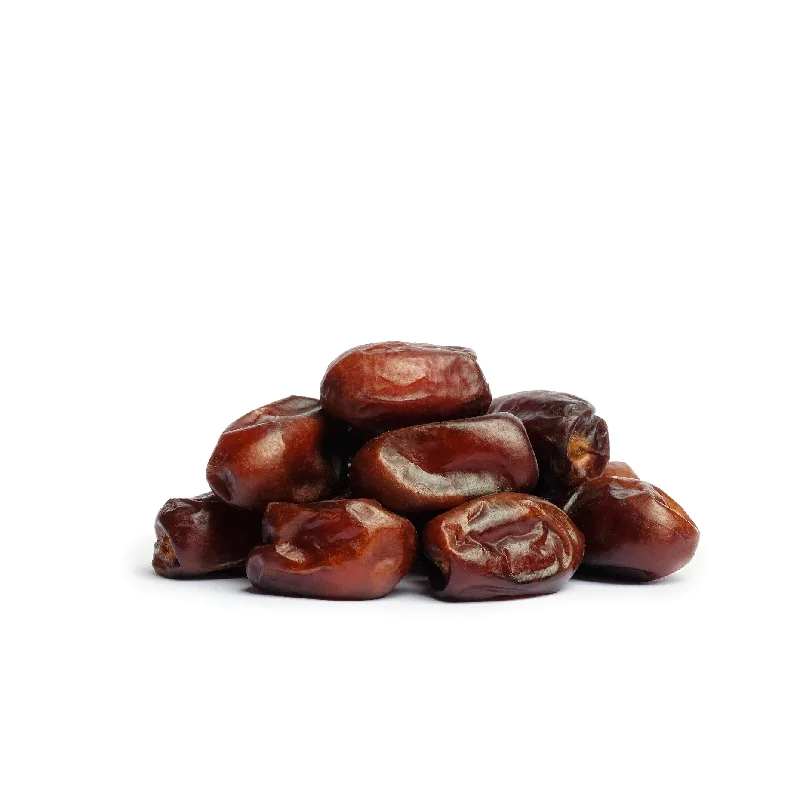
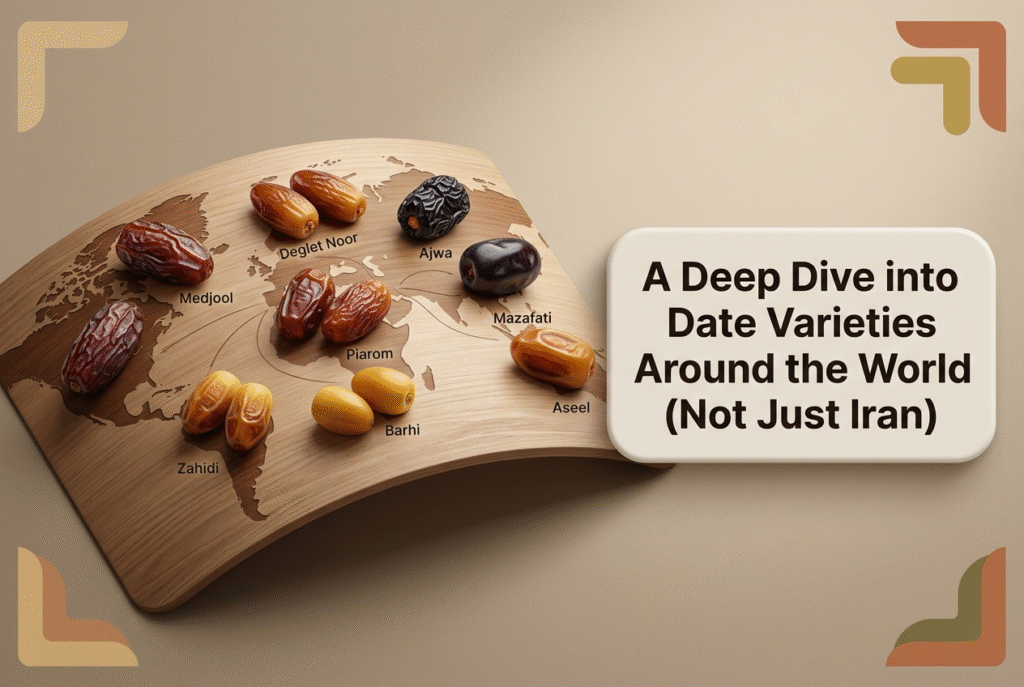
Phoenix dactylifera includes hundreds of named cultivars shaped by long-term selection for fruit size, sugar profile, texture, storage behavior, and adaptation to arid production systems. This diversity matters to growers, traders, processors, and consumers because cultivars differ substantially in moisture at ripeness, postharvest handling needs, and commercial applications. From soft fresh-market types to durable export cultivars, classification is both botanical and practical. In this article,Written by Amin farms team, we will explore the major categories, regional specialties, flavor profiles, and nutritional insights of Date Varieties Around the World.
The Global Importance of Date Palm Cultivation
Date palm cultivation is a core agricultural system in hot arid and semi-arid regions because it converts high heat, irrigation water, and marginal soils into a storable food and tradable crop. It supports farm income, rural employment, processing industries, and export chains across several continents.
Historical Background
Date cultivation began in the broader Mesopotamian region and adjacent areas of the Arabian Peninsula, where early irrigated agriculture enabled domestication and clonal propagation. Archaeobotanical evidence places organized date use several millennia ago, with cultivation then spreading west across North Africa and east into Iran and South Asia. Caravan trade, maritime trade in the Persian Gulf and Indian Ocean, and later colonial-era horticultural exchange moved planting material across ecological zones. Much of the modern diversity seen in Date Varieties Around the World reflects this long history of movement and local selection.
Global Distribution of Date Production
Current production is concentrated in a belt extending from the Middle East to North Africa, with additional commercial centers in the United States, Mexico, Pakistan, South Africa, and Australia. FAO datasets in recent years place Egypt, Saudi Arabia, Algeria, Iran, Iraq, Pakistan, Sudan, and the United Arab Emirates among the major producers by volume. California’s Coachella Valley is the main U.S. production zone, while Sonora and Baja California are strengthening Mexico’s output. The commercial geography of Date Varieties Around the World follows regions with long hot summers, low rainfall during ripening, and reliable irrigation.
| Production Belt | Main Countries | Typical Strength |
| Middle East | Saudi Arabia, Iran, Iraq, UAE, Oman | Large cultivar range, domestic consumption, exports |
| North Africa | Egypt, Algeria, Tunisia, Morocco | High output, established export varieties |
| South Asia | Pakistan | Dry date processing, commercial bulk trade |
| Americas | United States, Mexico | Premium Medjool and specialty market supply |
Major Categories of Date Varieties
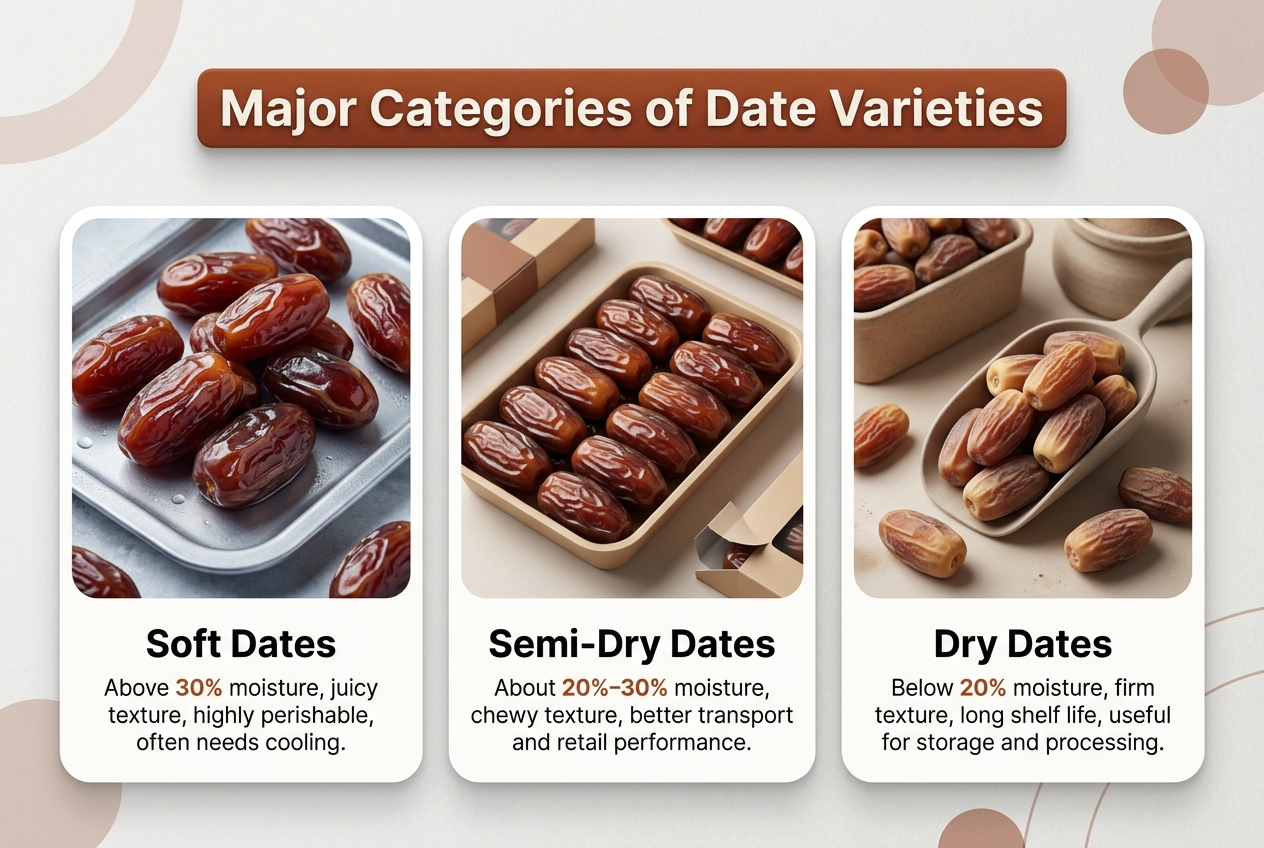
Date cultivars are commonly grouped by moisture content at the Tamar stage, the fully ripe stage used for most trade classifications. This system helps predict perishability, texture, handling requirements, and processing suitability.
Soft Dates
soft dates are cultivars with moisture content above 30% at full maturity, usually with higher perishability and greater susceptibility to physical damage and microbial spoilage if not properly cooled. Simple explanation: these are juicy, tender dates that are easy to bite and often need refrigeration.
Soft categories are important in Date Varieties Around the World because they dominate premium fresh consumption in many markets. They generally have a soft flesh structure, higher invert sugar content, and a shorter commercial window than firmer types.
Semi‑Dry Dates
semi-dry dates contain about 20% to 30% moisture at Tamar and typically develop a firmer exocarp with better transport tolerance. Simple explanation: these are chewy dates that keep their shape well and are practical for regular snacking and retail packing.
This group is commercially important because it balances palatability with shelf stability. Many export-oriented cultivars belong here due to lower packaging losses and easier shipping performance.
Dry Dates
dry dates have moisture content below 20% and a lower water activity (aw), which reduces spoilage risk and extends storage life. Simple explanation: these are hard, dehydrated dates that can remain stable for long periods and are sometimes soaked before use.
Dry classes remain central to Date Varieties Around the World where supply chains favor ambient storage, bulk movement, and processing into powder or cut fruit ingredients.
Famous Date Varieties by Region
Geography strongly affects cultivar performance. Heat units, humidity, soil salinity, and irrigation quality all shape which varieties become dominant in each production zone.
Middle East and North Africa
This region contains many of the most commercially recognized cultivars and several of the oldest cultivation centers.
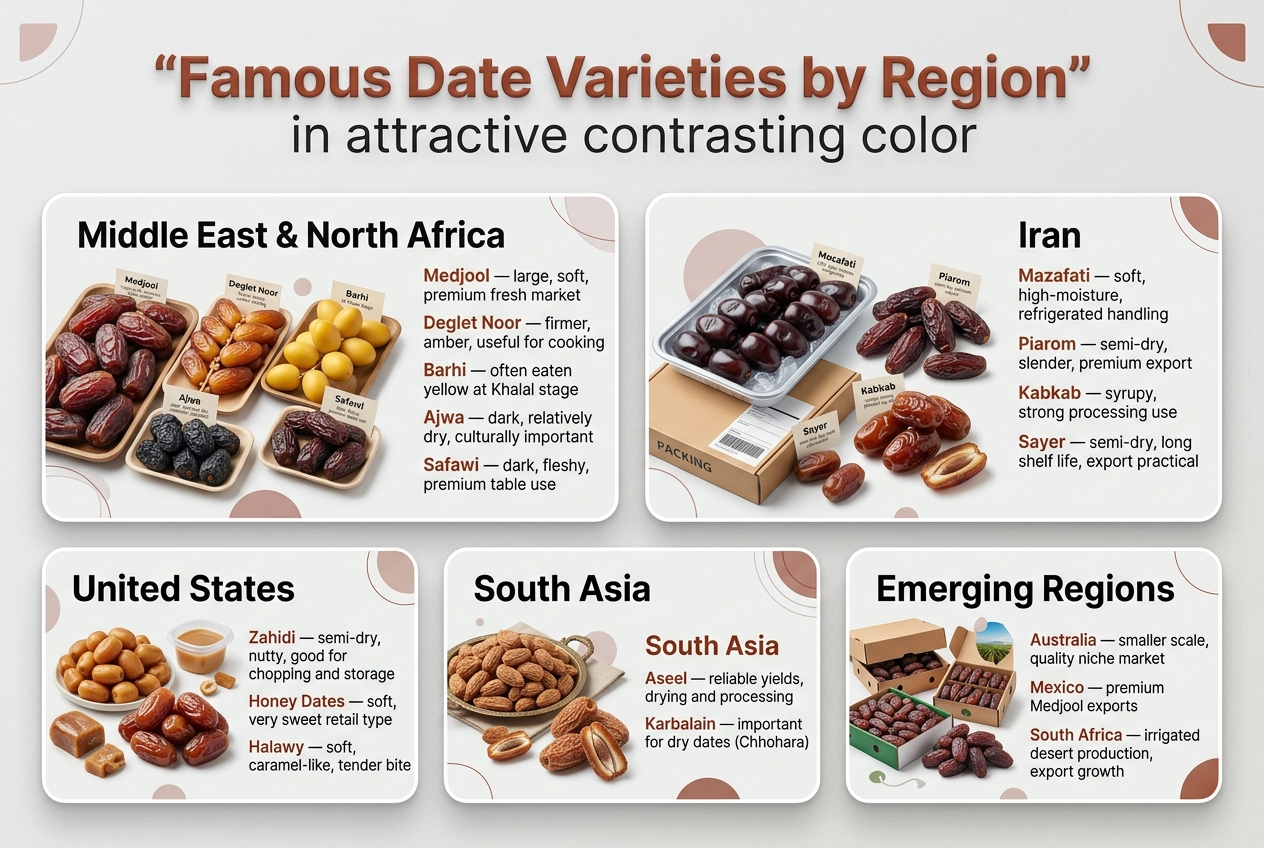
Medjool
Medjool originated in Morocco and is known for its large fruit, amber to reddish-brown skin, and soft dense flesh. It is widely marketed as the “King of Dates” because of its size and premium positioning. It performs well in irrigated desert systems and is used mainly for direct consumption.
Deglet Noor
Deglet Noor is associated primarily with Algeria and Tunisia. It has a firmer texture, elongated shape, and a light amber color that can appear slightly translucent near the seed cavity. Its balanced sweetness and structural firmness make it suitable for cooking, chopping, and bakery use.
Barhi
Barhi is unusual because it is often consumed at the yellow Khalal stage rather than only at full Tamar ripeness. At this stage it is crisp, mildly astringent when less mature, and then rapidly becomes soft and very sweet as sugars invert. It requires careful harvest timing and local cold-chain management.
Ajwa
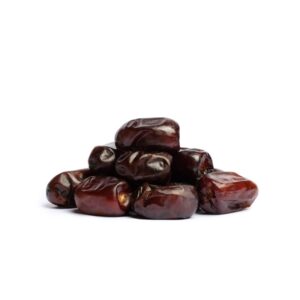
Ajwa is a small to medium cultivar from Saudi Arabia, especially associated with Medina. It is dark brown to nearly black, relatively dry in texture, and culturally important in religious consumption patterns. In trade terms, it is valued for distinct appearance and moderate storage stability.
Safawi
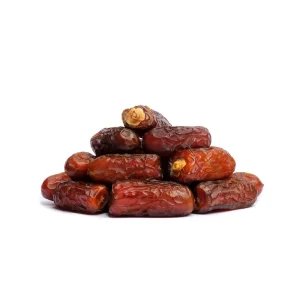
Safawi also originates from Medina. It is dark in color, fleshy, and less dry than Ajwa, with a fuller chew. It is widely sold for table consumption and performs well in premium boxed retail formats.
Iran
Iran has one of the broadest cultivar portfolios in commercial date agriculture, with strong regional specialization.
Mazafati
Mazafati is a high-moisture cultivar centered in the Bam region. It is dark, soft, and highly perishable relative to semi-dry export varieties. Because of its moisture level, it usually requires refrigerated handling and is favored for direct eating rather than long-distance ambient shipping.
Piarom
Piarom is semi-dry, long, slender, and dark-skinned, with flesh closely attached to the seed. It is often marketed as a premium “chocolate date” because of its appearance, though its sweetness is still characteristic of dates rather than cocoa. Its low surface stickiness improves packaging and export performance.
Kabkab
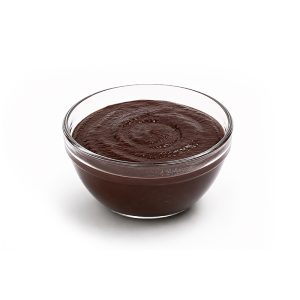
Kabkab is known for a sweet, syrupy profile and substantial use in industrial processing. It is frequently directed to date syrup, paste, and related value-added products because high sugar concentration supports efficient processing.
Sayer
Sayer, also called Estamaran in some trade contexts, is one of Iran’s major export cultivars. Its semi-dry character, relatively low moisture, and long shelf life support bulk shipment, especially for industrial and ingredient markets. It is one of the most commercially practical entries in Date Varieties Around the World.
United States
U.S. date farming is concentrated in desert production systems, especially California, where controlled irrigation and postharvest infrastructure are highly developed.
Zahidi
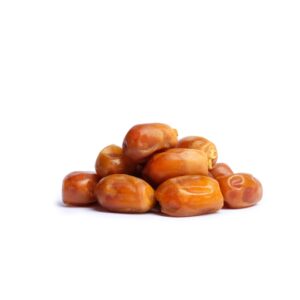
Zahidi is semi-dry, light golden to pale brown, and known for a nutty flavor. Although it originated in the Middle East, it has been cultivated extensively in California. Its lower softness makes it useful for cooking, chopping, and long storage.
Honey Dates
Honey Dates are sold as a soft, very sweet market type with a smooth flesh and pronounced caramel-like profile. In retail practice, the term may refer to selected soft cultivars rather than one strict botanical identity, so buyers should verify packhouse labeling specifications.
Halawy
Halawy is a thick-fleshed, soft cultivar grown in the Coachella Valley and other desert orchards. It has a caramel-like flavor, smaller size than Medjool, and a dense but tender texture. It suits fresh retail packs and confectionery applications where a softer bite is required.
South Asia
South Asian production is closely linked to drying, processing, and regional trade systems.
Aseel
Aseel is Pakistan’s main commercial variety. It is widely cultivated because it delivers reliable yields, good drying performance, and versatility for both table use and processing.
Karbalain
Karbalain is cultivated in parts of Sindh, Pakistan, and is especially important for making dry dates, locally known as Chhohara. Its processing value lies in its capacity to dehydrate effectively and maintain stable structure during storage.
Other Emerging Regions
Newer production regions are expanding where desert irrigation, cultivar transfer, and export logistics are commercially viable.
Australia
Australia grows dates in the Northern Territory and South Australia, where hot inland conditions can support ripening. Production remains smaller than in traditional regions, but quality-oriented niche marketing is developing.
Mexico
Mexico has increased Medjool production in Sonora and Baja California. These areas provide dry heat and irrigation systems comparable to U.S. desert date zones, supporting premium fresh exports.
South Africa
South African cultivation is concentrated along the Orange River. Irrigated desert conditions, export infrastructure, and counter-seasonal market timing have improved its commercial role in Date Varieties Around the World.
Flavor Profiles and Textural Differences
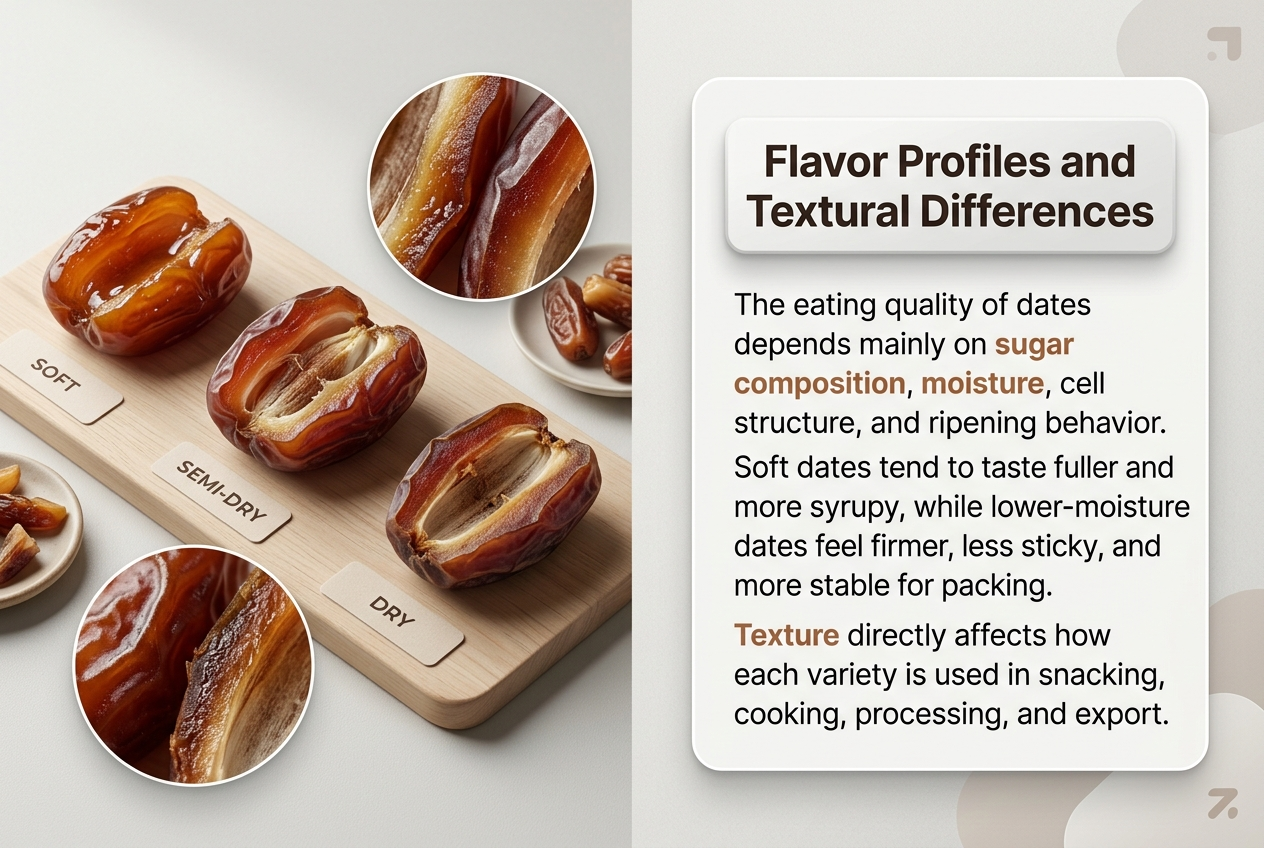
The eating quality of dates depends mainly on sugar composition, moisture, cell structure, and ripening behavior. These factors determine whether a fruit tastes clean and firm, soft and syrupy, or dry and dense.
Sweetness Levels
Dates with higher sucrose proportions, such as Deglet Noor in some maturity conditions, often present a cleaner and less syrupy sweetness. Dates richer in fructose and glucose, such as Barhi and many soft cultivars, taste fuller and more immediate on the palate. This distinction matters in sensory grading and food manufacturing across Date Varieties Around the World.
Moisture Content
Water content directly controls mouthfeel and shelf life. High-moisture dates feel softer and are more vulnerable to fermentation, skin separation, and microbial spoilage without cooling. Lower-moisture dates are firmer, less sticky, and easier to pack and ship over long distances.
Texture and Culinary Uses
Texture should guide culinary selection:
- Soft dates: suitable for baking, pastes, fillings, and smoothies.
- Semi-dry dates: suitable for stuffing, chocolate coating, chopping, and snack packs.
- Dry dates: suitable for long storage, milling, and rehydrated cooking use.
Nutritional Insights Across Varieties
Date nutrition is broadly similar across cultivars, but measurable differences appear in mineral content, fiber structure, and phenolic compounds. These differences are useful for food labeling and product positioning, but they do not justify exaggerated health claims.
Mineral Content
Most cultivars provide potassium as the dominant mineral, with meaningful but smaller amounts of magnesium and copper. Exact values vary by cultivar, soil conditions, irrigation water, and ripeness. Semi-dry and dry forms often show higher nutrient concentration per 100 grams simply because they contain less water.
Fiber Levels
Dates contain both insoluble and soluble dietary fiber. Insoluble fiber supports stool bulk, while soluble fractions contribute modestly to viscosity and slower gastric emptying. Variety, processing, and stage of ripeness influence total fiber concentration.
Antioxidant Properties
Dates contain flavonoids, carotenoids, and phenolic acids, though the profile changes by cultivar and maturity stage. Darker cultivars often show stronger phenolic readings in laboratory assays, but the practical nutritional effect depends on serving size and overall diet.
Glycemic Index Variations
Different cultivars can affect post-meal blood glucose differently because fructose-to-glucose ratios, fiber, and moisture vary by type. In general, varieties with relatively higher fructose proportions may produce a somewhat different glycemic response than cultivars dominated by rapidly available glucose. However, portion size remains the main practical factor. For buyers evaluating Date Varieties Around the World for health-oriented retail, cultivar-specific laboratory data is preferable to generic assumptions.
How Climate and Soil Shape Date Varieties
Date palm performance depends on stable heat, low humidity during ripening, compatible soil structure, and controlled irrigation. Cultivar success is therefore highly location-specific.
Environmental Factors
Date palms require long, hot summers for proper fruit development and sugar accumulation. Low rainfall and low humidity during the ripening period reduce cracking, fungal issues, and fruit spoilage. Excess humidity near harvest can severely reduce packout quality.
Soil Composition
Phoenix dactylifera tolerates salinity better than many fruit crops, but productivity is strongest in well-drained sandy loam with sufficient rooting depth. Poor drainage increases root stress and can reduce fruit size and bunch quality.
Irrigation Methods
Drip irrigation improves water-use efficiency, fertigation control, and consistency of yield compared with traditional flood irrigation. Flood systems can still be effective, but they often create greater variability in soil moisture and nutrient distribution. Modern orchard management increasingly uses drip systems to standardize quality in Date Varieties Around the World.
Choosing the Right Date Variety for Different Uses
The correct variety depends on sales channel, storage conditions, processing method, and shipping distance. Buyers should match cultivar traits to end use rather than selecting by name alone.
Fresh Consumption
For direct eating, Medjool and Mazafati are strong options because they offer softness, high palatability, and immediate table appeal. They are best when cold-chain handling is available.
Industrial and Processed Products
For syrup, sugar, paste, and bulk ingredient use, Sayer and Kabkab are efficient choices due to sugar concentration, availability, and processing suitability. Uniformity and Brix level matter more than visual perfection in this segment.
Export Markets
Semi-dry and dry varieties are generally preferred for international shipping because they tolerate handling stress, need less refrigeration, and show lower spoilage risk. For this reason, many bulk buyers prioritize firmer Date Varieties Around the World with proven shelf stability.
Future Trends in Date Cultivation and Breeding
The industry is moving toward standardized planting material, better orchard control, and cultivar selection based on export performance, disease tolerance, and water efficiency.
Tissue Culture and Micropropagation
Laboratories now use tissue culture and micropropagation to clone elite palms from carefully selected mother plants. This method helps multiply high-yield, uniform, and disease-screened material faster than relying only on natural offshoots. It also supports international orchard establishment by supplying genetically consistent plants for modern production systems.
Conclusion
Date cultivars differ in moisture, sugar composition, texture, storage behavior, and regional suitability. These differences affect everything from orchard management and harvest timing to export logistics and culinary use. Understanding Date Varieties Around the World is therefore essential for growers, importers, processors, and informed consumers. As desert agriculture modernizes and new production zones expand, the global date industry will continue to grow in scale, specialization, and cultivar diversity.
Related Products