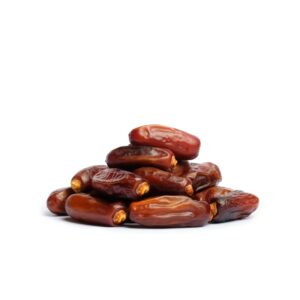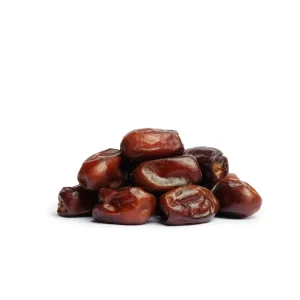
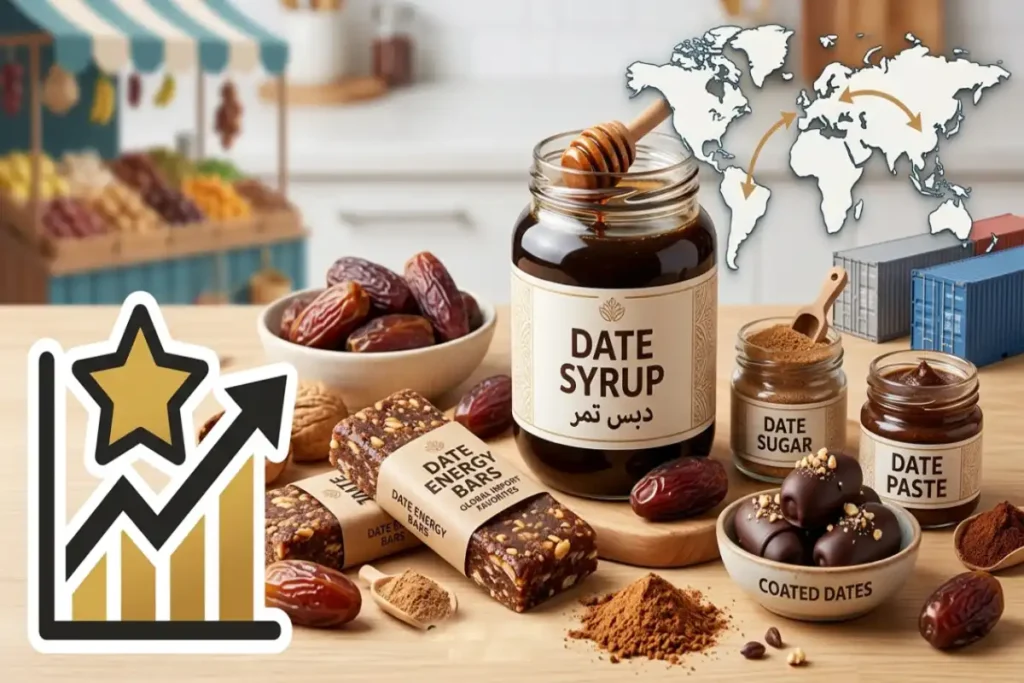
Date processing is now a practical part of global ingredient sourcing, as buyers look beyond whole dates and ask for syrups, pastes, powders, seed oils, and other usable derivatives. These products support cleaner-label foods, beverage innovation, cosmetic formulations, and feed applications while improving crop use. This article explains the Best date Side Products for importers, their uses, demand drivers, and the checks needed before placing bulk orders internationally today safely.
Introduction to the Global Date By-Product Industry
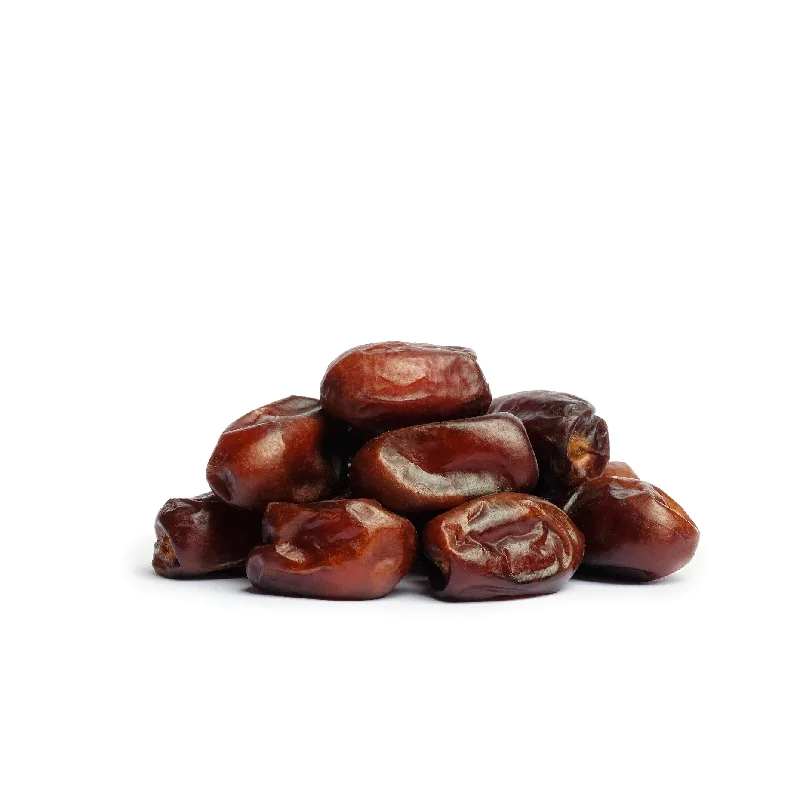
Date side products are secondary or value-added products made from whole dates, lower-grade dates, date pulp, syrup extraction residues, date seeds, and processing waste.
In simple business terms, they convert non-premium fruit and residues into commercial ingredients. The main examples are date syrup, date paste, date sugar, date powder, date seed oil, date seed coffee, date molasses, and feed materials.
Global date production is around 9–10 million metric tons per year, with major producers including Egypt, Saudi Arabia, Iran, Algeria, Iraq, the UAE, and Tunisia. This volume creates a strong base for processing. The Best date Side Products are growing because buyers want natural sweeteners, clean-label ingredients, plant-based snacks, and better waste use.
Why Date Side Products Matter in Food and Industrial Markets
Date side products matter because they reduce waste and increase commercial value from the same crop.
Damaged, undersized, or lower-grade dates can still be processed into syrup, paste, powder, molasses, or feed ingredients. Date seeds and pulp residues are also used more often instead of being discarded.
For exporters, this creates more product lines and more stable revenue. For importers, it creates flexible sourcing options across food, beverages, cosmetics, and agriculture. Buyers looking for the Best date Side Products should focus on consistent specifications, safe processing, export experience, and stable supply.
Date Syrup: A High-Demand Natural Sweetener
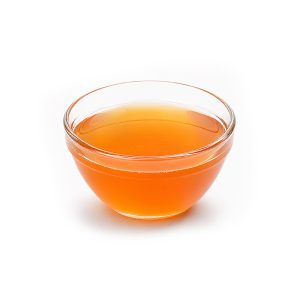
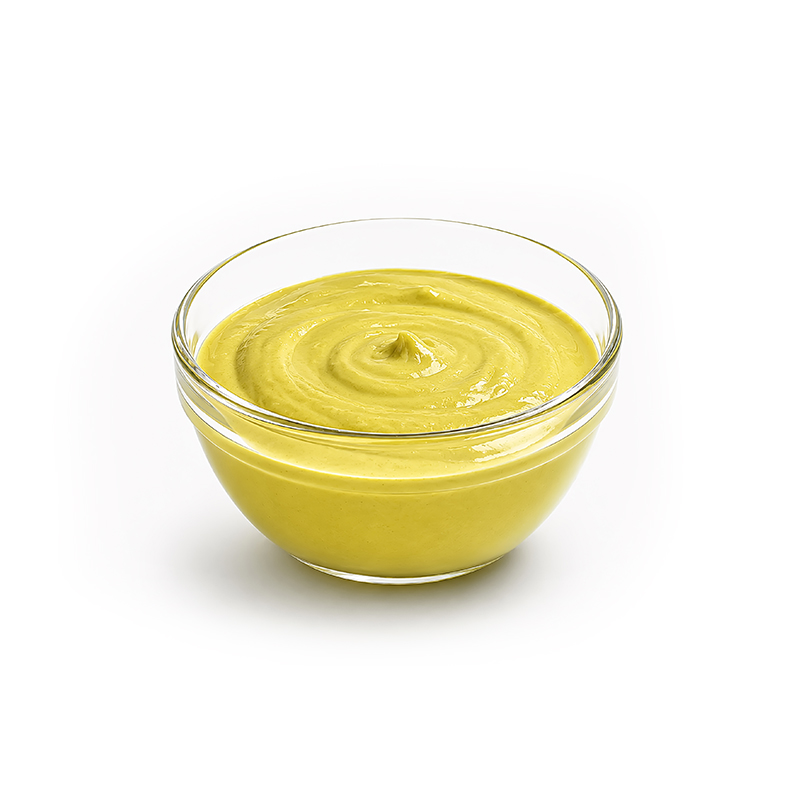
Date syrup is a concentrated liquid sweetener made by extracting and concentrating soluble sugars from dates.
It is popular because it offers natural sweetness, dark color, fruit-based positioning, and a rich flavor profile. Food manufacturers use it in bakery products, granola, cereals, dairy alternatives, sauces, marinades, confectionery, beverages, and snack coatings.
For importers, date syrup is often one of the Best date Side Products because it is easy to dose in industrial recipes. Key checks include Brix, viscosity, color, filtration level, microbial safety, pH, shelf life, and packaging. Bulk formats usually include drums, IBCs, and food-service containers.
Date Paste and Its Growing Export Potential
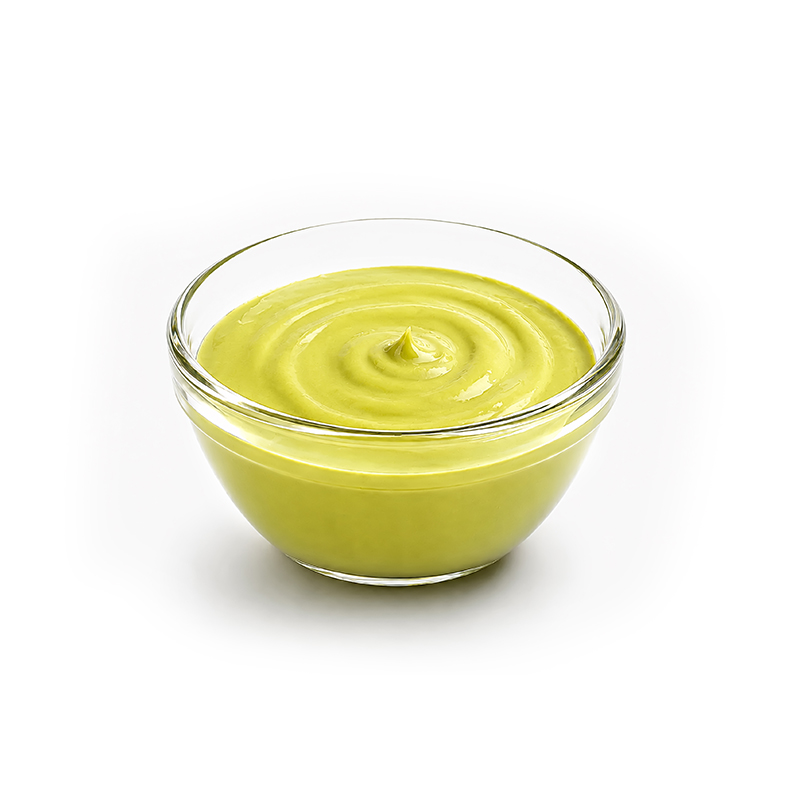
Date paste is a homogenized semi-solid ingredient made from pitted dates and processed to reach a controlled texture and moisture level.
It is widely used in cookies, pastries, cereal bars, energy balls, fruit fillings, and clean-label snacks. Its main value is functionality: it adds sweetness, binding, fiber, and texture without requiring many extra ingredients.
Date paste is one of the Best date Side Products for manufacturers making vegan, no-added-sugar, and sports nutrition products. Before sourcing, buyers should test moisture level, texture, pit fragment control, microbial limits, packaging weight, shelf life, and performance in their own production line.
Date Sugar and Natural Sweetener Trends
Date sugar is a granulated or powdered sweetener made by drying and grinding whole dates or date solids.
It is different from refined sugar because it contains fruit solids and fiber. This means it does not dissolve like white sugar, so buyers must match it to the right application. It works well in bakery mixes, cereals, dry blends, toppings, and some snack products.
Date sugar may contain small amounts of minerals and fiber, but it is still a sugar-containing ingredient. Many buyers include it among the Best date Side Products when they need a less refined sweetener with a natural ingredient profile.
Date Powder in Functional Food Production
Date powder is a dry ingredient produced from dates or date solids in a controlled powder format.
It is used in protein bars, meal replacement powders, bakery mixes, cereals, dry beverage blends, and functional snacks. Compared with date paste, it has lower moisture, easier dosing, better dry-blend compatibility, and simpler storage.
Buyers should check particle size, moisture, water activity, flowability, anti-caking treatment, color, odor, and microbiological limits. Date powder is useful for manufacturers that want fruit solids and sweetness without adding too much liquid to the formulation.
| Product | Main Use | Key Buyer Checks |
|---|---|---|
| Date syrup | Liquid sweetener | Brix, viscosity, filtration, leakage control |
| Date paste | Bakery and snacks | Moisture, texture, pit control, shelf life |
| Date sugar | Dry sweetener | Particle size, moisture, solubility limits |
| Date powder | Dry blends | Flowability, water activity, anti-caking |
| Date seed oil | Cosmetics | Extraction method, peroxide value, oxidation control |
Date Seed Oil and Its Expanding Global Market
Date seed oil is oil extracted from date pits, usually through mechanical pressing or solvent extraction depending on the target quality and application.
Date seeds can represent around 10–15% of the fruit weight, which explains why processors are investing in seed-based products. The oil is mainly used in cosmetics such as creams, serums, soaps, hair oils, and emollient blends.
Date seed oil can be one of the Best date Side Products for buyers serving private-label beauty and natural cosmetic markets. Quality checks should include extraction method, fatty acid profile, peroxide value, odor, color, contaminant testing, packaging, and oxidation control.
Date Seed Coffee and Beverage Alternatives
Date seed coffee is a roasted and ground beverage ingredient made from cleaned date seeds.
It is not real coffee and is naturally caffeine-free because it does not come from coffee beans. Demand is linked to caffeine-free drinks, specialty hot beverages, Middle Eastern retail products, and private-label beverage lines.
For importers, the main checks are roasting level, grind size, flavor consistency, moisture, microbial safety, packaging, labeling, and shelf life. This product is more niche than syrup or paste, so buyers should test consumer demand before large-volume orders.
Date Molasses and Traditional Food Markets
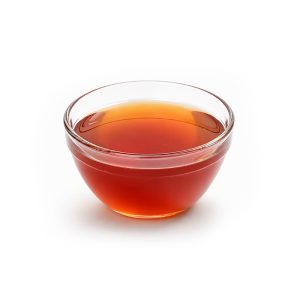
Date molasses is usually similar to date syrup but may be thicker, darker, and more traditional depending on the market and production method.
It is used in tahini blends, desserts, marinades, sauces, breakfast foods, and Middle Eastern recipes. It can serve both retail and food-service channels.
For buyers of the Best date Side Products, date molasses requires practical packaging checks. Common options include glass jars, PET bottles, squeeze bottles, tins, drums, and food-service containers. Importers should verify viscosity, leak resistance, label accuracy, lot coding, storage instructions, and shelf-life validation.
Animal Feed and Agricultural Products from Date Processing
Date pits, pulp residues, cull dates, and press cake can be used in animal feed after correct drying, grinding, and quality control.
These materials are usually lower-margin but high-volume options among the Best date Side Products. They can help processors reduce waste and create value from residues.
Feed buyers should not rely on general claims. Inclusion rates must be reviewed by feed specialists. Key checks include moisture, foreign matter, mycotoxin risk, contamination, grinding quality, storage stability, and transport conditions. Some residues may also be used in composting or soil amendment, if supported by proper processing records.
Iran’s Role in Exporting Date Side Products
Iran is one of the major date-producing countries and has several soft and semi-soft date varieties suitable for processing.
This gives Iranian suppliers access to processing-grade dates for syrup, paste, powder, molasses, and other date-based ingredients. Potential advantages include competitive pricing, product variety, access to bulk supply, and export experience.
However, importers should verify every supplier carefully. Required checks include certifications, product specifications, samples, export documents, payment terms, logistics options, labeling rules, and destination-market compliance. Iran can be a strong sourcing option when quality control and documentation are professionally managed.
Top Countries Importing Date Side Products
Import demand is strongest where natural sweeteners, clean-label foods, ethnic retail, and plant-based products are growing.
In Europe, Germany, France, the Netherlands, the UK, Italy, and Spain are relevant markets for food ingredients, organic products, and Middle Eastern retail. EU buyers usually require strong food safety systems, residue control, traceability, and compliant labeling.
In North America, the United States and Canada show demand from snack brands, bakeries, plant-based food companies, and clean-label manufacturers. In Asia, India, China, Japan, South Korea, Malaysia, and Indonesia offer different opportunities. The Best date Side Products for each market depend on price level, packaging, certifications, and import rules.
Key Factors Buyers Should Consider Before Importing
Buyers should assess both the product and the supplier before placing orders.
The Best date Side Products are not just attractive ingredients; they must be consistent, safe, and export-ready. For product quality, check moisture, Brix, pH, microbial limits, pesticide residues, heavy metals, foreign matter, color, odor, texture, and batch consistency. Ask for a specification sheet and certificate of analysis, and use third-party testing for new suppliers.
Packaging must match the product. Syrup and molasses need leak-proof containers. Paste needs moisture control. Powder needs moisture-barrier packaging. Seed oil needs protection from light, heat, and oxidation.
Relevant certifications may include HACCP, ISO 22000, FSSC 22000, BRCGS, organic, halal, kosher, or GMP. Supplier checks should include samples, references, production capacity, Incoterms, lead time, export history, documentation, and response speed.
Future Trends in the Date Side Product Industry
The future of date side products will be shaped by cleaner labels, organic demand, traceability, and zero-waste processing.
Date syrup, paste, sugar, and powder are likely to remain important in snacks, bakery, beverages, and plant-based foods. At the same time, seed-based products are gaining attention because they use a large processing residue.
Innovation will continue in date fiber, improved powders, standardized syrups, private-label snack ingredients, and cosmetic-grade date seed oil. Buyers should prefer suppliers that provide clear specifications, stable pricing, tested shelf life, and real sustainability documentation.
Conclusion
Date syrup, paste, sugar, powder, seed oil, seed coffee, molasses, and feed ingredients create useful import opportunities across food, beverage, cosmetic, and agricultural markets. Buyers should compare suppliers by specifications, certifications, samples, packaging, shelf life, logistics, and documents, not only price. The Best date Side Products are those with verified quality, stable supply, clear compliance, and proven performance in real commercial applications for long-term international sourcing.
Related Products