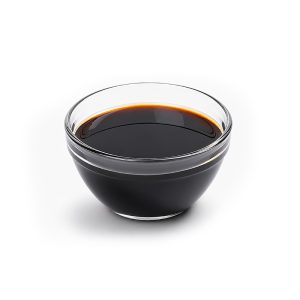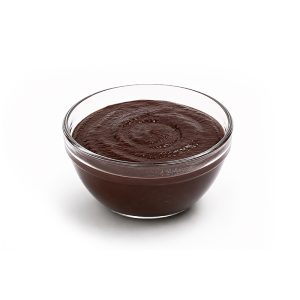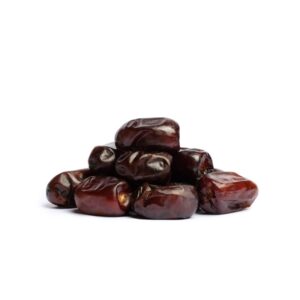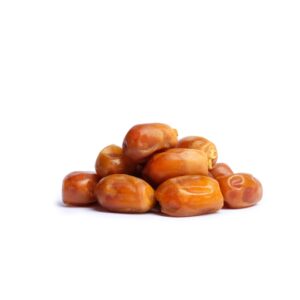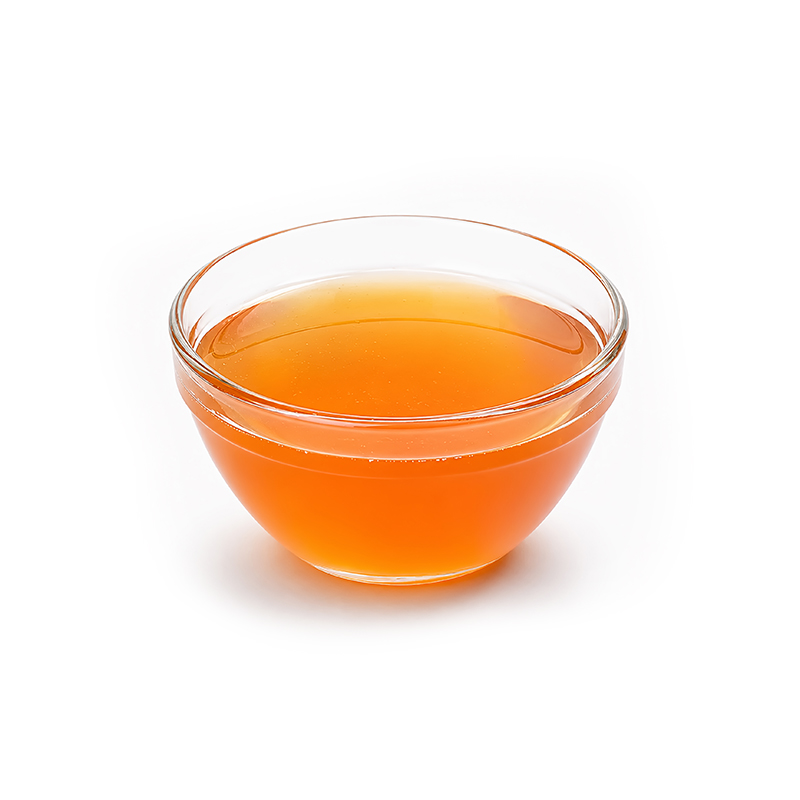

The global market for natural sweeteners is expanding as food manufacturers reduce reliance on refined sugar and synthetic syrups. Among these alternatives, Date Syrup Import has gained strategic importance because it combines clean-label positioning, stable industrial functionality, and competitive sourcing economics. This article explains market drivers, key demand regions, technical applications, sourcing risks, and why Iran remains a central supply base for buyers targeting Russia and CIS markets.
Introduction to the Global Date Syrup Market
Food manufacturers are under pressure to reduce refined sugar, simplify labels, and use ingredients that are easier to position in health-focused markets. In this context, Date Syrup Import is gaining importance as a natural sweetener with clear industrial value. It offers sweetness, color, viscosity, and clean-label appeal in one ingredient. This article explains the market, demand drivers, applications, Iran’s supply role, and the key technical points buyers should verify.
What Is Date Syrup?
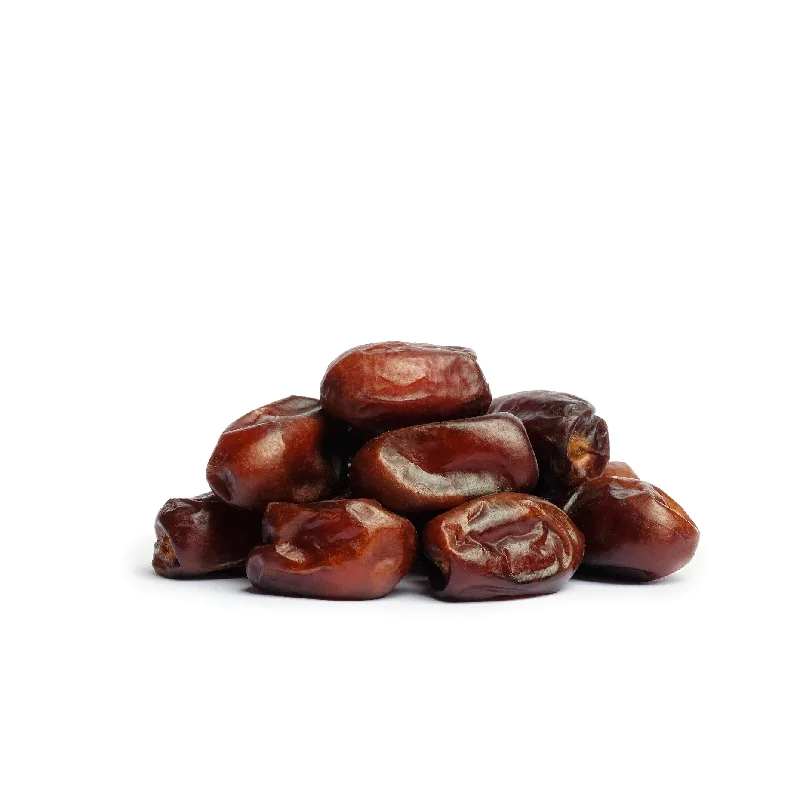
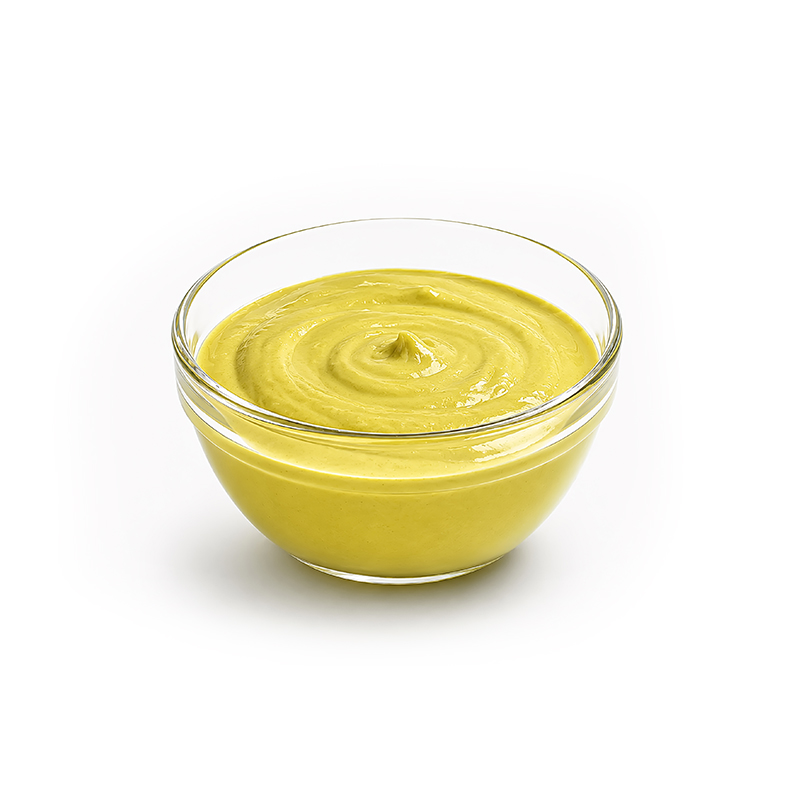
Date syrup is a concentrated liquid made by extracting and processing the soluble solids of ripe dates, usually to 70°–75° Brix for industrial use. In practical terms, it is a natural liquid sweetener used in place of liquid sugar, glucose syrup, or honey. It is typically sold as a single-ingredient product and used in both conventional and health-positioned food lines.
Drivers of Global Import Growth
The growth of Date Syrup Import is driven by measurable changes in food manufacturing. Brands want shorter ingredient lists and fewer artificial additives. Many are reducing their use of high-fructose corn syrup and other highly processed sweeteners. At the same time, vegan products, better-for-you snacks, and functional beverages are expanding. Date syrup fits these categories because it supports natural positioning without creating major formulation problems.
Top Regions Driving Date Syrup Import Demand
Russia and the CIS are now among the most relevant growth markets for industrial date syrup. Demand is led by manufacturers in bakery, confectionery, dairy, and beverages that need stable, natural sweetening ingredients at workable commercial prices.
This is why Date Syrup Import is growing in Russia, Kazakhstan, Armenia, Azerbaijan, and nearby markets. For these buyers, date syrup is not only a sweetener. It also provides color and texture, which reduces the need for additional ingredients in some formulations.
North America and Western Europe remain important secondary markets, especially in organic, vegan, and premium food categories. However, for bulk B2B purchasing, Russia and the CIS are currently more commercially relevant.
Primary Industrial Applications for Imported Date Syrup
In bakery and confectionery, date syrup is used in cakes, cookies, bars, fillings, and sesame-based products. It helps with moisture retention, contributes a darker natural color, and can partly replace glucose syrup or invert sugar. In some recipes, Date Syrup Import is chosen to improve label positioning without changing processing conditions too much.
In beverages, it works as a soluble sweetener in juices, energy drinks, and functional beverages. It is useful when a brand wants a more natural ingredient list.
In dairy and desserts, it is used in yogurt, flavored milk, plant-based dairy alternatives, and dessert toppings. It provides sweetness and flavor in one ingredient, which can simplify the formula.
Nutritional and Manufacturing Benefits for B2B Buyers
Date syrup is commercially attractive because it combines nutritional value with process functionality. Compared with refined sugar, it generally has a lower glycemic impact, depending on the raw material and method of processing. It also contains minerals such as potassium, magnesium, and iron, which support its marketability in health-oriented products.
For manufacturers, the technical benefits are often more important:
- acts as a natural binder in bars and fillings
- improves moisture retention in baked products
- adds viscosity in selected applications
- contributes natural color
- supports clean-label positioning
These factors explain why Date Syrup Import is increasingly treated as a standard industrial ingredient rather than a niche product.
Iran’s Role as a Leading Source for Date Syrup Import
Iran is one of the main supply origins for date syrup because it has large date harvests, established processing capacity, and competitive export pricing. Varieties such as Sayer and Mazafati are widely used in processing and support stable raw material supply.
For buyers in Russia and the CIS, Iran offers practical advantages. The first is scale: suppliers can handle bulk industrial demand. The second is cost: pricing is often more competitive than alternative origins. The third is logistics: export routes through the Caspian Sea and regional land corridors support more direct access to Russian markets.
For this reason, Date Syrup Import from Iran is a logical sourcing option for buyers focused on supply continuity and cost control.
Technical Specifications and Logistics Considerations
A successful Date Syrup Import program depends on clear technical requirements and consistent shipment planning. Buyers should confirm the product specification before negotiating price.
| Item | What to Check | Why It Matters |
|---|---|---|
| Brix | 70°–75° | Supports shelf stability and lowers fermentation risk |
| Purity | No added sugar or synthetic additives | Protects product integrity and label claims |
| Certifications | ISO 22000, HACCP, Halal, GOST if required | Supports compliance and customs procedures |
| Packaging | Aseptic bags, steel drums, IBC tanks | Affects transport efficiency and storage safety |
| Storage | Cool, dry conditions | Maintains stability during holding and distribution |
Buyers should also request a Technical Data Sheet, Certificate of Analysis, and microbiological report for each shipment. These documents are necessary for quality control and customs clearance.
Challenges in the Date Syrup Import Business
The main risks in Date Syrup Import are operational, not strategic. Shipping times can vary. Batch consistency may change in color, flavor, filtration level, or viscosity. Customs delays can happen when product descriptions, certificates, or invoice data are incomplete or inconsistent. Importers may also face tariff changes or market-specific approval requirements.
These issues can be managed, but only when the specification is clear and the exporter is experienced in cross-border food trade.
How to Choose the Right Date Syrup Supplier
Supplier selection should be based on documents, capacity, and export performance. Buyers should confirm whether the producer can supply the required volume consistently, whether the factory has experience with Russia or CIS procedures, and whether the technical file is complete.
Before placing a commercial order, request:
- Technical Data Sheet
- recent Certificate of Analysis
- microbiological test report
- certification copies
- packaging format details
- shelf-life data
In Date Syrup Import, lab-verified documentation is a basic requirement. It reduces quality disputes, supports customs clearance, and improves supply reliability.
Conclusion
Date syrup has moved from a specialty ingredient to a practical option for industrial food production. It gives manufacturers natural sweetness, clean-label value, and useful processing functions in one product. The business case for Date Syrup Import is strongest in Russia and the CIS, where food manufacturers are looking for reliable natural ingredients for bakery, confectionery, beverages, and dairy.
Iran remains one of the most effective sourcing origins because it combines raw material availability, competitive pricing, processing capacity, and workable logistics into regional markets. Buyers should set technical specifications early, verify documents before shipment, and work only with suppliers that can prove export capability and batch consistency.
Related Products