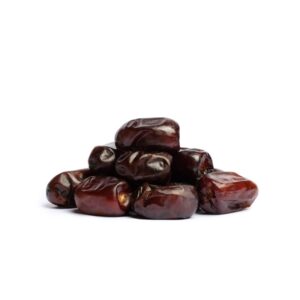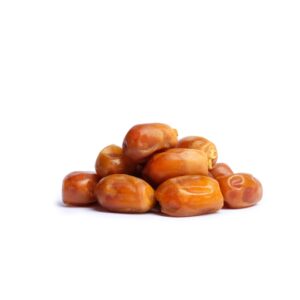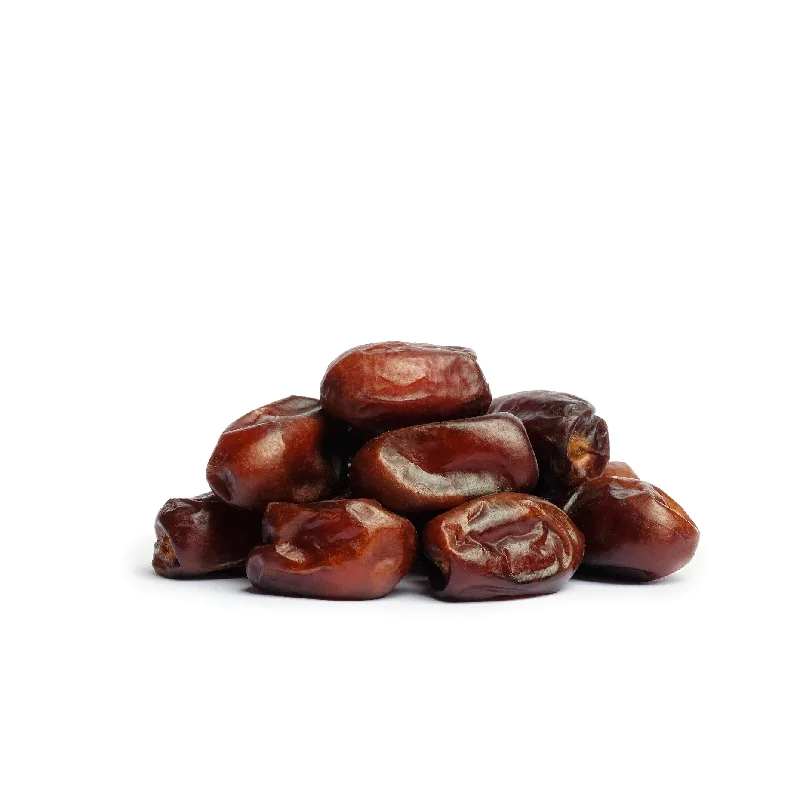
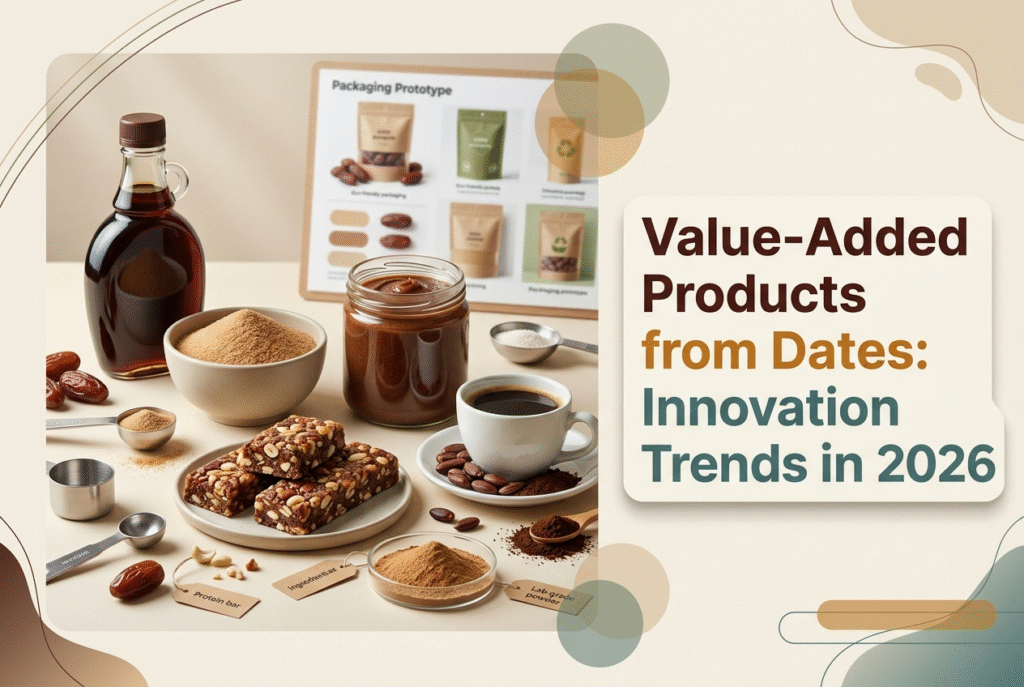
The date fruit, long regarded as a simple agricultural commodity, is being reimagined as a highly versatile raw material for the modern food and beverage industry. Fueled by a global consumer shift towards natural ingredients, clean labels, and functional foods, the demand for innovative date-derived goods is accelerating. This evolution from a whole fruit to a portfolio of sophisticated ingredients is unlocking significant economic potential for producers and manufacturers worldwide. In this article, we will analyze the growing market for Value-Added Products from Dates, explore the most significant product innovations for 2026, and examine the technologies and sustainability practices shaping the industry’s future.
The Rising Global Demand for Value-Added Date Products
The global market for date products is experiencing robust growth, with market reports projecting a compound annual growth rate (CAGR) of over 4.5% through 2029. This expansion is not merely for the whole fruit but specifically for a diverse range of Value-Added Products from Dates that offer convenience, functionality, and novel health benefits.
Market Growth and Consumer Shifts
Economic momentum is building as consumers in key markets across North America, Europe, and Asia actively seek alternatives to refined sugars and artificial ingredients. Date-based products are ideally positioned to fill this gap. Their natural sweetness and whole-food status appeal to health-conscious demographics, making them a preferred ingredient for manufacturers looking to clean up their product labels and cater to a more discerning consumer base.
Health and Wellness Influence
The exceptional nutritional profile of dates is a primary catalyst for market expansion. Rich in dietary fiber, potassium, magnesium, and a range of antioxidants, dates are increasingly recognized as a functional food. This aligns perfectly with the wellness trend, where consumers seek foods that provide tangible benefits beyond basic nutrition, such as improved digestion, natural energy, and antioxidant support.
The Role of Dates in ‘Free-From’ Diets
Dates and their derivatives have become cornerstone ingredients in the burgeoning ‘free-from’ market. Date paste and syrup serve as effective natural binders and sweeteners in vegan, paleo, and gluten-free formulations. Their ability to provide structure, moisture, and sweetness without common allergens or refined additives makes them indispensable for brands creating clean-label products for consumers with specific dietary requirements.
What Are Value-Added Date Products?
This section provides a formal definition of the product category at the heart of this industry transformation.
Definition and Categories
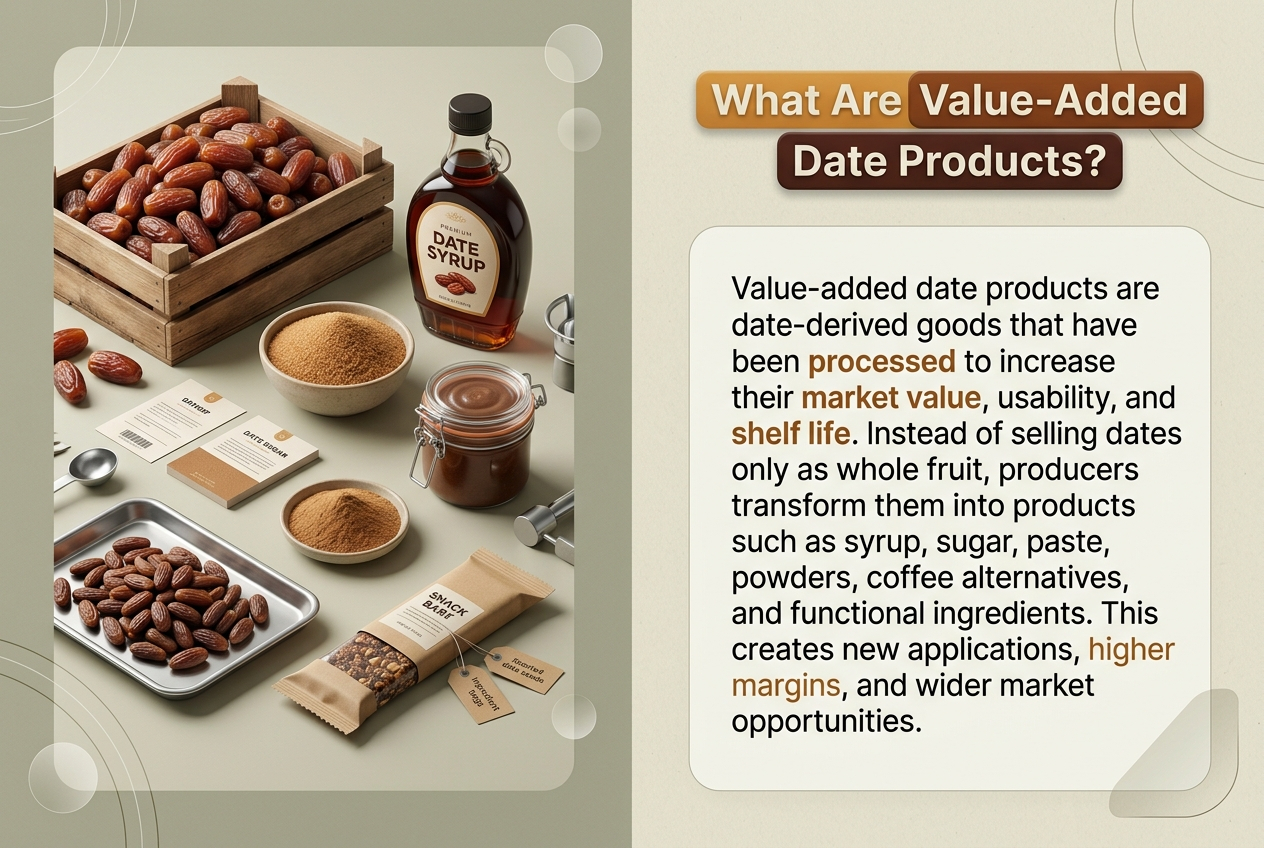
Value-Added Products from Dates are defined as date-derived goods that have undergone processing to increase their market value, utility, and shelf-life, transforming them from a raw agricultural commodity into marketable consumer or industrial ingredients. In simpler terms, this means turning whole dates into new forms like syrup, sugar, paste, or even coffee substitutes, which are more convenient, have new uses, and can be sold at a higher price.
Moving Beyond Whole Dates
The economic incentive for producers to invest in processing is substantial. While the market for raw dates is mature and often subject to price volatility, a diversified portfolio of Value-Added Products from Dates allows companies to enter higher-margin segments. This strategy de-risks their business, creates new revenue streams, and captures more of the total value chain from farm to finished product.
Emerging Product Innovations in 2026
Innovation is the engine driving the market forward, with new applications and formulations continually emerging.
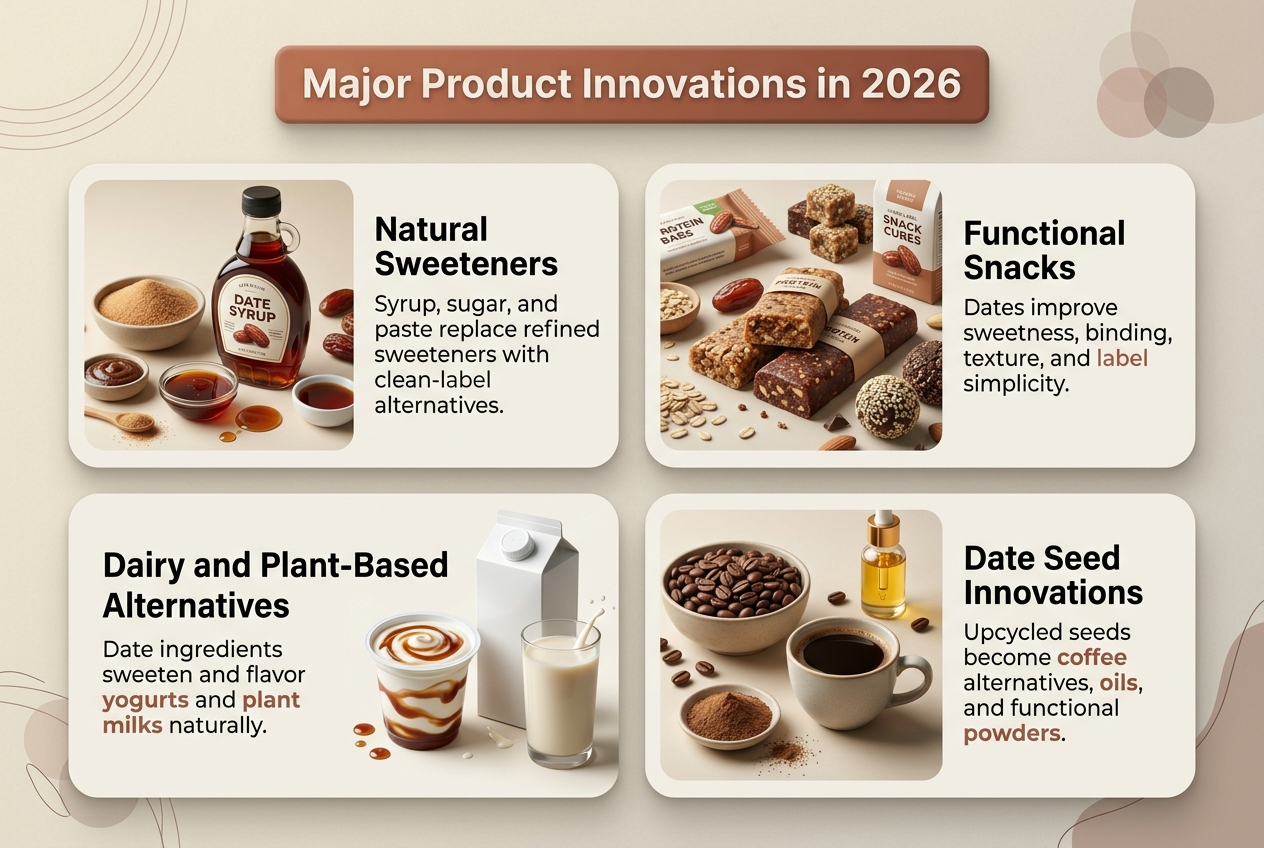
Date-Based Natural Sweeteners
This is the largest and most mature category of Value-Added Products from Dates, serving as a direct challenge to traditional sweeteners.
Date Syrup and Liquid Extracts
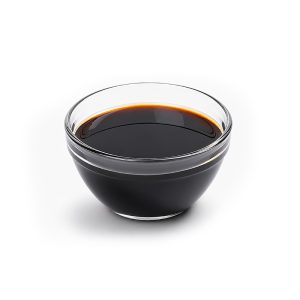
Date syrup, also known as date molasses or silan, is a viscous liquid sweetener used both as a retail tabletop product similar to maple syrup and as an industrial ingredient. It is highly sought after for its rich, caramel-like flavor, making it ideal for use in beverages, marinades, sauces, and baked goods where its liquid form and distinct taste profile are advantageous.
Date Sugar and Powdered Sweeteners
Produced by dehydrating and grinding whole dates, date sugar is a whole-food sweetener that retains the fiber and nutrients of the original fruit. It is marketed as a healthier, less-processed alternative to refined cane sugar and has a lower glycemic index. Its granular form allows for a 1:1 substitution in many baking and cooking applications.
Date Paste and Concentrate as a Binder
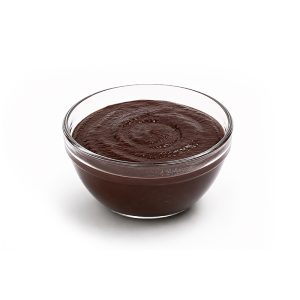
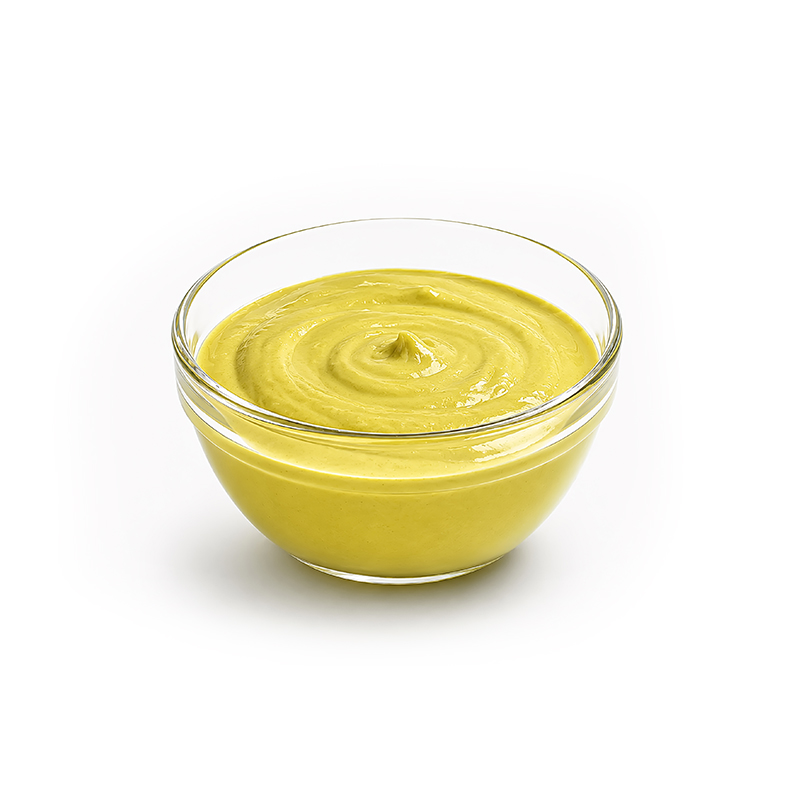
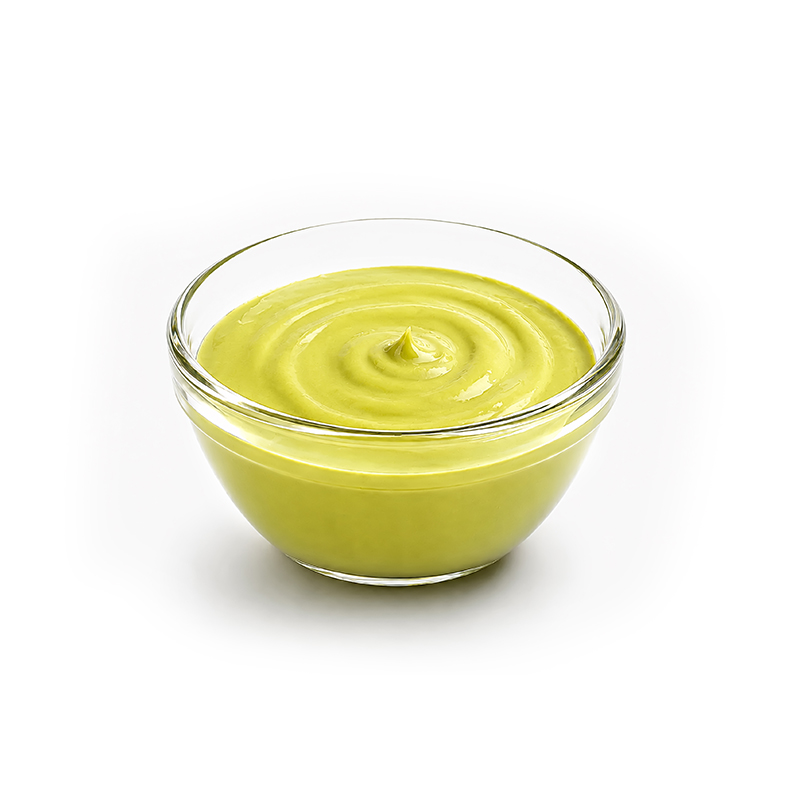
In the business-to-business (B2B) sector, date paste and concentrate are critical ingredients. They serve as a natural binder and sweetener in energy bars, confectionery, and baked goods, effectively replacing processed inverted sugar syrups and other binders. Their ability to provide moisture, texture, and a clean-label sweetness is highly valued by food formulators.
Functional and Fortified Snacks
The healthy snacking trend provides a fertile ground for developing new Value-Added Products from Dates.
Protein Bars with Date Paste
Date paste is a foundational ingredient in many of the world’s leading protein and energy bars. It provides natural sweetness that complements the taste of plant-based or whey proteins, acts as a superior binding agent, and contributes to a desirable moist and chewy texture, all while supporting a minimal and clean ingredient list.
Energy Bites and Clean-Label Snacks
Minimally processed energy bites, often consisting of just dates, nuts, and seeds, exemplify the consumer demand for transparency and whole-food ingredients. These simple, high-impact snacks are easy to manufacture and market directly to consumers seeking natural, on-the-go energy sources without additives.
Dairy and Plant-Based Alternatives
Innovation is particularly active in the rapidly expanding dairy-alternative sector.
Date-Flavored Yogurts
Date paste or syrup is being increasingly used as a natural flavor and sweetener system in both traditional dairy yogurts and plant-based alternatives made from coconut, almond, or soy. This application eliminates the need for refined sugar and adds a rich, caramel flavor that pairs well with cultured products.
Date-Based Plant Milks
A growing number of brands are launching nut milks and oat milks that are sweetened with dates instead of cane sugar. This formulation strategy directly targets health-conscious consumers who scrutinize ingredient labels and are willing to pay a premium for a product perceived as more natural and wholesome.
Fermented and Probiotic Products
This sophisticated category of Value-Added Products from Dates leverages traditional fermentation techniques to create novel goods focused on gut health.
Date Vinegar
Utilizing a two-stage fermentation process, date syrup or juice is first converted to alcohol and then to acetic acid. The resulting date vinegar is a gourmet product with a complex, sweet-and-sour flavor profile, used in dressings, marinades, and as a drinking vinegar.
Fermented Date Beverages
Capitalizing on the popularity of probiotic drinks, companies are developing kombucha-like and water kefir-like beverages that use date syrup as the primary fermentation substrate. These products offer a unique flavor and tap into the growing consumer interest in fermented foods for digestive wellness.
Date Seed Innovations
A key area of innovation focuses on upcycling date seeds, transforming a waste stream into valuable products.
Date Seed Coffee
By roasting and finely grinding date seeds, producers can create a caffeine-free coffee alternative. This product mimics the dark, nutty flavor profile of coffee and can be brewed in a similar manner, appealing to consumers looking to reduce their caffeine intake.
Cosmetic and Skincare Applications
Date seed oil, extracted through cold-pressing, is a high-value ingredient for the cosmetics industry. Rich in antioxidants, phenolic compounds, and essential fatty acids, it is incorporated into anti-aging creams, serums, and hair care products for its moisturizing and protective properties.
Date Seed Powder as a Functional Ingredient
Further research is exploring the use of milled date seed powder as a functional food ingredient. Due to its high content of dietary fiber and antioxidants, it is being incorporated into baked goods, smoothies, and even animal feed to boost nutritional value, making it one of the most sustainable Value-Added Products from Dates.
Technology Driving Innovation
The creation and scaling of these novel products are enabled by significant advancements in food processing technology.
Advanced Processing Techniques
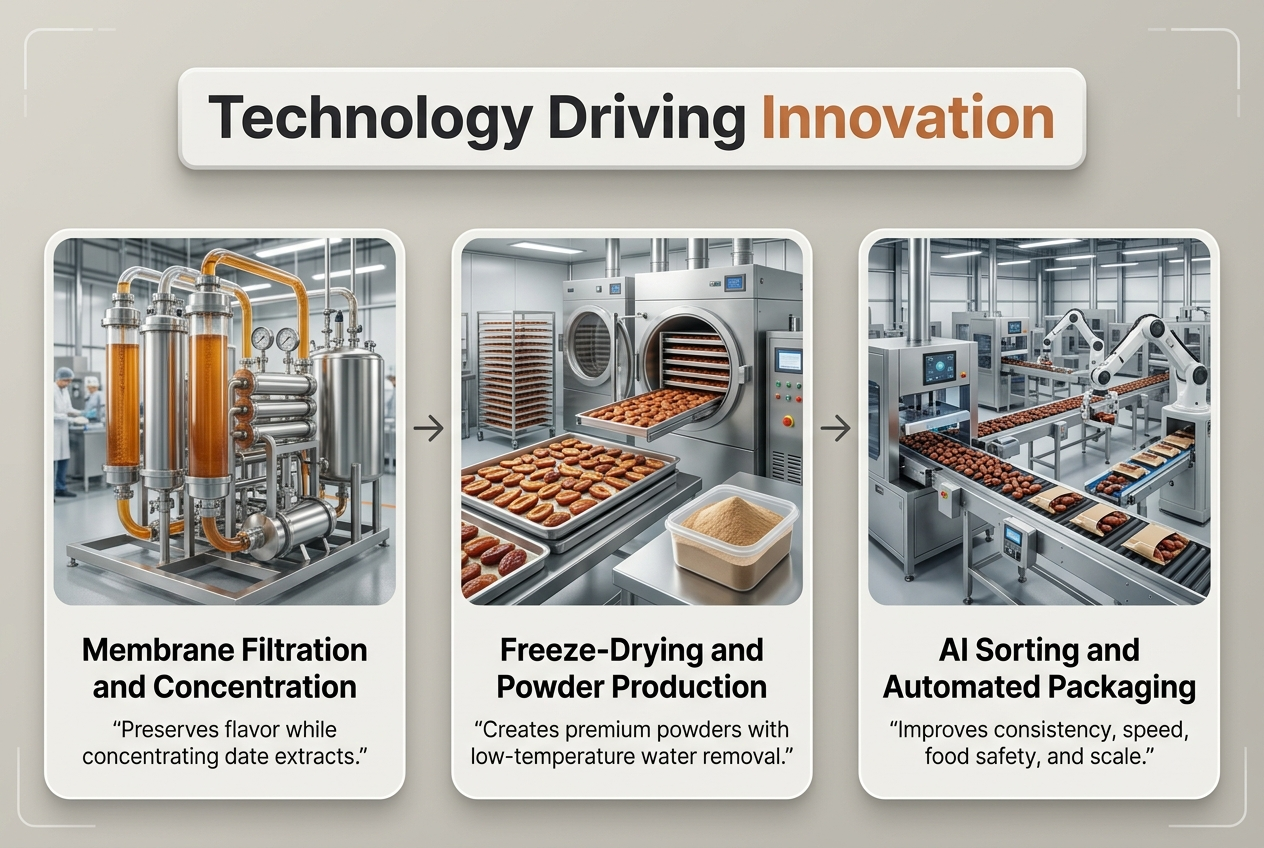
Modern technologies such as membrane filtration and reverse osmosis are used to clarify and concentrate date juice into high-quality syrups without excessive heat, preserving flavor and nutrients. Microwave-assisted extraction techniques are also being employed to increase the yield of bioactive compounds and sugars from the fruit pulp.
Freeze-Drying and Powder Technology
Freeze-drying (lyophilization) is a superior method for producing high-quality date powders. By removing water at low temperatures, this process preserves the fruit’s original flavor, color, and nutritional profile far more effectively than traditional hot-air drying, resulting in a premium ingredient for various applications.
Sustainable Packaging Solutions
Consumer demand for sustainability is driving a shift in packaging. Manufacturers of Value-Added Products from Dates are increasingly moving towards biodegradable, compostable, or recyclable packaging materials to align their brands with the eco-conscious values of their target customers.
AI and Automation in Date Processing
Efficiency and consistency in date processing are being dramatically improved by technology. AI-powered optical sorters can grade and sort dates by quality, size, and ripeness with incredible speed and accuracy. Automated systems for pitting and packaging reduce labor costs and enhance food safety, enabling producers to scale operations effectively.
Sustainability and Circular Economy Approaches
The trend toward Value-Added Products from Dates is intrinsically linked to broader goals of environmental sustainability.
Upcycling By-Products
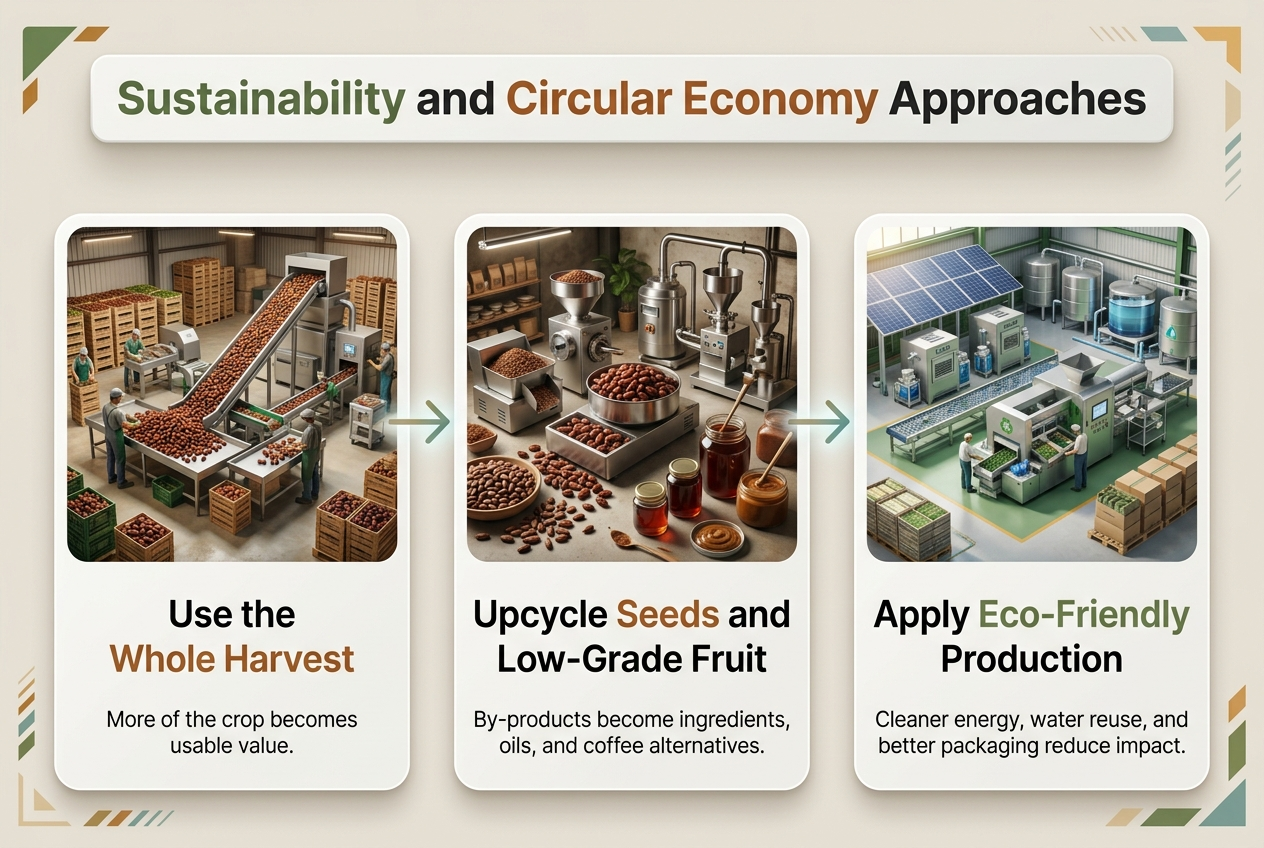
The comprehensive utilization of the date fruit, particularly the creation of valuable products from previously discarded seeds and low-grade fruit, is a prime example of upcycling. This approach embodies the principles of a circular economy, where waste is minimized and resources are kept in use for as long as possible.
Reducing Food Waste
Processing facilities play a crucial role in reducing agricultural losses. Dates that do not meet the strict cosmetic standards for the premium whole fruit market can be fully utilized to create high-quality pastes, syrups, and powders, ensuring that the entire harvest generates economic value.
Eco-Friendly Production Models
Leading date processors are adopting more environmentally friendly production models. This includes using solar arrays to power dehydration facilities, implementing advanced water-recycling systems in processing plants, and optimizing logistics to reduce the carbon footprint of their supply chain.
Market Opportunities and Export Potential
For businesses in the sector, the growth lies in targeting specific, high-margin market segments.
Premium and Organic Segments
Significant opportunities exist in the premium market for certified organic Value-Added Products from Dates. Consumers in this segment are willing to pay more for products with verifiable organic credentials and clear traceability. Single-origin products that highlight a specific date variety or region also command a premium price.
Expansion into Non-Traditional Markets
While the Middle East and Europe are established markets, there is a rapidly growing appetite for these products in East Asia, Scandinavia, and South America. Local importers and food manufacturers in these regions are actively seeking novel, healthy ingredients to innovate their own product lines.
Challenges in Scaling Value-Added Date Products
Despite the opportunities, companies face several practical hurdles in scaling their operations.
Quality Control and Standardization
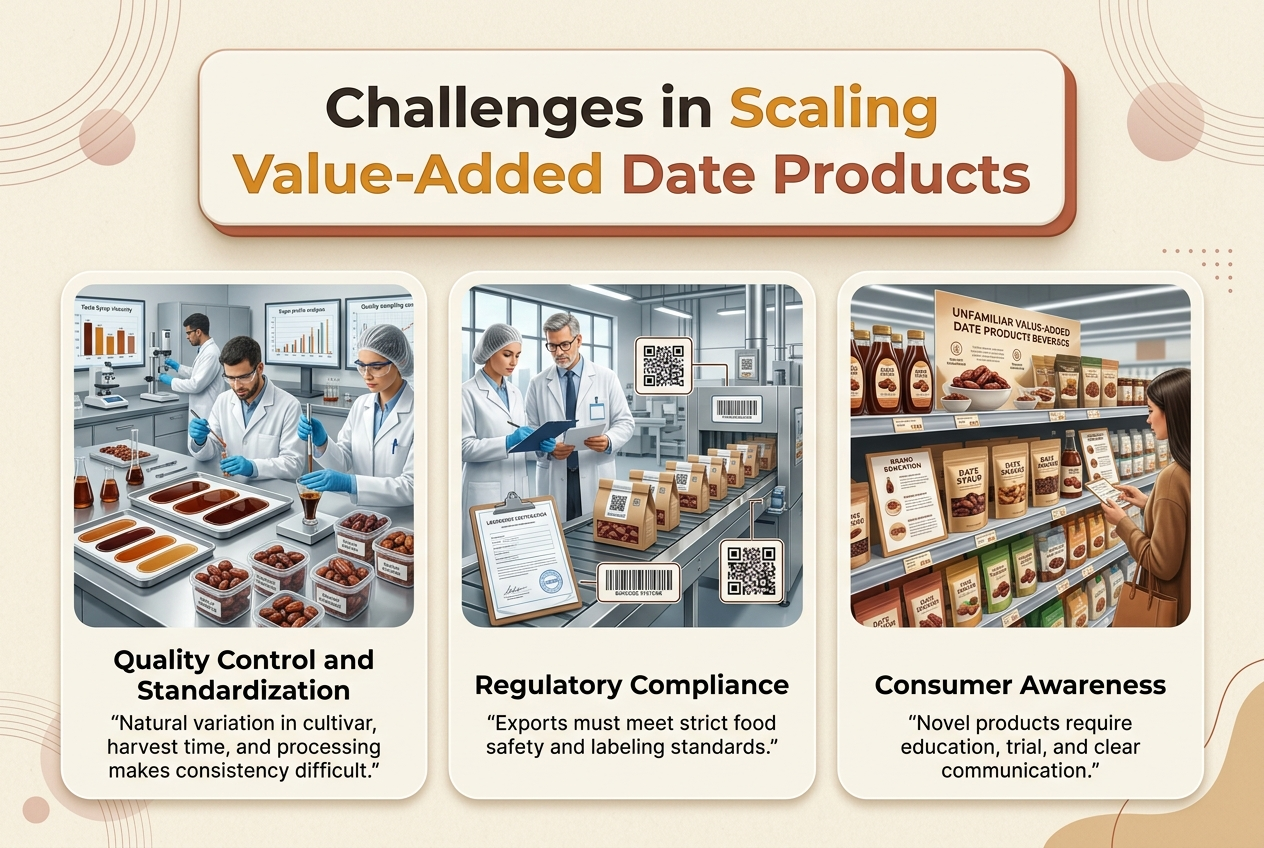
A major challenge is maintaining consistency in a natural product. The flavor, color, sugar profile, and viscosity of date derivatives can vary significantly based on the date cultivar, harvest time, and processing method. Implementing rigorous quality control systems is essential for standardization.
Regulatory Compliance
Exporting Value-Added Products from Dates requires strict adherence to the food safety standards of the destination country, such as those set by the FDA in the United States or the EFSA in Europe. Navigating these complex regulatory landscapes requires expertise and investment in compliance.
Consumer Awareness
For less familiar products like date sugar, date vinegar, or date seed coffee, significant investment in marketing and consumer education is required. Brands must clearly communicate the uses, benefits, and differentiating features of these novel products to build market acceptance and drive trial.
The Future Outlook Beyond 2026
Looking ahead, the evolution of the date products industry is set to continue into even more specialized areas.
Nutraceuticals and Medical Foods
There is growing potential for developing highly concentrated date extracts for the nutraceutical market. Pending further clinical research, these extracts could be formulated into supplements or medical foods designed to deliver specific health benefits, such as anti-inflammatory or prebiotic effects.
The Rise of ‘Date Terroir’
The industry is likely to see the emergence of ‘date terroir,’ where Value-Added Products from Dates are marketed based on their specific variety and geographic origin, much like fine wine, olive oil, or coffee. This strategy will allow for the creation of ultra-premium, single-origin product lines with unique flavor profiles and compelling brand stories.
Conclusion
The future of the global date industry lies in innovation, diversification, and moving up the value chain. The transformation from selling a raw commodity to marketing a sophisticated portfolio of ingredients and consumer goods is already well underway. By strategically leveraging processing technology, embracing sustainable practices, and responding to evolving consumer demands for healthy, natural foods, the market for Value-Added Products from Dates is poised for significant and sustained global growth, repositioning a traditional fruit as a cornerstone of the modern health food industry.
Related Products