Best Iran Pistachio Suppliers for Global Importers
Iran is one of the world’s most important pistachio-producing countries, offering internationally recognized varieties such as Akbari, Ahmad Aghaei, Kalleh Ghouchi, and Fandoghi. For importers, however, choosing a supplier involves much more than finding a competitive price. Product specifications, food-safety testing, processing capacity, traceability, packaging, export documentation, and the supplier’s ability to meet agreed delivery terms can all affect the success of an import transaction.
This guide explains how international buyers can evaluate Iranian pistachio suppliers and what factors should be considered before placing a wholesale order. We will also examine sourcing options, major production regions, pricing factors, quality-control requirements, and practical steps for building a long-term relationship with an exporter.
If you are planning to source premium pistachios from Iran, the goal should be to find a supplier whose capabilities match the requirements of your target market, product specifications, and order volume—not simply the supplier offering the lowest initial quote.
Quick Checklist for Evaluating an Iranian Pistachio Supplier
Before selecting a supplier, importers should compare potential partners based on clear and measurable criteria.
| Evaluation Factor | What Importers Should Check |
|---|---|
| Product Variety | Available varieties and grades |
| Food Safety | Current laboratory testing and destination-market requirements |
| Certifications | Valid and relevant certificates rather than certificates claimed without documentation |
| Processing | Sorting, cleaning, drying, roasting, or kernel processing capabilities |
| Traceability | Ability to provide information about sourcing and processing |
| Export Experience | Experience shipping to similar markets where relevant |
| Packaging | Packaging materials, weights, labeling, and export suitability |
| MOQ | Minimum order quantity for the selected product and packaging |
| Incoterms | Clear agreement on FOB, CIF, EXW, or other applicable terms |
| Payment Terms | Transparent and mutually agreed payment arrangements |
| Production Capacity | Ability to meet required quantities and delivery schedules |
| Samples | Availability of representative samples before large orders |
A supplier does not necessarily need to meet every requirement in the same way for every buyer. The most suitable partner is the one whose capabilities align with the importing country’s regulations, product specifications, order size, and commercial requirements.
Top Iran Pistachio Suppliers for Global Markets
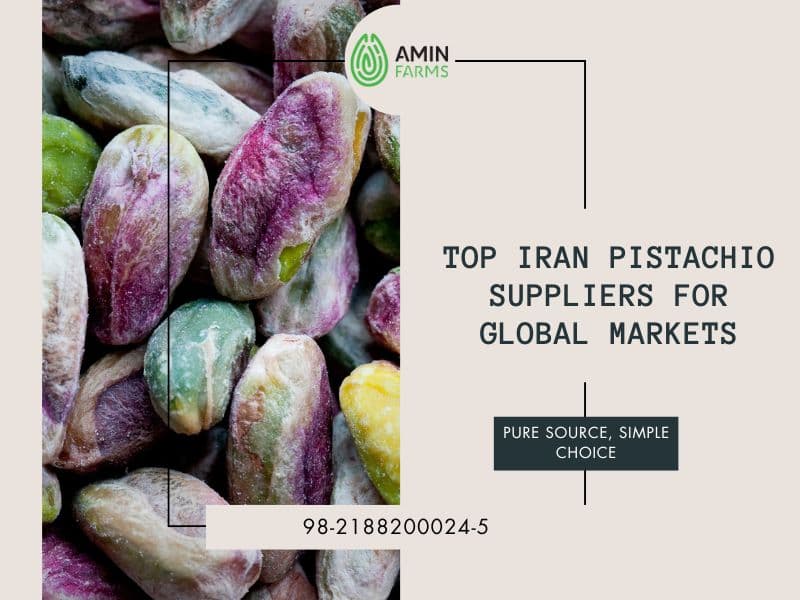
Top Iran Pistachio Suppliers for Global Markets
Iran has a diverse pistachio industry supported by growers, processors, traders, and exporters across several producing regions. Leading suppliers may offer different varieties, processing options, packaging formats, and export services depending on their facilities and target markets.
A reliable supplier should be evaluated based on verifiable factors such as product specifications, quality-control procedures, laboratory testing, processing capacity, export experience, and the ability to provide the documentation required by the destination market. Importers should also confirm whether the supplier can consistently meet the required volume and quality specifications across multiple shipments.
Amin Farms is one of the companies buyers can consider when sourcing Iranian agricultural products for international markets. Before entering into a commercial agreement, importers should request current product specifications, available varieties, laboratory reports where required, packaging details, minimum order quantities, and export terms to determine whether the supplier is suitable for their specific sourcing requirements.
Discover more: Import Dates from Iran
Leading Producers and Their Specialties
Major pistachio producers in Iran are mainly located in key growing regions such as Kerman and Khorasan, each specializing in specific varieties. Some focus on premium, larger types like Akbari and Ahmad Aghaei pistachios, which are highly demanded in luxury markets. Others specialize in high-volume varieties like Fandoghi pistachios, known for their affordability and suitability for food processing industries.
Their expertise goes far beyond cultivation. Many Iranian pistachio suppliers have invested in advanced processing methods, including roasting, salting, and kernel production, all under strict international quality standards. Their ability to provide essential certifications and maintain consistency in large-scale supply makes these producers true leaders in the global pistachio industry, trusted partners for importers who value quality, reliability, and authenticity above all.
What Makes Iranian Pistachio Suppliers Stand Out?
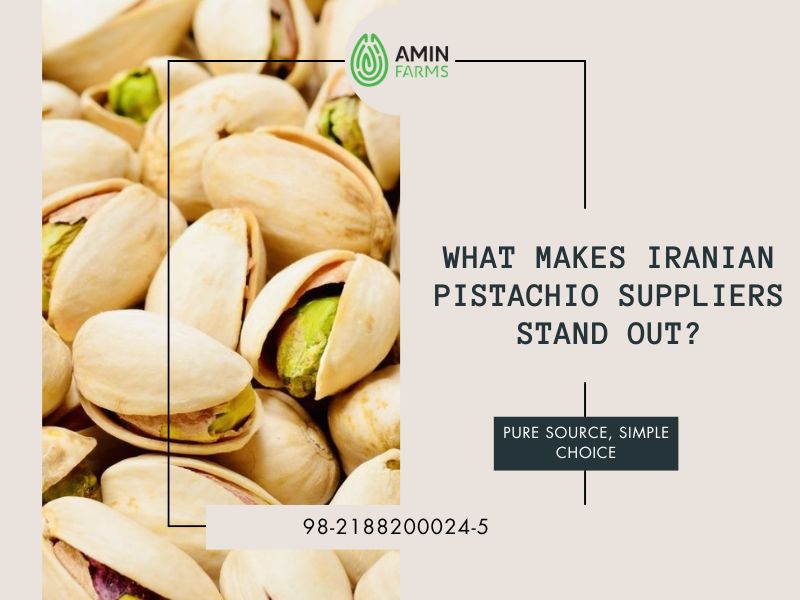
Iranian pistachios have long stood out in global markets for their exceptional taste and quality. But what truly sets Iran pistachio suppliers apart from their competitors is a unique blend of tradition, innovation, and dedication to international standards, spanning every step from the orchard to the store shelf. With a deep understanding of global market needs, Iranian suppliers have earned their reputation as reliable sources of premium-quality pistachios.
Discover more: Best Iranian Pistachio Export Company
1. A Rich Legacy of Cultivation
Iran has been cultivating pistachios for thousands of years. This deep-rooted history has given producers an unmatched understanding of how to grow the finest varieties. Their traditional knowledge, combined with experience passed down through generations, results in pistachios that deliver truly distinctive flavor and texture.
2. Unmatched Variety
Iran offers the broadest range of pistachio types in the world, from smiling and almond-shaped pistachios to popular varieties like Akbari and Kalleh Ghouchi. This diversity allows suppliers to meet the specific needs of customers across various international markets.
3. Superior Flavor and Quality
Thanks to Iran’s unique climate and fertile soil, its pistachios are richer in flavor, oil content, and nutrients than those grown elsewhere. This natural advantage gives them a signature taste that’s hard to replicate.
4. Quality Standards and Certifications
Leading Iranian suppliers follow rigorous international standards, including aflatoxin control, and hold certifications like ISO and HACCP. These guarantees ensure both product safety and premium quality.
5. Modern Processing and Packaging
Equipped with advanced facilities for sorting, drying, and packaging, Iranian producers maintain freshness and quality through fully automated, hygienic processes.
6. Competitive Pricing and Reliability
Despite their high quality, Iranian suppliers offer competitive prices due to lower production costs and direct supply chains from local farmers. Their flexibility and capacity to handle large orders make them trusted long-term partners for importers worldwide.
Discover more: Exporting Coffee to Iran
How to Choose Reliable Pistachio Suppliers in Iran?
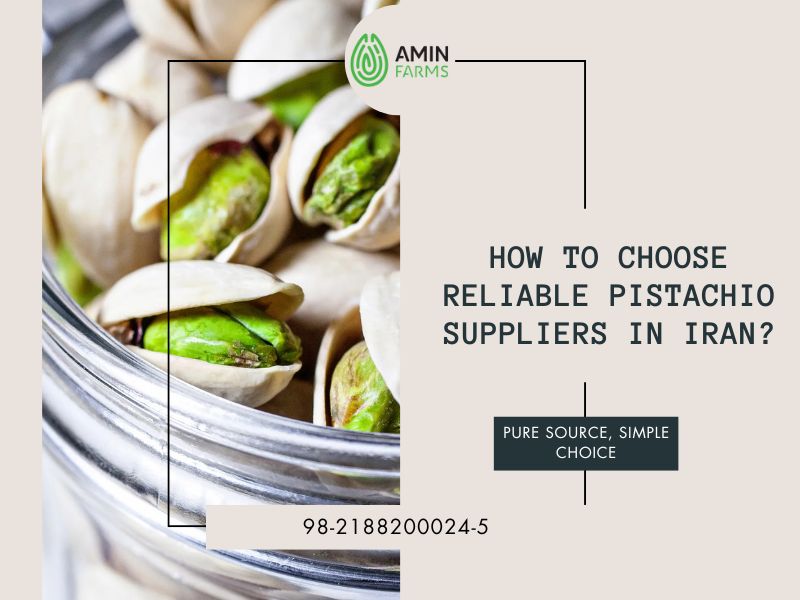
Importer Tip: Never evaluate a pistachio supplier based on product photos or price alone. Before placing a bulk order, confirm the exact variety, grade, size, moisture specifications where applicable, permitted defect tolerance, packaging requirements, laboratory testing requirements, and Incoterms in writing.
Choosing a reliable business partner in Iran is the key to successful pistachio imports and minimizing trade risks. This decision should be based on a careful assessment of each supplier’s capabilities and commitment to international standards. To ensure product quality and transaction security, importers should pay close attention to several essential criteria.
- Quality Certifications and Standards: Always check whether the company holds valid certifications such as ISO, HACCP, or the EU-approved Aflatoxin Green Leaf certificate. These documents guarantee that the product meets strict global health and safety requirements.
- Export Experience and Track Record: Select a supplier with a proven history of exporting to your target market or similar international destinations. Experience with logistics, customs procedures, and global payment systems reflects professionalism and reliability.
- Transparent Supply Chain: Trustworthy Iranian pistachio suppliers provide complete traceability, from the farm to processing and packaging. The option to audit their facilities is a significant advantage.
- Processing and Packaging Capabilities: Final product quality depends on advanced sorting, drying, and packaging methods. Ensure the supplier uses modern, hygienic equipment.
- Payment Terms and Contracts: Negotiate financial conditions, letters of credit (LC), and Incoterms carefully. A professional supplier offers clear, fair agreements that protect both parties and foster long-term cooperation.
Bulk Sourcing Options from Iranian Pistachio Suppliers
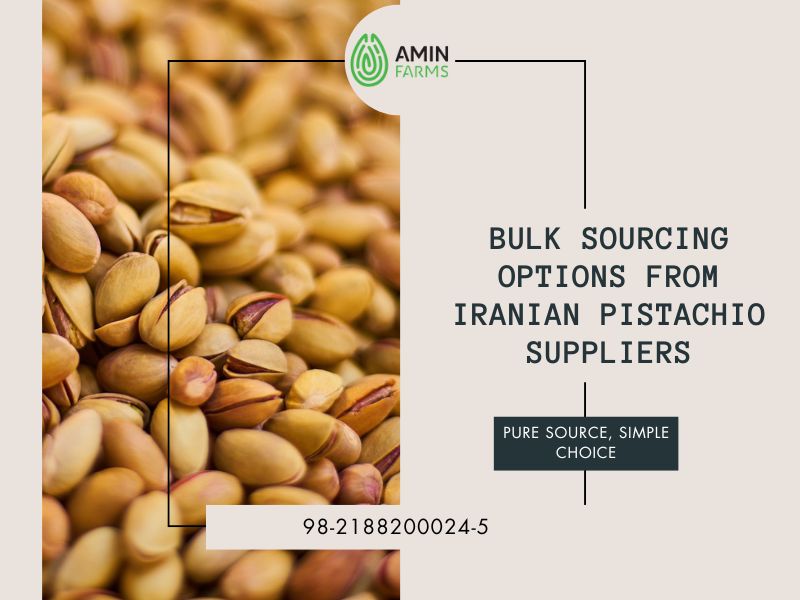
Iran pistachio suppliers offer a wide range of bulk purchasing options designed to meet the diverse needs of international importers. These options include different processing styles, packaging types, and shipping methods. Buyers can choose between raw pistachios and processed varieties, such as salted, roasted, or saffron-flavored, each offering its own unique advantages. Raw pistachios are often preferred for their lower cost and flexibility for further processing in the destination country.
When it comes to packaging, suppliers provide multi-layer export bags and sturdy cartons in various weights to ensure freshness and product safety during transport. Shipping options include sea freight (container) for large orders and air freight for faster delivery. Reputable Iranian suppliers also offer professional consultation to help importers select the best solution based on order volume, budget, and delivery time, making the sourcing process smooth, efficient, and fully customized.
Regional Insights: Kerman and Beyond
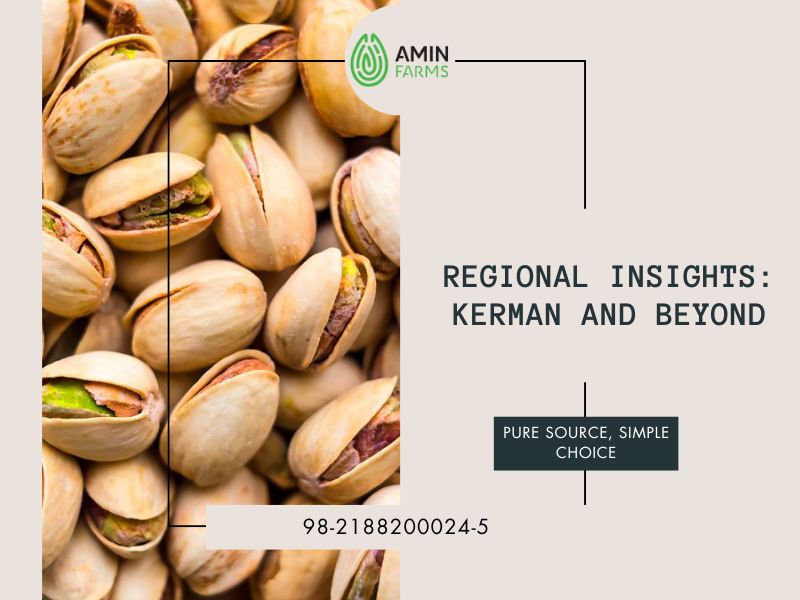
The pistachio industry in Iran is deeply connected to its growing regions, each giving the product its own distinct character. Kerman Province, especially the city of Rafsanjan, is known as the pistachio capital of Iran, producing the largest share of the country’s crop.
Pistachios from this region, particularly the Ahmad Aghaei and Akbari varieties, are prized for their premium quality and rich flavor. Iran pistachio suppliers based here often have large-scale processing facilities and the capacity to handle bulk export orders efficiently.
Other regions also play key roles in pistachio production. Khorasan Province, with cities like Feyzabad and Kashmar, specializes in Fandoghi and Badami pistachios, high in quality and more affordable, making them popular in specific markets. Provinces such as Yazd and Semnan also contribute to Iran’s pistachio diversity, creating a rich geographical advantage that strengthens the competitiveness of Iranian suppliers worldwide.
Key Factors Influencing Wholesale Pistachio Pricing
Navigating the pricing landscape of agricultural commodities requires data-driven market intelligence. When requesting quotes from an Iranian pistachio supplier, several dynamic variables influence the final FOB (Free On Board) or CIF (Cost, Insurance, and Freight) price:
- Crop Yield Cycles (Alternate Bearing): Pistachio trees operate on biennial bearing cycles—an “on-year” (heavy yield) followed by an “off-year” (lighter yield). Buying early during an on-year typically secures the most competitive baseline pricing.
- Aflatoxin Sorting Strictness: Meeting stringent European Union (EU) aflatoxin limits requires multiple rounds of advanced laser/color sorting (Sortex) and rigorous lab testing. EU-certified loads carry a premium over standard shipments destined for markets with more relaxed regulations.
- Kernel-to-Shell Ratio: Varieties with higher meat yields offer better value for processing buyers. Prices fluctuate based on the percentage of blank (empty) or closed-shell nuts permitted within a specific grade tolerance.
Currency Exchange Rates: Because Iranian pistachios are often traded using localized financial hubs and varied currencies, macroeconomic shifts play a direct role in export pricing structures. Engaging a supplier with fixed-contract options shields wholesale buyers from sudden volatility.
Tips for Partnering with Iran Pistachio Exporters
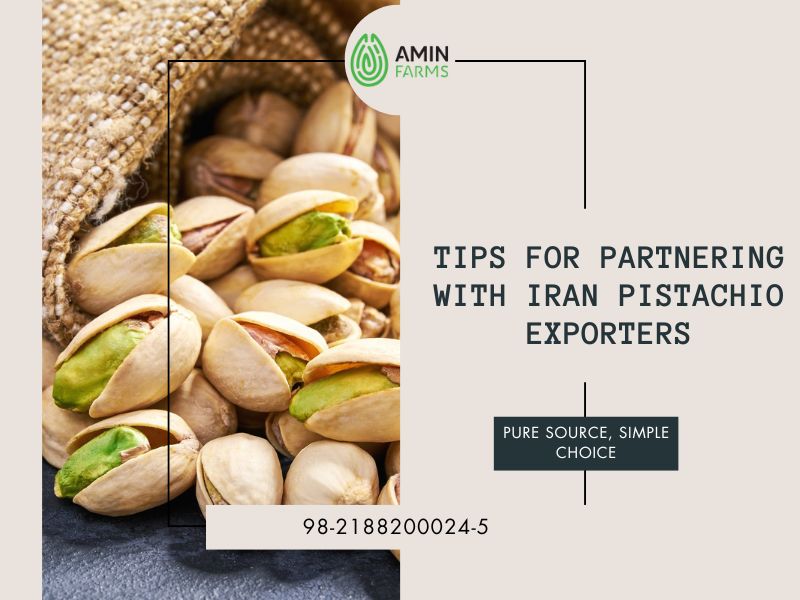
Building a strong and lasting partnership with exporters is the key to successful pistachio imports from Iran. Such collaboration requires mutual understanding, clear communication, and careful attention to every step of the trade process. By following these principles, importers can ensure a smooth, profitable experience when working with Iranian pistachio suppliers.
- Clear and Direct Communication: Avoid misunderstandings by communicating directly with your supplier. Clearly specify your requirements, including pistachio type, quality grade, packaging, and order volume.
- Verification of Certificates: Request essential documents such as quality certifications, certificates of origin, and the EU-approved Aflatoxin Green Leaf certificate. These ensure the product meets your market’s standards.
- Negotiating Payment Terms: Use secure payment methods like Letters of Credit (LC) to protect both sides and build long-term trust.
- Assessing Production Capacity: Before finalizing a contract, confirm the supplier’s ability to meet your required quantities on schedule.
- Visiting Production Facilities: Whenever possible, visit the processing site to verify quality and transparency firsthand.
One company that fulfills all these standards is Amin Farms, one of the most trusted and professional pistachio suppliers in Iran. With proven export expertise and a deep commitment to quality, Amin Farms is the ideal partner for global importers seeking excellence and reliability.
Related Products