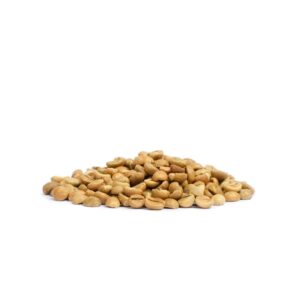

Iran’s coffee culture is undergoing a dramatic structural transformation. While tea remains a daily staple, a rapidly growing segment of the urban youth is driving sustained demand for specialty Arabica and high-grade Robusta green beans. With over 65% of Iran’s 85+ million population under the age of 35, coffee has shifted from an occasional luxury to a core lifestyle preference.
For international producers and traders, entering this market offers substantial growth potential. However, long-term commercial success relies on precise compliance with Iranian trade regulations, clear financial clearing channels, and reliable local logistics.
Why Iran is a Booming Market for Green Coffee Beans?
The rapid expansion of third-wave specialty cafés across major metropolitan hubs—including Tehran, Isfahan, Mashhad, and Shiraz—has created steady demand for reliable green coffee supplies:
- The Café Revolution: In Tehran alone, dozens of new specialty cafés open each month, creating demand for consistently high-quality beans.
- From Commodity to Craft: Consumers have graduated from instant coffee to exploring origins, processing methods, and brewing techniques.
- The Social Shift: Coffee represents modernity and global connection; it’s where business meets social life.
- Accessible Luxury: Even in uncertain economic times, coffee remains an affordable luxury that young Iranians prioritize.
- Digital Discovery: Social media and e-commerce platforms have turned regional trends into national movements overnight.
- Quality Gap: The market desperately needs reliable suppliers who understand how to consistently and carefully export coffee to Iran.
- First-Mover Advantage: The space is still open for brands that can build trust and tell compelling stories.
Put simply, demand is rising, competition is still manageable, and the timing couldn’t be better for exporters who move early and smart.
Discover more: how to export turmeric powder from india
Navigating Iranian Customs and Import Regulations
Importing agricultural commodities like green coffee into Iran requires strict alignment with the Ministry of Industry, Mine and Trade (MIMT) and the Iran Food and Drug Administration (IFDA) under HS Code 0901.
Order Registration
Before any cargo is loaded at the origin port, the registered Iranian importer must complete the Sabt-e Sefaresh (Order Registration) through the National Trade Single Window. Arriving at an Iranian port without an approved order registration leads to administrative holds, demurrage charges, or mandatory re-exportation.
Documentation Requirements
To clear customs successfully (Definite Import), every shipment must be accompanied by the following authenticated documents:
- Phytosanitary Certificate: Issued by the plant health authority of the exporting nation, confirming the cargo is free of regulated pests.
- Health / Sanitary Certificate: Certifying the beans are processed according to food safety standards and fit for human consumption.
- Certificate of Origin (COO): Verified by the issuing country’s Chamber of Commerce.
- Commercial Invoice & Packing List: Detailing precise HS codes, batch numbers, net/gross weights, and CIF value.
- Bill of Lading (B/L): Issued to match the exact consignee details approved in the local Sabt-e Sefaresh filing.
Import Tariffs and Duty Calculations
Iran’s tariff policy distinguishes clearly between unroasted green coffee and processed goods to protect local value-addition:
| Coffee Product Type | Duty & Profit Strategy | Strategic Advantage |
| Green Coffee Beans (HS 0901.11 / 0901.12) | Lower Tariff Tier | Encourages raw material entry for local roasters; minimizes landed costs. |
| Roasted / Ground Coffee (HS 0901.21 / 0901.22) | Higher Protectionist Tariffs | Subject to higher commercial profit margins (Sood-e Bazargani) to protect domestic processors. |
Financial Settlement Channels
Navigating payments for exports to Iran requires structured settlement methods that comply with international regulations:
- Central Bank Allocation: Local buyers access official trade currency through the Central Bank of Iran (CBI) for approved agricultural order registrations.
- Licensed Exchange Houses (Sarrafi): International payments are routinely cleared through licensed corporate exchange houses utilizing established financial corridors (e.g., UAE, Turkey, or Oman).
- Third-Party Trade Intermediaries: Utilizing regional trading hubs allows international sellers to receive payment in convertible currencies prior to releasing ownership documents.
The Shift from Tea to Coffee: Understanding Iranian Consumer Trends
Walk into any modern Tehran café, and you’ll feel it: the quiet hum of a cultural transformation. For Iran’s youth, coffee isn’t just replacing tea; it’s creating a new vocabulary for social connection. The traditional samovar still holds its place at home, but the espresso machine now dominates urban social spaces.
This shift reflects something more profound: a generation using coffee to express their international outlook and creative identities. They’re not abandoning tradition; they’re expanding it. And this nuanced understanding of consumer psychology is exactly what separates those who ship coffee from those who approach coffee bean export to Iran with cultural intelligence.
The ritual has shifted from a ceremonial tea service to a personal choice between a pour-over and a flat white. Each cup tells a story of a country in transition. For smart exporters, that story represents the most valuable kind of market research.
Navigating Iranian Customs and Import Regulations
Let’s be honest, customs procedures can feel like a maze. But in Iran, this maze has a clear map if you know where to look. The key isn’t to see regulations as barriers, but as the final checkpoint before your beans meet their audience.
Think of it as a necessary handshake with the market. The system is structured and precise, requiring attention to detail and the proper paperwork, prepared in the correct order.
Success here hinges on one critical understanding: how to export coffee to Iran seamlessly depends on treating customs not as an obstacle, but as your first strategic partner on the ground. Get this relationship right, and you build a foundation of trust and reliability for every shipment that follows.
Required Documentation: Health Certificates and Phytosanitary Permits
This is where your coffee’s journey gets its official passport. A health certificate issued by your country of origin is a formal declaration that your green coffee beans are safe for human consumption; it’s your product’s clean bill of health.

Alongside it, the phytosanitary permit serves as a plant passport, confirming that the beans are free of pests and diseases. In the context of exporting coffee to Iran, these aren’t just pieces of paper; they are non-negotiable tokens of your professionalism and commitment to quality.
Presenting these documents correctly is what transforms your shipment from “held at the border” to “cleared for entry.” It’s the silent language of trust that Iranian authorities both expect and respect.
Understanding Import Duties and Tariffs for Arabica and Robusta
Understanding import duties is where the business side of your coffee journey truly comes into focus. Iran sets different tariff rates for Arabica and Robusta, influenced by factors like origin, quality grade, and existing trade frameworks.
One insight often surprises exporters: green beans typically face more favourable duties than roasted coffee. This detail can significantly shape your pricing strategy. For anyone exploring how to export coffee to Iran or mapping out the broader landscape of coffee bean exports to Iran, building your cost model around these duties from the beginning is essential.
Rates may shift over time, but planning with accurate, current information will always protect your margins. This is where a knowledgeable local partner becomes invaluable, someone who monitors tariff updates and helps ensure your shipment lands without unexpected financial setbacks.
Solving the Payment Puzzle: Banking and Financial Channels
Handling payments for Iran can feel like the most challenging part of the export process. Still, it becomes far more manageable once you understand the channels that actually work. With traditional banking routes limited, exporters rely on trusted intermediaries, exchange houses, and structured settlement methods that keep transactions secure and transparent.

The key is partnering with financial agents who have real experience navigating these flows. For anyone learning how to export coffee to Iran, mastering payment pathways is as essential as understanding logistics or tariffs. When you choose the right channel, you protect your margins, avoid delays, and keep every shipment moving with confidence.
Logistics and Shipping: Choosing the Right Route (Bandar Abbas vs. Chabahar)
The route your coffee takes into Iran can shape everything that comes after it. Each port, Bandar Abbas and Chabahar, sets a different rhythm for your supply chain, from clearance speed to how quickly your beans reach roasters and distributors.
Bandar Abbas is the country’s powerhouse gateway, a busy, well-connected hub familiar to most freight operators. Chabahar, on the other hand, offers a quieter route with growing infrastructure and shorter access to eastern markets.
The best choice depends on your timelines, your buyer’s location, and the rhythm you want your shipments to follow. When you match the correct route with the right partner, your coffee doesn’t just arrive; it arrives smoothly, predictably, and ready to move across the country without missing a beat.
Why You Need a Reliable Local Importer in Iran?
Let me be direct: trying to navigate the Iranian coffee market alone is like sailing into unfamiliar waters without a local pilot. A reliable importer isn’t just a “nice-to-have”; they’re your essential partner who turns regulatory challenges into smooth processes and cultural nuances into business opportunities.
They’re the key that unlocks consistent market access while you focus on what you do best: producing exceptional coffee. When you understand how to export coffee to Iran, you quickly realize that your local partner is the cornerstone of your entire operation; they’re the difference between theoretical market entry and actual, sustainable growth.
How Amin Farms Facilitates Seamless Coffee Distribution Across the Country?
Moving coffee smoothly across Iran takes more than shipping documents and a truck on standby. Anyone exploring how to export coffee to Iran, or planning any form of coffee bean export to Iran, quickly realizes that the real challenge begins after the beans clear customs.

The country’s vast geography, shifting climates, and regional taste patterns demand a distributor who understands the market’s rhythm and the pace of demand. Without that intuition, delays stack up and product freshness slips. That’s why experienced local stewardship matters.
Over the years, Amin Farms has become that steady, detail-driven partner, translating your import efforts into consistent, nationwide availability without friction or guesswork.
Related Products