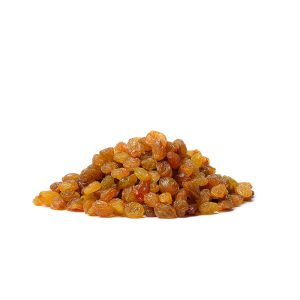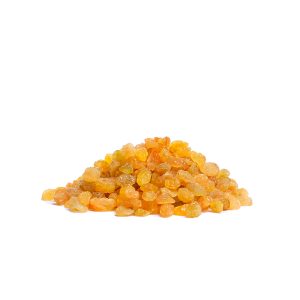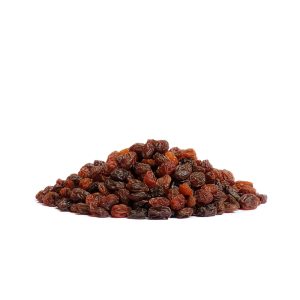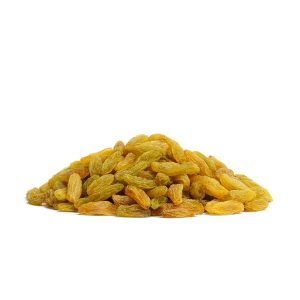
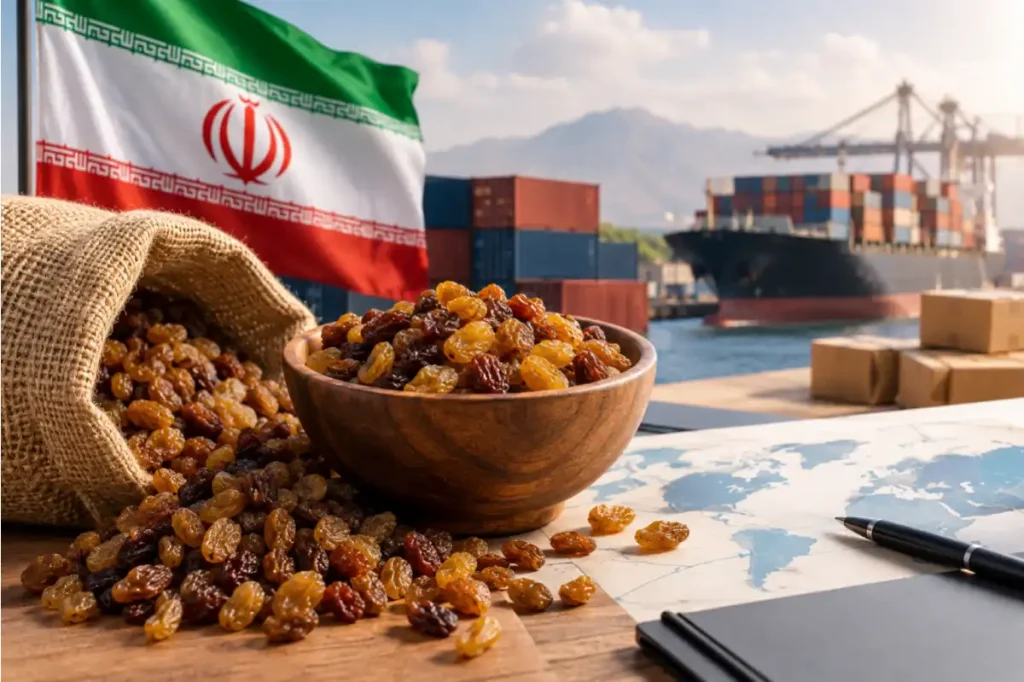
When sourcing bulk dried fruit, knowing how to import raisins from Iran gives your supply chain a serious competitive edge. Iran exports hundreds of thousands of tons annually, offering buyers superior price-to-quality yields across a massive range of commercial grape varieties. By partnering with vetted exporters and using secure milestone payments through corporate hubs, the entire process is highly predictable. If you’re looking for an import raisins from Iran guide that cuts through the noise, this breakdown will show you exactly how to lock in favorable contracts, meet global quality standards, and streamline your logistics.
Overview of Iran’s Raisin Export Industry
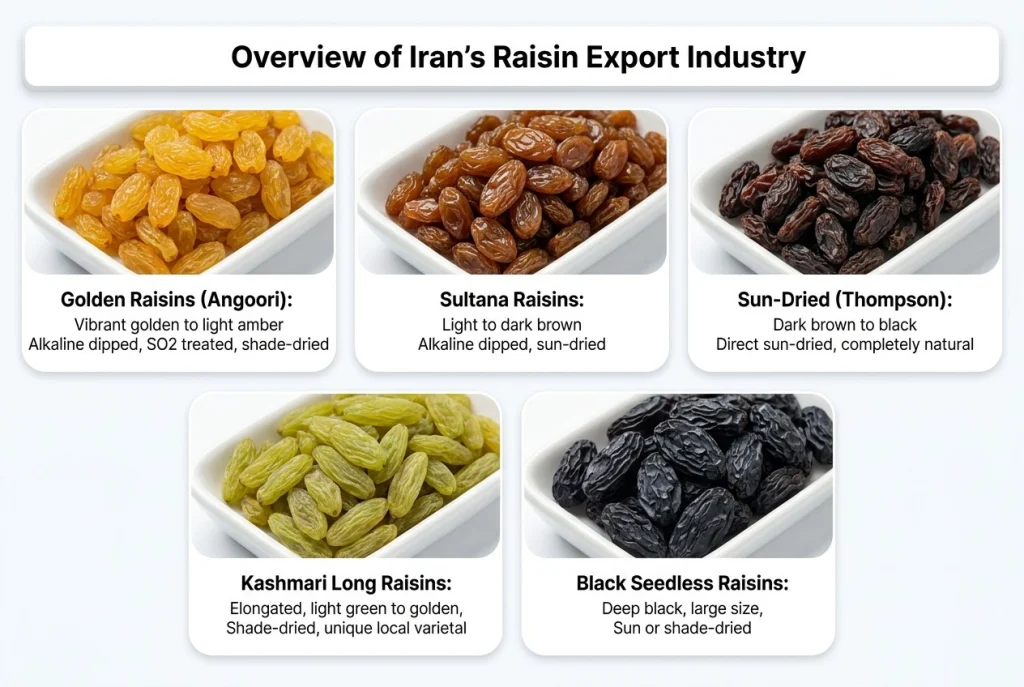
If you are looking into how to import raisins from Iran, you first need to understand the sheer scale of the market. Iran is a global agricultural powerhouse and consistently ranks as a top-three global exporter of dried vine fruits. The country produces around 300,000 metric tons of raisins every year, keeping industrial bakeries, snack brands, and wholesale distributors stocked across more than 80 countries.
This massive output comes down to the perfect climate. Iran’s core agricultural regions get over 300 days of intense sunshine annually. As a result, the grapes develop a naturally high sugar content (brix), meaning they dry beautifully without the need for artificial sweeteners.
To buy Iranian raisins wholesale effectively, you should know where they come from. The industry is broken down into specific regional hubs:
- Malayer (Hamedan): The historic heartland for high-volume Sultana production.
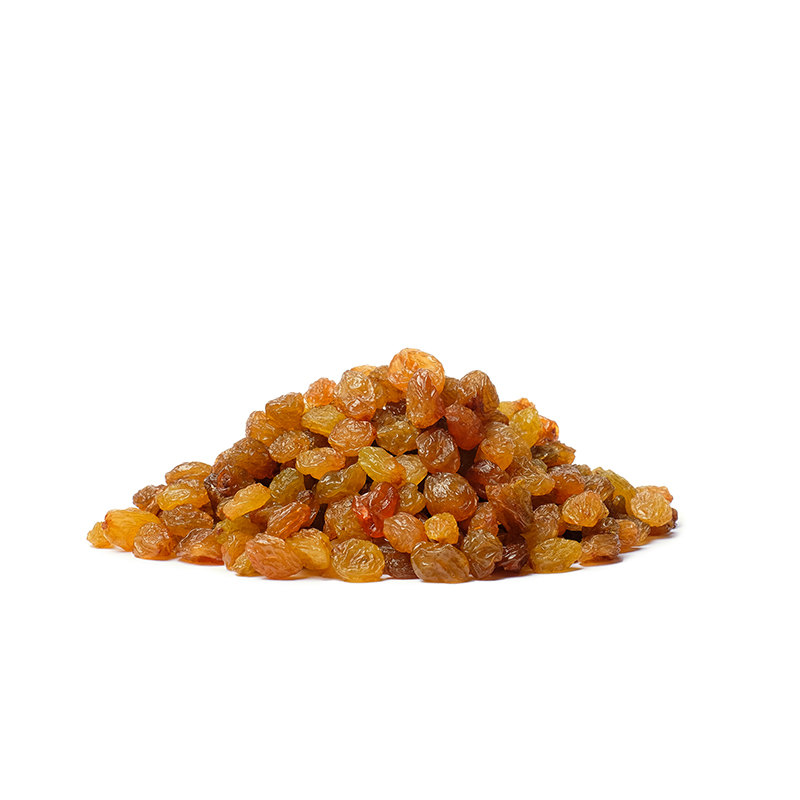
- Bonab and Malekan: The premier centers for Golden (Angoori) raisins, where controlled shade-drying locks in that vibrant amber color.
- Takestan (Qazvin): A major industrial center producing both Sultanas and natural sun-dried seedless varieties.
- Kashmar: Famous worldwide for its unique, elegant long green and golden raisins.
Here is a quick breakdown of the Iran raisin varieties B2B buyers typically source:
| Commercial Variety | Key Origin | Appearance & Color | Processing Method | Typical B2B Use |
|---|---|---|---|---|
| Golden Raisins (Angoori) | Bonab, Malekan | Vibrant golden to light amber | Alkaline dipped, SO2 treated, shade-dried | Premium bakery, retail snack packs |
| Sultana Raisins | Malayer, Takestan | Light to dark brown | Alkaline dipped, sun-dried | Industrial bakery, breakfast cereals |
| Sun-Dried (Thompson) | Takestan, Malayer | Dark brown to black | Direct sun-dried, completely natural | Health snacks, organic mixes |
| Kashmari Long Raisins | Kashmar | Elongated, light green to golden | Shade-dried, unique local varietal | Premium nut mixes, specialized retail |
| Black Seedless Raisins | Various regions | Deep black, large size | Sun or shade-dried | Energy bars, luxury culinary uses |
Why Iran Is a Leading Choice for Global B2B Buyers
So, why do top procurement managers actively seek out a Sultana raisins Iran supplier instead of buying from California or South Africa? It comes down to three massive commercial benefits:
- Unbeatable Margins: Lower domestic production and energy costs mean significant savings. Because of this, you get premium-grade ingredients at highly competitive bulk pricing.
- Next-Level Sorting Technology: The export sector is incredibly modern. Today’s processing plants use advanced laser and optical sorters (like Bühler and TOMRA) to guarantee the raisins are stem-free, stone-free, and over 99.5% pure.
- Year-Round Availability: Massive, climate-controlled warehouses in these processing hubs protect the harvest. That means you get a consistent, year-round supply for your long-term contracts.
Step 1 – Define Your Sourcing Specifications
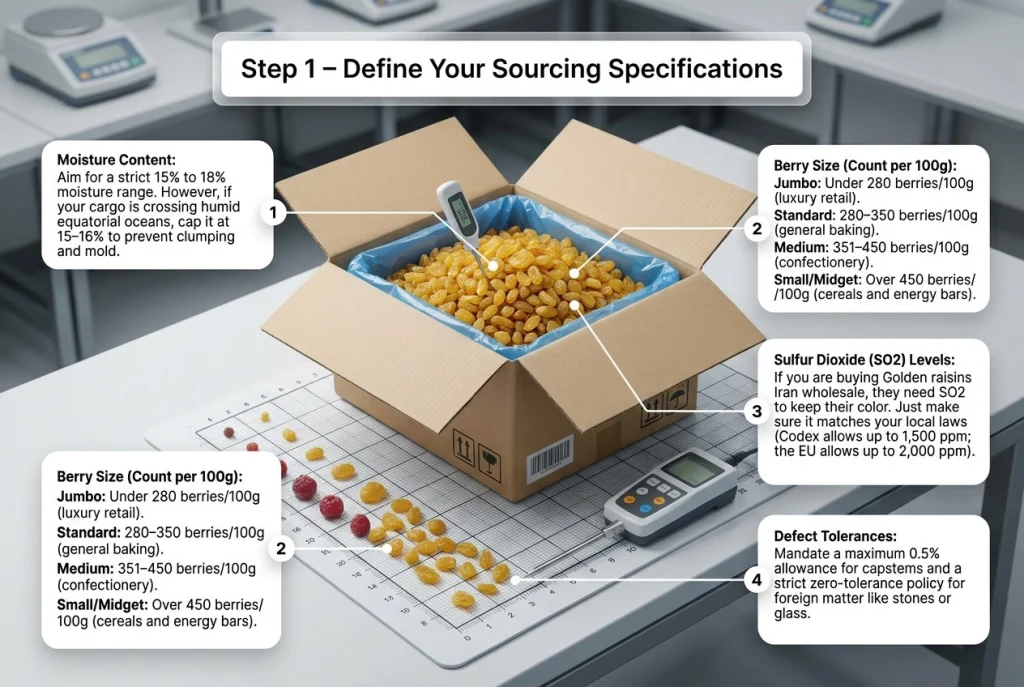
When learning how to import raisins from Iran, your first practical step is nailing down your technical specs. Forget vague marketing terms like “Grade A.” Professional buyers rely on hard data, specifically the UNECE DDP-11 and Codex Alimentarius standards.
To get exactly what you pay for, your Request for Quotation (RFQ) needs to lock in these four parameters:
- Moisture Content: Aim for a strict 15% to 18% moisture range. However, if your cargo is crossing humid equatorial oceans, cap it at 15–16% to prevent clumping and mold.
- Berry Size (Count per 100g): Size matters for manufacturing machinery.
- Jumbo: Under 280 berries/100g (luxury retail).
- Standard: 280–350 berries/100g (general baking).
- Medium: 351–450 berries/100g (confectionery).
- Small/Midget: Over 450 berries/100g (cereals and energy bars).
- Sulfur Dioxide (SO2) Levels: If you are buying Golden raisins Iran wholesale, they need SO2 to keep their color. Just make sure it matches your local laws (Codex allows up to 1,500 ppm; the EU allows up to 2,000 ppm). Sun-dried varieties are naturally SO2-free.
- Defect Tolerances: Mandate a maximum 0.5% allowance for capstems and a strict zero-tolerance policy for foreign matter like stones or glass.
Selecting Packaging and Incoterms
Next, you have to pack and ship it right. Standard export packaging uses 5 kg or 10 kg high-tensile corrugated cartons lined with food-grade blue polyethylene bags. The blue color is intentional—if the bag tears, optical sorters catch the blue plastic instantly. You can easily fit 20 to 22 metric tons into a standard 20-foot container.
In terms of shipping terms (Incoterms 2020), you have two main options:
- FOB (Free On Board): Perfect if you already have global maritime contracts and want to handle your own ocean freight from the Iranian port.
- CFR / CIF (Cost and Freight / Cost, Insurance, and Freight): This is the easiest, turnkey option. The exporter handles the logistics and leverages their local volume discounts to get the cargo right to your destination port.
Step 2 – Finding and Vetting a Reliable Exporter
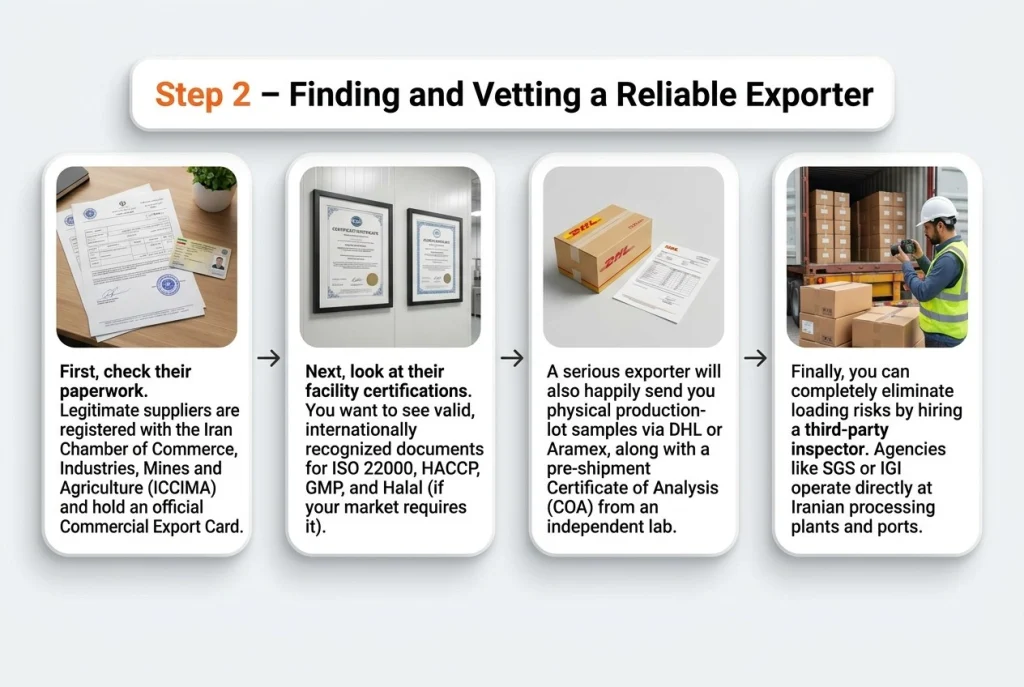
Finding a trustworthy partner is a major part of understanding how to import raisins from Iran. Fortunately, vetting an exporter is a very straightforward, standardized process.
First, check their paperwork. Legitimate suppliers are registered with the Iran Chamber of Commerce, Industries, Mines and Agriculture (ICCIMA) and hold an official Commercial Export Card.
Next, look at their facility certifications. You want to see valid, internationally recognized documents for ISO 22000, HACCP, GMP, and Halal (if your market requires it). A serious exporter will also happily send you physical production-lot samples via DHL or Aramex, along with a pre-shipment Certificate of Analysis (COA) from an independent lab.
Finally, you can completely eliminate loading risks by hiring a third-party inspector. Agencies like SGS or IGI operate directly at Iranian processing plants and ports. They will physically count the cartons, test the quality, and watch the container get sealed before it leaves the country.
Step 3 – HS Codes, Tariffs and Quality Standards
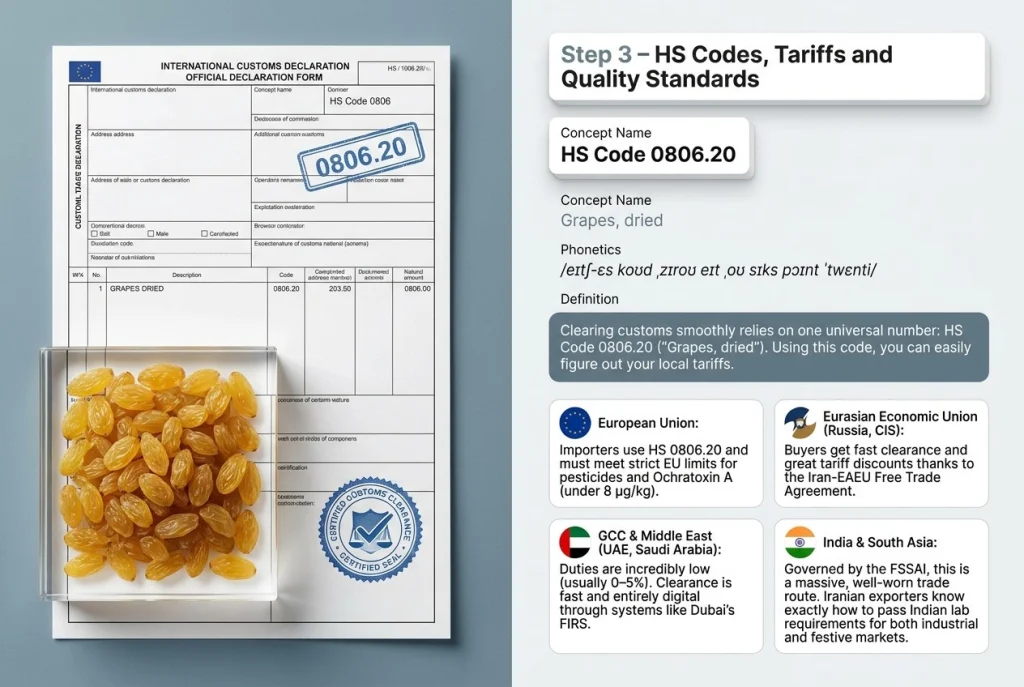
Clearing customs smoothly relies on one universal number: HS Code 0806.20 (“Grapes, dried”).
Using this code, you can easily figure out your local tariffs. Iran raisin quality standards are recognized globally, which makes clearing borders much easier than most new buyers expect:
- European Union: Importers use HS 0806.20 and must meet strict EU limits for pesticides and Ochratoxin A (under 8 µg/kg). Modern Iranian processors hit these targets easily through advanced sorting and controlled drying.
- Eurasian Economic Union (Russia, CIS): Buyers get fast clearance and great tariff discounts thanks to the Iran-EAEU Free Trade Agreement.
- GCC & Middle East (UAE, Saudi Arabia): Duties are incredibly low (usually 0–5%). Clearance is fast and entirely digital through systems like Dubai’s FIRS.
- India & South Asia: Governed by the FSSAI, this is a massive, well-worn trade route. Iranian exporters know exactly how to pass Indian lab requirements for both industrial and festive markets.
Step 4 – Commercial Payment Terms and Safe Financial Flow
One of the biggest questions buyers have about how to import raisins from Iran is how to actually pay for them. The reality is that international payments are highly secure and run through standard, everyday banking channels.
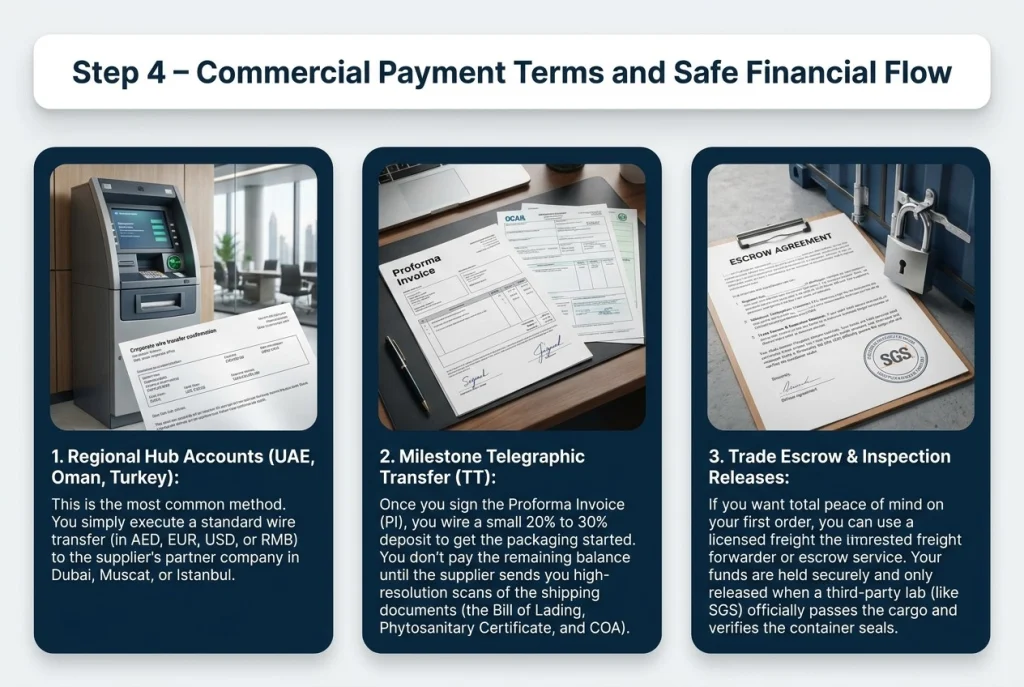
Most top-tier Iranian processors operate registered corporate partner companies in major financial hubs. Because of this, you rarely send money directly to Iran. Instead, you use one of three standard setups:
- Regional Hub Accounts (UAE, Oman, Turkey)
This is the most common method. You simply execute a standard wire transfer (in AED, EUR, USD, or RMB) to the supplier’s partner company in Dubai, Muscat, or Istanbul. It feels just like paying any other global supplier.
- Milestone Telegraphic Transfer (TT)
This setup protects both sides. Once you sign the Proforma Invoice (PI), you wire a small 20% to 30% deposit to get the packaging started. You don’t pay the remaining balance until the supplier sends you high-resolution scans of the shipping documents (the Bill of Lading, Phytosanitary Certificate, and COA). You only pay the rest when you know the cargo is on the water.
- Trade Escrow & Inspection Releases
If you want total peace of mind on your first order, you can use a licensed freight forwarder or escrow service. Your funds are held securely and only released when a third-party lab (like SGS) officially passes the cargo and verifies the container seals.
Step 5 – Comprehensive Logistics: Iranian Export Ports & Global Destination Hubs
When it comes to logistics, Iranian dried fruit shipping ports are strategically located to connect directly to the world’s biggest transit hubs. Whether you need ocean freight, direct trucking, or rail, the infrastructure is already there.
Key Ports of Origin:
- Shahid Rajaee Port (Bandar Abbas): The absolute powerhouse. It handles 85% of Iran’s sea freight, featuring deep-water berths and direct feeder loops to global mega-ports.
- Chabahar Port: Located on the Gulf of Oman, it bypasses the Strait of Hormuz and provides a lightning-fast direct route to India and South Asia.
- Caspian Sea Ports (Amirabad, Bandar Anzali): These northern ports offer direct Ro-Ro and container access to Russia and the CIS.
- Overland Hubs (Bazargan): The main trucking gateway directly into Turkey and the European road network.
How Your Cargo Gets to You:
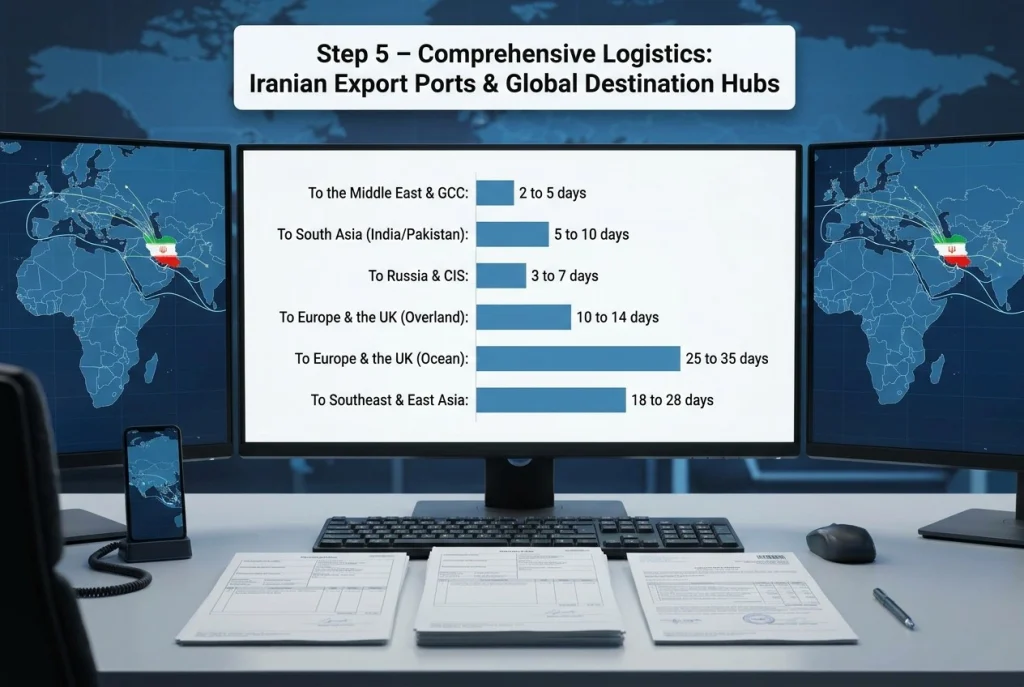
- To the Middle East & GCC: Cargo ships directly from Bandar Abbas to Jebel Ali (Dubai), Doha, or Dammam. Transit time is just 2 to 5 days.
- To South Asia (India/Pakistan): Direct ocean freight from Chabahar or Bandar Abbas reaches Nhava Sheva, Mundra, or Karachi in 5 to 10 days.
- To Southeast & East Asia: Feeder vessels connect through Jebel Ali or Singapore, reaching Port Klang, Shanghai, or Busan in roughly 18 to 28 days.
- To Europe & the UK: You have two choices. Fast, direct refrigerated trucking through Turkey takes 10 to 14 days. Standard ocean freight to Rotterdam, Hamburg, or Felixstowe takes 25 to 35 days.
- To Russia & CIS: Direct maritime transit across the Caspian Sea from Amirabad takes only 3 to 7 days.
The Paperwork You Need:
To ensure a frictionless arrival, your supplier will provide a complete document packet:
- Commercial Invoice & Packing List
- Clean On-Board Ocean Bill of Lading (B/L)
- Official Phytosanitary Certificate
- Certificate of Origin (from the ICCIMA)
- Independent Certificate of Analysis (COA)
- ISPM-15 Fumigation Certificate (if using wooden pallets)
Step 6 – Customs Clearance and Arrival Quality Verification
If your paperwork is in order, clearing customs is a breeze. With a good local customs broker, your container should be released within 24 to 48 hours of hitting the dock.
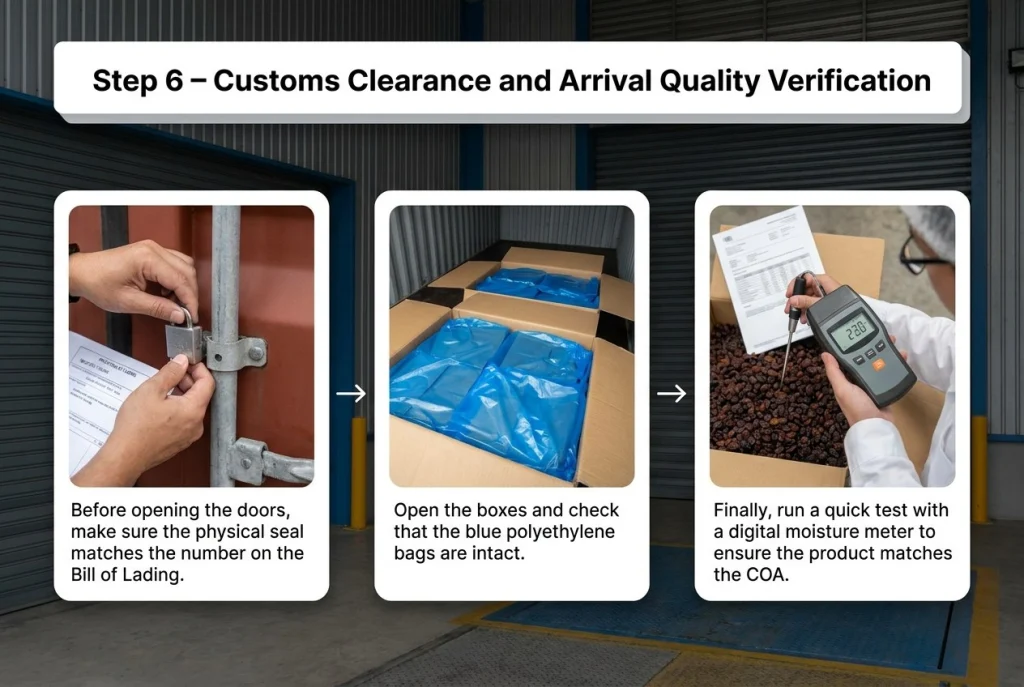
Once the container arrives at your facility, run a quick verification check. Before opening the doors, make sure the physical seal matches the number on the Bill of Lading. Open the boxes and check that the blue polyethylene bags are intact. Finally, run a quick test with a digital moisture meter to ensure the product matches the COA. Once everything checks out, your procurement team can finalize the order.
Why Leading Global Brands Partner with Iranian Producers
Ultimately, learning how to import raisins from Iran opens the door to massive supply chain advantages. Global food brands source from Iran because it perfectly blends high volume, natural quality, and sharp pricing.
The combination of generations of farming expertise, advanced laser-sorting technology, and a massive logistics network makes Iranian raisins a premium choice for buyers looking to protect their bottom line without sacrificing quality. To get started, reach out to a vetted supplier’s regional office in Dubai or Istanbul. Request a spec sheet and a sample box, and run a trial container to see the quality and margin benefits for yourself.
Conclusion
Importing wholesale raisins from Iran offers international buyers access to premium agricultural products at highly competitive price points. By understanding the distinct regional varieties, mandating strict UNECE quality specifications, and utilizing secure regional payment hubs, procurement managers can execute transactions with total confidence. With comprehensive logistics networks connecting Iranian ports directly to global destinations, securing this vital commodity is a seamless, predictable, and highly profitable long-term sourcing strategy.
FAQs
Which Iranian port is best suited for shipping raisins to my destination?
For most of the world, Shahid Rajaee Port (Bandar Abbas) is the go-to gateway, offering direct connections to Europe, the GCC, and Asia. Meanwhile, Chabahar is the fastest route for South Asian buyers, and the northern ports of Amirabad and Anzali handle direct shipments across the Caspian Sea to Russia.
How do international buyers safely handle payments with Iranian raisin suppliers?
Payments are incredibly standard and secure. You simply execute a normal wire transfer to the supplier’s registered corporate partner in a regional hub like Dubai, Oman, or Turkey. By using milestone terms (paying a deposit first, and the balance only against shipping documents), both your money and the cargo are fully protected.
What are the transit times for Iranian raisins to major global markets?
Logistics are remarkably fast. It takes 2–5 days to reach GCC ports, 5–10 days to India, and 18–28 days to East Asia. For Europe, direct overland trucking takes 10–14 days, while standard ocean freight takes roughly 25–35 days.
What official quality and food safety certificates accompany each shipment?
Every single export container ships with an official Phytosanitary Certificate, a Certificate of Origin, an ISPM-15 Fumigation Certificate, and an accredited Certificate of Analysis (COA). These documents prove the cargo’s purity and guarantee it will clear your local border inspections smoothly.
Related Products