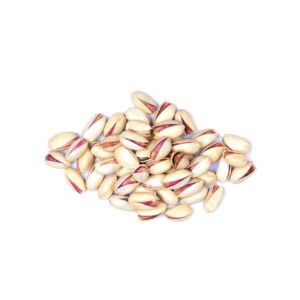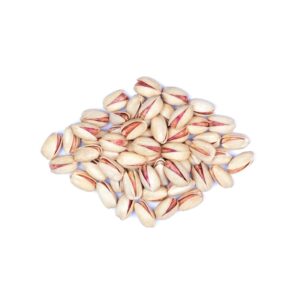
Pistachios are enjoyed around the world as a nutritious snack and versatile culinary ingredient. However, buyers often face one simple question: should you choose salted or unsalted pistachios?
The answer depends on how you plan to use them, your dietary preferences, and the amount of sodium you consume from other foods.
Both salted and unsalted pistachios can provide valuable nutrients, including plant protein, dietary fibre, unsaturated fats, vitamins, and minerals. The main nutritional difference usually comes from the amount of sodium added during processing.
In this guide, we compare salted vs. unsalted pistachios based on nutrition, flavour, cooking applications, storage, and practical buying considerations.
Expert perspective: For most people, unsalted pistachios offer greater control over daily sodium intake, while salted pistachios may be preferred for flavour and convenience. The best choice depends on your overall diet rather than the presence or absence of salt alone.
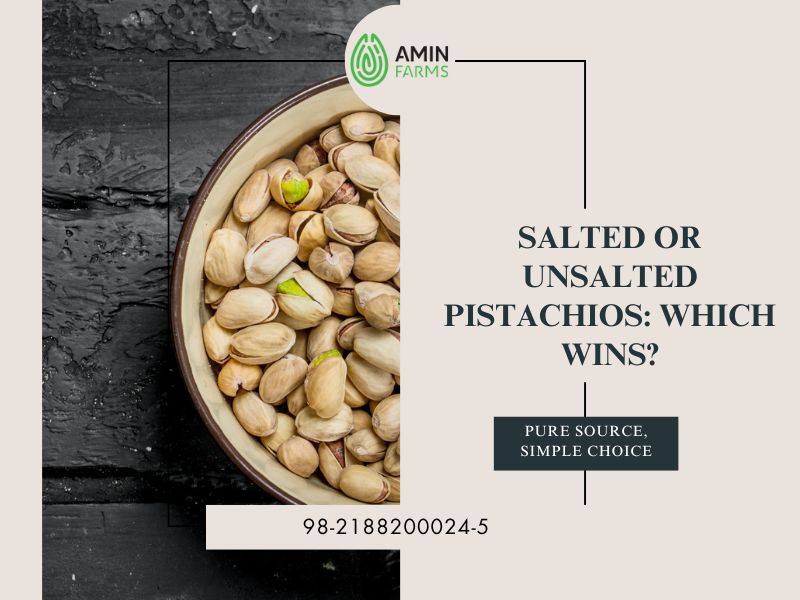
Salted or Unsalted Pistachios: Which Wins?
Before looking at each factor in detail, here is a practical overview.
| Factor | Salted Pistachios | Unsalted Pistachios |
|---|---|---|
| Flavour | Savoury and more intense | Natural and mild |
| Sodium content | Higher and varies by brand | Naturally very low in sodium |
| Nutrition | Similar core nutrients | Similar core nutrients |
| Heart-health diets | Depends on total sodium intake | Often easier to fit into low-sodium diets |
| Cooking flexibility | Better for savoury snacking | Better for recipes with controlled seasoning |
| Snacking | Popular for immediate consumption | Suitable for everyday snacking |
| Desserts | May alter the intended flavour | Usually the preferred option |
| Storage | Depends mainly on freshness and packaging | Depends mainly on freshness and packaging |
Bottom line: If your priority is controlling sodium and using pistachios in different recipes, unsalted pistachios are usually more versatile. If flavour is your main priority, salted pistachios can be an enjoyable option when consumed as part of a balanced diet.
When it comes to pistachios, the choice between salted and unsalted is more than just a matter of taste; it’s a decision that touches health, flavour, and even how you cook.
Salted pistachios are famous for their bold crunch and deeply satisfying flavour. In contrast, unsalted ones are loved for their pure, natural essence. So, which pistachio is best, salted or unsalted? Let’s break it down through the key factors that matter most.
1. Taste Test and Flavour Profiles
Salted pistachios instantly grab your taste buds with that perfect balance of savoury and sweet. The salt enhances the nut’s creamy flavour and adds a delightful crunch that makes them almost impossible to stop eating. Unsalted pistachios, on the other hand, let their natural, buttery, and slightly earthy flavour shine through, a gentler taste that appeals to those who appreciate authenticity over intensity.
2. Sodium and Health Impact
Nutritionally, both versions are rich in protein, fibre, and healthy fats, but the key difference lies in sodium content. Salted pistachios can contain a significant amount of sodium, which, in excess, may raise blood pressure and impact heart health.
Unsalted pistachios are the cleaner, heart-friendly option, perfect for anyone aiming to limit sodium while keeping all the benefits of this powerhouse nut.
3. Culinary Versatility
In the kitchen, unsalted pistachios are the ultimate multitaskers. Their neutral flavour makes them perfect for desserts, pastries, ice creams, or pesto, anywhere you want complete control over salt levels. Salted pistachios, with their rich, savoury profile, are better suited to salads, trail mixes, and quick snacks that don’t need extra seasoning.
4. Storage and Shelf Life
Salt can slightly extend shelf life by reducing moisture. Still, both salted and unsalted pistachios should be stored in cool, dry conditions. Interestingly, unsalted pistachios often keep their natural aroma and freshness longer, since no strong salty coating masks the signs of ageing.
Discover more: Differences Between Iranian and California Pistachios
Health Showdown: Salted vs. Unsalted Nuts
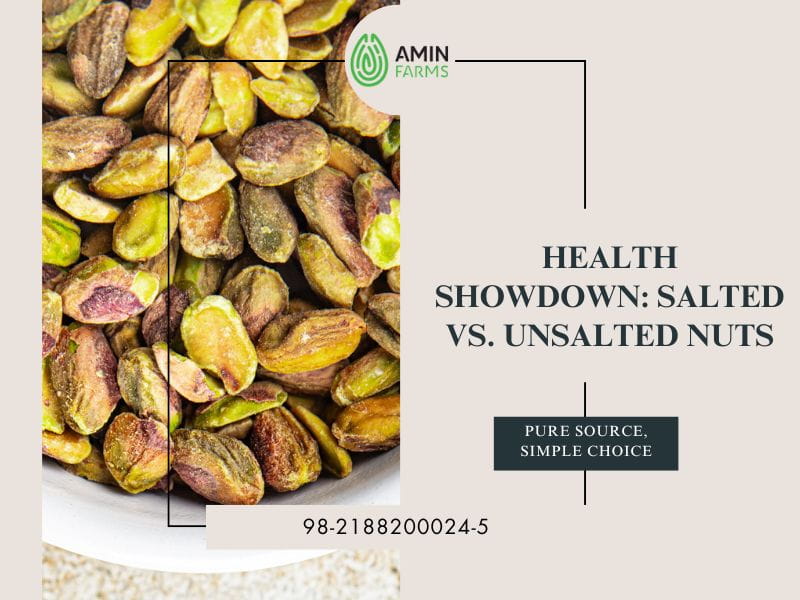
In the arena of healthy snacks, nuts are the undisputed champions. But when salt enters the mix, the health debate gets serious. Both salted and unsalted nuts provide essential nutrients, including heart-healthy fats, protein, and fibre. Yet, the key difference lies in their sodium content, which directly impacts heart health and overall wellness.
In this critical section, we’ll delve into the nutritional and medical aspects of this flavorful rivalry to determine which pistachio—salted or unsalted —is best for a balanced, long-term diet.
1. Sodium Impact and Nutritional Differences
The spotlight here is on the primary difference: Sodium. Salted nuts can inject hundreds of milligrams of sodium per serving, while unsalted versions contain virtually none. Excess sodium (exceeding global guidelines) can act like a dam, causing water retention, straining your arteries, and raising blood pressure.
Unsalted pistachios deliver the same vital nutrients — magnesium, Vitamin E, and healthy fats — without the sodium risk, making them a more balanced and unequivocally heart-smart choice.
2. Cardiovascular Risks
Nuts are inherently heart-friendly thanks to their unsaturated fats. However, too much salt can aggressively undercut this benefit. High-sodium diets are strongly linked to hypertension, stroke, and heart disease. For anyone with cardiovascular concerns or a family history of heart problems, unsalted pistachios are the decisive, preventative winner.
3. Consumption Control and Palatability
Salt is an addictive flavour magician; that irresistible crunch can quickly lead to overeating and unintended calorie and fat surplus. Unsalted pistachios, with their naturally milder taste, encourage more mindful snacking and better portion control, which significantly support long-term weight and calorie management goals.
4. Water Retention and Bloating
A common and immediate effect of high sodium intake is fluid retention. The body holds onto extra water to dilute the sodium, which often results in the uncomfortable feeling of bloating or puffiness.
Salted nuts can trigger this effect almost instantly. In contrast, unsalted varieties help maintain your body’s natural fluid balance, a valuable benefit for those seeking a lean, healthy physique.
5. Recommendations for Specific Diets
Unsalted pistachios are the ideal choice for nearly all health-focused eating plans, including low-sodium and DASH (Dietary Approaches to Stop Hypertension) diets that support heart and kidney health.
While salted nuts might be suitable for endurance athletes who lose significant sodium through sweat, nutrition experts overwhelmingly favour unsalted nuts for sustained wellness.
Ultimately, deciding which pistachio is best — salted or unsalted — depends on your priorities: intense flavour or lasting health. But if heart health, balance, and mindful eating top your list, the answer is refreshingly straightforward.
Discover more: Shelled vs Unshelled Pistachio
Salted vs. Unsalted Pistachios for Heart Health
Pistachios contain predominantly unsaturated fats and can be part of a balanced eating pattern.
The main consideration when choosing between salted and unsalted varieties is sodium.
For people who have been advised by a healthcare professional to limit sodium, unsalted pistachios may be the more suitable choice.
However, it is inaccurate to suggest that every salted pistachio product is automatically unhealthy or that every unsalted product is automatically healthier.
Health outcomes depend on factors such as:
- Total diet
- Portion size
- Overall sodium intake
- Individual health needs
- Physical activity
- Other lifestyle factors
Nutrition principle: A healthy food can become less suitable for a specific diet if preparation or portion size changes significantly. Checking the nutrition label is more reliable than relying only on terms such as “salted” or “natural.”
Culinary Choices for Salted or Unsalted Pistachios
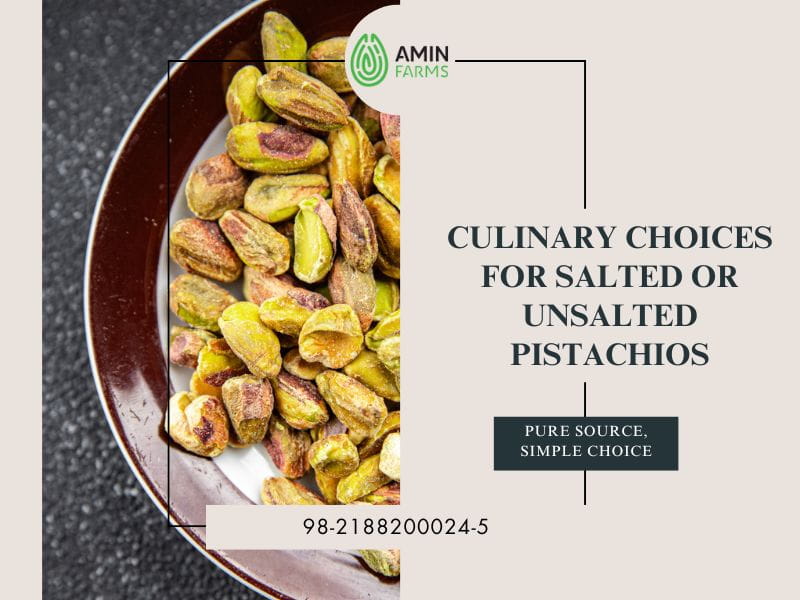
When it comes to cooking, which pistachio is best, salted or unsalted? The answer can completely change the way your dish tastes and feels. In the kitchen, each type has its own charm, and choosing the wrong one can throw off the entire flavour balance.
Unsalted pistachios, with their mild, natural taste, are perfect for desserts such as ice cream, cakes, granola, and yoghurt. They let the nut’s sweet, creamy notes shine while giving you complete control over salt levels. Salted pistachios, on the other hand, add a bold, savoury twist to salads, pestos, and sauces, offering a delightful crunch and depth. Used wisely, both can elevate your recipes in beautifully different ways.
Storage and Shelf Life Comparisons

Proper storage of raw and roasted pistachios, salted or unsalted, is key to keeping them fresh, flavorful, and nutritious. Heat and salt affect their longevity, so following storage best practices ensures maximum quality.
- Moisture: Roasted pistachios have lower moisture, naturally extending their shelf life at room temperature.
- Oxidation: Raw pistachios may contain more antioxidants, but their oils (salted or unsalted) are prone to oxidation, which can create bitter or off flavours over time.
- Refrigeration: For the most extended shelf life (over 6 months), store both raw and roasted pistachios in airtight containers in the fridge or freezer.
- Salt: Salted pistachios have a mild preservative effect, but it doesn’t significantly slow actual spoilage.
- Packaging: Vacuum-sealed or opaque containers protect against oxygen and light, two factors that quickly degrade pistachio quality.
- Freshness Date: Always choose pistachios with the most recent production date, as flavour diminishes over time regardless of processing.
Considering freshness, taste, and longevity, it becomes clear which pistachio—salted or unsalted —is best for your pantry.
Global Preferences in Pistachio Selection
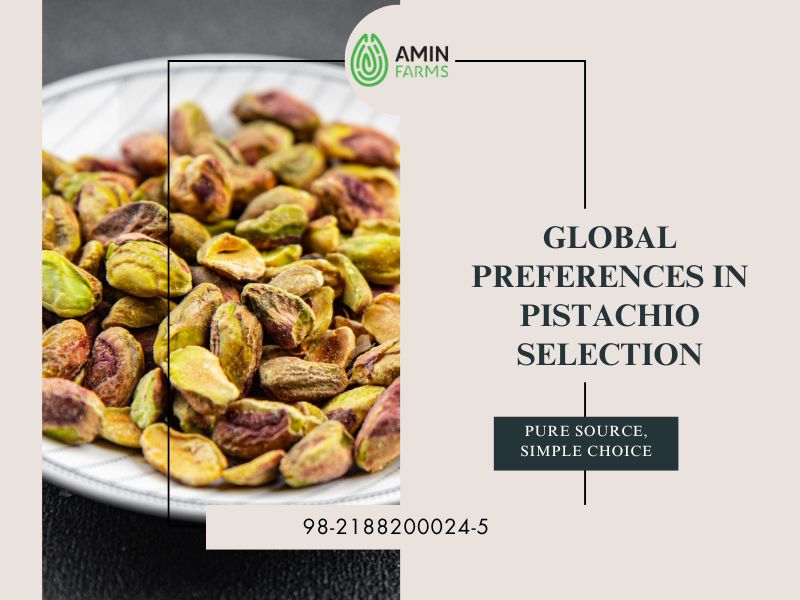
Choosing pistachios isn’t just personal; it reflects culinary traditions and health practices worldwide. In the Middle East and Asia, roasted and salted pistachios, often with shells, are popular for daily use and celebrations.
In Europe and North America, raw or unsalted pistachios are preferred, especially in desserts and modern cooking, allowing better control over flavour and sodium. Professional chefs favour unsalted nuts to preserve natural taste.
Expert Recommendations for 2025 Buyers

Choosing the best pistachios in 2025 goes beyond a simple decision; it’s about health, culinary goals, and understanding quality. So, which pistachio is best, salted or unsalted? Here are expert tips to guide your choice:
- Health First: Opt for unsalted pistachios to reduce sodium intake and support heart health.
- Roasted Preference: For bold flavour and crunch, pick dry-roasted pistachios without added oils.
- Freshness Matters: Always select nuts with the latest production date to ensure maximum aroma and taste.
- Versatile Use: Raw, unsalted pistachios give the most flexibility in cooking; add salt as needed to match recipes.
For premium, export-quality pistachios, Amin Farms is a leading Iranian supplier, delivering nuts that meet strict production standards and competitive pricing, trusted by global buyers.
Related Products