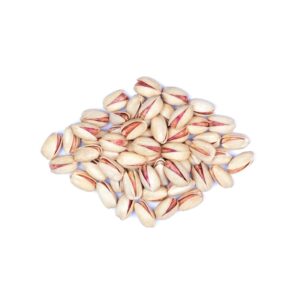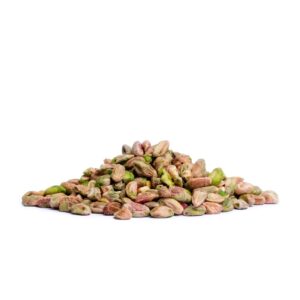
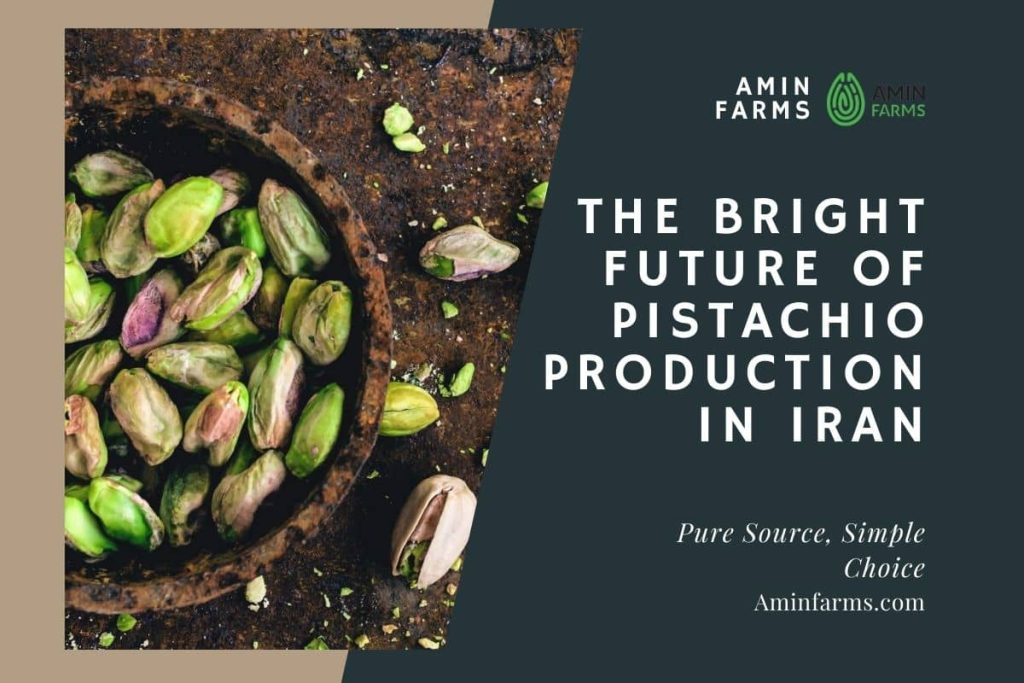
Pistachios have been cultivated in Iran for generations and remain an important agricultural and export product for the country. The industry supports growers, processors, traders, and other businesses across several producing regions, while Iranian pistachio varieties continue to be traded in international markets.
The future of pistachio production in Iran, however, will depend on more than historical experience and product reputation. Water availability, climate change, soil conditions, energy infrastructure, access to agricultural technology, food-safety requirements, and international market conditions can all influence the industry’s long-term development.
At the same time, innovation creates new opportunities. Improved irrigation management, precision agriculture, better post-harvest processing, traceability systems, and value-added products may help producers and exporters respond to changing market conditions.
This article examines the future of Iran’s pistachio industry from a practical perspective. It explores current challenges, emerging farming technologies, sustainability considerations, export opportunities, and the factors that global buyers should evaluate when sourcing pistachios from Iran.
Why Iranian Pistachios Continue to Dominate Premium Markets
Despite growing competition from countries like the United States and Turkey, Iranian pistachios continue to hold a strong reputation in premium international markets due to their unique flavor profile, texture, and natural richness. Varieties such as Akbari, Ahmad Aghaei, and Kalleh Ghouchi are highly valued by wholesalers, confectionery manufacturers, and luxury food brands because of their larger size, vibrant appearance, and high kernel quality. In many markets, consumers specifically associate Iranian pistachios with authenticity and superior taste. This strong brand identity gives Iran a lasting competitive advantage, especially in regions where buyers prioritize premium quality over mass production. By continuing to invest in quality control, sustainable farming, and export-focused innovation, Iran can further strengthen its position as one of the world’s leading pistachio producers and exporters in the years ahead.
Iran’s Pistachio Industry in the Global Market
Iran has a long history of pistachio cultivation and remains an important participant in global pistachio production and trade. The industry includes a network of growers, processors, exporters, and traders operating across several agricultural regions.
Pistachio production is associated with regions including Kerman, Khorasan Razavi, Yazd, and Fars, although production conditions and available varieties can differ from one region to another.
Iranian exporters supply a range of products to international markets, including in-shell pistachios, kernels, green kernels, powder, and other processed products. This product diversity creates opportunities for wholesalers, retailers, food manufacturers, and confectionery businesses.
Iran’s future position in the global market will depend on its ability to respond to environmental challenges, maintain consistent quality, meet destination-market food-safety requirements, and develop reliable export supply chains.
Industry Perspective: A country’s agricultural reputation can create commercial opportunities, but long-term competitiveness depends on measurable product quality, reliable supply, transparent documentation, and the ability to meet buyer requirements.
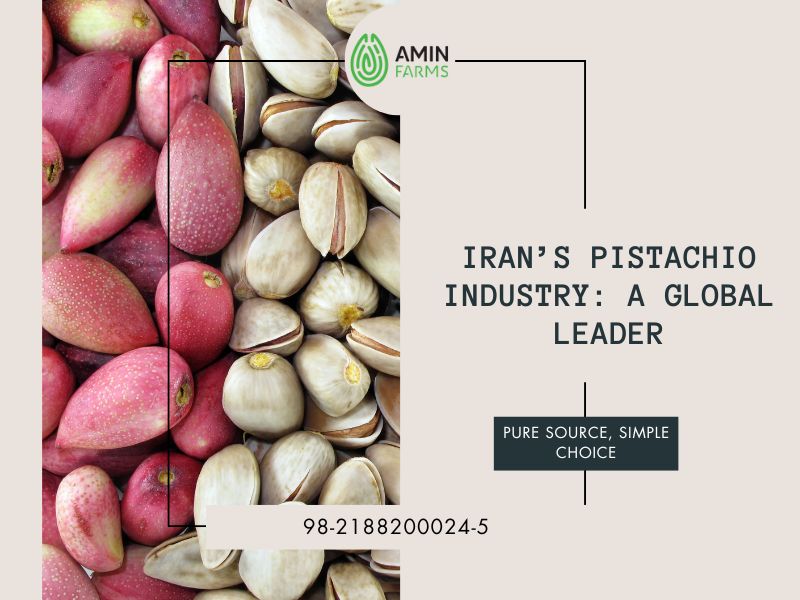
The country’s distinct climate, featuring hot, dry summers and cold winters, offers ideal conditions for cultivating high-quality pistachio trees. Alongside nature’s gift, generations of farming knowledge have shaped the expertise of Iranian growers in maintaining orchards and processing pistachios with great care and quality. The story of pistachio production in Iran is more than agriculture. It is a reflection of culture, effort, and pride.
Looking ahead, Iran’s pistachio exports in 2025 are expected to rise, driven by innovation, resilience, and global demand. The future of this proud industry remains strong.
Discover more: how to import akbari pistachios from iran
Industry Perspective: A country’s agricultural reputation can create commercial opportunities, but long-term competitiveness depends on measurable product quality, reliable supply, transparent documentation, and the ability to meet buyer requirements.
Historical Background and Industry Development
Pistachio cultivation has a long association with Iran and has played an important role in the agricultural history of several regions of the country. Over generations, farming knowledge related to orchard management, harvesting, drying, and processing has been developed and transferred among producers.
The modern pistachio industry has also changed significantly. Mechanization, improved irrigation systems, food-safety requirements, sorting technologies, and international trade standards have influenced the way pistachios are produced and exported.
Like other agricultural industries, pistachio production is affected by changing environmental and economic conditions. Water scarcity, temperature fluctuations, labor availability, production costs, and international market competition continue to shape the industry’s development.
The future of Iranian pistachio production will therefore depend on combining traditional production knowledge with modern agricultural research, efficient resource management, and improved supply-chain systems.
Innovations in Pistachio Farming in iran
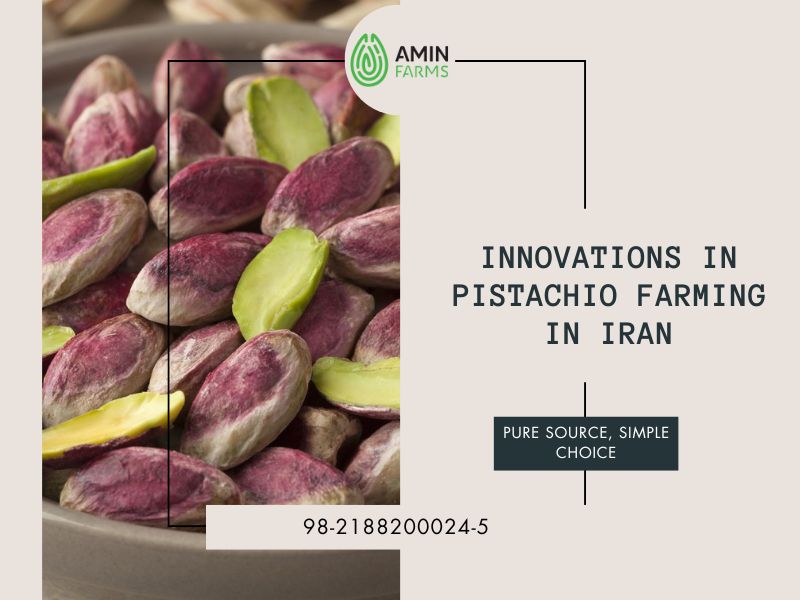
To maintain its global standing and tackle growing challenges such as water scarcity and climate change, the Iran pistachio industry must embrace innovation and modern technology across all stages of cultivation and processing. These advancements help boost efficiency, conserve resources, and enhance product quality.
Discover more: how to import Ahmad Aghaei Pistachios from iran
1. Advanced Irrigation and Water Management
Water availability is one of the most significant long-term challenges facing pistachio production in many Iranian growing regions. Improving irrigation efficiency is therefore an important area of agricultural development.
Drip and pressurized irrigation systems can help deliver water more precisely than less controlled irrigation methods. In suitable conditions, soil-moisture monitoring and automated irrigation systems may also help growers make more informed decisions about when and how much water to apply.
Fertigation systems can combine irrigation and nutrient application, potentially improving nutrient management when used according to agronomic requirements.
However, technology alone does not guarantee water savings or higher yields. System design, maintenance, water quality, soil conditions, tree age, and local climate all influence the final results.
Practical Consideration: The effectiveness of an irrigation system should be evaluated using farm-level data rather than assuming that a particular technology will produce the same results in every orchard.
1. Advanced Irrigation Systems and Smart Water Management
One of the most critical areas of innovation in pistachio production in Iran is the use of advanced irrigation systems. In a country facing severe water shortages, techniques like drip and pressurized irrigation play a central role.
These systems not only save significant amounts of water but also allow for more precise nutrient delivery through fertigation, which boosts tree performance. Beyond this, innovative irrigation technologies, such as soil moisture sensors and automated systems, enable farmers to tailor watering schedules to each tree’s actual needs, minimizing waste and significantly improving water efficiency.
2. Breeding and Precision Agriculture
Developing and evaluating pistachio cultivars that can perform under challenging environmental conditions is an important area of agricultural research. Breeding programs may focus on characteristics such as tolerance to drought, salinity, pests, disease, and temperature stress.
Precision agriculture can also support better decision-making at the orchard level. Technologies such as satellite imagery, drones, weather data, soil sensors, and digital record-keeping may help growers monitor orchard conditions and identify potential problems earlier.
These tools can provide useful information about tree health, irrigation needs, and possible nutrient deficiencies. Their value depends on accurate data collection and the grower’s ability to translate information into appropriate agricultural decisions.
For the Iranian pistachio sector, wider access to agricultural research, technical training, and economically practical technologies may be as important as the technology itself.
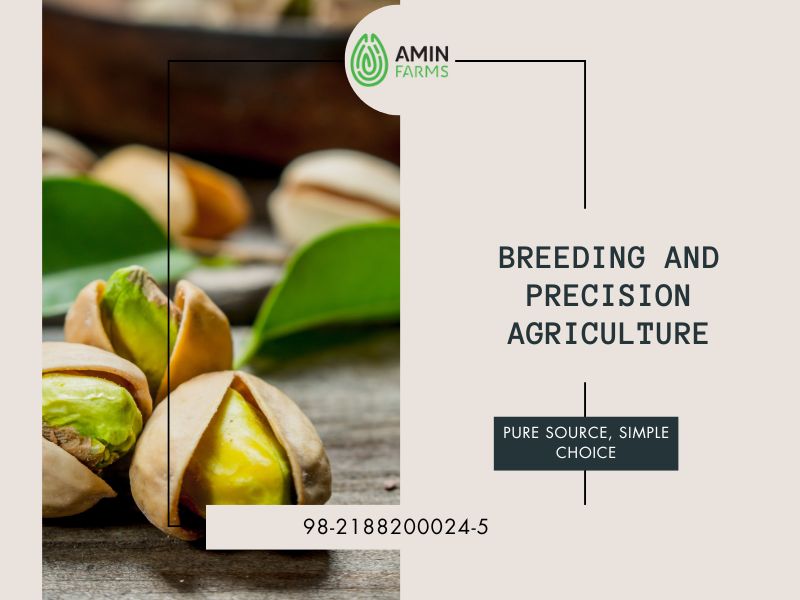
These traits help ensure stable yields and reduce reliance on chemical inputs. At the same time, precision agriculture is revolutionizing pistachio farming. By using drones, satellite imagery, and data analysis, farmers can monitor tree health, detect pests early, and assess soil nutrient levels more accurately.
This data-driven approach allows for smarter fertilization and irrigation, increasing productivity and profitability.
Discover more: how to import kalleh ghouchi pistachios from iran
3. Mechanization and Process Automation
Improving productivity and maintaining pistachio quality after harvest requires mechanization and automation. Modern harvesting equipment speeds up the process lower labor costs and reduces damage to the nuts. Postharvest, advanced machinery for shelling, drying, sorting, and grading ensures sanitary conditions and high-quality output.
These automated systems enhance efficiency and guarantee that Iranian pistachios meet international standards. Together, these innovations paint a promising future for the Iran pistachio industry and strengthen its position in the global market.
Expanding Export Markets in 2025
To secure a bright future for pistachio production in Iran, expanding and diversifying export markets is essential, especially in the year 2025. With growing competition in the global market and shifting geopolitical landscapes, Iran must adopt innovative strategies to enter new markets and strengthen its presence in existing ones.
1. Diversifying export destinations
One of the most important steps to increase Iran’s global market share is reaching a broader range of export destinations. This means identifying and entering high-potential emerging markets while also reinforcing ties with traditional ones.
Countries like India, China (which still has room for growth in specific segments), Brazil, and Southeast Asian nations offer valuable opportunities due to rising middle-class populations and growing awareness of pistachio’s health benefits.
At the same time, maintaining and enhancing Iran’s share in European markets, especially in Germany and France and among Persian Gulf nations, is crucial. This can be achieved through continuous quality improvements and more attractive packaging, building stronger customer loyalty toward Iranian pistachios.
Discover more: how to import Fandoghi Pistachios from iran
2. Standardization and international branding
To succeed globally, meeting international standards and investing in strong branding is key. This includes obtaining health and quality certifications such as HACCP and ISO, which reassure consumers about product safety. Special attention to reducing aflatoxin levels and providing transparent guarantees to importers can also help remove trade barriers in sensitive markets.
Branding Iranian pistachios as premium, organic, and highly nutritious products through participation in international food and agriculture fairs, digital marketing, and social media can strengthen direct relationships with consumers and enhance Iran’s global image.
3. Value-added products and trade facilitation
Export growth goes beyond raw pistachios. Creating and exporting value-added products like pistachio kernels, powder, butter, and oil can unlock exciting opportunities in global markets, including the food, confectionery, and cosmetic industries.
Alongside this, addressing trade challenges such as simplifying customs procedures, reducing bureaucracy, and negotiating for lower tariffs or preferential trade agreements can improve competitiveness. With these comprehensive efforts, the Iran pistachio industry can achieve sustainable and robust growth in the global marketplace in 2025 and beyond.
Discover more: how to import Badami pistachios from iran
Sustainability in Iran’s Pistachio Sector
Sustainability is becoming a top priority in pistachio production in Iran, especially as the industry faces growing environmental and economic challenges. Efficient water use is the most urgent concern, given the country’s dry and semi-arid climate.
Modern irrigation methods like drip and subsurface systems play a vital role in reducing water consumption while improving tree health and productivity. Alongside water management, enhancing energy efficiency throughout farming, processing, and packaging helps reduce the environmental footprint of the entire industry.
Another key aspect of sustainability is protecting soil health and biodiversity. Using organic farming practices and minimizing chemical fertilizers and pesticides not only maintains soil microorganisms but also protects underground water sources. Pistachio waste, such as shells, can be recycled to create compost or bioenergy, contributing to a more circular agricultural model.
Supporting farmers with the knowledge and tools to adopt sustainable methods is also essential. When growers are empowered with innovative practices, the benefits extend from environmental protection to higher-quality products.
These sustainable approaches not only secure the future of pistachio production in Iran but also increase global market appeal as more consumers prioritize eco-friendly products. All of these efforts will be key to strengthening Iranian pistachio exports in 2025 and ensuring long-term success.
Discover more: how to import pistachio kernel from Iran
Eco-Friendly Practices
In the following section, we introduce several vital approaches that can help make pistachio farming more environmentally responsible and globally competitive:
- Smart Water Management: Widespread use of drip and subsurface irrigation systems is key to minimizing water waste and improving irrigation efficiency in pistachio orchards. Innovative irrigation tools, using moisture sensors, allow farmers to water trees precisely based on soil conditions and weather.
- Reduced Use of Chemicals: Promoting organic fertilizers and compost made from pistachio waste enhances soil fertility and reduces dependence on synthetic fertilizers. Biological pest control methods, instead of chemical pesticides, help maintain biodiversity, protect soil health, and lower environmental pollution.
- Waste Management and Recycling: Turning green pistachio shells and agricultural waste into compost or biogas supports clean energy and reduces landfill waste. Using recyclable and eco-friendly packaging for pistachio products also minimizes post-consumption impact.
- Biodiversity and Soil Health: Planting cover crops between pistachio trees prevents soil erosion, boosts organic matter, and supports overall soil health. Protecting beneficial insects and pollinators is also vital to the orchard ecosystem.
Challenges and Opportunities Ahead of pistachio production
The Iran pistachio industry faces both serious challenges and promising opportunities. One of the biggest concerns for pistachio production in Iran is water scarcity, especially in the country’s dry and semi-dry regions.
Climate change, irregular rainfall, and rising temperatures all affect the yield and quality of pistachios. On the global stage, Iranian producers face intense competition from countries like the US and Turkey, while international sanctions create barriers to market access, modern technology, and foreign investment.
Still, there are strong reasons for optimism. Global demand for healthy snacks like pistachios continues to grow. With their rich nutritional profile, Iranian pistachios are well-positioned to meet this demand. Embracing modern irrigation, precision farming, and mechanized harvesting can increase efficiency and product quality.
Furthermore, developing value-added products like pistachio butter, oil, and kernels offers new income opportunities. With thoughtful planning and innovation, Iran can secure a stronger, more sustainable future for its pistachio industry.
Discover more: how to import Green kernel Pistachio from Iran
Comparing Production Statistics with Competitors
Iran’s pistachio industry remains significant globally. For 2024/25, Iran expects 200,000 to 217,000 MT of dried in-shell pistachios. The United States estimates 503,700 MT during its off-year, while Turkey projects 415,500 MT in its on-year. The U.S. sees lower output due to its natural cycle, and Turkey experiences a rise for the same reason.
That said, while this year’s Iranian crop faces some quality challenges from extreme summer heat and irrigation issues linked to electricity shortages, production is still on track for a relative increase. What truly sets Iran apart, even with lower overall volume, is its superior kernel quality, which outshines U.S. offerings. This edge is driving growth in Iranian pistachio exports to markets such as India, China, and Turkey, with total exports projected to reach 175,000 MT.
These comparisons underscore Iran’s resilience. By focusing on quality and flavor, Iran continues to build its global reputation and competitive outlook.
| Country | 2024/25 Forecasted Production (MT, Dried In-Shell) | Crop Cycle Status | Key Notes |
| USA | 503,700 | Off-year | 26% production decline |
| Turkey | 415,500 | On-year | More than double production increase |
| Iran | 200,000 – 217,000 | Relative Stability/Increase | Quality challenges due to heat and power cuts |
Global Demand and Competitive Advantage of Iranian Pistachios
Iran’s pistachio industry is also becoming a major attraction for global buyers searching for reliable, long-term suppliers. With increasing demand for healthy snacks and plant-based ingredients, Iranian pistachios stand out thanks to their naturally rich flavor, high kernel yield, and diverse varieties like Akbari, Ahmad Aghaei, and Fandoghi. As international markets look for premium-quality nuts with consistent supply, Iran’s advanced farming innovations and improved export infrastructure make it a top choice. These strengths position Iranian pistachios as a strategic product for importers aiming to expand their nut portfolio in 2025 and beyond.
Profitable Sourcing Opportunities for Global Importers
For businesses seeking competitive prices without sacrificing quality, Iran remains one of the most profitable origins for pistachio sourcing. Strong harvest volumes, growing export expertise, and increasing adoption of global food safety standards have made Iranian pistachios highly attractive for wholesalers, retailers, and food manufacturers. Whether targeting confectionery production, bulk nut trading, or private-label packaging, sourcing directly from Iran ensures access to fresh, authentic nuts that customers trust. As global demand rises, partnering with reputable Iranian suppliers can unlock new trade opportunities and long-term growth.
Partner with Us for Iran’s Finest Pistachios
Iranian pistachios, often called the green jewel of the East, offer an incredible opportunity for global trade partnerships. We are proud to bring you the finest and highest quality pistachios sourced directly from the fertile orchards of Iran. Working with us means gaining access to a product that not only stands out for its exceptional flavor and aroma but is also grown and processed with a strong focus on quality and sustainability.
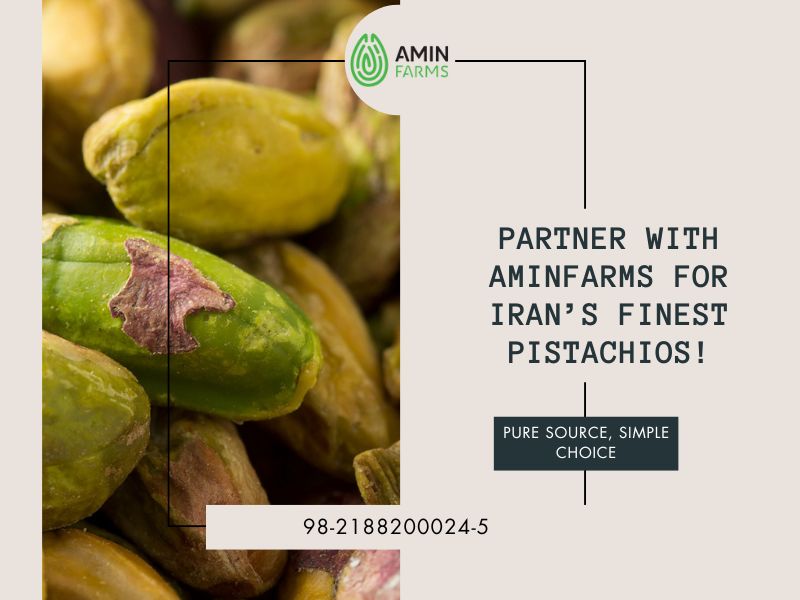
We are committed to a transparent and responsible supply chain, ensuring that every pistachio you receive is fresh, authentic, and carefully handled. From experienced farmers who nurture each tree with care to the precise processing and packaging steps, every part of our operation is carefully managed.
By choosing Iranian pistachios through our partnership, you are investing in a premium product while supporting Iran’s rich agricultural heritage and contributing to the sustainable development of local communities.
Join us to share the authentic taste and unmatched quality of Iranian pistachios with your customers and be part of the growing success story of pistachio production in Iran.
Related Products