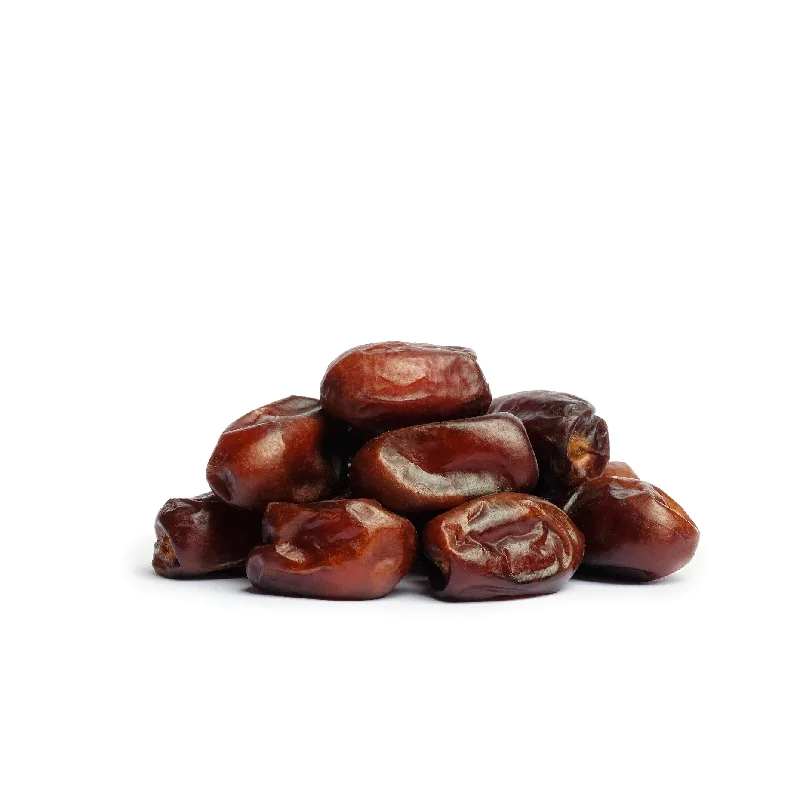

Iran produces over 1.2 × 10^6 metric tons of dates annually, establishing itself as a central production hub for global agricultural trade. For B2B buyers, understanding Wholesale Iranian Dates Pricing is the fundamental requirement for calculating an accurate return on investment. This analysis systematically deconstructs the exact cost variables, grading standards, and logistical frameworks required to secure high-volume imports efficiently and profitably.
Overview of the Iranian Dates Export Market
The export market is defined by its massive annual yield and an established multi-modal export infrastructure. Evaluating Wholesale Iranian Dates Pricing requires analyzing global market share alongside regional supply dependencies. Countries in the northern hemisphere, specifically within the CIS and Eurasian economic zones, rely heavily on these imports due to geographic proximity, competitive landed costs, and the high caloric density required for cold climates. Furthermore, trade dynamics are heavily influenced by the Eurasian Economic Union (EAEU), which facilitates high-volume, cross-border transactions through optimized customs protocols and strategic transit corridors.
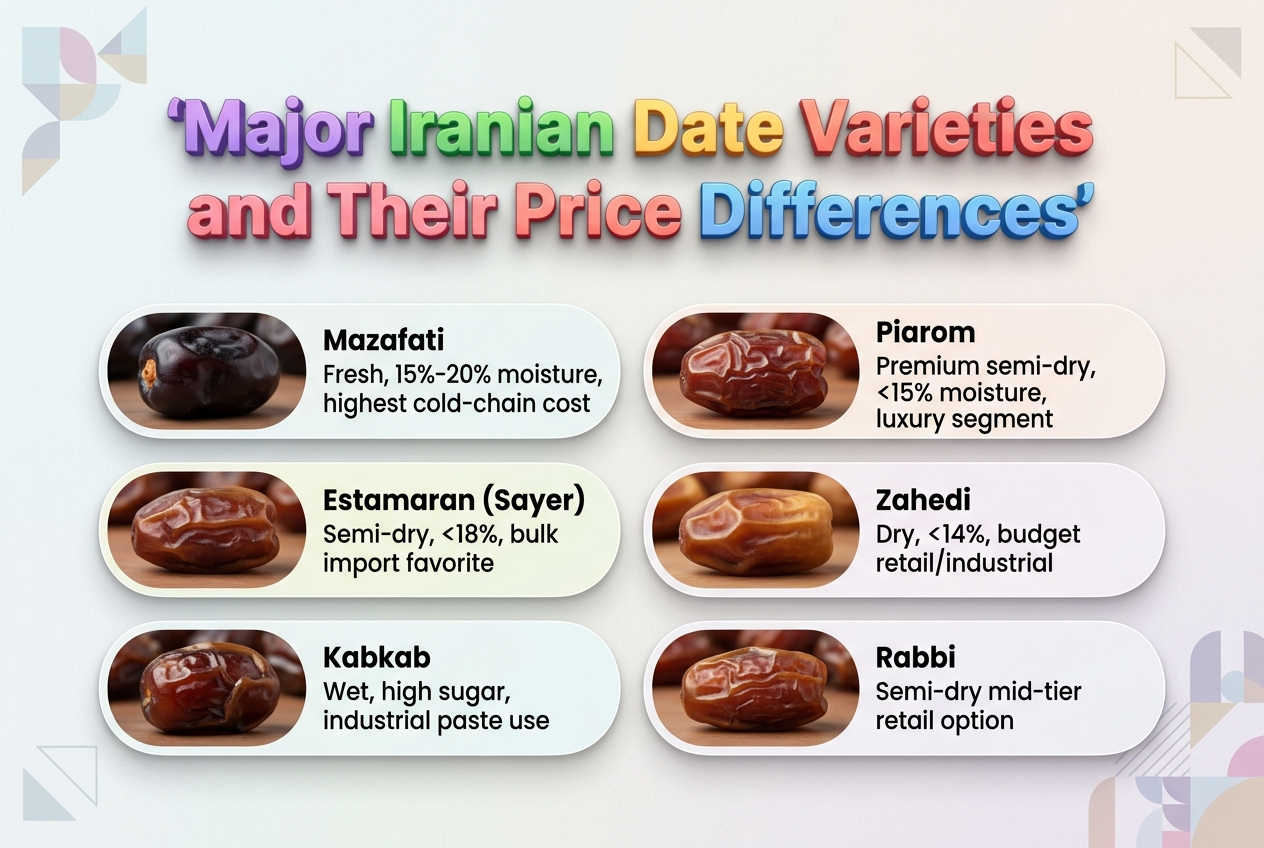
Major Iranian Date Varieties and Their Price Differences
The baseline for Wholesale Iranian Dates Pricing fluctuates significantly based on the cultivated variety, processing difficulty, and global demand. Importers must align their procurement strategy with the specific characteristics and costs of each grade.
Mazafati Dates Pricing
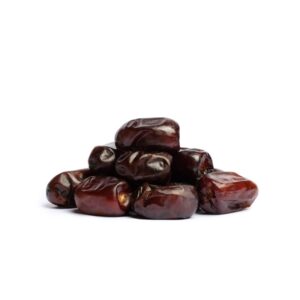
Mazafati is a fresh date that contains 15% to 20% moisture. It is highly demanded in northern markets such as Russia. The procurement cost automatically includes mandatory cold‑chain logistics, because this variety requires uninterrupted refrigerated transport between 0 degrees Celsius and plus 5 degrees Celsius to prevent fermentation during transit.
Piarom Dates Pricing
Piarom is a premium semi‑dry variety with less than 15 percent moisture. It has the highest market value due to difficult cultivation in the Hormozgan region and long shelf life. It is supplied mainly to luxury retail markets.
Estamaran Dates Pricing
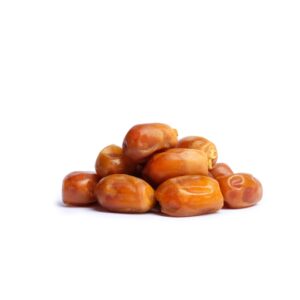
Estamaran, also known as Sayer, is widely grown in Khuzestan. It is semi‑dry with less than 18 percent moisture, making it preferred for large‑scale imports. It does not require refrigerated containers and is therefore the most cost‑efficient choice for price‑sensitive distributors.
Zahedi Dates Pricing
Zahedi is a dry date with less than 14 percent moisture. It is inexpensive and highly durable during long transport. It is used mainly for industrial processing and low‑budget retail.
Kabkab Dates Pricing
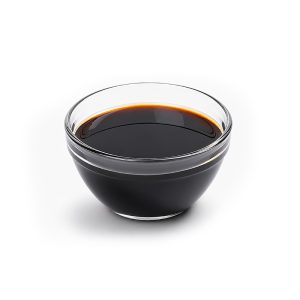
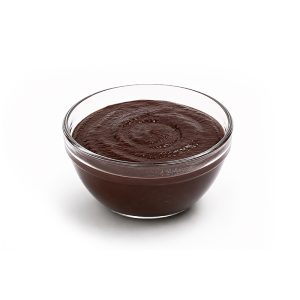
Kabkab is a wet variety with high sugar density, typically compressed into solid blocks for export. It is one of the most economically priced options available, favored heavily by manufacturers for industrial date syrup and paste production.
Rabbi Dates Pricing
Rabbi is a semi-dry, elongated dark date. It serves as a mid-tier option that provides a calculated balance between the premium cost of Piarom and the budget-oriented nature of Zahedi, appealing directly to mid-market retail distributors.
Key Factors That Influence Wholesale Date Prices
When calculating Wholesale Iranian Dates Pricing, buyers must account for multiple technical variables that drive market volatility.
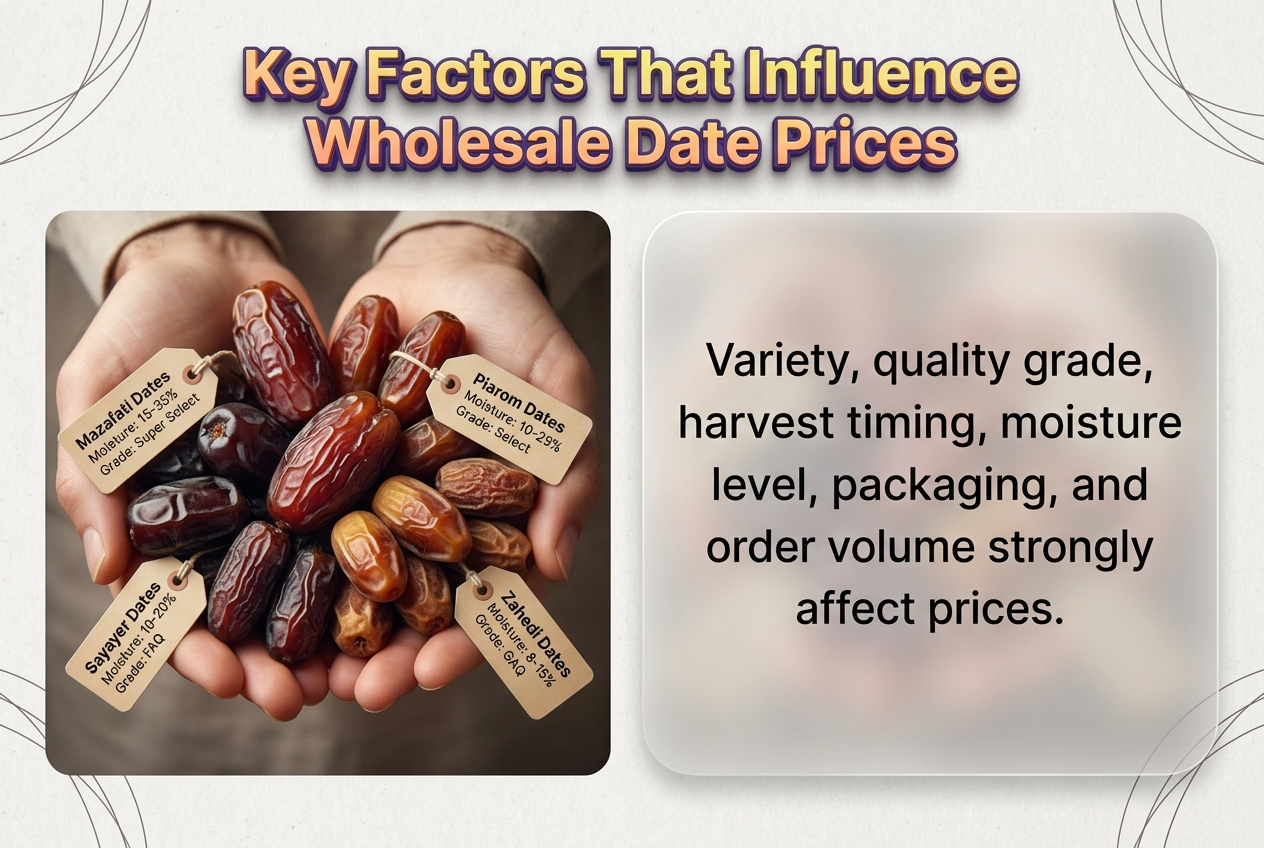
Date Variety and Quality Grade
Commercial grading standards directly dictate the valuation. Grades range from Super Select (highest sorting, uniform size) to Select, FAQ (Fair Average Quality), and GAQ (Good Average Quality). Superior sorting requires intensive manual labor to eliminate physical blemishes and ensure exact size matching, which increases the baseline cost per ton.
Harvest Season and Crop Yield
The primary harvest occurs between late August and October. Procurement costs are most favorable immediately post-harvest. Climatic anomalies, such as severe droughts or unseasonal precipitation in southern provinces, directly suppress total yield and trigger upward price corrections in the B2B market.
Moisture Content and Shelf Life
Moisture determines shipping requirements. Categories include dry (less than 14 percent), semi‑dry (15 to 18 percent), and fresh (more than 18 percent). High‑moisture varieties require refrigerated transport at around plus 4 degrees Celsius, increasing landed cost compared to dry varieties that ship in standard containers.
Packaging Type and Size
Packaging configurations influence the final export price. The transition from standard food-grade plastic liners to structural laminated cardboard directly impacts material and labor overhead at the origin facility.
Average Wholesale Price Ranges for Iranian Dates
To accurately forecast Wholesale Iranian Dates Pricing, distributors utilize proportional pricing models rather than relying on volatile, static fiat metrics.
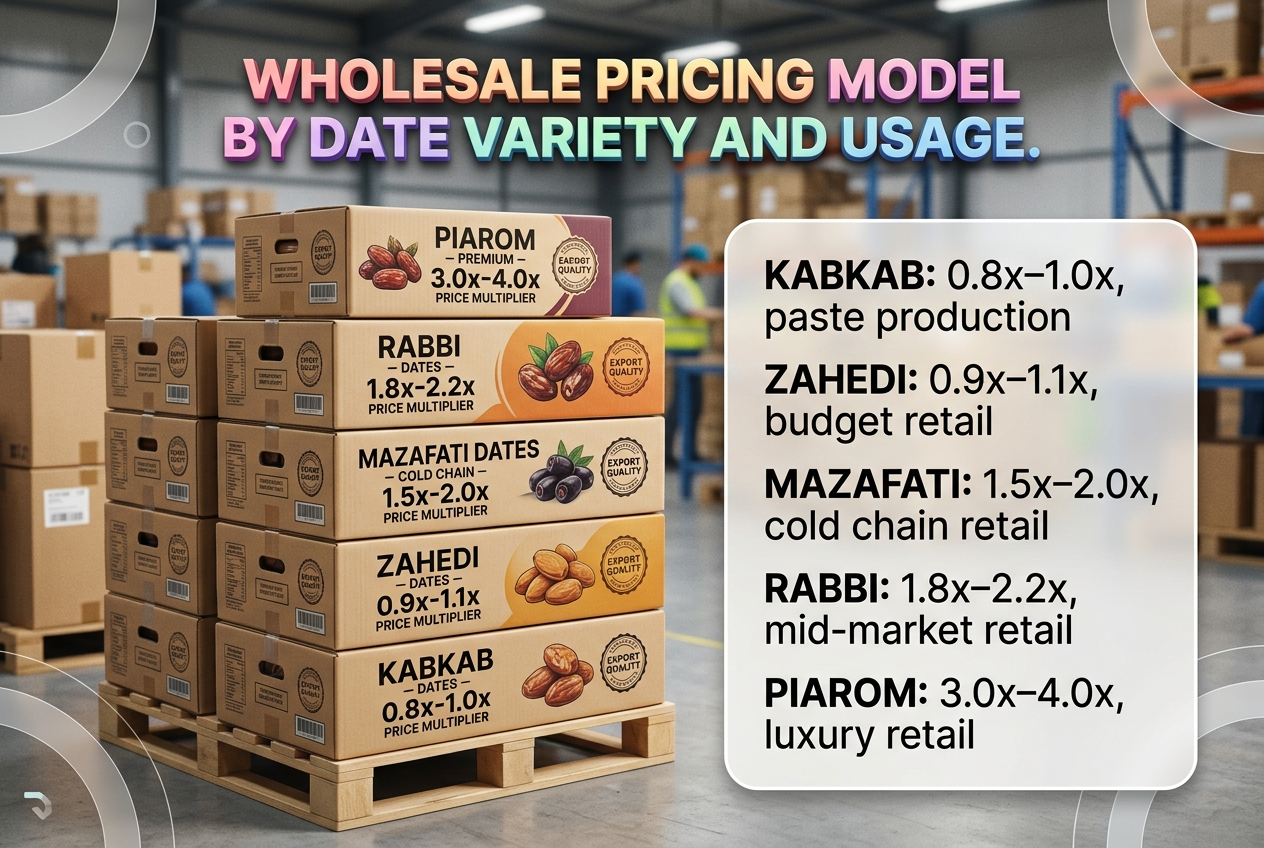
| Date Variety | Moisture Category | Price Multiplier (Base = Sayer) | Primary Use Case |
| Sayer (Estamaran) | Semi-dry (<18%) | 1.0x (Base) | Bulk Import / Repacking |
| Zahedi | Dry (<14%) | 0.9x – 1.1x | Industrial / Budget Retail |
| Kabkab | Wet | 0.8x – 1.0x | Paste / Syrup Production |
| Mazafati | Fresh (15% – 20%) | 1.5x – 2.0x | Direct Retail (Cold Chain) |
| Rabbi | Semi-dry (approx. 15%-20%) | 1.8x – 2.2x | Mid-market Retail |
| Piarom | Semi-dry (<15%) | 3.0x – 4.0x | Luxury Retail |
Bulk Carton Pricing
Telescopic bulk cartons containing 5 kg and 10 kg configurations represent the most efficient import methodology. This format minimizes packaging overhead and is strictly utilized by distributors who process and repackage the commodity in their domestic facilities.
Retail Pack Pricing
Pre-packaged boxes weighing 400g, 500g, and 600g carry a higher valuation. The unit cost increase accounts for specialized sorting, compliance labeling, and the integration of retail-ready packaging materials deployed directly at the origin facility.
Organic and Premium Dates Pricing
Certified organic dates require a premium markup of 20% to 30% over conventional yields. This covers the rigorous pesticide-free cultivation processes and the administrative overhead required to maintain international organic certifications.
Industrial Grade Dates Pricing
Industrial grades occupy the lowest pricing tier. These consist of dates displaying physical blemishes or low size uniformity. They are exported in blocks weighing 20 kg or more, utilized exclusively for manufacturing date paste, liquid sugar, or industrial vinegar.
Minimum Order Quantities and Bulk Discounts
Order volume directly impacts Wholesale Iranian Dates Pricing. The standard Minimum Order Quantity (MOQ) aligns with international container capacities. A standard 20ft container holds between 17 tons and 20 tons, heavily dependent on variety density and carton geometry. Importers executing orders for 40ft containers or securing annual supply contracts activate volume tier discounts, substantially reducing the per-ton procurement rate.
Standard Payment Terms in International Date Trade
Financial settlement protocols strictly dictate the final Wholesale Iranian Dates Pricing structure and risk allocation between the supplier and the importer.
Telegraphic Transfer (T/T) and Advance Payments
The standard B2B transaction requires an advance T/T payment of 30% to 40% to initiate processing and packaging. The remaining balance is executed upon the presentation of the draft copy of the Bill of Lading (B/L) prior to the container’s arrival at the destination port.
Currency and Regional Trade Agreements
Regional bilateral agreements heavily benefit Eurasian buyers. Importers within the CIS network can frequently execute settlements in local currencies rather than relying exclusively on USD or EUR. This mechanism eliminates substantial currency conversion fees and stabilizes import budgets.
Export Costs and Additional Fees
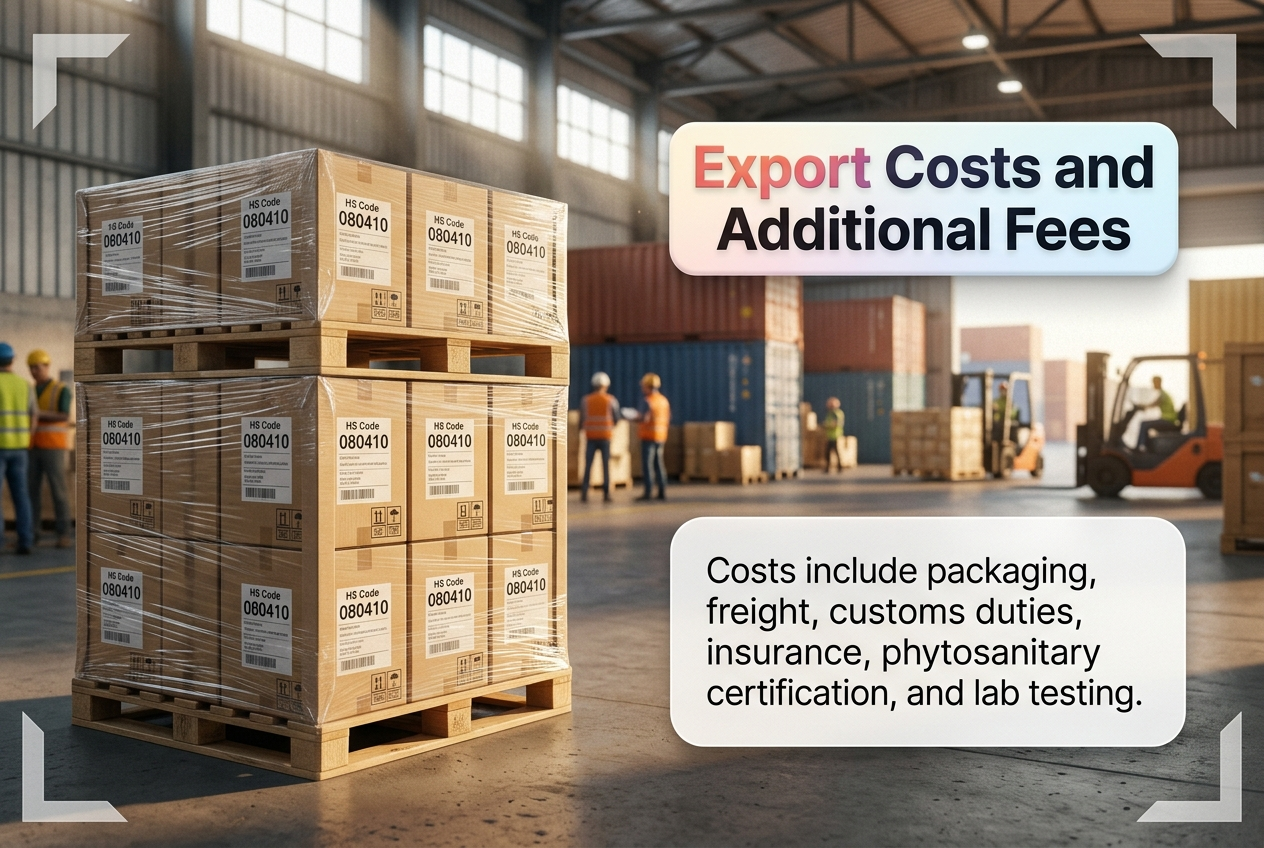
Beyond the factory gate, Wholesale Iranian Dates Pricing models must incorporate transit, insurance, and regulatory overhead to calculate the true landed cost.
Packaging Costs
Export preparations mandate specific structural integrity. Costs include commercial shrink wrapping, edge protectors, and fumigated wooden pallets engineered to comply strictly with ISPM 15 international phytosanitary transit standards.
Freight and Shipping Costs
Transportation logistics define the ultimate CFR/CIF cost. Multi-modal transport is critical; northern trade relies heavily on Caspian Sea routes from the Amirabad or Anzali ports directly to Astrakhan or Makhachkala, alongside overland trucking routes via Astara. The cost delta between utilizing dry containers and operational refrigerated units (reefers) is substantial and must be modeled accurately.
Customs and Import Duties
Dates are globally classified under HS Code 080410. Importers must leverage EAEU free trade agreements and preferential tariff certificates. Proper documentation frequently reduces destination import taxes to 0% or structurally negligible rates.
Phytosanitary Certificates and Lab Testing
Regulatory compliance introduces mandatory baseline costs. Every export consignment requires an official Phytosanitary certificate issued by the Iranian Ministry of Agriculture. Furthermore, commercial laboratory assays testing for aflatoxins, heavy metals, and pesticide residue are required to successfully clear customs at the destination port.
Tips for Importers to Get the Best Wholesale Prices
Optimizing Wholesale Iranian Dates Pricing involves strategic procurement rather than passive purchasing.
- Execute purchase contracts during the peak harvest window (September to November) to secure maximum yield availability.
- Bypass third-party brokers by negotiating directly with regional sorting facilities in Bam (for Mazafati), Khuzestan (for Sayer), or Hormozgan (for Piarom).
- Consolidate smaller orders to achieve maximum cubic utilization of shipping containers.
- Transmit precise technical specifications regarding moisture thresholds, pitting requirements, and geometric sizing to prevent overpaying for unnecessary Super Select grades.
Frequently Asked Questions (FAQs)
What is the most cost-effective Iranian date for bulk import?
Estamaran (Sayer) and Zahedi are the most cost-effective varieties due to their high agricultural yield, ease of industrial processing, and lack of refrigeration requirements. Evaluating the pricing structure reveals that these dry and semi-dry varieties offer the highest profit margins for mass-market distribution.
Does the Wholesale Iranian Dates Pricing include shipping?
Quoted rates are standardly designated as EXW (Ex-Works) or FOB (Free on Board) from Iranian ports. Freight insurance and transport costs (CIF/CFR) are calculated as separate line items based on the specific destination port and the required container type.
Do I need a refrigerated container for Iranian dates?
Refrigeration requirements are strictly dependent on the variety’s moisture content. Mazafati dates mandate active reefers calibrated between 4°C and 8°C, whereas Sayer, Zahedi, and Piarom varieties remain stable in standard dry containers, minimizing logistics costs.
Are there tariffs on importing Iranian dates to CIS countries?
Bilateral trade agreements within the EAEU framework allow many CIS nations to import Iranian agricultural commodities at reduced or 0% tariff rates. The importer must ensure the supplier provides a certified commercial Certificate of Origin to qualify for these specific customs exemptions.
Conclusion: Navigating Wholesale Iranian Dates Pricing
Securing optimal margins in the international date trade requires a highly systematic approach to procurement. Buyers must precisely align their target market requirements with the technical specifications of Iranian varieties, continuously balancing moisture content limitations against logistical overhead. By leveraging EAEU tariff exemptions, negotiating directly with packing facilities during the autumn harvest, and optimizing container geometries, importers can drastically reduce their landed costs. Ultimately, successful utilization of Wholesale Iranian Dates Pricing models is driven by data-based decision-making regarding shipping infrastructure, regional payment protocols, and strict adherence to international phytosanitary standards.
Related Products