
Procurement of industrial date derivatives relies on optimizing extraction yields against specific transit vulnerabilities.
Connecting Middle Eastern agricultural harvests with continuous Eurasian industrial demand requires a calibrated supply chain strategy. Procurement officers must secure materials that resist thermal transit stress while maintaining functional consistency inside the mixing hoppers. This technical guide outlines the precise procurement parameters for R&D technologists and supply chain managers sourcing from the Middle East.
Product Overview
Industrial derivatives are defined by specific chemical parameters and physical states designed for targeted manufacturing applications.
Aligning the derivative format with the target application dictates baseline processing efficiency.
Key Date Varieties for Industrial Use
High-extraction, low-moisture cultivars drive operational yield in processing facilities.
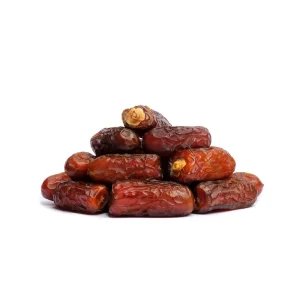
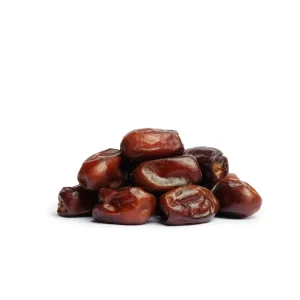
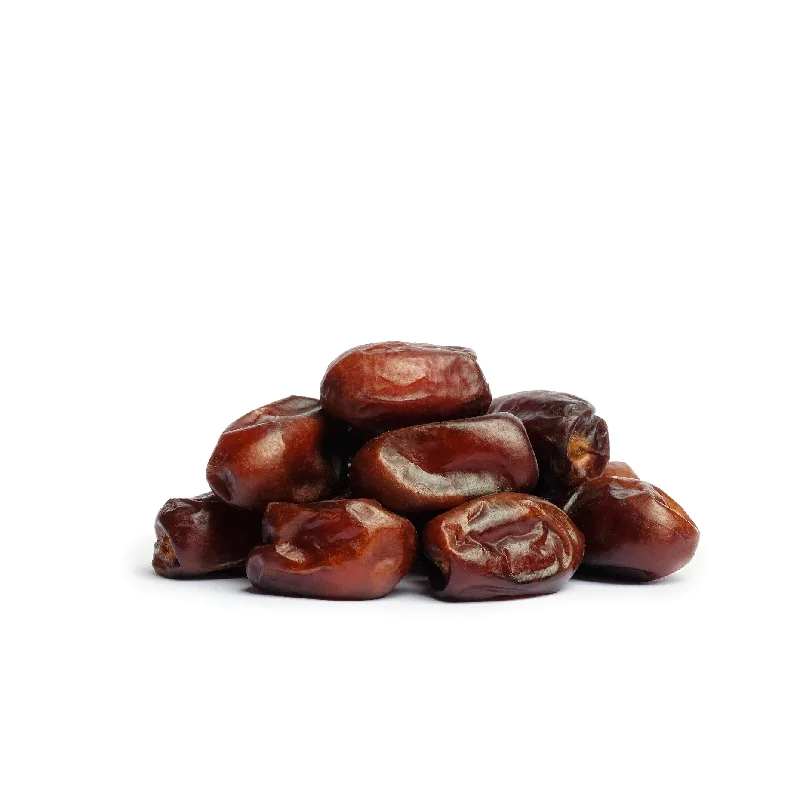
Sayer (Estamaran), Zahedi, and Kabkab varieties are strictly preferred over high-moisture table cultivars like Medjool. These industrial grades present a baseline moisture content below 18%. This lower moisture yields higher sugar extraction for syrups and maintains cellular integrity during mechanical chopping, maximizing the cost-efficiency of a Bulk Date Import for Food Manufacturers.
Date Paste
Homogenized, macerated date flesh calibrated to a strict moisture parameter for optimal extrusion.
Technically, date paste is a uniform compound with a mandated moisture content of 18% to 22%. Physically, it functions as a highly viscous, ready-to-use dough. This exact moisture tolerance maintains flowability through factory extrusion nozzles without compromising the final product’s ambient shelf stability. It acts as a fundamental component when scaling a Bulk Date Import for Food Manufacturers.

Date Syrup
A thermally concentrated, water-extracted solution of monosaccharides standardized to a precise Brix index.
Acting as a dark, viscous liquid sweetener, date syrup resembles molasses but maintains a neutral, fruity organoleptic profile. Industrial grades are rigidly standardized between 68 and 75° Brix. This concentration ensures uniform fluid viscosity and exerts the necessary osmotic pressure to prevent yeast fermentation in bulk storage silos.
Chopped / Diced Dates
Mechanically extruded date particulate, precision-cut to a 5mm to 10mm specification and coated with a flow agent.
To prevent agglomeration within industrial mixing hoppers, these calibrated pieces are uniformly coated in dextrose or rice flour at a maximum of 3% by volume. This anti-caking application ensures the particulate disperses evenly into dry batters and trail mixes without disrupting automated weigh-fillers.
Whole / Pitted Dates
Intact fruit subjected to automated core removal, governed by strict pit fragment tolerances.
Whole pitted dates require precise calibration for industrial integration. The mandatory tolerance for residual pit fragments is exactly 1 per 100 dates. Exceeding this defect threshold poses a critical risk of damage to downstream grinding equipment.
Other Derivatives
Advanced processing yields specialized ingredients like decolorized liquid date sugar and dehydrated date powder.
Liquid date sugar is a deionized syrup providing rapid solubility without altering the visual opacity of the final formulation. Date powder, dehydrated to less than 5% moisture and finely milled, functions as a highly hygroscopic dry sweetener and structural bulking agent in low-moisture recipes.
| Derivative Format | Primary Technical Specification | Primary Industrial Application | Functional Advantage |
| Date Paste | 18% to 22% Moisture | Extruded protein bars, bakery fillings | Functions as a clean-label binder and humectant. |
| Date Syrup | 68 to 75° Brix | Sauces, dairy swirls, confectionery | Standardizes viscosity; high osmotic pressure prevents fermentation. |
| Chopped Dates | Max 16% Moisture | Dry mixes, granolas, baked inclusions | Flow agent coating prevents mixing hopper blockages. |
Quality Specifications
Standardized physicochemical and biological parameters dictate the processing viability of the imported commodity.
Deviation from these metrics directly results in batch rejection at the receiving facility.
Grade Standards
Industrial dates are classified by automated size calibration, acceptable defect ratios, and skin adhesion.
Grading tiers include Select, FAQ (Fair Average Quality), and Industrial/Choice. While retail requires Select grades, derivative processing optimally utilizes Industrial and FAQ categories. Aesthetic blemishes or partial skin separation in these grades do not degrade the chemical sugar yield or the functional profile.
Moisture Levels
Water activity (A_w) must be rigidly controlled to ensure machine compatibility and retard microbial growth.
Moisture tolerances vary strictly by end-use. Sayer dates destined for automated chopping must maintain maximum 16% moisture to ensure clean blade cuts. Conversely, paste formulations require up to 22% moisture for extrusion. Modulating the A_w directly dictates ambient shelf life during transit.
Brix Levels
Brix quantifies dissolved solids, establishing the baseline sweetening power and microbial resistance of syrups.
High Brix indices, exceeding 70° Brix, in bulk liquids are mandatory. The resulting osmotic pressure naturally inhibits microbial spoilage. This standard allows technologists to calculate repeatable dry-weight replacement ratios for inverted sugars in complex formulations.
Microbiological Requirements
Pathogenic and spoilage microorganisms must fall below strict industrial laboratory thresholds.
Certificates of Analysis (CoA) must verify the absolute absence of E. coli and Salmonella. Total Plate Count (TPC), yeast, and mold must remain within strict tolerances, typically under 100 CFU/g, to secure customs clearance and prevent cross-contamination.
Allergen & GMO Status
Pure date derivatives inherently support clean-label manufacturing protocols.
These commodities are naturally gluten-free, non-GMO, and devoid of major recognized allergens. Verifying this chemical status is mandatory for facilities operating dedicated allergen-free production lines.
EAEU & GOST Compliance Requirements
Validating Eurasian Economic Union technical regulations is a mandatory prerequisite for regional market entry.
Executing a Bulk Date Import for Food Manufacturers into the CIS region requires valid Declarations of Conformity displaying the EAC mark. Commodities must strictly align with TR CU 021/2011 regarding food safety, demanding comprehensive laboratory assays from accredited facilities prior to border arrival.
Packaging Options
Structural and thermal containment protects against chemical degradation and moisture migration during transit.
Packaging configurations must align with the physical state of the derivative and the anticipated environmental stress.

Bulk Packaging
Dry and semi-dry formats rely on high-barrier corrugated containment.
Paste, chopped, and pitted dates utilize 5kg and 10kg telescopic corrugated food-grade cartons. These incorporate inner high-density polyethylene (HDPE) liners engineered to preserve the specified water activity and prevent external moisture ingress.
Industrial-Size IBCs / Barrels
Standardized heavy-duty containment facilitates automated pneumatic pumping for liquid derivatives.
Syrup is transported in 220-liter food-grade steel drums internally coated with epoxy. High-volume operations utilize 1000-liter Intermediate Bulk Containers (IBC totes) to accelerate rapid transfer into factory holding silos.
Custom Packaging
Volumetric packaging tailored to exact batch-mixing parameters optimizes factory floor efficiency.
Procuring pre-weighed packaging eliminates secondary labor-intensive weighing steps, minimizing cross-contamination risks and accelerating continuous production cycles.
Winterized Packaging for Cold Climates
Sub-zero transit environments require thermal safeguarding to prevent product phase shifts.
When orchestrating a Bulk Date Import for Food Manufacturers bound for the Russian Federation, winterized packaging is imperative. Severe cold induces irreversible syrup crystallization and alters the moisture equilibrium in paste. Thermal liners and monitored temperature-controlled containers mitigate these physicochemical risks.
Import Requirements
Regulatory border clearance requires precise documentation and accurate product classifications.
Failure to provide exact paperwork results in port delays and potential cargo degradation.
Documentation
Comprehensive commercial paperwork ensures uninterrupted customs clearance for any Bulk Date Import for Food Manufacturers.
Essential documentation includes the Phytosanitary Certificate, Commercial Invoice, Packing List, Bill of Lading, and the Certificate of Origin. Utilizing Form A or EAEU-approved forms secures preferential tariff treatments at regional checkpoints.
Customs Codes
Harmonized System (HS) codes determine regional tariff structures and regulatory scrutiny levels.
Standard dried dates are classified under HS Code 080410. Processed derivatives like concentrated syrups or coated diced dates frequently fall under distinct subheadings based on the degree of processing and the inclusion of anti-caking agents.
Country-Specific Regulations
Major CIS borders implement rigorous inspection and testing protocols for agricultural imports.
Clearance involves mandatory port health inspections and random container sampling. Authorities routinely assay for pesticide maximum residue limits (MRLs) and heavy metal compliance before releasing cargo into domestic circulation.
Logistics & Shipping
Route optimization determines the thermal stress applied to the cargo and impacts landed operational costs.
Selecting the correct multi-modal route minimizes exposure to temperature fluctuations.
Shipping Methods
Multi-modal transit routes effectively link Middle Eastern processors with CIS manufacturing destinations.
Primary corridors include maritime freight across the Caspian Sea, railway networks transiting via Azerbaijan, and direct overland trucking via the INSTC network.
Shelf-Life During Transit
Transit duration directly affects the physicochemical stability of the commodity.
Industrial date derivatives maintain a 12 to 24-month shelf life. Rapid transit, such as 10 to 15-day delivery via Caspian vessels, minimizes prolonged exposure to ambient thermal fluctuations, preserving the functional integrity of a Bulk Date Import for Food Manufacturers.
Temperature & Storage
Ambient storage controls prevent sugar crystallization and spontaneous fermentation.
Dry derivatives require cool, dry storage parameters between 10°C and 20°C. Syrups must be protected from freezing and maintained below 25°C to eliminate fermentation risks during extended transit.
Applications in Food Manufacturing
Date derivatives deliver essential structural, textural, and chemical functionalities to industrially processed foods.
They act as primary functional ingredients rather than secondary flavor additives.

Bakery
Paste functions as a highly effective humectant in commercial high-volume baking.
By binding free available water within the dough matrix, date paste extends ambient shelf life. It actively retards starch retrogradation and maintains crumb moisture, validating a Bulk Date Import for Food Manufacturers focused on commercial baked goods.
Confectionery
Syrups and pastes offer natural caramelization properties under intense thermal load.
In nougat and fondant production, date syrup acts as a natural caramel substitute. It facilitates the Maillard reaction during industrial heating while eliminating the structural reliance on refined sucrose.
Beverages
Liquid date sugar dissolves instantly in complex aqueous factory solutions.
Producers of plant-based milks and dark sodas integrate decolorized liquid date sugar as a highly soluble sweetener. It contributes precise Brix levels without altering beverage opacity.
Sauces & Marinades
Concentrated syrups precisely modulate liquid viscosity in savory processing.
For commercial BBQ sauces, date syrup provides required Brix levels, enhancing the physical cling factor on substrates while contributing a complex sweetness profile.
Energy Bars & Functional Foods
Macerated paste delivers the primary mechanical binding capabilities required in protein formulations.
In continuous extrusion lines, paste physically agglomerates dry oats and nuts, eliminating the need for synthetic binding gums in clean-label production.
Dairy & Ice Cream Formulations
Specific derivatives withstand freezing point depression in complex dairy applications.
Prevalent in the Russian dairy sector, specialized date syrup is injected as a base swirl in premium ice creams. It maintains flowability at sub-zero temperatures and functions as a robust natural sweetener.
Supplier Evaluation
Verifying origin processing capabilities ensures supply chain resilience.
Partnering with accredited facilities mitigates quality disputes and logistical failures.
Certifications
Internationally accredited safety management systems validate processing hygiene.
Procurement must mandate origin facilities holding current ISO 22000, HACCP, FSSC 22000, and Halal certifications to ensure alignment with global food safety processing norms.
Audit Requirements
Independent laboratory verification mitigates quality disputes prior to maritime loading.
Engaging accredited third-party laboratories, such as SGS, for pre-shipment testing validates that the origin cargo meets all contractual physicochemical specifications before finalizing a Bulk Date Import for Food Manufacturers.
Pricing Structure
Industrial bulk pricing correlates directly with harvest cycles and selected Incoterms.
Optimal contract rates are historically secured during the September and October harvest window. Final pricing depends on volume capacity and established operational Incoterms.
Regional B2B Payment Term Dynamics
Localized financial routing secures supply chain continuity amidst banking complexities.
Middle Eastern processors frequently accommodate multi-currency B2B payment structures. Operating on open-account terms with trusted partners ensures a continuous Bulk Date Import for Food Manufacturers.
Conclusion
Strategic procurement relies on technical precision and robust logistics.
Selecting precise industrial date derivatives dictates adherence to strict moisture, Brix, and microbiological tolerances. Validating EAEU compliance and optimizing transit routes secures extraction yields and factory efficiency. Ultimately, an engineered Bulk Date Import for Food Manufacturers directly impacts continuous production and operational margins.
Frequently Asked Questions
What is the ideal moisture content for industrial date paste?
Between 18% and 22%, ensuring smooth extrusion without machine clogging.
Can date syrup replace inverted sugar in commercial baking?
Yes, on a 1:1 dry weight basis, providing similar moisture retention.
How do we prevent chopped dates from clumping in mixing hoppers?
Specify a coating of 1% to 3% rice flour or dextrose during the purchasing phase.
What are the primary logistics routes for importing to the CIS region?
Multi-modal transport via the Caspian Sea ports or direct rail through the INSTC network.
Related Products