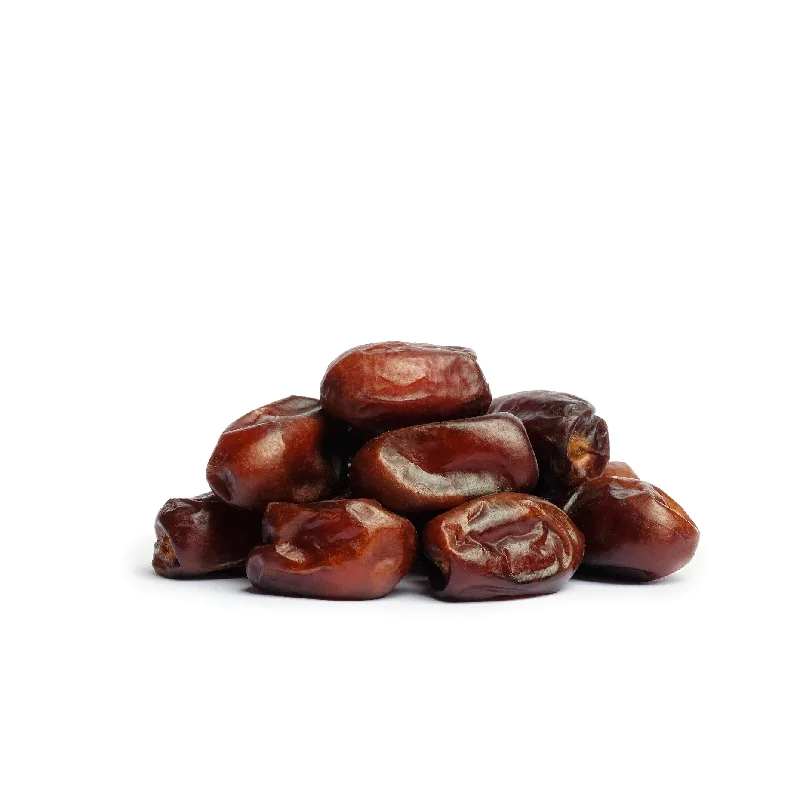

Procuring agricultural commodities from the Middle East involves navigating complex logistics, strict quality controls, and shifting macroeconomic factors. For international importers, distributors, and food manufacturers, successfully sourcing Wholesale Iranian Dates demands a rigorous understanding of varietal specifications, cold-chain parameters, and cross-border payment structures. This article delivers actionable, data-driven insights into export protocols, equipping B2B buyers to streamline procurement pipelines, manage freight expenditures, and mitigate international transit risks.
Overview of the Iranian Dates Wholesale Market
Evaluating the global output capacity helps buyers establish reliable procurement pipelines and accurately forecast seasonal availability.
Technically, Iran yields over .3 million metric tons of dates annually across southern provinces like Kerman, Khuzestan, and Hormozgan, ranking consistently among the top three global producers. Practically, this intense concentration of output ensures scalable volume and competitive baseline pricing for Wholesale Iranian Dates. The region’s diverse micro-climates support the parallel cultivation of fresh, semi-dry, and dry cultivars. This geographical advantage allows global buyers to consolidate their sourcing strategies, utilizing a single-origin hub for both heavy industrial extraction materials and direct retail distribution products.
Popular Iranian Date Varieties in Wholesale Trade
Cultivar selection relies strictly on the target demographic’s usage—direct retail versus industrial processing—and the importer’s existing cold-chain infrastructure. Properly matching these factors with specific Wholesale Iranian Dates prevents spoilage and maximizes profit margins.

Mazafati Dates
Technically classified as a fresh to semi-fresh cultivar, Mazafati Date maintains a high internal moisture content strictly between 15% and 35%. This metric mandates continuous cold storage protocols between 0∘C and 5∘C during transit and warehousing. Practically, this variety requires substantial logistics investment but delivers rapid turnover in direct-to-consumer retail, driven by massive seasonal demand preceding the Ramadan period.
Piarom Dates
Piarom Date is a semi-dry classification, maintaining a strict moisture level below 15%, which ensures prolonged cellular stability and shelf life at standard ambient temperatures. Practically, Piarom is positioned as a premium-tier product that commands high retail margins. Its inherently low glycemic index appeals directly to the expanding health-food and diabetic-friendly retail sectors.
Zahedi Dates
The Zahedi Date is a dry variety featuring a distinctive golden hue, thick skin, and low moisture (under 14%), making it highly durable against physical compression. Practically, this cellular resilience entirely eliminates the need for costly cold-chain transport. It serves as the baseline, cost-efficient choice for industrial processing, paste manufacturing, and mass retail distribution within price-sensitive demographics.
Estamaran Dates
Also documented as Sayer, the Estamaran is a semi-dry date with a moisture content of approximately 18%, characterized technically by its rapid mechanical pitting capability. Over 70% of the annual yield is designated for export. Practically, due to its elevated invert sugar ratio, this cultivar is the primary raw material for European food manufacturers operating automated baking lines and syrup extraction facilities.
Kabkab and Rabbi Dates
Kabkab Date is semi-dry and syrupy, defined by a dense, sticky texture, whereas Rabbi Date is a semi-dry, elongated dark cultivar featuring exceptional structural stability. Practically, Kabkab serves heavy industrial extrusion processes. The Rabbi cultivar requires minimal specialized environmental control, positioning it as a low-risk, high-margin export for distributors operating across Central Asia and Eastern Europe.
| Cultivar | Technical Moisture Content | Required Storage Temperature | Primary B2B End-Market |
| Mazafati | 15%−35% | 0∘C to 5∘C | Retail / Peak Seasonal Demand |
| Piarom | <15% | Ambient / Ventilated | Premium Retail / Health Sector |
| Zahedi | <14% | Ambient / Ventilated | Industrial Processing / Economy Retail |
| Estamaran | <18% | Ambient / Ventilated | European Food Manufacturing |
Wholesale Iranian Dates Pricing
Executing precise financial projections for Wholesale Iranian Dates requires mapping intrinsic agricultural grading metrics against macroeconomic B2B trade terms.
Factors That Affect Date Prices
Pricing models rely on total harvest volume, moisture stability, and the specific sorting methodology utilized. Output is standardized globally into Super Select, Select, and Standard grades. Practically, automated laser-sorted batches command higher upfront costs but eliminate physical defects and standardize product size. This precision directly reduces waste and expensive processing downtime for downstream food manufacturers.
Seasonal Price Changes
The primary harvest cycle spans from late August through October, creating peak factory inventory levels. Practically, B2B importers secure the lowest acquisition costs immediately post-harvest. Conversely, Q1 procurement consistently triggers steep price spikes driven by global Ramadan inventory stockpiling and reduced factory reserves.
Average Wholesale Price Ranges
Valuations per metric ton (MT) are heavily stratified by the exact botanical cultivar. Piarom operates at the highest premium tier, while Zahedi and Sayer serve as the standard economy tiers. While exact dollar amounts for Wholesale Iranian Dates fluctuate due to global supply metrics, premium tiers consistently cost 150% to 200%more than baseline industrial grades, requiring buyers to carefully balance volume requirements against acquisition costs.
Currency Exchange Rates and Payment Logistics
Local currency volatility directly alters origin FOB (Free on Board) pricing structures. Standard direct Letters of Credit (L/C) are currently obsolete for this specific jurisdiction. Practically, importers execute secure, legal payments via Telegraphic Transfer (TT) routed strictly through compliant third-party logistics hubs and financial intermediaries located in the UAE, Oman, or Turkey.
Packaging Options for Wholesale Iranian Dates
Industrial packaging architecture dictates shipping density and protects cargo from environmental degradation. Selecting the correct configuration for Wholesale Iranian Dates streamlines destination logistics and lowers overhead.

Bulk Carton Packaging
Standard export formats utilize 5 kg, 10 kg, and 12 kg telescopic corrugated cartons featuring high edge-crush test ratings, internally lined with food-grade polyethylene bags. Practically, this configuration maximizes container palletization efficiency and prevents internal moisture evaporation, ensuring bulk Wholesale Iranian Dates survive extended ocean transit without critical weight loss.
Retail and Consumer Packaging
Automated origin facilities package goods directly into 400 g to 1 kg units, utilizing vacuum packs, clear plastic tubs, and branded zip-lock pouches. Practically, by sourcing retail-ready units, importers completely bypass domestic repacking operations, sharply reducing local labor overhead and accelerating time-to-market.
Private Label Packaging for Importers
Origin facilities integrate comprehensive OEM and White-label parameters, applying buyer-provided die-cuts and branding assets directly on the processing line. Practically, this vertically integrates the supply chain, meaning cargo arrives at destination ports prepared for immediate domestic retail distribution without secondary handling.
Eco-Friendly and Sustainable Packaging Solutions
Modern regulatory compliance increasingly mandates the use of biodegradable PLA retail trays and 100% recyclable Kraft corrugated transport materials. Practically, implementing these advanced materials allows corporate importers to effortlessly pass stringent 2026European and North American ESG (Environmental, Social, and Governance) compliance audits.
Export Process for Iranian Dates
Clearing origin customs seamlessly requires absolute precision in bureaucratic documentation and sanitary compliance. Failing to meet these strict legal standards for Wholesale Iranian Dates results in terminal delays and severe demurrage penalties.

Export Documentation and Certifications
A legally compliant export packet mandates a Commercial Invoice, Packing List, carrier’s Bill of Lading (B/L), Certificate of Origin (COO), and the official terminal Customs Declaration. Practically, minor discrepancies between the B/L and the commercial invoice trigger immediate terminal holds. Flawless documentation ensures swift origin departure and smooth destination clearance.
Quality Control and Grading
Freight undergoes rigorous technical assessment for size uniformity and the absolute absence of foreign matter. Mandatory industrial pest control utilizes Methyl Bromide or Phosphine gas. Practically, this fumigation protocol guarantees the cargo is pest-free, directly preventing outright rejection and mandatory cargo destruction by strict destination customs authorities.
Minimum Order Quantities (MOQ)
A standard 20 ft FCL (Full Container Load) accommodates 12 to 17 MT, while a 40 ft FCL holds 24 to 28 MT, contingent entirely on the chosen pallet configurations. Practically, importers must maximize these volumetric parameters when placing orders. Shipping underutilized containers drastically inflates the final freight cost per kilogram, destroying baseline profit margins.
Phytosanitary and Health Certificates
The Ministry of Agriculture issues a Phytosanitary certificate post-inspection, technically confirming the complete absence of quarantine pests and botanical diseases. Practically, this is a non-negotiable legal requirement for global trade; destination border control will deny port entry without this verifiable, original document.
Shipping and Logistics for Date Exports
Ocean freight demands robust environmental control. Safeguarding Wholesale Iranian Dates requires precisely matching the transit infrastructure to the cultivar’s specific thermal parameters.
Sea Freight vs Air Freight
FCL and LCL ocean freight represent the dominant transport modalities. Air freight possesses an extreme, prohibitive weight-to-cost ratio. Practically, buyers utilize sea freight exclusively to maintain viable commercial margins on heavy agricultural goods, reserving air transport strictly for urgent B2B evaluation samples.
Transit Time to Major Markets
Ocean routes departing Bandar Abbas dictate strict transit durations: 1 to 2 weeks to the Indian Subcontinent, 4 to 6 weeks to Europe via necessary transshipment hubs, and 1 to 3 weeks to CIS nations utilizing heavy rail. Practically, importers must perfectly align these transit timelines with domestic inventory depletion rates to avoid critical out-of-stock scenarios.
Storage and Temperature Considerations
Fresh cultivars demand active reefer containers programmed strictly between 0∘C and 5∘C. Conversely, dry cultivars utilize standard ventilated dry vans to prevent internal condensation. Practically, employing standard dry containers for dry dates drastically reduces freight expenditure, whereas failing to secure premium reefer rates for fresh dates guarantees complete cargo spoilage.
Cold Chain Management and Humidity Control
Transshipment delays introduce severe thermal volatility. Digital data loggers are strategically mounted inside containers to record ambient metrics continuously. Practically, these devices provide incontrovertible, downloadable evidence of temperature breaches, which is critical for successfully executing cargo insurance claims if the cold chain fails during transit.
How to Choose a Reliable Iranian Dates Supplier?
Mitigating counterparty risk requires rigorous operational vetting rather than relying on standard commercial promises. Securing a reliable Iranian Dates Supplier hinges entirely on documented, verifiable compliance.
Buyers must formally request independent factory audit reports and verify active ISO 22000 and HACCP (Hazard Analysis Critical Control Point) certifications. Practically, relying on unverified suppliers introduces massive contamination risks. Importers must demand continuous, unedited video tours of sorting facilities to confirm real-time hygiene standards. Furthermore, validating the supplier’s historical customs clearance track record within the buyer’s specific jurisdiction prevents costly terminal demurrage caused by routing errors and non-compliant documentation.
Conclusion: Key Insights for Buying Wholesale Iranian Dates
Executing a profitable import strategy requires precisely aligning varietal specifications with flawless supply chain execution.
Scaling a bulk import operation mandates matching the precise moisture-specific cultivar to the target demographic. Furthermore, corporate buyers must actively secure the cold chain using data-logging technology and partner exclusively with vetted suppliers who demonstrate proven expertise in navigating complex transshipment documentation for Wholesale Iranian Dates. Success relies on technical procurement rather than simple price acquisition.
Frequently Asked Questions (FAQs)
What is the shelf life of exported Iranian dates?
Varies strictly by moisture content. Dry dates remain viable for 18 to 24 months at ambient temperatures. Fresh dates yield a 12-month shelf life, achievable exclusively under uninterrupted cold storage (0∘ C to 5∘ C).
Can Iranian dates be imported to Europe and the US?
Yes. Essential food products are generally exempt from strict global embargoes. However, buyers must meticulously navigate banking logistics utilizing authorized intermediary financial hubs.
Are organic Iranian dates available for wholesale?
Yes, provided the buyer verifies recognized third-party international certifiers (e.g., EU Organic), as domestic origin certifications lack global regulatory jurisdiction.
Do suppliers provide fumigation certificates?
Yes. This is a mandatory, standardized pre-loading procedure to ensure entirely pest-free cargo and guarantee immediate destination customs clearance.
Related Products