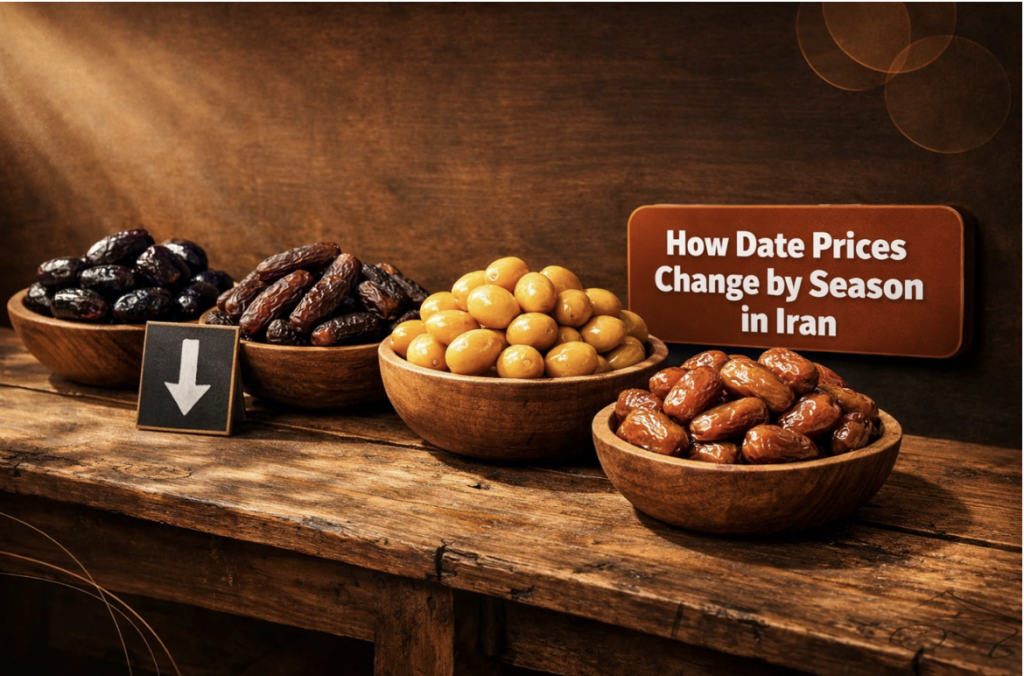
Iran ranks among the top three date-producing countries in the world, contributing roughly 15 to 20 percent of global supply. For international buyers, understanding how date prices change across seasons is a practical necessity. Procurement costs, shipping schedules, and annual budgets all depend on knowing when prices are low, when they stabilize, and when they climb. This article covers the full seasonal cycle, variety by variety, so importers can make informed decisions.
Understanding the Date Harvest Season in Iran
The harvest calendar is the foundation of Iran’s date market. Every price movement throughout the year traces back to when dates are picked, how much is produced, and how long they can be stored. Before looking at price trends, it helps to understand the production side clearly.
Main Harvest Months
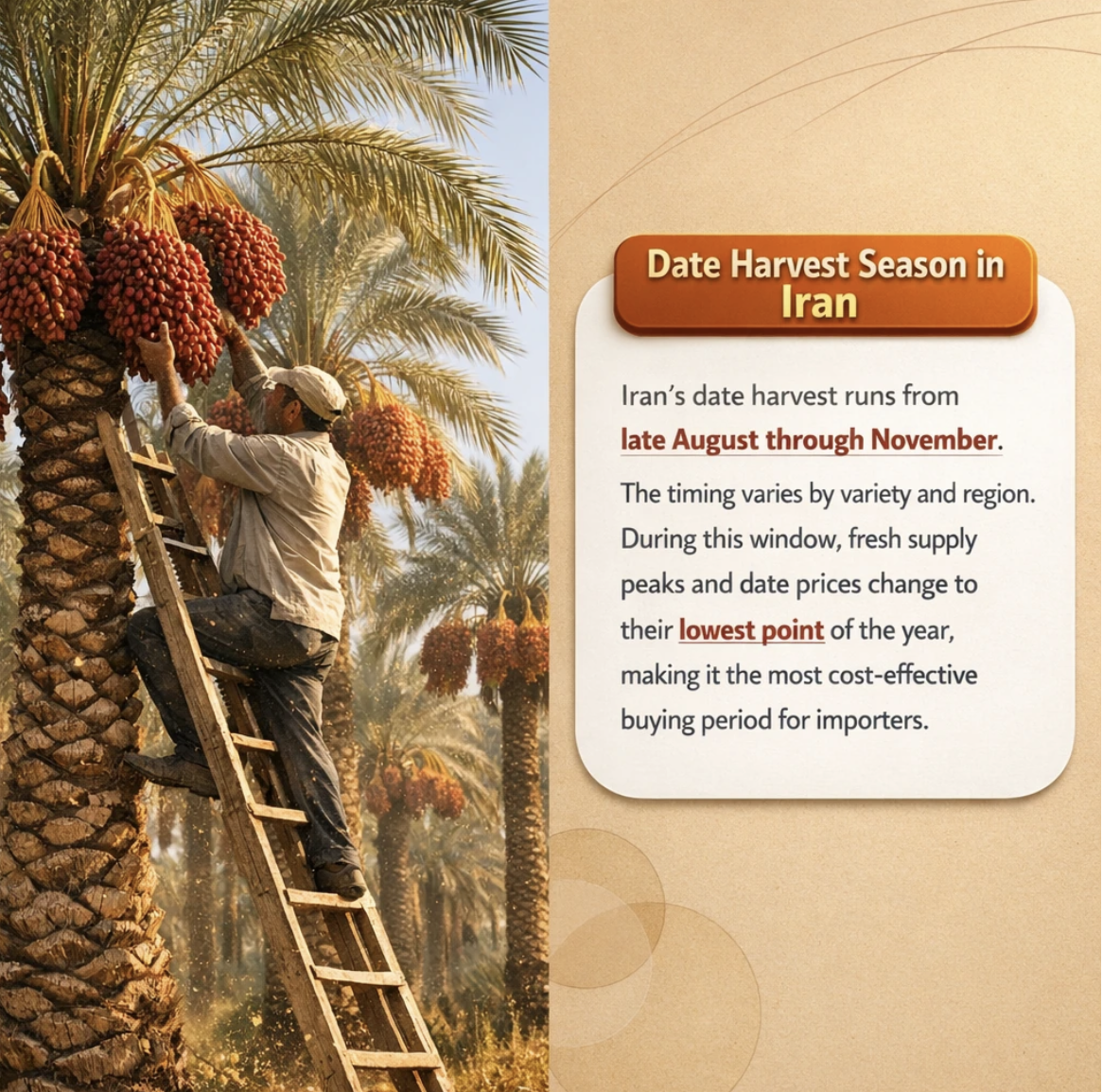
Iran’s date harvest runs from late August through November. The exact timing depends on the variety and the region. Mazafati dates are typically harvested between August and October. Piarom dates reach maturity in September and October. Zahedi and Kabkab varieties are generally ready from September through November. Outside this window, all available supply comes from cold storage, and that shift in source directly affects cost.
Major Date-Producing Regions
Iran’s production is geographically concentrated, with each region tied to specific varieties.
- Kerman Province is the primary source of Piarom dates, grown mainly around the city of Jiroft and Hajiabad. Piarom is a semi-dry variety with naturally low moisture content, which makes it well suited for export without complex cold chain requirements.
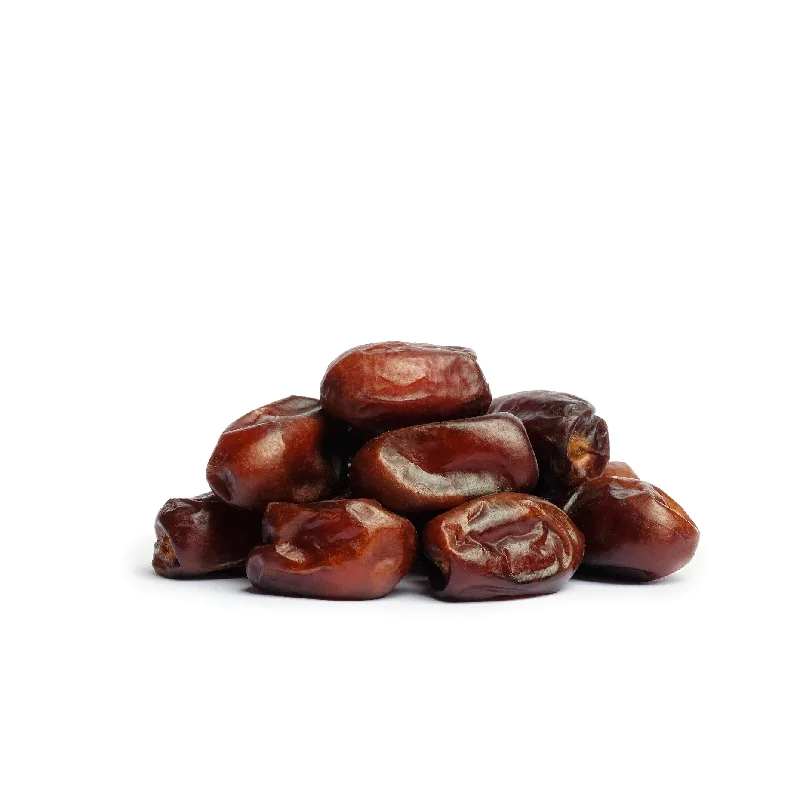
- Bam, also in Kerman Province, is the center of Mazafati date production. Bam’s specific climate, with hot days and cool nights, produces the soft texture and dark color that make Mazafati one of Iran’s most recognized export varieties.
- Bushehr Province is the main growing area for Kabkab dates. This semi-soft variety has a golden-amber color and a mild, sweet flavor. It is widely consumed domestically and exported to neighboring countries.
- Fars and Khuzestan provinces are the primary producers of Zahedi dates. Zahedi is a dry variety with firm texture, light golden color, and very low moisture content. Its long shelf life makes it one of the most practical varieties for long-distance export.
Date Prices During the Harvest Season
Harvest season is when date prices change most visibly. A large volume of fresh product enters the market in a short period, and wholesale prices respond accordingly.
Increased Supply and Lower Prices
From August through October, supply increases sharply and prices fall. Depending on the variety and annual yield, wholesale prices at origin drop by 20 to 40 percent compared to off-season levels. For Mazafati, prices in the Bam wholesale market can fall significantly in September when fresh stock is at its peak. This is the most cost-effective point in the annual cycle for buyers.
Best Time for Bulk Purchasing
Harvest season is the optimal window for placing large orders. Buyers who work directly with Iranian exporters during August through October can secure lower per-kilogram rates. Many exporters offer forward contracts during this period, allowing importers to lock in harvest-level prices for shipments scheduled over the following six to twelve months.
Price Differences Between Fresh and Stored Dates
Fresh dates sold immediately after harvest carry the lowest prices but require faster logistics, particularly for high-moisture varieties like Mazafati. Dates that go into cold storage are priced slightly higher even at harvest time, reflecting handling and facility costs. That gap widens as the season progresses and storage duration increases.
Post-Harvest Price Stabilization
After the main harvest concludes in November, the market enters a stabilization phase. Supply is no longer growing, but cold storage facilities hold enough stock to meet demand without immediate upward pressure on prices.
Cold Storage and Market Supply
Iran has substantial cold storage infrastructure, particularly in Kerman and Khuzestan. Stored dates are released gradually from November through the following summer. During this phase, date prices change slowly and remain relatively stable, typically 10 to 20 percent above harvest lows. The December to February window is still a reasonable buying period for importers who missed the harvest season.
Export Demand After Harvest
Post-harvest months coincide with increased export activity. Iranian exporters ship large volumes to Russia, Iraq, India, Germany, and other markets during this period. That consistent export demand keeps prices from falling further and establishes a price floor that holds through early spring.
Price Increases During the Off-Season
By late spring and into summer, the market shifts. Storage stocks thin out, accumulated costs rise, and date prices change upward across all varieties.
Limited Supply from Storage
From April onward, cold storage inventories decline steadily. Exporters become more selective about releasing stock, and prices reflect reduced availability. For Mazafati, which has a shorter effective storage life than dry varieties, supply constraints become more noticeable by May and June.
Increased Logistics and Storage Costs
Every additional month a date spends in cold storage adds to its final cost. Electricity, facility fees, and repeated handling accumulate over time. By mid-summer, these costs are fully embedded in the wholesale price, pushing rates 30 to 50 percent above harvest-season lows for soft varieties.
Export Demand from International Markets
Demand from Muslim-majority countries increases during Ramadan, which shifts annually across the Gregorian calendar. When Ramadan falls in spring or summer, it amplifies off-season demand and accelerates price increases. This is one of the less predictable variables that causes date prices change to vary from year to year even within the same seasonal pattern.
Seasonal Price Differences by Date Variety
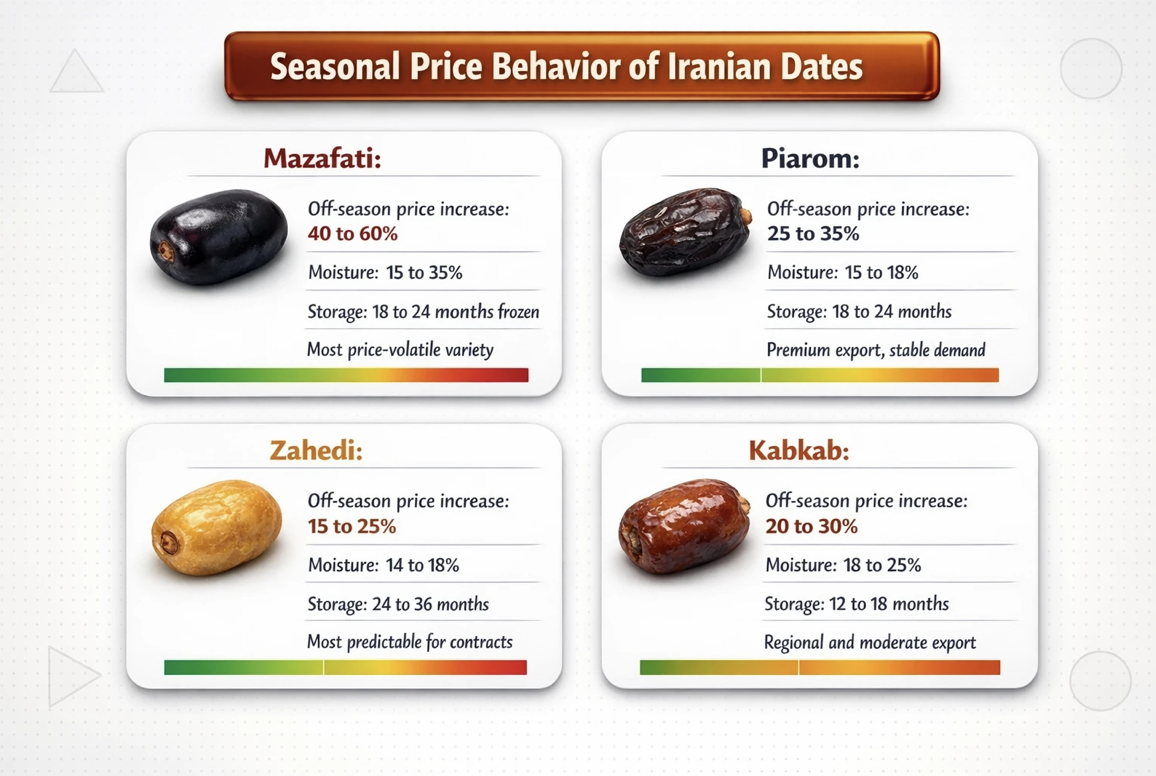
Each Iranian date variety has distinct physical characteristics that directly affect how sharply date prices change between seasons. Moisture content, storage life, and export demand all play a role.
| Variety | Harvest Window | Moisture Content | Off-Season Price Increase | Storage Life | Export Suitability |
|---|---|---|---|---|---|
| Mazafati | Aug to Oct | 15 to 35% | 40 to 60% | 18 to 24 months (frozen) | Moderate, cold chain required |
| Piarom | Sep to Oct | 15 to 18% | 25 to 35% | 18 to 24 months | High |
| Zahedi | Sep to Nov | 14 to 18% | 15 to 25% | 24 to 36 months | Very high |
| Kabkab | Sep to Nov | 18 to 25% | 20 to 30% | 12 to 18 months | Moderate |
Mazafati Date Price Trends
Mazafati is the most price-volatile variety in Iran’s export market. Its moisture content ranges from 15 to 35 percent depending on ripeness grade, which limits shelf life without freezing. Storage costs are higher than for dry varieties, and supply constraints hit earlier in the off-season. Date prices change most sharply for Mazafati, often exceeding a 50 percent increase from the September harvest low to the July off-season high. Buyers sourcing Mazafati should prioritize harvest-season contracts.
Piarom Date Price Trends
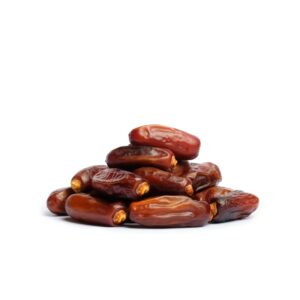
Piarom is a premium semi-dry variety grown exclusively in the Hajiabad region of Kerman Province. Its moisture content sits between 15 and 18 percent, which gives it a longer shelf life than Mazafati without requiring freezing. Piarom has a thin skin, a caramel-like flavor, and a dark brown color that makes it one of Iran’s highest-value export dates. Date prices change by roughly 25 to 35 percent between harvest and off-season peaks. Because of its consistent quality and strong international reputation, Piarom maintains relatively stable demand year-round.
Zahedi Date Price Trends
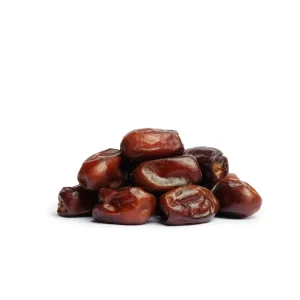
Zahedi is a dry variety with moisture content between 14 and 18 percent. It has a firm, slightly chewy texture, a light golden color, and a mildly sweet flavor. Because it can be stored for up to three years under proper conditions, the seasonal price gap is narrower than for soft varieties. Date prices change by approximately 15 to 25 percent between harvest and off-season for Zahedi, making it the most predictable variety for long-term supply contracts. It is also the most forgiving variety for buyers with less sophisticated cold chain infrastructure.
Kabkab Date Price Trends
Kabkab is a semi-soft variety with moisture content between 18 and 25 percent. It has a golden-amber to dark brown color, a soft texture, and a rich sweetness. Kabkab is widely consumed in Iran and exported primarily to Iraq, Russia, and parts of Europe. Its seasonal price movement is moderate, and it is less affected by international premium-market demand than Piarom or Mazafati. Date prices change by around 20 to 30 percent between harvest and off-season for Kabkab.
Other Factors That Affect Date Prices
The harvest calendar explains most of the seasonal pattern, but several external variables cause date prices change in ways that go beyond timing alone.
Weather and Harvest Yield
Drought, late frosts, or excessive heat during pollination can reduce yields significantly. A poor harvest year compresses supply and pushes prices higher across all seasons. Iran’s southern provinces have faced increasing heat stress in recent years, which adds yield uncertainty to annual price forecasts. Buyers should monitor harvest reports from Iran’s Ministry of Agriculture each August.
Currency Exchange Rates
Iran’s rial has depreciated substantially over the past decade. For international buyers paying in USD or EUR, this has generally kept Iranian dates competitively priced in foreign currency terms. However, rapid exchange rate shifts can cause date prices change unpredictably in local currency, which affects how exporters quote prices and structure contracts.
Packaging and Processing Costs
Dates sold in retail-ready packaging carry higher prices than bulk product. Sorting, grading, and packaging add a fixed cost layer regardless of season. Buyers sourcing bulk product directly from producers or first-tier exporters avoid much of this markup and have more flexibility in pricing negotiations.
Best Time for Importers to Buy Iranian Dates
Two strategies consistently deliver the best results for importers managing cost and supply continuity.
Buying During Harvest for Lower Prices
The August to October window offers the lowest prices across all major varieties. Importers who can coordinate logistics to receive fresh or early-storage product during this period achieve the best per-kilogram cost. This requires advance planning, established exporter relationships, and readiness to handle cold chain requirements for soft varieties like Mazafati.
Contracting Supply for Year-Round Stability
For importers who need consistent supply throughout the year, forward contracts signed during harvest season are the most reliable approach. These contracts fix price and volume at harvest rates, protecting buyers from the 30 to 50 percent price increases that occur by mid-summer. Iranian exporters are familiar with this model and offer it as a standard arrangement. Locking in supply during harvest also reduces exposure to currency fluctuation and weather-related shortages.
Conclusion
Date prices change in Iran follow a clear seasonal pattern: lowest at harvest from August to November, stable through early winter, and progressively higher from spring through summer. The degree of movement varies by variety. Mazafati shows the widest price swings due to its high moisture content and storage requirements. Zahedi shows the narrowest swings due to its long shelf life and dry composition. External factors including weather, export demand, and currency shifts add variability on top of the seasonal baseline. For importers, the practical approach is to buy or contract during harvest season, build direct relationships with Iranian exporters, and use forward contracts to maintain year-round supply at predictable costs.
Related Products