The global appetite for dates keeps expanding, yet most buyers struggle to separate premium grades from inferior batches sitting beside them on the same shelf. Knowing how to identify high-quality dates vs low-quality ones protects both your budget and your health, since flavor, texture, and nutritional value differ sharply across grades. In this article, we will explore exactly how to identify high-quality dates vs low-quality ones, providing you with a reliable checklist for your next purchase.
Why Date Quality Matters?
The grade of a date directly determines its nutritional yield. Fiber density, polyphenol antioxidant content, and a stable glycemic response all depend on proper ripening and curing. According to global nut and dried fruit surveys, roughly 68% of consumers prioritize dates for digestive health, which makes quality a practical concern rather than a cosmetic one. Low-quality dates frequently undergo improper fermentation before sale, a process that breaks down sugars unevenly and degrades the very compounds buyers want. Learning how to identify high-quality dates vs low-quality ones therefore starts with understanding that appearance and benefit are linked, not separate.
Signs of High-Quality Dates
A few reliable physical markers separate genuine premium dates characteristics from ordinary stock, and you can check most of them within seconds at the point of sale.
Appearance and Color
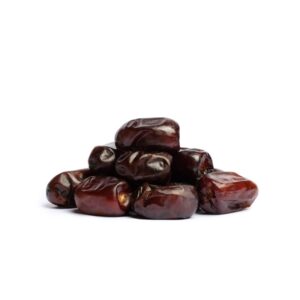
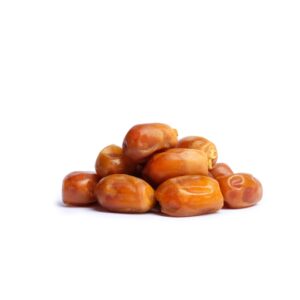
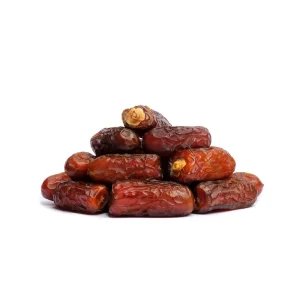
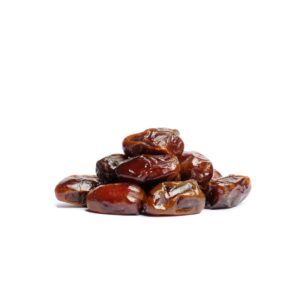
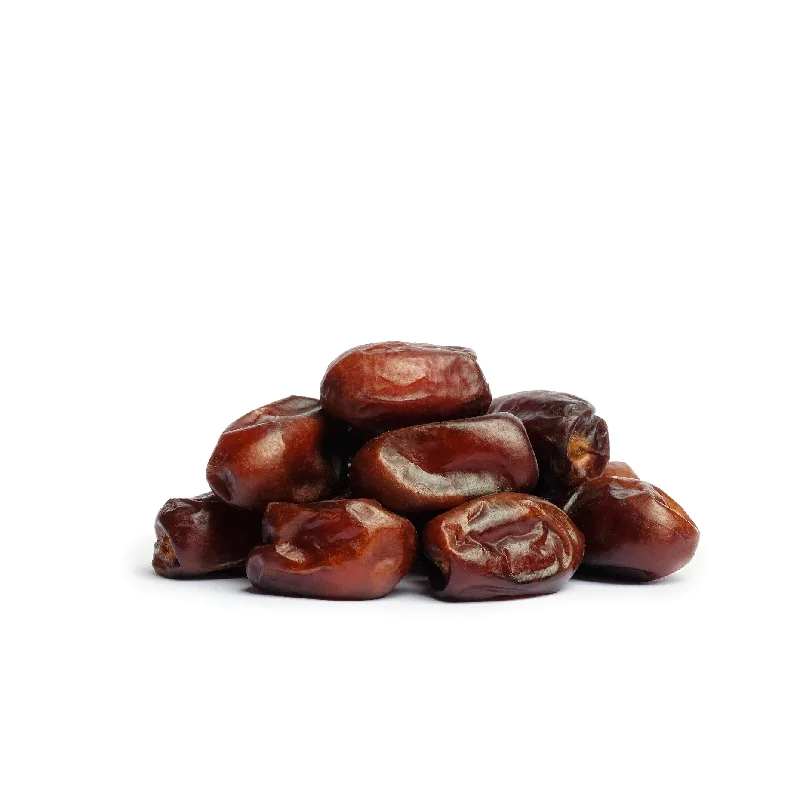
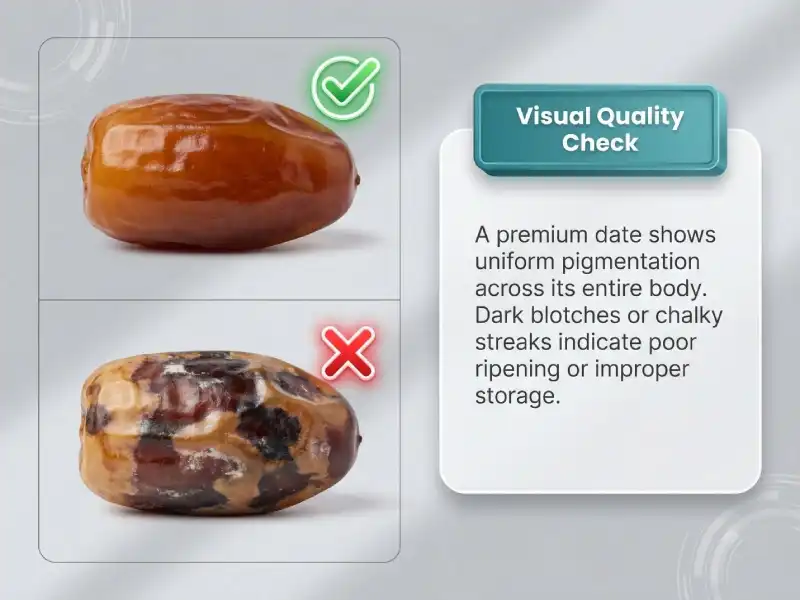
In date maturation, “uniform pigmentation” means the fruit has developed a single, consistent surface tone across its entire body, reflecting even sugar development during ripening. In simpler terms, a quality date should show one steady hue without dark blotches or chalky white streaks running through the skin. About 20% of visual quality evaluation relies on this uniform color alone, so it deserves a close look. A natural sheen, a soft, slightly waxy surface, is another positive marker. This sheen comes from the fruit’s own nectar, not from any external coating, and it is one of the clearest signs of quality dates you can spot at a glance.
Texture and Moisture
Texture differs by cultivar, so there is no single correct feel. That said, a premium date generally feels plump and yields slightly when you press it. It should never feel hard like a pebble, since that signals excessive moisture loss, nor should it collapse into a wet paste, which points to overripening or poor storage. The right resistance reflects balanced moisture content, and this hands-on check is central to learning how to identify high-quality dates vs low-quality ones. A gentle squeeze tells you more than the label in most cases.
Taste and Aroma
Premium dates carry layered flavor notes—caramel, honey, or toffee depending on the variety—rather than a flat, one-dimensional sweetness. The aroma should read as naturally sweet and fresh when you bring the fruit close. Any sour, sharp, or alcoholic smell indicates fermentation has already started, which immediately drops the date into the low-quality category regardless of how it looks.
Signs of Low-Quality Dates
Just as clear markers point to premium stock, several red flags expose inferior batches before you pay for them.
Discoloration and Damage
Inspect each date for small insect holes, deep cracks that expose the inner flesh, or unnatural dark spots that spread irregularly across the skin. Insect holes signal pest activity during storage or transport. Deep cracks expose the flesh to oxygen and contaminants, while irregular dark spotting usually traces back to rough handling or bruising during harvest. None of these are cosmetic concerns alone; each one shortens shelf life and raises the risk of spoilage inside a sealed package.
Dryness, Mold, and Fermentation
When dates are stored in humid or warm conditions, their water activity rises beyond a safe threshold, giving mold spores and yeast the moisture they need to grow. Put plainly: if a date smells like vinegar or alcohol, fermentation has set in, and if you see fuzzy white or greenish patches, mold has taken hold. Either condition means the fruit is spoiled and unsafe to eat. Overly dry, brittle dates sit at the opposite extreme—technically edible but past their prime, with hardened flesh and faded flavor.
Sugar Crystallization vs. White Mold
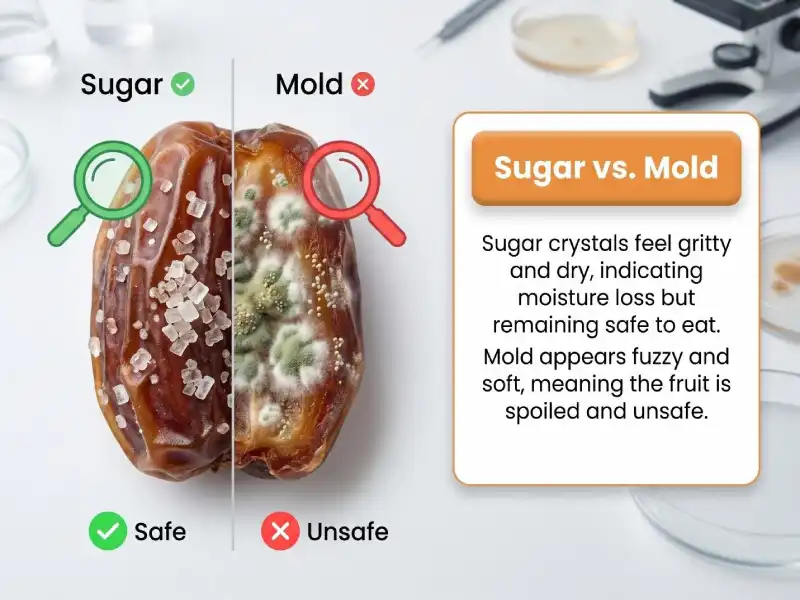
Sugar crystallization in dates is the migration of natural fructose and glucose from the flesh to the surface, triggered by temperature fluctuations during storage or transport. White mold, by contrast, is a fungal growth feeding on the fruit’s moisture. In simpler terms: sugar crystals appear as hard, transparent or white grains that sit firmly on the skin and are completely safe to eat, though they indicate the dates are no longer fresh. Mold appears fuzzy, soft, and often spreads in patches, and it is unsafe. Many buyers discard perfectly good dates after mistaking harmless sugar crystallization in dates for spoilage. Rub the surface gently: crystals feel gritty and dry, while mold smears.
Factors That Affect Date Quality
Several measurable conditions shape the final grade long before the fruit reaches a store shelf.
Moisture Content
In dried fruits, “water activity” (awa_waw) measures the amount of unbound water available to support microbial growth, distinct from total water content. Simply put: too much moisture lets dates spoil quickly through mold and fermentation, while too little leaves them hard and unpleasant to eat. Proper moisture curing—drying the fruit to a controlled awa_waw level, typically below the point where mold can develop—is essential to both safety and texture. This balance is one of the strongest predictors of how to identify high-quality dates vs low-quality ones, because it governs everything from shelf stability to mouthfeel.
Packaging and Storage
Food-safe, airtight, or vacuum-sealed packaging keeps dates in good condition by blocking the two main threats: oxygen and pests. Oxygen accelerates oxidation and dulls flavor, while open or poorly sealed containers invite insects and absorb ambient humidity. Premium suppliers use sealed trays or vacuum packs precisely because exposed dates degrade within days. Packaging quality is itself a signal of quality dates and the care taken behind the brand.
Skin Separation (The Medjool Metric)
Skin separation in dates is the detachment of the pericarp (the outer skin) from the mesocarp (the inner flesh), caused by moisture loss as the fruit ripens. In practical terms, it is a cosmetic grading system used mainly for Medjool dates. “Diamond” grade Medjool dates show less than 5% skin separation in dates, presenting a smooth, intact surface, while lower tiers may reach up to 40% with visibly loose, wrinkled skin.
| Medjool Grade | Skin Separation | Visual Result |
|---|---|---|
| Diamond | Under 5% | Smooth, fully intact skin |
| Premium | 5–15% | Minor loosening |
| Standard | 15–40% | Visibly wrinkled, loose skin |
Higher skin separation in dates lowers price and visual appeal, but it does not necessarily harm taste or safety.
Quality Differences by Date Variety
“High quality” looks different depending on the cultivar, so the same checklist needs slight adjustment per variety.
Mazafati Dates
Mazafati is prized for its high moisture content. Quality signs include a deep, even black color, intact and unbroken skin, and—critically—zero leakage of sour, syrupy juice pooling inside the box. Any visible liquid at the bottom of the package signals over-fermentation or pressure damage during transport.
Piarom and Dry Dates
Piarom, often called the chocolate date, is semi-dry. Quality signs include a dark brown color, a thin skin that adheres tightly to the flesh, and a chewy texture that is firm but never brittle. If the skin flakes away or the flesh snaps, the fruit has lost too much moisture.
Medjool and Ajwa Dates
Medjool quality rests on two factors: large fruit size and minimal skin separation in dates, with top grades showing a smooth, unbroken surface. Ajwa dates, grown in Saudi Arabia, follow a different profile. A quality Ajwa is naturally dark, slightly dry on the outside, yet tender within. It should never feel rock-hard; a stone-like Ajwa indicates excessive drying or age rather than premium curing.
The Role of Certifications in Premium Dates
Premium dates frequently carry certifications such as Organic, ISO, or recognized Food Safety marks. These labels confirm the absence of synthetic pesticides and verify hygienic handling across the full chain from farm to packaging. A documented certification is one of the more dependable signs of quality dates, because it reflects audited standards rather than a seller’s unverified claim.
Buyer Checklist for Selecting Quality Dates
Use this practical checklist at the point of purchase:
- Perform a date freshness test with a gentle squeeze—the fruit should yield slightly without crumbling or leaking.
- Check for uniform color across the surface, with no dark patches or chalky streaks.
- Smell the dates for any sour, vinegary, or alcoholic notes that signal fermentation.
- Look for a natural sheen rather than an artificial, sticky gloss.
- Confirm the packaging is sealed, intact, and free of pooled liquid.
- Check for visible certifications on the label where available.
Running this date freshness test takes seconds and filters out most low-grade stock immediately.
Common Mistakes When Evaluating Dates
A few recurring errors lead buyers astray. First, relying solely on size: bigger is not always better, since varieties like Piarom and Ajwa are naturally smaller, and a large fruit can still be poorly cured. Second, confusing sugar crystallization in dates with mold and discarding safe fruit, when a quick texture check would settle it. Third, choosing the shiniest dates on display—an overly glossy, sticky finish often means the fruit was coated in cheap glucose syrup or oil to mask dryness, rather than carrying its own natural date nectar.
Conclusion
Choosing well comes down to a handful of repeatable checks: even color, balanced moisture, a clean aroma, low skin separation, and verified sourcing. Investing in premium dates returns better flavor and stronger nutritional value, while inferior batches cost you both. Once you internalize how to identify high-quality dates vs low-quality ones, every purchase becomes a quick, confident decision rather than a gamble at the shelf.
FAQ
What makes a date premium quality?
Premium quality comes from optimal moisture content, uniform color, low skin separation, and verified hygienic sourcing backed by recognized certifications.
Are shiny dates always high quality?
No. A natural, mild sheen is a good sign, but an overly glossy, sticky surface usually means the dates were coated in glucose syrup or oil to hide underlying dryness.
How can I test date freshness?
Use a simple visual and touch method: gently squeeze the fruit, which should yield slightly, and smell it for a clean, sweet aroma with no fermented or sour notes.
Related Products