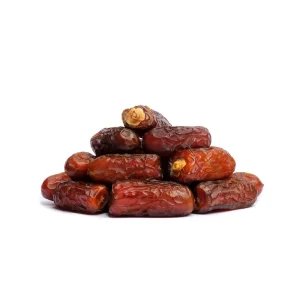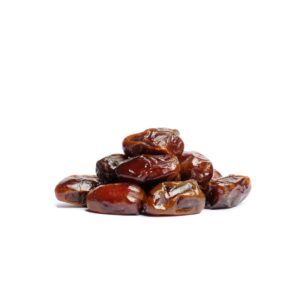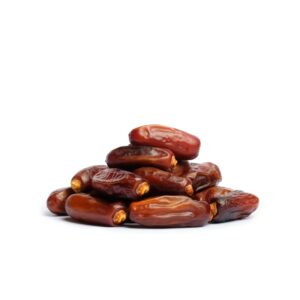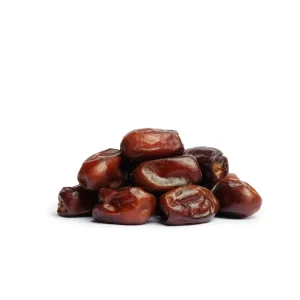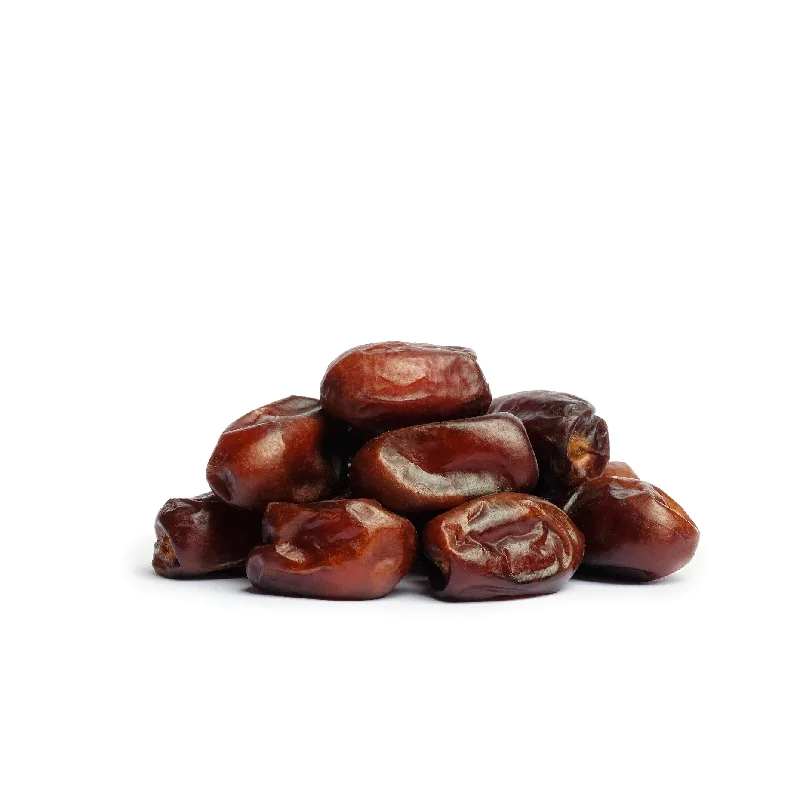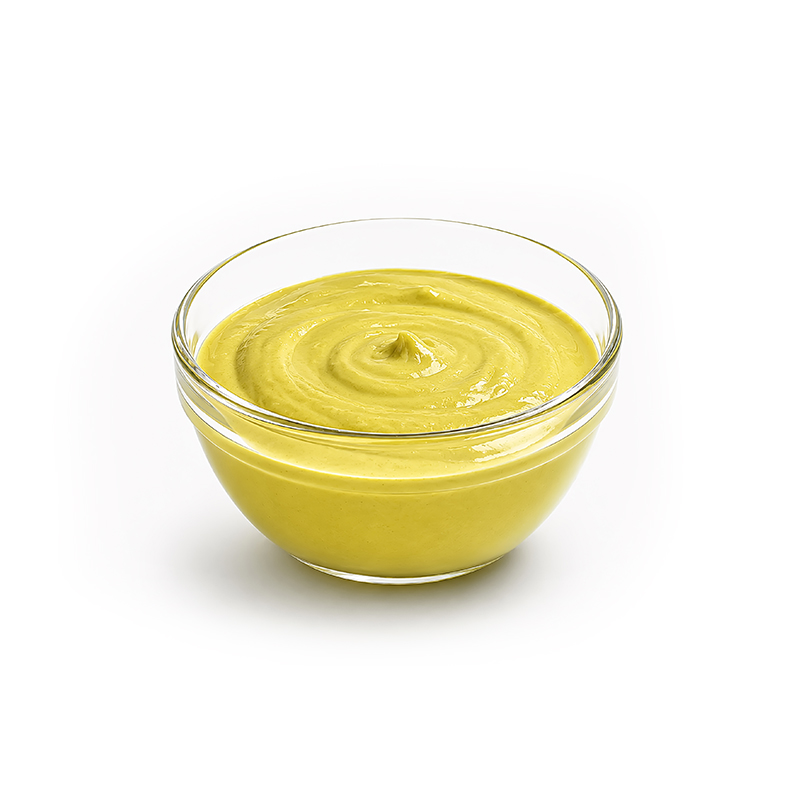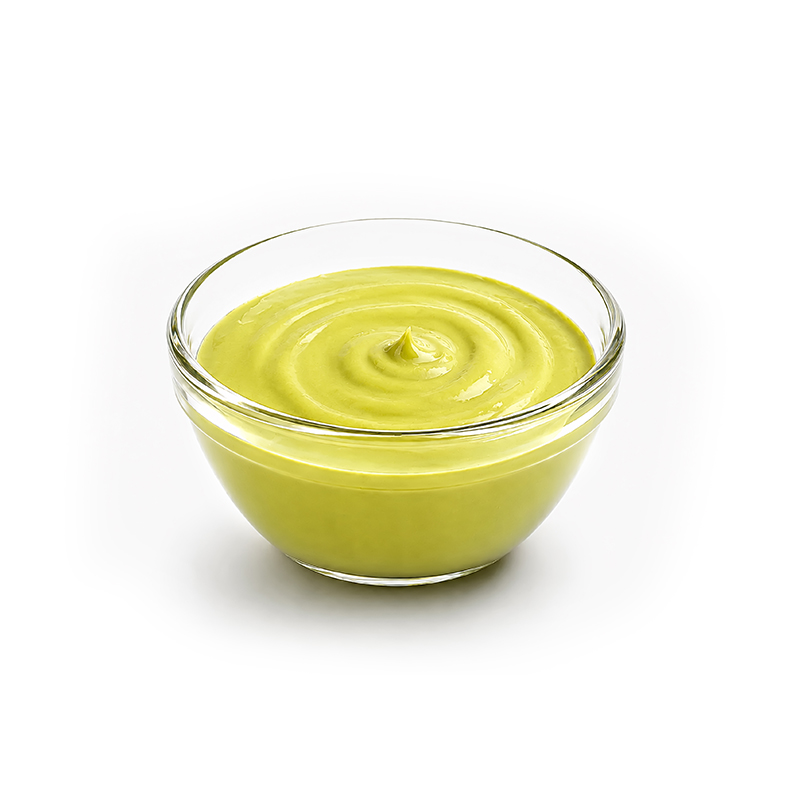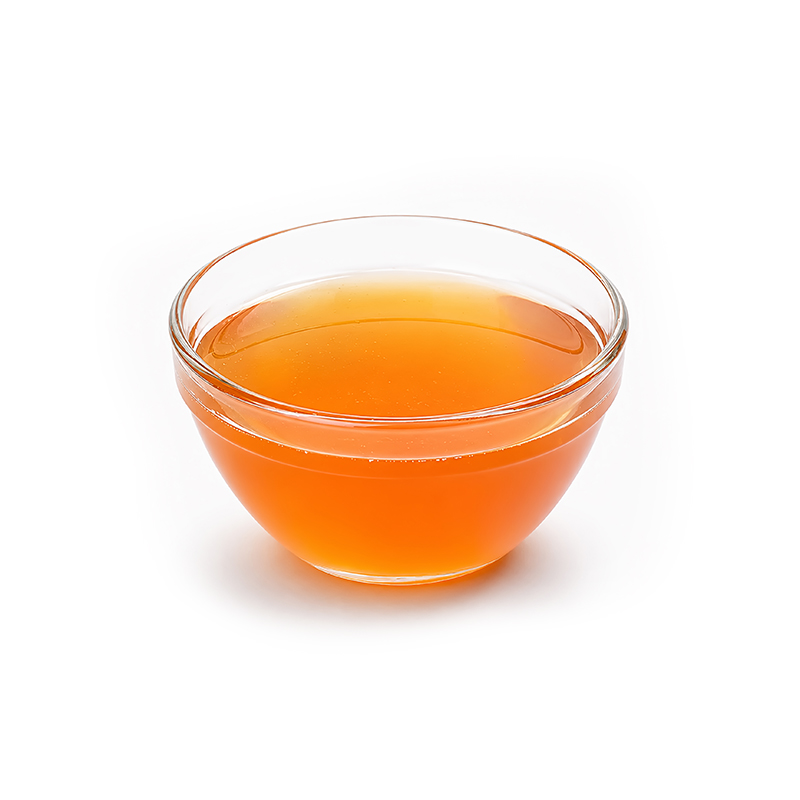
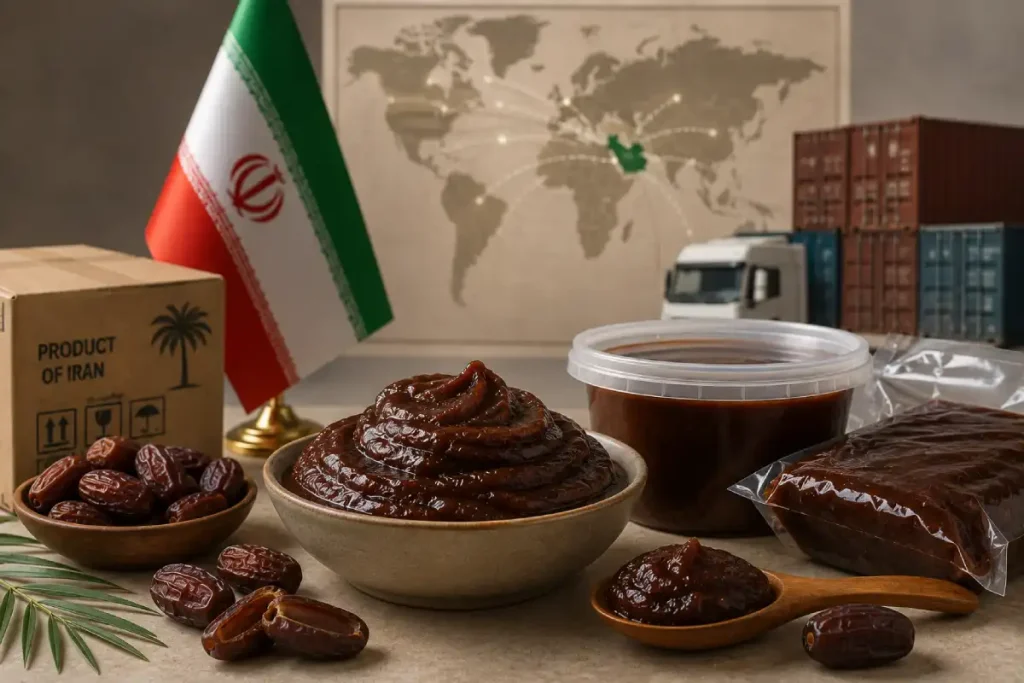
Iran produces over 1.2 million metric tons of dates each year, ranking among the world’s primary commercial sources. Industrial food processors rely on date paste as a clean-label binding agent and natural sweetener, replacing refined sugars and synthetic additives. Achieving consistent quality and reliable pricing requires a structured procurement approach. This guide outlines the exact technical specifications, container logistics, compliance documentation, and verification protocols necessary to import bulk date paste from Iran efficiently.
What Is Date Paste and How Is It Made?
Date paste is a 100 percent natural, thick, uniform fruit paste produced by washing, pitting, steaming, and extruding mature dates, known botanically as Phoenix dactylifera, through fine screens without added sugars or preservatives.
In industrial formulations, date paste serves as a versatile natural sweetener ingredient that replaces refined sugar and corn syrup at a direct one-to-one ratio. Iranian processors utilize specific cultivars to match commercial processing needs. Sayer dates offer low moisture and extended shelf stability, Kabkab and Shahani varieties deliver deep caramel notes, while Mazafati dates provide a soft, moist texture. Consequently, when procurement teams plan to import bulk date paste from Iran, selecting the correct raw cultivar is critical for maintaining batch consistency.
Common Production Methods
Modern date paste manufacturing relies on a precise four-stage automated process that guarantees purity, uniform texture, and commercial sterility.
Washing and Sorting: High-pressure water channels clear field debris, followed by optical sensors that remove defective fruit.
Mechanical Pitting: Automated pin-pitters remove 100 percent of seeds and calyxes, maintaining a pit fragment limit below 1 fragment per 100 kilograms.
Thermal Steaming and Maceration: Dates are steam-cooked at 70 to 85 degrees Celsius to break down cellular fiber for smooth extrusion through 1.0 to 2.0 millimeter screens.
Pasteurization and Homogenization: Rapid heat treatment at 85 to 92 degrees Celsius for two minutes creates pasteurized date paste with a Total Plate Count below 1,000 CFU per gram.
Following this stage, immediate cooling and hermetic sealing prevent recontamination before packaging.
Why Import Date Paste in Bulk?
Importing date paste in bulk cuts raw material purchasing costs by 20 to 35 percent compared to whole dates while removing the labor and machinery costs required for internal pitting and grinding.
In terms of operational efficiency, partnering with an established date puree supplier delivers a ready-to-use raw material directly to continuous processing lines. Furthermore, a bulk food ingredient import strategy optimizes container payload capacity, as packing dense paste into 200-kilogram steel drums significantly reduces freight costs per kilogram. As a result, commercial facilities that import bulk date paste from Iran streamline assembly lines and prevent machinery wear on in-house grinders.
Cost Savings vs Whole Dates
Purchasing pre-processed date paste eliminates factory processing yield losses and directly lowers operational overhead for food manufacturers.
Whole pitted dates command higher baseline prices and carry a 10 to 12 percent pit-weight yield loss during in-house conversion. Market data shows that the date paste price per ton ranges between 900 USD and 1,350 USD FOB Bandar Abbas, whereas pitted whole dates range from 1,400 USD to 2,100 USD per ton depending on variety.
- Yield Efficiency: 100 percent usable batch yield with paste versus 88 percent usable yield from whole dates.
- Labor Overhead: Eliminates dedicated factory labor for washing, destoning, and grinding.
- Freight Capacity: High-density packaging maximizes container payload, reducing ocean shipping cost per unit.
Use Cases in Food and Beverage Manufacturing
Food processors integrate date paste across multiple product categories to improve moisture retention, enhance binding, and provide natural sweetness.
Bakery and Snack Bars: Incorporating date paste for bakery recipes provides natural binding and moisture control in energy bars and soft-baked cookies, extending shelf life.
Confectionery: Replaces refined sugar syrups in caramel centers and chocolate truffles to meet clean-label standard requirements.
Dairy and Beverages: Combines with date concentrate to sweeten yogurts, plant milk, and smoothies without adding artificial flavorings.
From a formulation perspective, this ingredient ensures consistent texture across automated equipment.
Step-by-Step: Importing Bulk Date Paste from Iran
International procurement requires a systematic five-stage execution plan to verify technical specs, manage compliance, and prevent supply chain delays.
Managing food manufacturing ingredient sourcing effectively requires strict quality control measures and regulatory oversight. To protect product integrity, purchasing managers must execute each step in sequence. Specifically, when companies launch a program to import bulk date paste from Iran, adhering to a structured verification process prevents customs delays and quality claims. The steps unfold as follows.
1. Define Specifications
Establishing exact chemical and physical parameter targets before contract signing prevents quality variation across production lots.
| Parameter | Standard Industrial Target | Acceptable Range |
|---|---|---|
| Brix Level | 68° to 72° Brix | 65° to 78° Brix |
| Moisture Content | 18% | 15% to 22% |
| pH Level | 5.2 | 4.8 to 5.6 |
| Foreign Matter | 0% | Pit fragments: under 1 per 100 kg |
| Color | Dark Brown / Caramel Brown | Uniform, no black charring |
Contractually setting parameters is the initial safeguard when you import bulk date paste from Iran. The date paste Brix level dictates total sweetness and viscosity, while controlling date paste moisture content below 18 percent keeps water activity under 0.65 to prevent yeast growth. Consequently, procurement managers must agree on comprehensive date paste specifications before issuing a formal Purchase Order.
2. Request Samples and Lab Reports
Requesting laboratory test reports alongside physical pre-shipment samples ensures batch compliance before committing to full container orders.
In practice, buyers should request a 1-kilogram sample accompanied by a lot-specific food safety lab report from an accredited testing facility, such as SGS or the Iran National Standards Organization. Lab testing must confirm microbiological safety, keeping Total Plate Count below 1,000 CFU per gram and yeast or mold below 100 CFU per gram. Furthermore, heavy metals such as lead and arsenic must remain below 0.1 milligrams per kilogram with zero pesticide residues. Crucially, selecting a reliable bulk date paste supplier Iran involves confirming facility certifications including ISO 22000, HACCP, and Halal.
3. Confirm Incoterms and Shipping Method
Setting clear commercial terms and container temperature settings protects product freshness and defines freight liability.
Regarding maritime shipping routes, cargo typically departs from Shahid Rajaee Port in Bandar Abbas under FOB Bandar Abbas or destination CFR and CIF terms. Dry 20-foot or 40-foot containers suit paste with moisture content below 18 percent during standard ocean transit. Conversely, reefer containers set between 0 and 5 degrees Celsius are recommended for higher moisture levels or transit times exceeding 30 days to prevent heat-induced darkening and microbial activity. Before confirming sea freight logistics to import bulk date paste from Iran, verify whether your port of destination requires reefer or dry container bookings.
4. Review Contracts, Certificates of Origin, and Health Certificates
Complete export documentation verified before vessel departure ensures uninterrupted clearance through destination customs.
- Phytosanitary Certificate: Issued by the Plant Protection Organization of Iran to certify freedom from plant pests.
- Health Certificate Food Export: Issued by the Food and Drug Administration of Iran to confirm human safety compliance.
- Certificate of Origin: Issued by the Chamber of Commerce, Industries, Mines and Agriculture to verify product origin.
- Shipping Documentation: Includes the Bill of Lading, Commercial Invoice, and Packing List detailing net weights and lot numbers.
Equally important, verifying these documents without exception guarantees smooth border clearance.
5. Arrange Customs Clearance and Import Documentation
Applying correct tariff classifications and aligning destination customs filings prevents port delays and demurrage costs.
At destination ports, importers declare shipments under Harmonized System Code 2008.99 for prepared fruit pastes or HS Code 0804.10 for dates. Importers must match import documentation requirements with destination regulations, such as US FDA prior notice or EU TRACES declarations. Therefore, working with a licensed customs broker experienced in customs clearance food products secures rapid container release.
Packaging Options for Bulk Date Paste
Commercial buyers choose specialized packaging formats designed to prevent oxidation, moisture absorption, and thermal damage during transit.
Primary container choices depend on storage capabilities, processing equipment, and shelf-life requirements. Selecting suitable industrial packaging when you import bulk date paste from Iran guarantees product stability throughout global supply chains. Options range from ambient aseptic drums to temperature-controlled frozen containers.
Aseptic Drums and Totes
High-capacity aseptic containers provide extended ambient shelf stability without requiring continuous refrigeration during ocean shipping.
200 kg to 220 kg Aseptic Steel Drums: Equipped with high-barrier foil aseptic bags, maintaining 18 to 24 months shelf life at ambient storage below 25 degrees Celsius.
1,000 kg Aseptic IBC Totes: Designed for large-scale manufacturing facilities using automated bulk pumping lines.
Mainly used for industrial volume, aseptic drum packaging protects the paste from light exposure and oxidation.
Frozen Block Packaging
Block-frozen packaging preserves raw, unpasteurized date paste for specialized formulations that require minimal heat treatment.
10 kg to 25 kg Cartons or Pails: Packed in heavy-duty polyethylene liners, block-frozen, and stored at minus 18 degrees Celsius.
Quality Retention: Retains natural fruit color, delicate aromatic notes, and heat-sensitive enzymes.
Alternatively, frozen date paste supplies unpasteurized raw fruit quality but requires continuous cold-chain reefer logistics from processing plant to warehouse.
Common Import Challenges and How to Avoid Them
Preemptive risk management and strict quality contracts prevent operational failures such as pit contamination, color darkening, and customs holds.
| Challenge or Risk | Root Cause | Actionable Mitigation Strategy |
|---|---|---|
| Pit Fragment Contamination | Worn pitting machinery | Require laser or X-ray inspection and limit pit fragments to under 1 per 100 kg in purchase contracts. |
| Maillard Browning | Ambient storage above 30°C | Ship in reefer containers or maintain warehouse temperatures below 15°C upon arrival. |
| Fermentation and Yeast | Excess moisture above 22% | Enforce minimum 68° Brix and maximum 18% moisture limits in purchase orders. |
| Customs Delays | Documentation discrepancies | Verify all export paperwork against destination import laws prior to vessel departure. |
By anticipating these risks, procurement teams can import bulk date paste from Iran without experiencing operational delays or product rejections.
FAQ: Importing Bulk Date Paste from Iran
When planning to import bulk date paste from Iran, buyers frequently clarify these operational requirements.
Q1: What is the shelf life of bulk date paste?
Aseptically packaged date paste lasts 18 to 24 months at ambient temperatures below 25°C, while frozen date paste stored at -18°C maintains quality for up to 24 months.
Q2: Can date paste replace sugar completely in food manufacturing?
Yes, date paste replaces refined sugar at a 1:1 ratio in bakery and bar formulations while contributing fiber and minerals.
Q3: What is the minimum order quantity for importing bulk date paste from Iran?
Most Iranian suppliers maintain a Minimum Order Quantity of one 20-foot full container load, yielding roughly 18 to 20 metric tons in 200 kg steel drums.
Q4: How do I ensure my shipment meets international food safety standards?
Require batch-specific Certificate of Analysis reports, verify ISO 22000 and HACCP certifications, and obtain official Health Certificates and Phytosanitary Certificates before dispatch.
Conclusion
Securing high-quality date paste requires setting clear Brix and moisture targets, choosing protective packaging, and verifying export certificates prior to shipment. Enforcing lab analysis and precise Incoterms prevents customs delays and product degradation during sea transit. By partnering with verified producers, food manufacturers can successfully import bulk date paste from Iran to lower raw material costs and deliver high-quality clean-label products.
Related Products