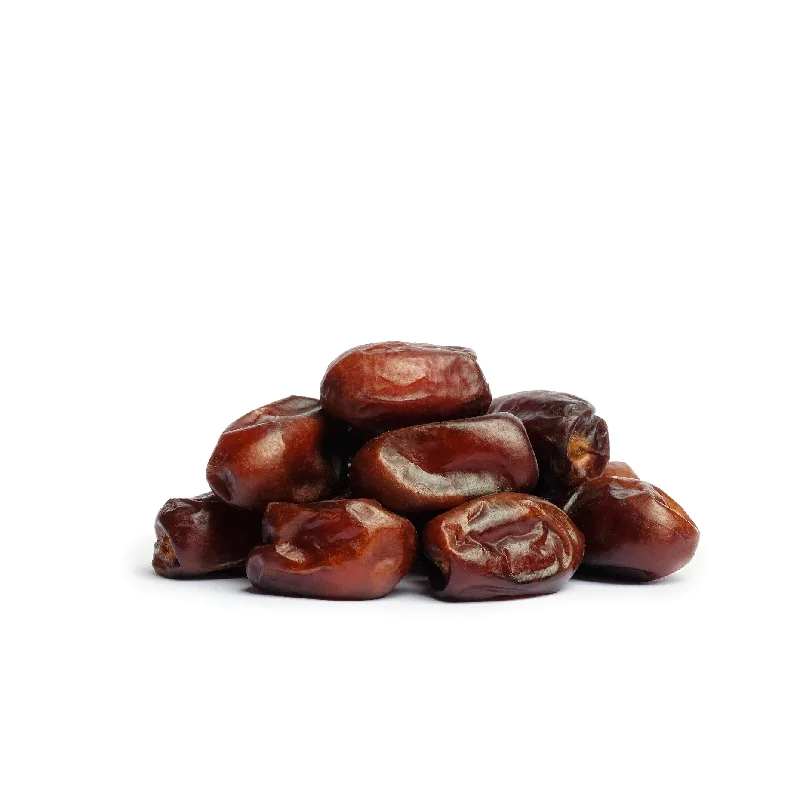
Consumer demand for simple, recognizable ingredient statements is driving commercial food reformulation across international retail channels. Food scientists and technical procurement managers require practical methods to replace refined sugars while preserving dough integrity, shelf stability, and regulatory compliance. Date ingredients offer product developers a direct technical roadmap to integrate fruit-derived pastes, syrups, and powders into high-volume manufacturing lines while meeting modern clean label ingredients standards.
What Does ‘Clean Label’ Mean in Food Manufacturing?
In food manufacturing, clean label denotes a formulation strategy utilizing simple, minimally processed, wholesome components while excluding synthetic additives, artificial preservatives, high-fructose corn syrup, and chemically modified starches.
Industry data indicates over 60 percent of global consumers scrutinize product labels and prefer recognizable ingredients. Adopting a non-GMO sweetener or specifying label-friendly sweeteners simplifies product declarations, lowers regulatory compliance hurdles, and protects brand integrity. Incorporating date ingredients into standard recipes allows formulators to replace synthetic additives with functional fruit solids without sacrificing product appeal.
Why Dates Are a Natural Fit for Clean-Label Formulations
Dates bridge the gap between functional processing performance and clean ingredient declarations in commercial food manufacturing. Their naturally occurring sugars, soluble fibers, and minerals provide sweetening, moisture retention, and structural stability across multiple food categories.
Natural Sweetness Without Refined Sugar
Dates supply natural fruit sweetness composed of glucose and fructose, eliminating the need for added sucrose or high-fructose corn syrup. This matrix acts as a functional natural sugar replacer that delivers a lower glycemic response because of bound dietary fiber. Formulators replace empty calories with nutrient-dense solids that provide over 650 milligrams of potassium per 100 grams alongside essential magnesium, serving as a reliable refined sugar alternative in modern functional foods.
Whole-Food Ingredient Positioning
Whole-food ingredient positioning allows manufacturers to declare simply “dates” or “date paste” on packaging panels, supporting “sweetened with fruit” claims under regional label standards. Utilizing whole dates gives formulators a recognizable whole food ingredient that operates as a rich date-based sweetener, avoiding the metallic off-notes common with stevia or polyols. This transparent labeling enhances market value on front-of-pack consumer displays.
Functional Benefits: Fiber, Binding, and Natural Color
Beyond sweetening, date fruit provides 7 to 8 percent natural dietary fiber, high humectancy, matrix binding, and warm golden-brown coloration. These natural traits enhance water retention and improve structural cohesion in extruded products. Furthermore, the rich pigments serve as natural food coloring; dates naturally yield, eliminating synthetic caramel colors in brown sauces, gravies, and baked goods.
Common Date Ingredients Used in Manufacturing
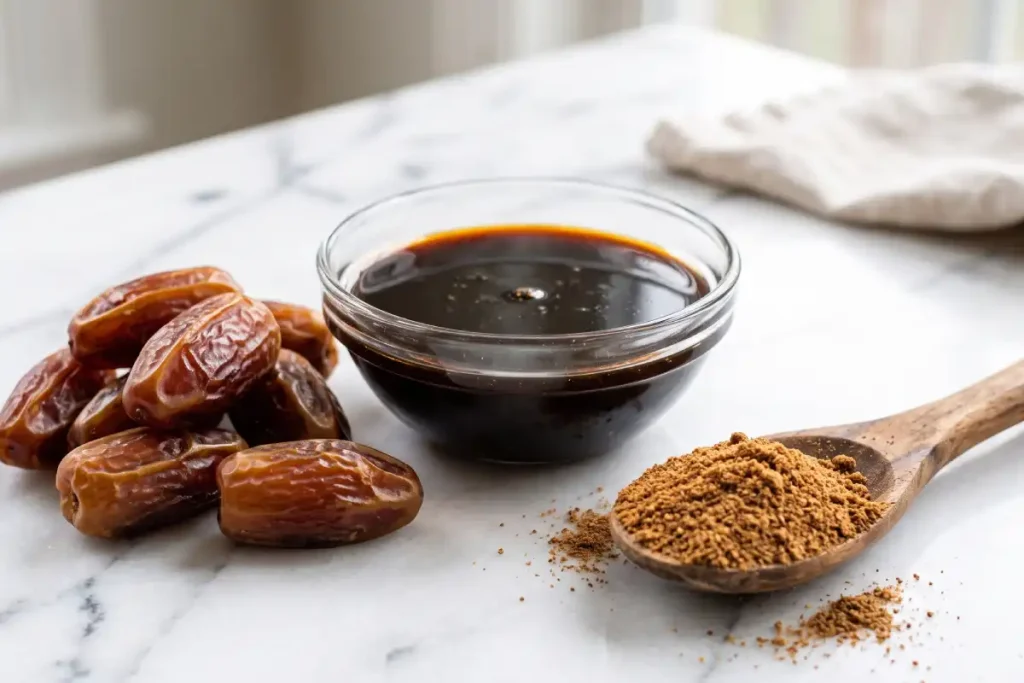
Industrial processing converts raw fruit into standardized functional formats designed for specific moisture, viscosity, and solubility demands. Selecting the appropriate format depends on line equipment, process temperatures, and target product texture.
Date Paste as a Sugar Replacer
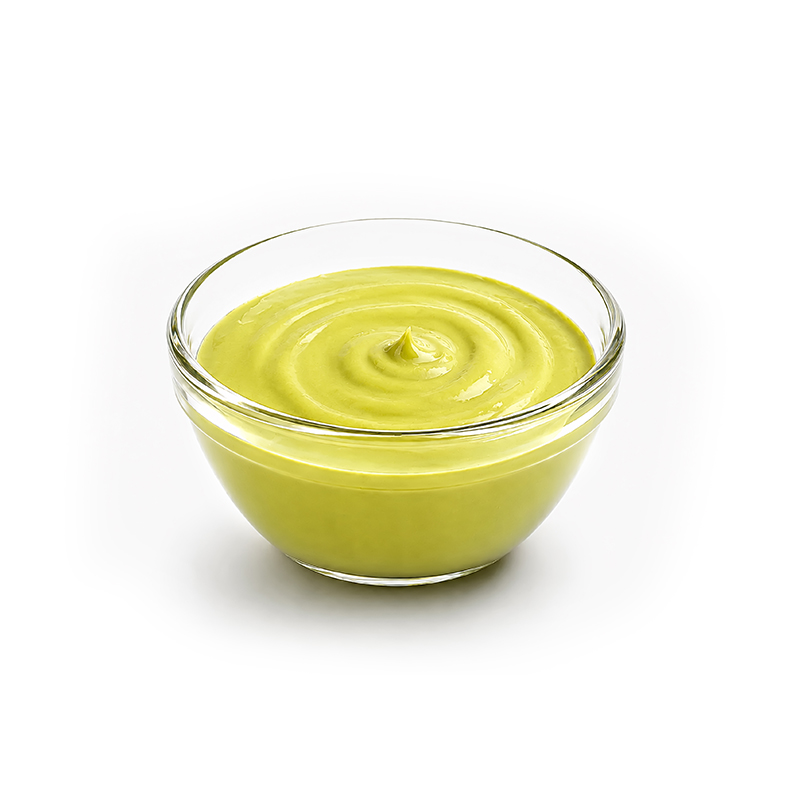
Industrial date paste is a smooth, pasteurized puree containing 18 to 22 percent moisture produced from 100 percent pitted dates, functioning as both a bulk sweetener and natural binder. In high-speed cold extrusion lines for snack bars and energy bites, date paste formulation directly replaces corn syrup or synthetic gums. It provides structural matrix adhesion while maintaining product softness throughout shelf life. Formulating with date ingredients in paste form minimizes batch variation across continuous commercial manufacturing operations.
Date Syrup in Beverages and Sauces
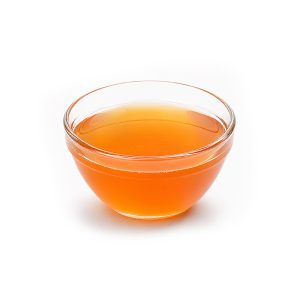
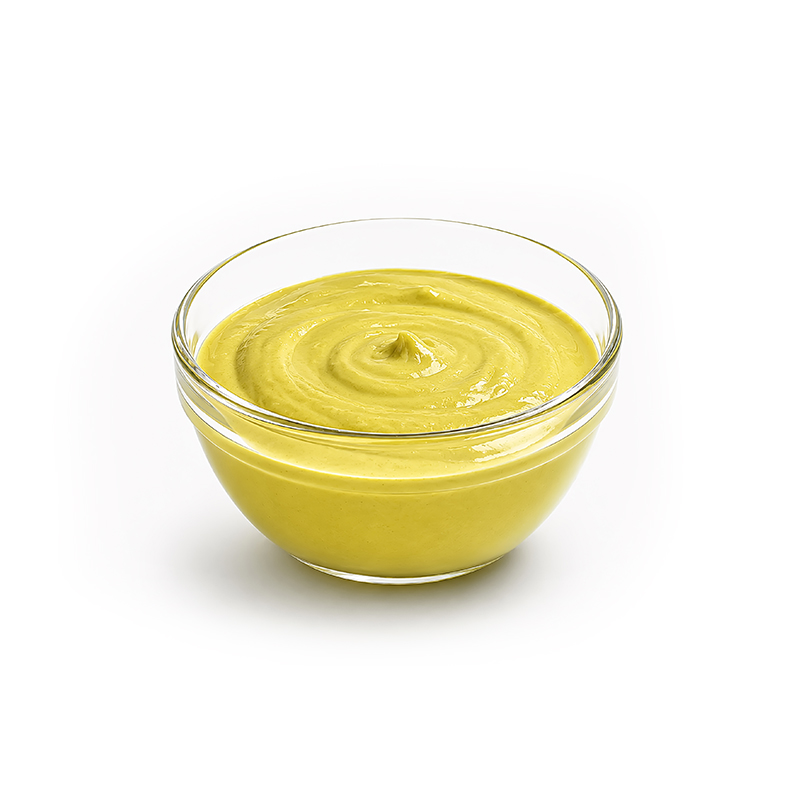
Date syrup, also called concentrated date juice or silan, is a fully soluble liquid sweetener standardized to 70 to 75 degrees Brix for rapid fluid dispersion. In liquid processing, date syrup beverage application performs exceptionally well in plant-based milks, barbecue sauces, and marinades. R&D managers rely on date syrup to mask bitter notes in plant protein bases, while simplifying smoothie ingredient sourcing across commercial RTD liquid production lines.
read more: Fresh vs Dried Dates: Which Type Should Importers Choose?
Date Powder in Baking and Snack Bars
Date powder is a free-flowing dry sweetener made from dehydrated, finely milled whole dates that retains original fruit fiber for low-moisture formulations. This format blends cleanly into dry baking mixes, protein powders, and cereal coatings without introducing excess liquid moisture. Implementing date powder baking protocols allows commercial bakeries to achieve uniform sweetness in continuous dry processing. Utilizing dry date ingredients allows clean integration into high-volume industrial mixing units.
Chopped and Diced Dates for Textural Applications
Diced and chopped dates coated in rice flour or dextrose resist clumping and supply discrete fruit pieces that enhance product chewiness. These uniform pieces distribute evenly through granola mixes, muesli blends, artisan breads, and specialty confectionery products. They create localized sweetness pockets and visual interest that improve consumer sensory scores.
Date Ingredient Formats
| Date Ingredient Format | Moisture / Brix Level | Key Functional Role | Ideal Food Categories |
| Date Paste | 18–22% Moisture | Binder, Humectant, Bulk Sweetener | Snack bars, Confectionery, Baked goods |
| Date Syrup | 70–75° Brix | Soluble Sweetener, Flavor/Color Enhancer | Beverages, Sauces, Dressings, Dairy analogs |
| Date Powder | Less than 5% Moisture | Dry Sweetener, Fiber Enhancer | Dry baking mixes, Cereal coatings, Protein powders |
Applications by Food Category
Commercial food processors employ date-derived formats across varied processing platforms to meet growing consumer preference for fruit-sweetened products.
Bakery and Confectionery
In bakery and confectionery processing, date components substitute up to 50 percent of sucrose while contributing structural moisture retention and rich caramel flavor profiles. When baking with dates, inherent humectancy extends product freshness in soft cookies and clean-label chocolates. This approach forms an effective sugar reduction strategy, allowing reduced added sugar values without sacrificing product texture.
Snack Bars and Granola
Date paste functions as the primary binder in cold-extruded bar formulations, holding grains, nuts, and protein isolates together without crumbling. The global snack bar market, expanding toward 30 billion dollars by 2026, is driven by consumer demand for non-HFCS binding matrices. Integrating granola bar ingredients derived from whole fruit creates cohesive bars that fulfill plant-based consumer preferences. Automated processing plants rely on standardized date ingredients to keep extrusion pressure and cutter speeds consistent.
Beverages and Smoothies
Soluble date syrup provides balanced sweetness and a smooth mouthfeel to functional smoothies, RTD teas, and plant-based dairy alternatives. Liquid processors value its fast cold-water dispersion and stability during thermal pasteurization steps. Formulating liquid products with concentrated fruit syrups ensures consistent sweetness without sedimentation or phase separation in bottled drinks.
Infant and Health Food Products
In infant and toddler nutrition, date paste supplies an unrefined fruit base free from added synthetic sugars or artificial preservatives. Developers choose infant food ingredients that supply natural potassium and iron while meeting rigorous microbiological standards. Traceable, organic sourcing makes date purees ideal for early childhood nutrition ranges.
Formulation Considerations When Switching to Date-Based Sweeteners
Replacing sucrose with fruit-based sweetening systems requires rebalancing formula water content, pH levels, and thermal processing profiles. Successful scale-up depends on understanding how natural fruit matrices interact with existing plant machinery and processing parameters. Formulating with date ingredients requires technical adjustments to preserve target product quality.
Moisture and Texture Impact
Substituting granulated sugar with date paste adds 18 to 22 percent inherent moisture, requiring a 15 to 20 percent reduction in added liquid inputs to prevent sogginess. R&D personnel conducting benchtop tests must adjust formula hydration to manage water activity levels. Proper hydration control preserves target crispness or chewiness, confirming that balancing texture and moisture in baking is critical when using fruit purees.
Sweetness Ratio and Labeling Compliance
Date paste offers roughly 0.8 to 0.9 times the sweetness intensity of sucrose, requiring slight dosage tuning to reach desired sensory benchmarks. Establishing the proper sweetness ratio formulation maintains target taste profiles without over-concentrating fruit solids. Furthermore, regulatory standards determine whether fruit components are declared as fruit purees or added sugars under regional food labeling laws.
Thermal Processing and Maillard Reaction
High simple fructose and glucose concentrations accelerate thermal browning via Maillard reactions and caramelization at lower baking temperatures. R&D teams should lower oven temperatures by 10 to 15 degrees Celsius (equivalent to 15 to 25 degrees Fahrenheit) or shorten dwell times. These thermal adjustments prevent surface over-darkening while ensuring complete internal baking.
Sourcing Reliable Date Ingredients for Manufacturing
Procuring B2B date ingredients requires evaluating suppliers for standardized Brix levels, low water activity below 0.60, and certified microbiological controls.
Procurement managers must establish strict quality control criteria for incoming shipments. Key evaluation points include pasteurization parameters, heavy metal screening, and advanced foreign material detection, including X-ray and metal detection for pit fragments. Sourcing organic and Non-GMO Project Verified inventory packaged in aseptic drums or 25-kilogram pails protects ingredient stability. Experienced B2B ingredient sourcing food manufacturers rely on these strict criteria to guarantee supply continuity. Partnering with certified suppliers of date ingredients guarantees batch uniformity across global production facilities.
FAQ: Using Date Ingredients in Clean-Label Products
How do date-derived sweeteners compare to refined sugar in commercial formulations?
They offer a functional 1-to-1 sugar substitute while introducing dietary fiber, minerals, and natural moisture retention.
Can date paste be used in high-temperature baking without burning?
Yes, provided formulators reduce oven temperatures by 10 to 15 degrees Celsius to compensate for faster fructose browning.
What is the shelf life of industrial date preparations?
Pasteurized pastes and syrups maintain stability for 12 to 18 months when stored in cool conditions below 20 degrees Celsius.
How do food manufacturers declare date derivatives on ingredient labels?
They are declared transparently as “dates,” “date paste,” “date syrup,” or “date powder” on retail package ingredient panels.
Conclusion
Switching to fruit-based sweetening systems empowers food manufacturers to satisfy clean-label market expectations while preserving structural and sensory standards. Utilizing functional paste, syrup, and powder formats enables R&D teams to refine recipes, lower added sugar declarations, and clean up packaging panels. Establishing reliable sourcing partnerships and fine-tuning thermal processing parameters ensures seamless commercial execution across bakery, beverage, snack, and nutritional product platforms.
Related Products