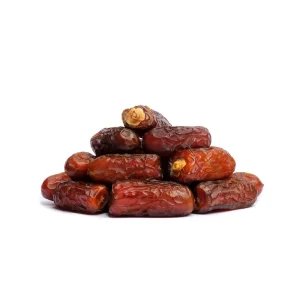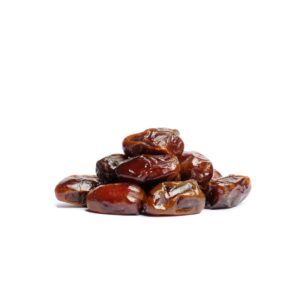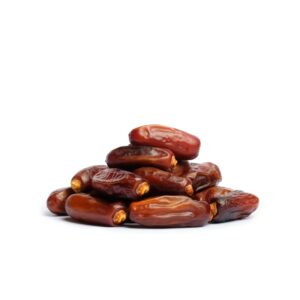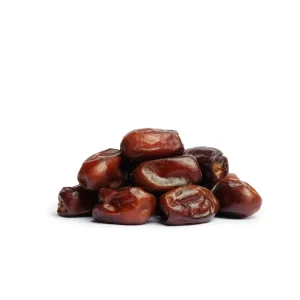
The global dates market is changing as consumers, food manufacturers, and importers look for versatile natural ingredients with established culinary uses. Dates are no longer limited to traditional markets in the Middle East and North Africa. They are increasingly used in retail snacks, bakery products, energy bars, fillings, syrups, pastes, and other processed foods.
Several factors are shaping the dates market in 2026, including demand for convenient foods, interest in naturally sweet ingredients, growth in value-added date products, changing international trade conditions, and the need for more efficient agricultural practices.
For producers and exporters, the market is becoming more competitive. Buyers increasingly evaluate dates not only by variety and price, but also by consistency, food safety, packaging, traceability, shelf life, and the supplier’s ability to meet export specifications.
Iran remains an important origin for dates, with a diverse range of commercial varieties including Mazafati, Piarom, Zahedi, Kabkab, and others. This diversity allows Iranian suppliers to serve different applications and price segments, from soft table dates to semi-dry varieties suited to longer storage and transport.
This guide examines the major trends influencing the dates market in 2026, the changing demand for Iranian dates, emerging export opportunities, sustainability considerations, and what buyers should evaluate when sourcing dates internationally.
About This Market Analysis
This article has been prepared by the Amin Farms team based on our experience working with Iranian agricultural products and international buyers. Our focus is on the commercial aspects of sourcing Iranian dates, including variety selection, product specifications, packaging, quality requirements, and export considerations.
Market-level information in this article is supplemented with data and publications from recognized agricultural and international organizations. Where market conditions vary by country, harvest, variety, or trade route, those differences are noted rather than treating the global dates market as a single uniform market.
Last updated: September 2026
Dates Market Demand in 2026
Demand for dates is being influenced by several overlapping trends rather than a single global shift. In traditional consuming countries, dates remain an established food with strong cultural and seasonal demand. In newer markets, their use is expanding through retail snacks, bakery products, ingredient applications, and processed foods.
One important development is the wider range of formats available to consumers and food manufacturers. Whole dates remain the core product, while date paste, date syrup, date powder, chopped dates, and other processed forms allow manufacturers to use dates in products that do not traditionally contain whole fruit.
This creates opportunities for exporters that can supply consistent specifications rather than simply offering a particular date variety. Buyers may require specific moisture levels, sizes, grades, packaging formats, shelf-life characteristics, or processing standards depending on the intended application.
Health and natural-food positioning can also influence consumer interest, but dates should not be treated simply as a replacement for refined sugar. They are a whole fruit with naturally occurring sugars and dietary fiber, and their nutritional composition varies by variety and serving size.
More broadly, the international agricultural market remains exposed to weather, input costs, logistics, trade policy, and geopolitical conditions. FAO’s recent food-market assessments highlight weather variability, energy and fertilizer costs, geopolitical tensions, and supply-chain conditions as important factors affecting global agricultural markets.
A key driver behind this surge is the expanding variety of date-based products. Dates are no longer consumed only in whole form. They’re now widely available as date paste for baking, date syrup as a natural sweetener, and even date powder as an ingredient in smoothies and health foods. The food industry is embracing innovation and turning dates into a core ingredient in energy bars, protein snacks, and functional food products.
These shifts are part of the broader global trends in the dates market and show how dates are becoming an increasingly important part of healthy eating around the world. As populations grow and the middle class expands across developing regions, the future of data industry growth in 2025 looks bright, with plenty of room for new opportunities.
Discover more: How Are Dates Grown?
Key dates Market Drivers
Key Drivers Shaping the Global Dates Market
Several factors are influencing how dates are produced, processed, marketed, and traded internationally:
- Demand for convenient foods: Consumers increasingly purchase foods that can be consumed directly or incorporated into convenient snacks, bakery products, and breakfast foods. Packaged and ready-to-use date products can therefore reach consumers beyond traditional whole-date markets.
- Growth of value-added products: Date paste, syrup, powder, chopped dates, and other processed formats allow manufacturers to use dates as ingredients rather than selling them only as whole fruit.
- Product diversification: Different varieties have different characteristics in terms of texture, moisture, sweetness, appearance, and storage behavior. This creates opportunities to serve separate retail and food-processing applications.
- International trade and logistics: Exporters must account for freight costs, customs requirements, packaging, documentation, food-safety requirements, and delivery reliability when serving overseas buyers.
- Food safety and traceability: Importers increasingly need suppliers that can provide consistent specifications, quality-control procedures, documentation, and traceability throughout the supply chain.
- Climate and resource pressure: Water availability, heat, soil conditions, and weather variability can affect production in major date-growing regions. Efficient irrigation and farm-management practices are therefore becoming increasingly important.
- Changing retail formats: Premium packaging, private-label products, specialty foods, and online retail are creating additional ways for dates to reach consumers outside traditional markets.
Discover more: Top Iran Date Exporters You Need to Know
Iran’s Role in the Global Dates Market
Iran, one of the largest producers and exporters of dates in the world, holds a unique and influential position in the global dates market in 2025. With thousands of years of experience in date cultivation and a wide range of climates across the country, Iran is home to some of the finest and most diverse varieties of dates.
From the soft and sweet Mazafati, loved by consumers worldwide, to the luxurious Piarom, often called the “chocolate date,” and the semi-dry Zahidi, known for its long shelf life, Iranian dates cater to a wide range of tastes and market needs.
This exceptional variety and outstanding quality give Iran a strong competitive edge over other producers. Despite challenges like climate fluctuations, international sanctions, and the need for modernization in processing and packaging infrastructure, dates remain one of Iran’s most important non-oil agricultural exports.
Investing in post-harvest technologies, improving supply chains, and adopting more targeted marketing strategies could help Iran unlock its full potential and reinforce its role as a leading supplier in the global dates industry.
Within the broader context of global trends in the dating market, Iran’s strategic focus on innovation and quality puts it in a strong position to benefit from ongoing date industry growth worldwide.
Discover more: Benefits of Eating Dates During Pregnancy
Emerging Markets for Date Exports
The global dates market is expanding beyond traditional regions, and a number of emerging markets are showing strong potential for increased date exports in 2025 and beyond. Driven by changing consumer preferences and growing awareness of health and nutrition, these new markets offer exciting opportunities for date producers and exporters.
1. China
With a growing middle class and more focus on wellness, Chinese consumers are increasingly interested in healthy and natural foods. Dates are quickly becoming a popular choice among Chinese consumers who are looking for naturally sweet and nutritious foods. Their unique flavor and health benefits give them strong potential in this fast-growing market.
2. Southeast Asian countries (such as Indonesia, Malaysia and Thailand)
With steady economic growth, a large and growing Muslim population that traditionally includes dates in their diet, and rising interest in healthy eating, this region offers exciting opportunities for date exporters.
3. African countries (especially South Africa and North African nations)
Improved infrastructure and rising purchasing power are boosting demand for a wider variety of food products, including dates. Proximity to major producing countries also adds a logistical advantage.
4. Niche markets in Europe and North America
Here, demand for dates is being driven by health-conscious consumers, vegetarians, and those seeking natural alternatives to sugar. Organic stores and specialty markets are key channels to reach this audience.
5. India
With its large population and growing interest in healthy imported foods, India stands out as a significant potential market. While dates are already consumed traditionally in some areas, there is still plenty of room for wider adoption across the country.
These expanding markets reflect the direction of global trends in the data market and offer promising pathways for long-term data industry growth. Producers who adapt to these shifts stand to gain significantly in the years ahead.
Discover more: How to Store Nuts and Dates
Sustainability in Date Production
In 2025 and beyond, sustainability in date production isn’t simply a nice option; it’s an essential part of staying viable and responsible in a changing world. With growing challenges like water scarcity, climate change, and soil degradation across major date-growing regions, adopting sustainable practices is critical to securing the future of this vital industry.
At the same time, global consumers are paying closer attention to where and how their food is produced, which adds more pressure on farmers and producers to meet ethical and environmental standards. Sustainability in date farming includes several key aspects:
- Efficient water management: Since most date-growing regions are arid, using advanced drip irrigation, water recycling systems, and precision farming techniques is essential to minimize waste and optimize usage.
- Organic farming and reduced chemicals: As demand for organic dates rises, more growers are moving away from synthetic pesticides and fertilizers, focusing instead on natural methods to protect soil health and control pests.
- Preserving biodiversity: Protecting native date varieties and maintaining genetic diversity helps increase resilience to pests and climate shifts while also reducing dependence on a narrow range of cultivars.
- Social responsibility: Fair labor conditions, respect for workers’ rights, and support for local communities are central to sustainable date production.
- Lower carbon footprint and waste management: Using renewable energy in processing, optimizing transportation, and turning date byproducts like pits into value-added products all help reduce environmental impact.
These efforts align with global trends in the data market and give producers a competitive edge in markets that value ethical and sustainable products. Looking at dates and market trends in 2025, sustainability is one of the defining priorities for long-term success.
Discover more: Best Recipes with Dates to Try
Eco-Friendly Farming Practices
Eco-friendly farming practices in date production have become increasingly important, especially in 2025. For producers, adopting such practices creates a competitive edge in global markets that are actively seeking greener and more responsible products. Key eco-friendly approaches in date farming include:
- Sustainable water management: This involves using innovative drip irrigation systems, carefully planning irrigation schedules based on actual tree needs and soil conditions, and applying water recycling techniques to minimize waste.
- Organic and biological farming: Reducing or eliminating the use of synthetic pesticides, herbicides, and fertilizers. Instead, growers focus on compost, organic nutrients, and biological pest control methods, such as introducing beneficial insects, to support soil health and biodiversity.
- Soil fertility conservation: Using cover crops, rotating where possible, and minimizing tillage help reduce erosion, improve soil structure, and increase its water-holding capacity.
- Integrated pest management: A balanced strategy that combines regular monitoring, biological and cultural methods, and only targeted chemical use when necessary to minimize environmental impact.
- Use of renewable energy: Solar panels can power irrigation pumps and processing facilities, helping to reduce the farm’s carbon footprint.
- Agricultural waste management: Turning palm residues and processing byproducts into compost or biogas instead of burning or burying them reduces pollution and creates valuable resources like energy or fertilizer.
Discover more: How to import Kabkab dates from Iran
Future Outlook for the Dates Industry
The future outlook for the data industry is bright and full of growth potential. In the years ahead, the industry is expected to experience steady expansion driven by several key factors.
First, growing consumer demand for healthy and natural foods continues to position dates as an ideal alternative to artificial sweeteners and highly processed snacks. This trend is powerful in Western and Asian markets, as previously discussed.
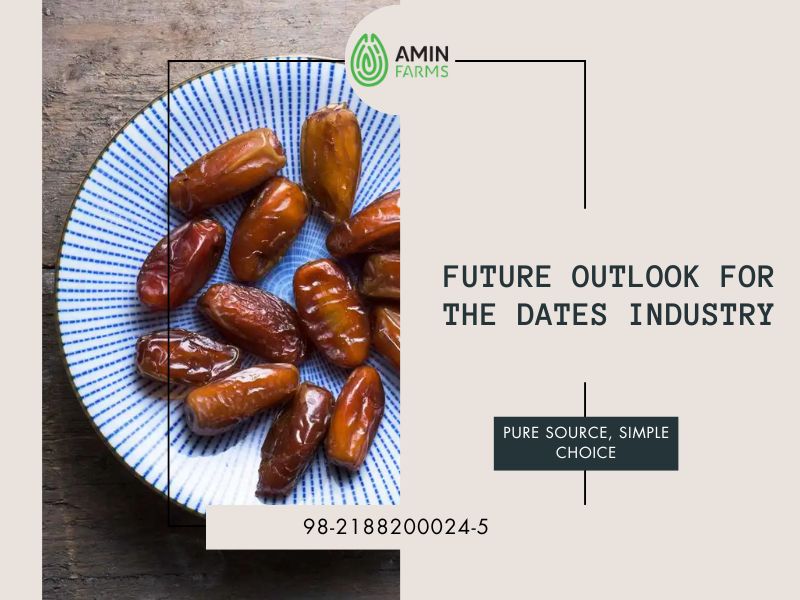
Second, innovation in date-based products will play a significant role in expanding market reach. We can expect to see new product developments offering dates in more versatile and convenient forms, such as date powder for sweetening beverages, date chunks in breakfast cereals, or even the use of dates in cosmetic and personal care products.
Third, advancements in agricultural and processing technologies will support improved efficiency, reduced waste, and enhanced product quality. Artificial intelligence and big data are increasingly being used to optimize irrigation and pest control, while increased mechanization in harvesting and packaging also boosts performance.
Of course, challenges remain, climate change, water scarcity, and rising global competition among them. Countries that strike the right balance between sustainable production, innovation, and innovative marketing will likely lead the pack. Overall, the future of the date industry looks promising, shaped by health-focused consumption, product versatility, and growing attention to sustainability, all in line with global trends in the date market and a strong outlook for date industry growth.
Discover more: How to Import Dates to India
Partner with Us for Premium Dates
In the growing world of the global date market, choosing the right business partner is more critical than ever. As one of the leading suppliers of premium Iranian dates, we invite you to join us in a partnership built on trust, quality, and shared success. Our profound commitment to exceptional quality, sustainability, and ethical practices at every stage of production and distribution sets us apart in an increasingly competitive landscape.
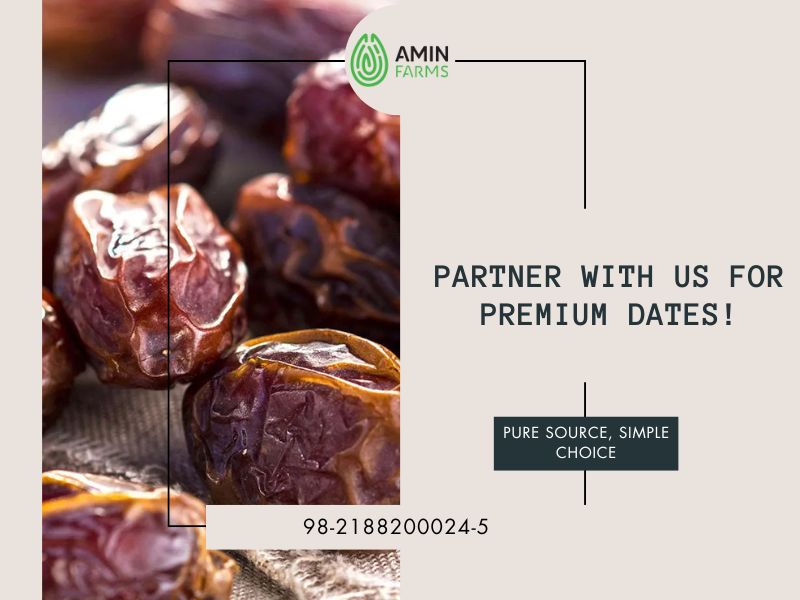
By working with us, you’ll gain access to a wide variety of Iran’s finest date cultivars, including Mazafati, Piarom, and Zahedi, each carefully grown and processed with the utmost care. We prioritize international standards of food safety and hygiene to ensure you receive only the best quality products. Our efficient and reliable supply chain also guarantees timely and secure delivery of your orders.
Whether you’re expanding into new markets or strengthening your presence in current ones, we’re ready to support you with tailored solutions and outstanding customer service. Let’s work together to bring the authentic taste and superior quality of Iranian dates to your customers while aligning with the latest global trends in the dates market.
Related Products