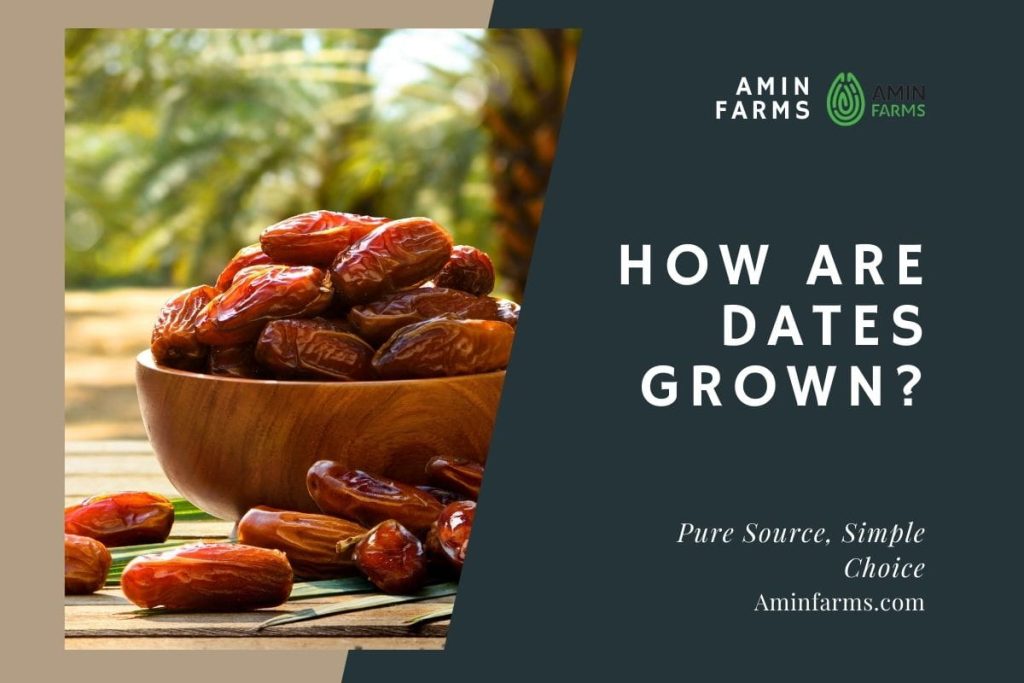
Dates are more than a naturally sweet fruit. They are one of the oldest cultivated fruits in the world and remain an important agricultural crop across hot, dry regions. But how are dates grown, and what does it take to produce high-quality fruit?
Date cultivation involves several carefully managed stages, including selecting the right growing environment, propagating healthy date palms, planting, irrigation, fertilization, pollination, fruit management, and harvesting. Unlike many fruit trees, date palms have separate male and female plants, which makes controlled pollination an essential part of commercial production.
Understanding how dates grow provides a better picture of the work involved before the fruit reaches consumers. It also helps buyers and importers understand why variety, growing region, harvesting stage, moisture level, and post-harvest handling can significantly influence date quality.
Key takeaway: High-quality dates are the result of several factors working together: suitable climate, healthy planting material, effective pollination, careful irrigation, proper nutrition, and harvesting at the appropriate stage of ripeness.
Common Date Varieties and Their Differences
Different date varieties have distinct characteristics in terms of texture, sweetness, moisture, appearance, shelf life, and commercial applications.
| Date Variety | Texture | Moisture | Typical Characteristics | Common Uses |
|---|---|---|---|---|
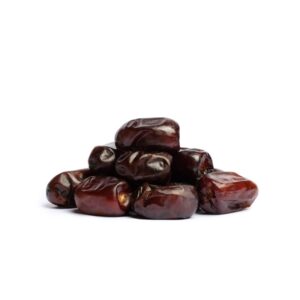
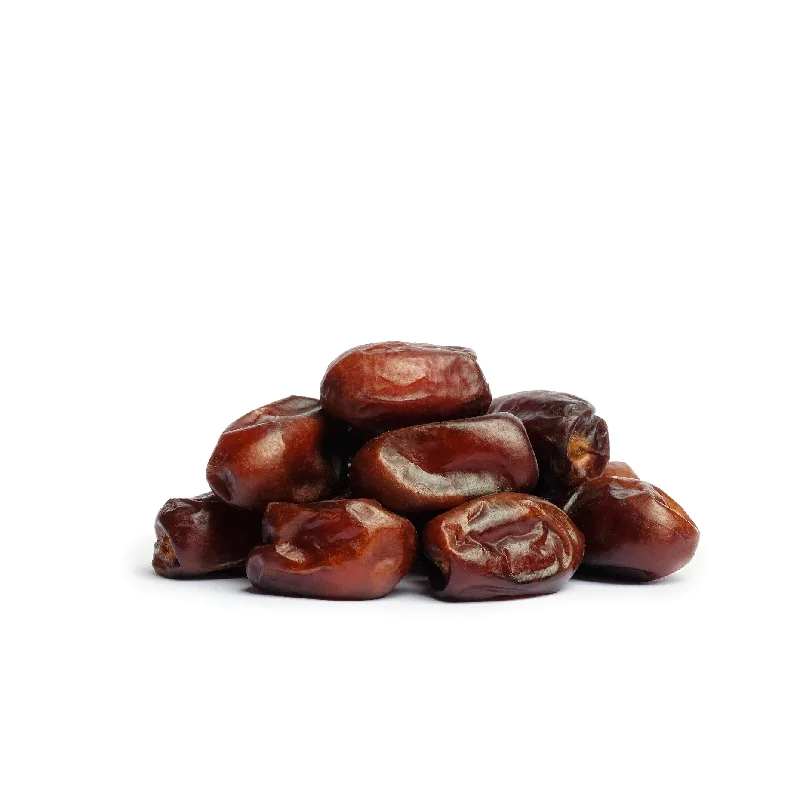
| Mazafati | Soft and moist | High | Dark colour, rich sweetness, tender texture | Fresh consumption, retail |
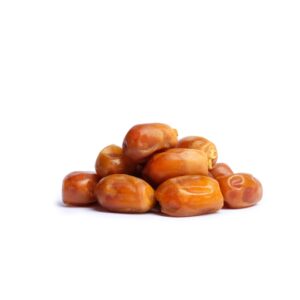
| Zahedi | Firm and semi-dry | Lower | Sweet, firm texture and relatively good storage properties | Export, retail, processing |
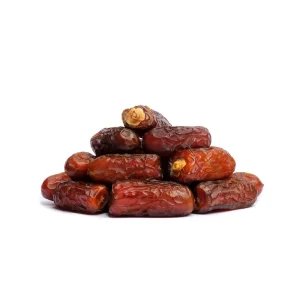
| Piarom | Semi-dry | Moderate to low | Premium appearance, elongated shape, balanced sweetness | Premium retail and export |
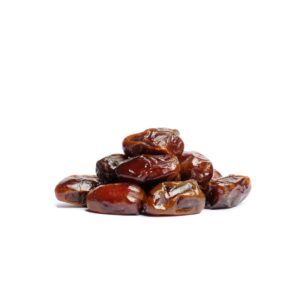
| Kabkab | Soft to semi-soft | Moderate | Sweet, dark fruit with sticky texture | Fresh consumption and processing |
The best variety depends on the intended application. Fresh-market buyers may prioritize softness and flavour, while industrial and export buyers may place greater emphasis on moisture, shelf life, transportation stability, grading, and consistency.
The Art and Science of Growing Dates
Growing dates combines agricultural science with practical experience. Date palms are highly resilient plants, but producing commercially valuable fruit requires careful management throughout the growing season.
One of the most important processes is pollination. Date palms are dioecious, meaning male and female flowers occur on separate trees. Female palms produce the fruit, but they need pollen from male palms for successful fertilization.
In commercial orchards, farmers commonly use controlled or assisted pollination to improve fruit set and maintain more consistent production.
Water and soil management are equally important. Although mature date palms can tolerate hot and relatively dry conditions, adequate water remains necessary for healthy growth and fruit development. Poor drainage, excessive irrigation, or inappropriate soil conditions can negatively affect palm health.
Expert perspective: Date palms are drought-tolerant, but drought tolerance should not be confused with zero water requirements. Commercial production depends on balancing water availability with soil drainage, climate, palm age, and fruit-development needs.
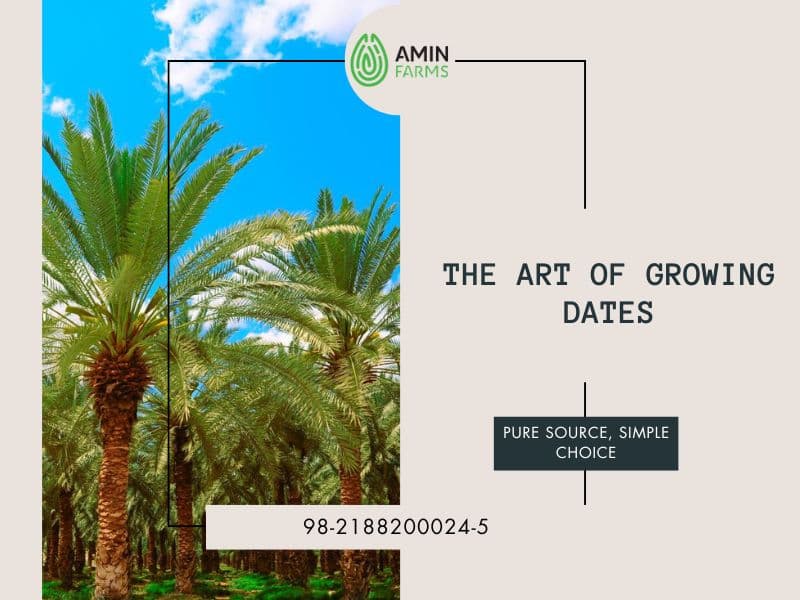
Another key aspect of the date farming process is managing water and soil. Even though the date palm is hardy, it still needs regular watering and well-drained soil to thrive. Proper irrigation and balanced soil nutrition play a significant role in the health of the tree and the sweetness of the fruit.
So, when we ask how dates are grown, we are asking about a long tradition of dedication, wisdom and care. And in every high-quality date, that tradition lives on.
Discover more: Benefits of Dates: Why They’re Perfect for Your Diet
Understanding the Date Palm
The date palm is scientifically known as Phoenix dactylifera. It is a long-lived perennial plant adapted to hot and dry environments.
A mature date palm has a single trunk topped by long, feather-like fronds. Under favourable conditions, date palms can remain productive for decades, making orchard establishment a long-term agricultural investment.
One of the most important biological characteristics of the date palm is its dioecious nature:
- Male and female flowers occur on separate palms.
- Only female palms produce dates.
- Male palms provide pollen.
- Commercial orchards commonly use assisted pollination.
- Propagation through offshoots or tissue culture helps maintain desirable characteristics of selected cultivars.
Date palms generally perform best in regions with intense sunlight, hot summers, mild winters, and soils with adequate drainage.
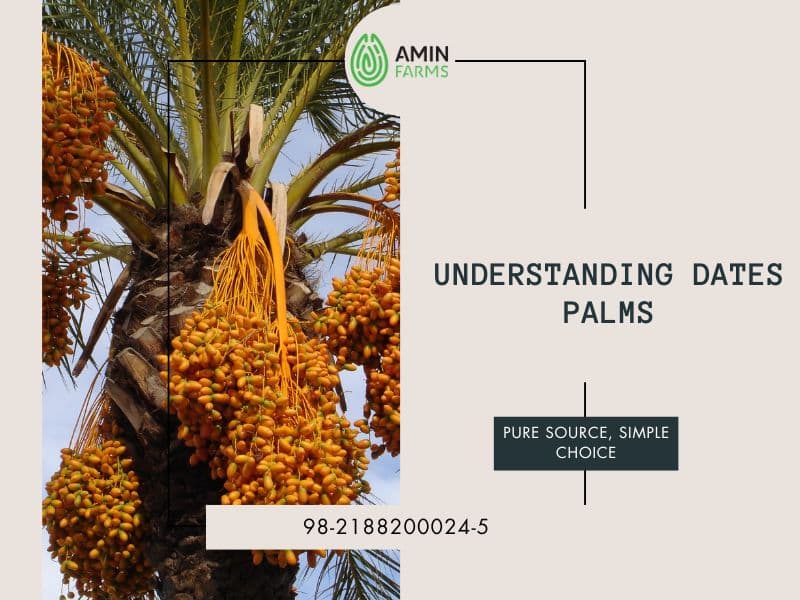
The date palm thrives in very hot, dry climates with mild winters. It tolerates extreme heat and needs plenty of sunlight for healthy growth. Deep, loamy soils with good drainage are best for its wide root system. Understanding these environmental needs is essential for successful date palm cultivation.
So, when we ask how dates are grown, we begin by looking at the biology and behaviour of this remarkable tree. That knowledge is the foundation for a productive and sustainable date harvest.
Discover more: Global Trends in Dates Market
Step 1: Choosing the Right Growing Environment
The first step in date cultivation is selecting an appropriate site. Climate, soil, water quality, drainage, and sunlight all influence the productivity and quality of the orchard.
Climate Requirements
Date palms are particularly well suited to hot, arid and semi-arid climates. Long, hot summers provide the conditions needed for fruit development and ripening.
Important environmental considerations include:
- Long periods of warm weather
- High levels of sunlight
- Limited rainfall during fruit ripening
- Mild winters
- Protection from severe frost
- Low to moderate humidity during ripening
Excessive humidity and rain close to harvest can increase the risk of fruit deterioration, depending on the variety and production system.
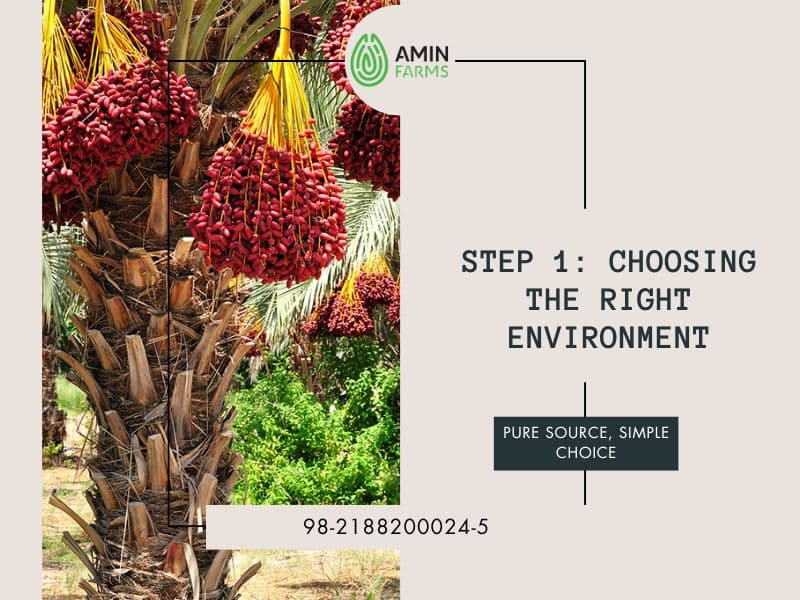
In addition to climate, soil quality and drainage are just as important. Date palms grow best in deep, sandy loam soils with excellent drainage. They do not do well in waterlogged or poorly drained soils, which can cause root rot. Good drainage is essential. These trees can tolerate a bit of salinity in the soil, but irrigation water must be of good quality to avoid long-term damage.
Understanding these basic needs is key to successful date palm cultivation, and answering the question of how dates are grown always begins with the land itself. When the foundation is proper, everything else has a better chance of thriving.
Discover more: Best Recipes with Dates to Try
Step 2: Planting Date Palms
Once the ideal location has been chosen, the next crucial step is planting the date palm. This phase is vital, as it determines the tree’s long-term health and productivity. A successful outcome relies on precision and using the correct planting methods.
The most suitable time to plant date palms is during early spring or fall when temperatures are moderate. These seasons allow the tree to build strong roots before facing extreme weather. Date palms can be planted either from offshoots or through tissue culture. Offshoots, taken from the base of older palms, are widely used since they retain the qualities of the parent tree and usually start fruiting sooner. Tissue culture, while more costly, offers uniform and disease-free plants.
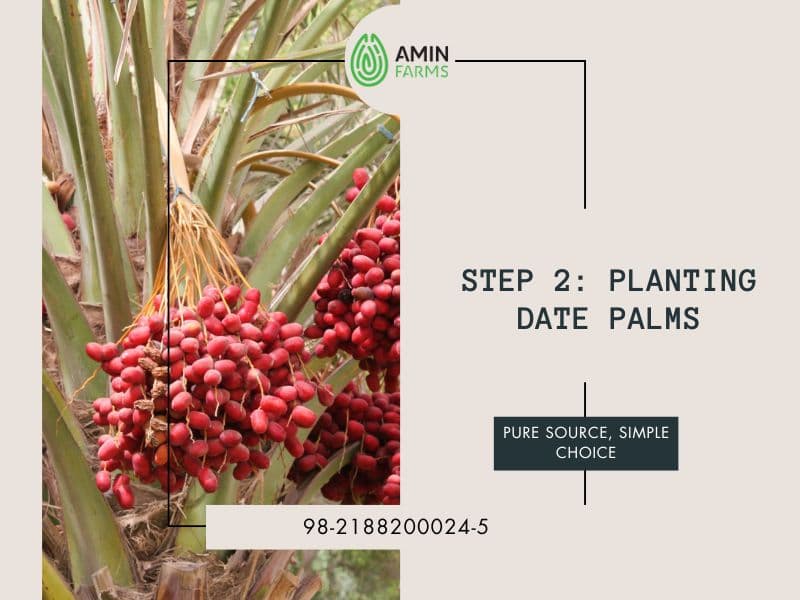
During planting, a hole should be dug wide and deep enough to let the roots spread easily. Soil should be gently firmed around the roots to eliminate air gaps and promote root contact. A deep watering right after planting helps the tree settle in. Proper spacing is also key to ensure each palm has enough sunlight and room to thrive.
In date palm farming, this planting step is the beginning of a successful harvest. So, if you’ve ever asked how dates are grown, it all starts with getting the planting process just right.
Discover more: How to Store Nuts and Dates
Step 3: Caring for Date Trees
After planting, caring for date palms is just as critical as selecting the right site and planting them correctly. Although these trees are known for their resilience, they still require regular attention to stay healthy and yield top-quality fruit.
Watering plays a central role in date palm maintenance. While they can handle drought, consistent and deep watering is necessary—especially during hot weather and the fruiting phase. Drip irrigation is a popular method because it conserves water while delivering moisture directly to the roots. However, proper soil drainage is essential to avoid root rot caused by excess water.
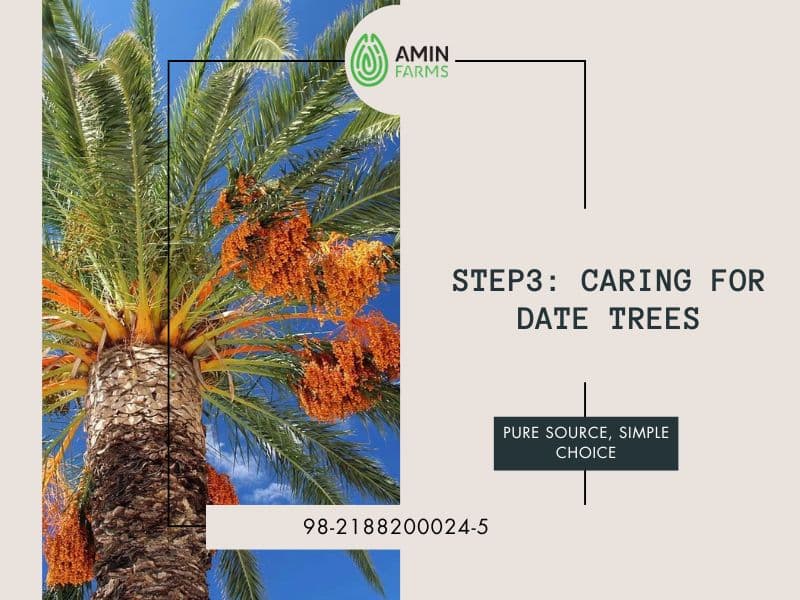
Fertilization is equally essential. Date palms rely on key nutrients such as nitrogen, phosphorus, and potassium, along with vital micronutrients like magnesium and boron. The fertilizing schedule should be tailored to the tree’s age and the specific needs of the soil.
Trimming away dry or damaged fronds and thinning out extra offshoots helps the palm focus its energy on fruit production and lowers the chance of pests or diseases. Keeping a close watch on the trees and acting quickly against any issues is crucial for long-term success.
For anyone curious about how dates are grown, the answer lies in consistent care. Healthy, fruitful palms are the result of steady effort and proper management throughout the year.
Discover more: Benefits of Eating Dates During Pregnancy
Watering and Fertilization Tips
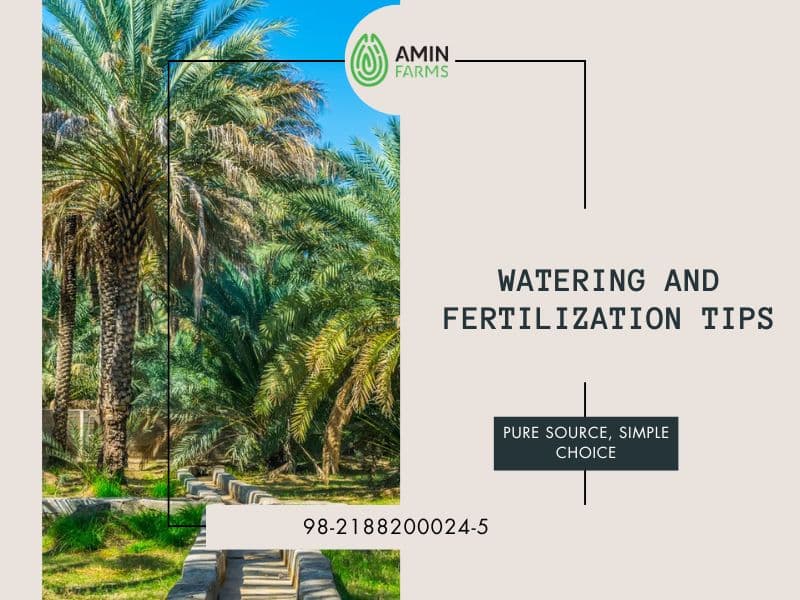
To ensure your date palms grow strong and productive, watering and fertilizing must be done with care and knowledge. These two essentials play a significant role in the date farming process and directly affect the quality of your harvest.
- Deep and regular watering: Date palms thrive on deep irrigation that encourages roots to grow downward into the soil. The frequency of watering depends on the age of the tree, soil type, and climate. During hot, dry seasons, more frequent watering is usually needed.
- Good drainage: Make sure your soil drains well. Date palms are sensitive to standing water, and overwatering can lead to root rot.
- Reduce watering in winter: In colder months, palm trees need much less water. Cut back on irrigation to prevent cold-related root damage.
- Balanced fertilizers: Use fertilizers that contain a healthy mix of nitrogen, phosphorus, and potassium. Nitrogen helps with leaf growth, phosphorus supports root health, and potassium improves fruit quality.
- Micronutrients: Palms also need magnesium, boron, iron, and zinc. If you notice signs of deficiency, consider adding these nutrients to the soil.
- Timing matters: Fertilize in early spring and again during the fruiting season in summer. Always follow the instructions provided on the fertilizer packaging.
- Application method: Spread the fertilizer evenly around the base of the tree and water thoroughly so the nutrients reach deep into the roots.
When learning how dates are grown, understanding proper watering and feeding practices is a must. With a bit of attention and care, your date palms can flourish for many fruitful years.
Discover more: Top Iran Date Exporters You Need to Know
Step 4: Harvesting Dates
After months of care and patience, the sweet and rewarding stage of harvesting dates finally arrives. This final step in the journey of growing dates requires timing, skill, and attention to detail to preserve the best flavour and texture of the fruit.
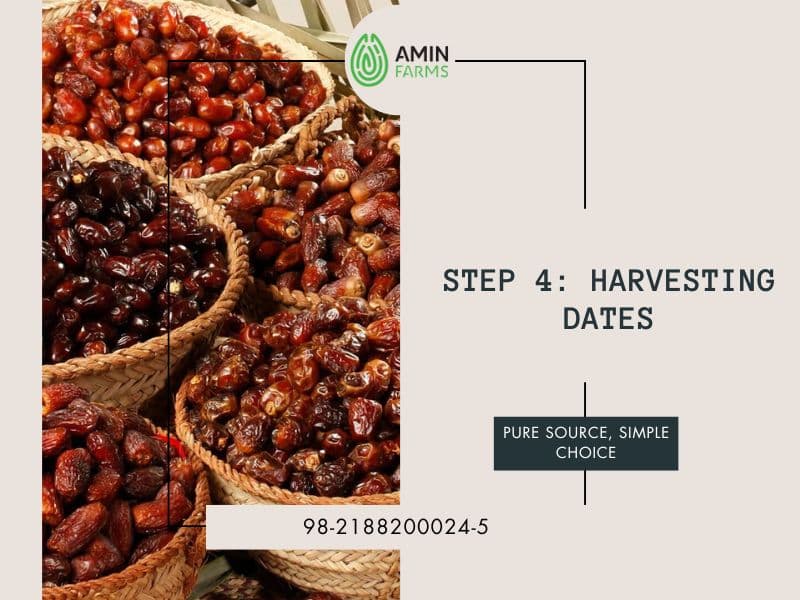
The harvest season depends on the variety of the dates and the climate, but it usually falls between late summer and early autumn. Dates ripen in stages, and they are typically picked when they turn golden to deep brown and develop a soft, sweet texture. Picking them at the right time is crucial; underripe dates can taste sour and astringent, while overripe ones may lose their firmness.
There are two standard date harvest techniques, both done manually:
- Cluster harvesting: The entire bunch of dates is removed from the palm at once. This method works best for varieties that ripen uniformly.
- Selective harvesting: Workers carefully pick only the ripe dates from each bunch, returning several times as the rest mature. This method is more common, as most dates do not ripen all at once.
Because of the tall height of date palms, harvesting often involves using ladders or lift equipment. Once picked, dates must be quickly transported to processing facilities for drying and packaging.
Understanding this step is essential when exploring how dates are grown, as it shows the care involved in delivering high-quality, flavorful fruit from the palm to your table.
Discover more: How to import Rabbi Dates from Iran
Iran’s Role in Global Date Production
Iran is one of the world’s top producers of dates, playing an essential role in the global supply of this sweet and nutritious fruit. Thanks to its dry, sunny climate and centuries of farming experience, Iran produces over one million tons of dates every year, making it the second-largest data producer after Egypt.
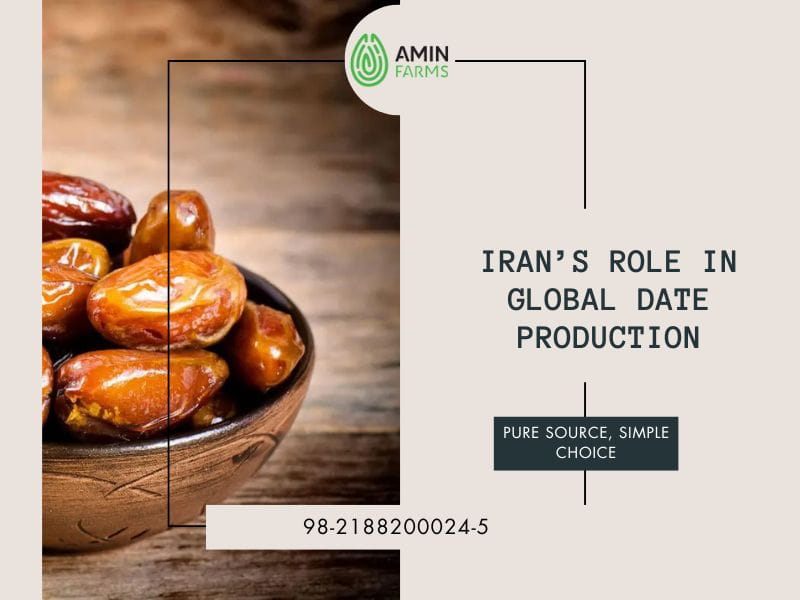
What makes Iran truly unique is the diversity of its dates. With more than 400 different varieties, popular ones like Mazafati, Piarom, Zahedi, and Kabkab are known for their rich flavour and high quality and are in high demand worldwide.
Beyond the numbers, the data industry in Iran supports thousands of families, especially in the southern provinces. From planting to processing, dates are a significant part of life and the economy there.
If you’ve ever wondered how dates are grown, Iran offers one of the best answers through generations of knowledge, care, and deep respect for the land.
The Date Palm Life Cycle and Production Profile
A healthy date palm is truly an enduring treasure, known for its remarkable longevity and productivity. This resilient tree can live for seventy to one hundred years and begins bearing fruit, on average, at around five years old. Once it reaches maturity, it can continue producing consistently for up to sixty years. This extended productive lifespan makes date farming a meaningful, long-term investment, one that often spans multiple generations of dedicated farmers.
At the core of its production is a key biological trait: the date palm is dioecious, with separate male and female trees. Only the female palms produce fruit, but they depend on pollen from male trees to do so. Since natural wind pollination is often unreliable for large-scale yields, human involvement becomes essential. This means carefully applying pollen by hand each year—a precise and time-sensitive task that ensures bountiful harvests.
When we explore how dates are grown, understanding this life cycle reveals the patience and planning required to turn a young palm into a lifelong source of sweet, nutritious fruit.
Comparative Analysis of Propagation Methods
The way new date palms are propagated greatly influences the uniformity and future success of an orchard. In commercial farming, methods that emphasize cloning are preferred over seed-based reproduction to preserve genetic consistency and predictable results. Here’s a closer look at the key propagation approaches:
- Offshoots (Suckers): This asexual method produces clones identical to the parent tree. Fruiting typically begins in 3 to 5 years, making it highly suitable for commercial use as it ensures consistent yield and quality.
- Seedlings: Through sexual reproduction, this results in genetically variable trees. The time to fruit is highly unpredictable, often taking 5 or more years, which makes it less ideal for commercial settings due to varying fruit quality and production.
- Tissue Culture: An advanced asexual technique that yields clonal, disease-free plants. While the initial time to fruit can vary and may be longer than offshoots, it offers high commercial suitability by providing uniform, scalable, and reliably healthy stock.
Choosing the right propagation method is a foundational step in date palm cultivation. It sets the stage for a thriving orchard and answers part of the bigger question of how dates are grown with reliability and efficiency.
Establishing the Optimal Terroir: Environmental and Soil Metrics
Date palms are perfectly suited to hot, arid landscapes, but achieving peak productivity means carefully managing their specific environmental conditions—often called the palm’s terroir. This involves balancing climate, soil, and other factors to support healthy growth and superior fruit.
Understanding these metrics is vital because date palms, while hardy, thrive only when their unique needs are met. From temperature and sunlight to soil composition, every element plays a role in nurturing the tree from planting to harvest.
So, when we ask how dates are grown, we must start with creating the ideal terroir. It’s the foundation that allows these majestic trees to flourish and deliver the high-quality dates we cherish.
Climatic Imperatives: Heat and Cold Tolerance
The date palm’s success hinges on its climatic needs, with heat being the most vital element. These trees require long, hot, dry summers to develop properly and build the high sugar content that makes the fruit so delightfully sweet. During the ripening phase, optimal temperatures range from 25°C to 40°C (77°F to 104°F). Premium varieties, like Medjool dates, demand even more intense conditions, excelling in arid climates where temperatures consistently exceed 100°F for at least 100 days annually. Cold tolerance is equally important; winters should be mild to avoid damage, as frost can harm the trees. By respecting these imperatives, farmers ensure robust growth and flavorful yields.
This deep appreciation for the palm’s climatic preferences is central to understanding how dates are grown, blending nature’s demands with human expertise for the best results.
From Palm to Global Market
The journey of a date does not end when it is removed from the palm. High-quality commercial dates depend on a complete supply chain that begins with cultivar selection and orchard management and continues through pollination, harvesting, grading, packaging, storage, and transportation.
For importers and food businesses, understanding how dates are grown can make it easier to evaluate suppliers and choose the right variety for a specific market. Soft varieties such as Mazafati may be attractive for fresh consumption, while semi-dry or dry varieties can offer advantages for transportation, storage, and certain processing applications.
If you are looking for a reliable source of Iranian dates for international trade, understanding the variety, growing region, grade, moisture level, packaging format, and intended application is essential before placing a bulk order.
Looking to source Iranian dates? Explore Iranian dates for export and compare varieties according to your market and purchasing requirements.
Related Products