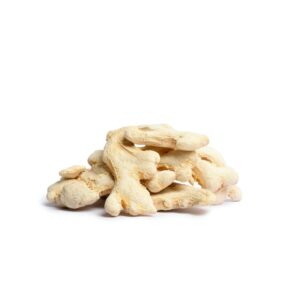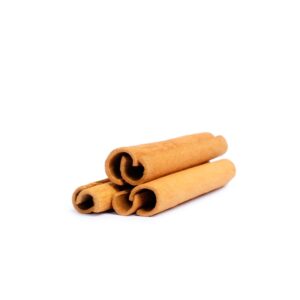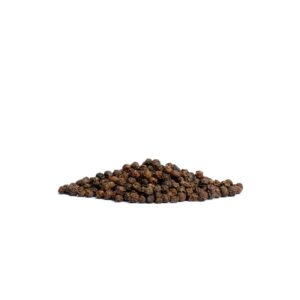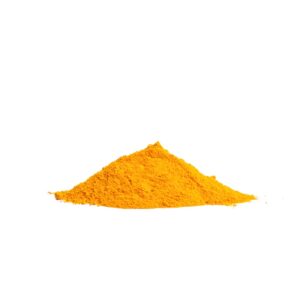
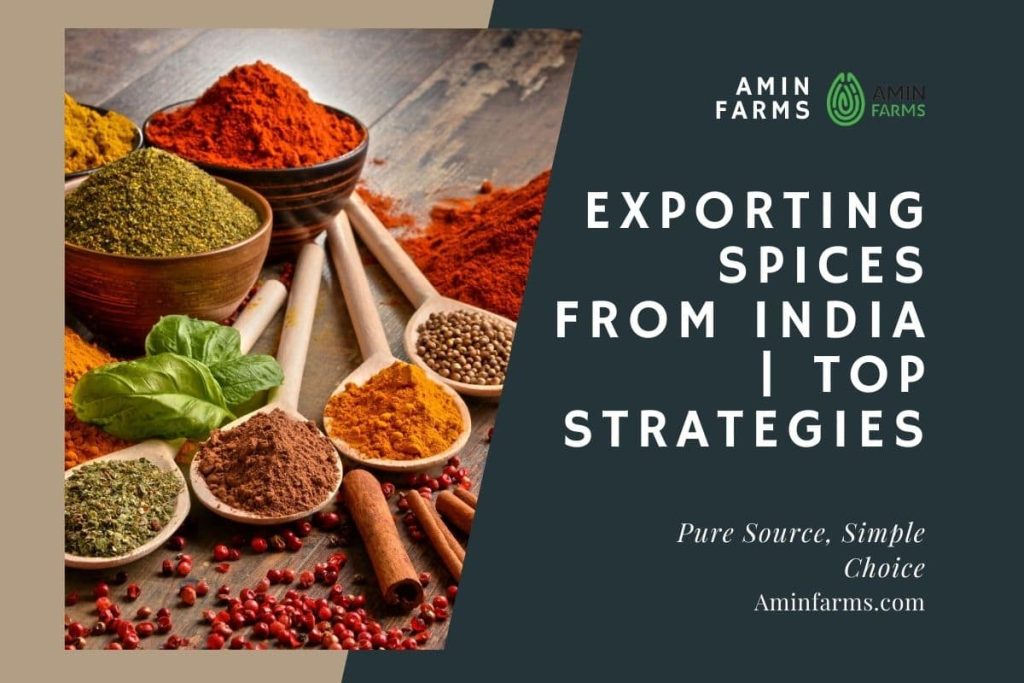
India has a long-established position in the global spice trade. From black pepper and cardamom to turmeric, cumin, ginger, and chilli, Indian spices are supplied to food manufacturers, wholesalers, retailers, restaurants, and distributors worldwide.
India’s spice export industry is also large and diverse. According to the Spices Board of India, the country exported 17.34 lakh tonnes of spices and spice products worth approximately US$4.43 billion during FY 2025–26. Major contributors included chilli, cumin, spice oils and oleoresins, small cardamom, mint products, turmeric, curry powder and paste, ginger, pepper, and coriander.
For businesses looking to enter this market, exporting spices from India involves much more than finding a supplier. Successful exporters need the right product, target market, certifications, documentation, packaging, logistics strategy, and reliable international buyers.
Key takeaway: Successful Indian spice exporters compete on more than price. Consistent quality, regulatory compliance, traceability, professional packaging, reliable logistics, and long-term buyer relationships are increasingly important.
Building Strong Buyer Relationships in the Global Spice Trade
In the spice export industry, long-term success depends not only on product quality but also on the strength of your relationships with international buyers. Importers prefer suppliers who communicate clearly, deliver consistently, and respond quickly to changing market needs. Timely updates, transparent pricing, accurate documentation, and dependable shipping schedules help establish trust over time. Exporters who maintain regular communication through email, trade platforms, and professional networks are more likely to secure repeat orders and long-term contracts. In highly competitive markets, reliability often becomes more valuable than price alone. By treating every shipment as the beginning of a partnership rather than a one-time transaction, Indian spice exporters can build a stable global customer base and strengthen their international reputation.
The Growing Demand for Organic and Sustainable Indian Spices
Global consumers are becoming increasingly conscious about health, sustainability, and food transparency, creating strong demand for organic and ethically sourced spices. This shift presents a major opportunity for businesses involved in exporting spices from India. Organic turmeric, cumin, ginger, black pepper, and cardamom are especially popular in premium markets across Europe, North America, and Australia. Buyers are now looking beyond flavor—they want products free from harmful chemicals, responsibly farmed, and packaged in environmentally friendly materials. Exporters who invest in organic certifications, sustainable farming partnerships, and eco-conscious branding gain a significant competitive advantage. As sustainability continues to influence purchasing decisions worldwide, organic Indian spices are expected to play an even larger role in the future of global spice trade.
Step-by-Step Guide to Exporting Spices from India
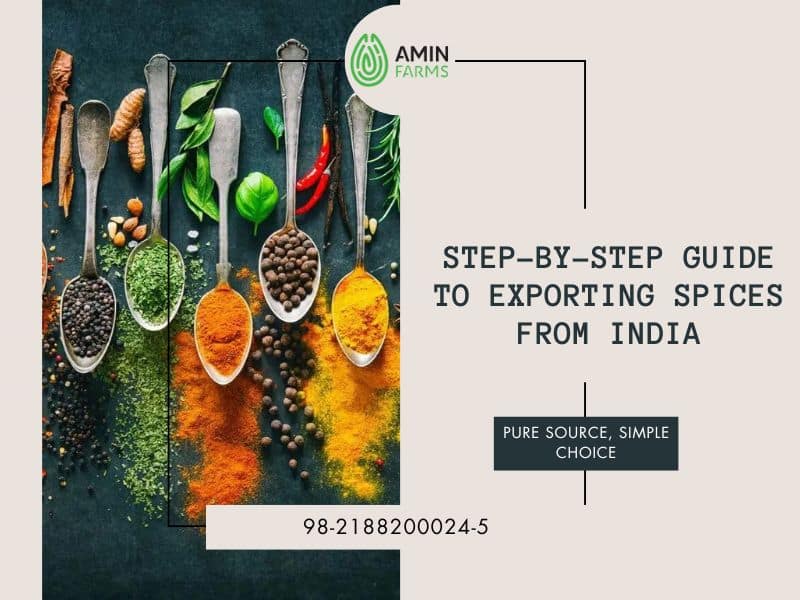
Starting your journey in exporting spices from India may feel overwhelming at first, but with the right plan and clear steps, the process becomes much easier to manage. From researching markets and selecting the right spices to securing licenses and finding buyers, every stage requires careful attention and strategic planning. Here’s a simple guide to help you confidently step into the profitable world of spice exports.
Discover more: Import Cinnamon from Iran
1. Research the Target Market
Before selecting a product, identify where demand exists and what specifications buyers require.
Research:
- Import demand
- Competitor countries
- Wholesale prices
- Product specifications
- Food-safety requirements
- Maximum residue limits
- Labelling rules
- Import duties
- Certification requirements
- Preferred packaging
- Buyer preferences
Do not assume that a spice popular in India will automatically have strong demand in every international market.
2. Choose the Right Spice and Product Form
Your product strategy should match the target market.
For example:
- Whole cumin may suit spice wholesalers.
- Ground turmeric may suit food manufacturers.
- Premium cardamom may target retail and beverage businesses.
- Curry blends may offer higher value-added potential.
- Spice oils and oleoresins may target industrial buyers.
Value-added products can sometimes offer stronger differentiation than competing solely on commodity pricing.
3. Register as an Exporter
Indian exporters need the appropriate business and export registrations before conducting international shipments.
The Importer Exporter Code (IEC) is a key requirement for Indian businesses engaged in international trade.
For spices, exporters should also verify the current requirements of the Spices Board of India, including the applicable Certificate of Registration as Exporter of Spices (CRES) requirements. The Spices Board provides an online exporter-registration system and related documentation.
Requirements can vary depending on the product and destination, so exporters should verify the current rules before shipping.
4. Build a Reliable Supply Chain
International buyers expect consistency.
A reliable supply chain should provide:
- Consistent product specifications
- Stable availability
- Batch traceability
- Quality testing
- Proper storage
- Food-grade processing
- Export-ready packaging
- Reliable delivery schedules
Working directly with farmers, processors, aggregators, or established exporters can each have advantages depending on the business model.
5. Test Product Quality
Quality control is essential when exporting food products.
Depending on the spice and destination market, buyers may require testing for:
- Moisture
- Microbiological contamination
- Pesticide residues
- Heavy metals
- Aflatoxins
- Foreign matter
- Adulteration
- Colour and active compounds
- Other destination-specific parameters
A Certificate of Analysis (COA) from an appropriate laboratory can help establish that the shipment meets the agreed specification.
6. Select Export Packaging
Packaging needs to protect the product throughout transportation and storage.
Factors to consider include:
- Moisture protection
- Oxygen exposure
- Light protection
- Contamination prevention
- Physical strength
- Food-contact suitability
- Batch traceability
- Destination-market labelling
Bulk buyers may require multilayer bags, lined sacks, cartons, or other industrial packaging, while retail products require consumer-ready formats.
Discover more: Import Pepper from Iran
7. Find International Buyers
Exporters can use several channels to generate B2B leads:
- International food trade fairs
- B2B marketplaces
- Distributor networks
- Importer databases
- Professional websites
- Search engine marketing
- Industry associations
- Direct outreach
A professional export website should clearly communicate product specifications, available quantities, packaging, certifications, origin, and contact information.
Discover more: Import Pepper from Iran
Essential Certifications and Compliance
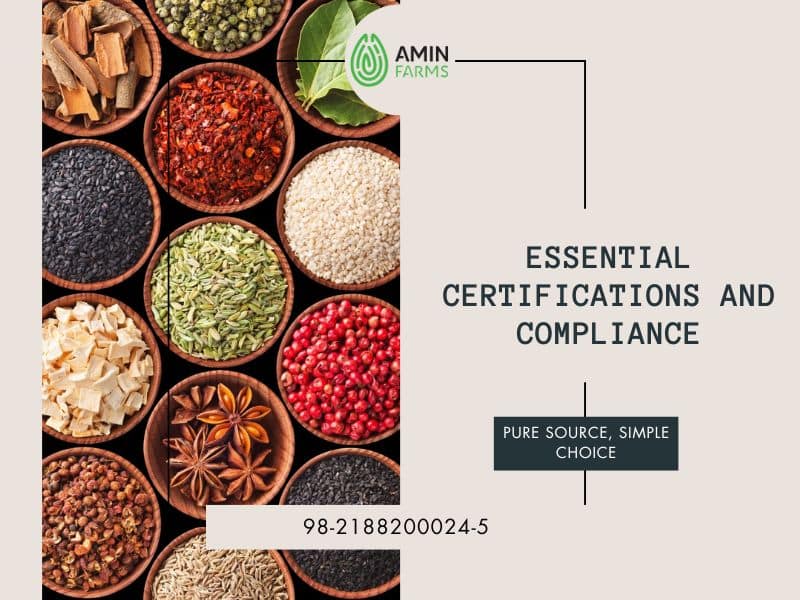
When it comes to exporting spices from India, delivering excellent quality is only part of the story. To succeed in today’s global market, exporters must also comply with international regulations and obtain recognized certifications. These documents not only build trust with overseas buyers but also ensure smooth customs clearance and access to high-value markets, such as the EU and the US.
1. Food Safety Certifications
Every exporter should begin with food safety approvals. In India, FSSAI certification is mandatory. Beyond that, international standards such as ISO 22000 and HACCP demonstrate that your production processes meet stringent health and safety requirements, thereby reducing risks for both consumers and importers.
2. Organic and Specialty Certifications
With growing demand for clean and sustainable food, organic labels have become essential. USDA Organic for the US and EU Organic for Europe help position your products in premium markets. Specialty certifications, such as Halal and Kosher, also expand opportunities, catering to the cultural and religious needs of consumers. These are some of the most important certifications for Indian spice export.
3. Packaging, Labeling, and Eco-Responsibility
Each country has its own regulations regarding packaging and labeling. Clear information on ingredients, nutrition facts, expiration dates, and recycling symbols is often required. Today’s buyers also value eco-friendly packaging that minimizes waste and supports sustainability, which can boost your brand image.
Discover more: Import Turmeric from Iran
4. Social and Environmental Certifications
Modern consumers are increasingly paying attention to ethical and environmentally friendly practices. Certifications, such as Fair Trade, ensure that farmers are paid fairly, while sustainability-focused labels highlight responsible farming practices and reduced environmental impact. Adding these credentials sets you apart from competitors.
5. Customs Documentation
Finally, don’t overlook shipping documents: invoices, packing lists, certificates of origin, and bills of lading. Any errors here can cause delays, so working with experienced freight forwarders is strongly recommended.
Top Spices Driving India’s Export Boom
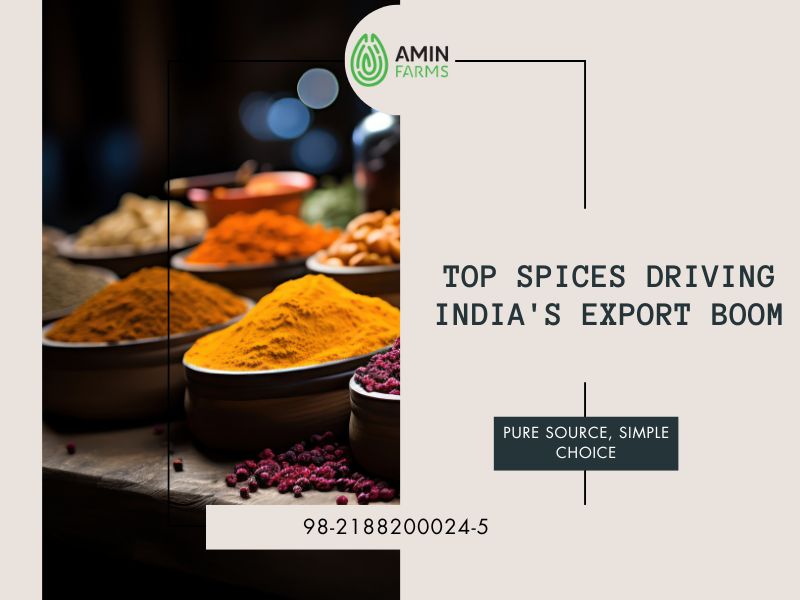
India’s unique climate and geography make it one of the world’s richest sources of spices. While the country produces thousands of varieties, a select group of spices stands out for their exceptional quality, high production volume, and strong global demand. Knowing these key products helps exporters focus on the most profitable opportunities and shape more innovative marketing strategies.
Discover more: Import Cardamom from Iran
- Black Pepper: Kerala’s black pepper is bold, aromatic, and used in kitchens and medicines worldwide, making it one of India’s most iconic exports.
- Cardamom: Green cardamom from Karnataka and Kerala is prized for its strong aroma and high oil content, and is used in various applications, including food, beverages, and perfumes.
- Turmeric: Known for its golden color and curcumin content, Indian turmeric is a star in food, beauty, and pharmaceutical industries.
- Ginger: Dry ginger from India is prized for its sharp flavor and health benefits, and is widely used in food and drinks.
- Cumin: India is the largest producer of cumin, and its strong aroma makes it a staple in international cooking.
- Coriander: Coriander seeds from India are in high demand for use in spice mixes, pickles, and various global cuisines.
- Curry Powder: A blend of spices like turmeric, cumin, and coriander, curry powder offers convenience and rich flavor, especially popular in Western markets.
- Chili Powder: From fiery to mild, Indian chili powders, such as Kashmiri chili, are prized for their color and flavor.
Exporting Spices from Turmeric to Cumin
Turmeric and cumin are two of the most essential spices in world cuisine and among the most critical exports from India. Turmeric is renowned for its vibrant golden color and potent health benefits, mainly due to its active compound, curcumin. It is widely used not only in cooking but also in medicine and cosmetics.
India is the largest producer and exporter of turmeric worldwide, and premium varieties such as Lakadong turmeric are especially popular for their purity and high curcumin content.
Discover more: Exploring the World of Iranian Spices
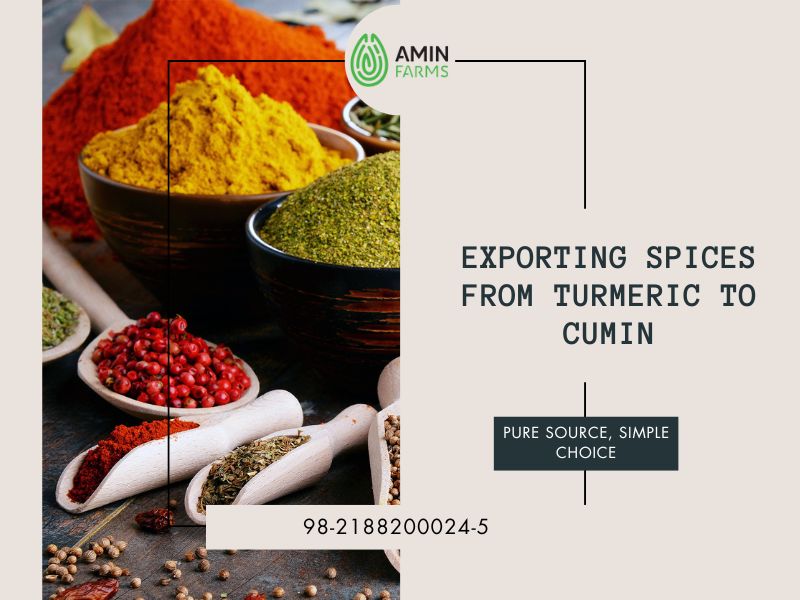
Cumin, on the other hand, holds a unique place in countless recipes, from curries to breads. Known for its strong aroma and warm flavor, it is a staple ingredient across many food cultures. India dominates global cumin production and export, making it one of the country’s most profitable spices.
Both turmeric and cumin play a vital role in boosting India’s demand for exporting spices. Their versatility extends beyond kitchens, with widespread applications in the pharmaceutical and wellness industries. This dual appeal makes them highly valuable in international trade.
As demand continues to grow, the strength of the global Indian spice market ensures that these two spices will remain at the core of India’s thriving spice export industry.
Key Global Markets for Indian Spices
Successful spice exports from India depend on a deep understanding of global markets. Each region has its own preferences, quality standards, and consumer needs. A savvy exporter knows which spices are in highest demand in each market and how to comply with local regulations. Let’s take a closer look at some of the key international markets for Indian spices and what makes them unique.
Discover more: How to Import Saffron from Iran?
1. United States and Canada
North America is one of the most prominent and most promising regions for Indian spices. Growing immigrant communities, rising interest in international cuisines, and the popularity of natural health products fuel demand here. Turmeric, ginger, and black pepper are especially valued for their wellness benefits. However, entering this market requires strict adherence to FDA standards and precise labeling regulations.
2. European Union
The EU is a high-value, yet highly regulated, market. European countries demand premium quality and prioritize food safety. Spices such as cardamom, black pepper, and cumin are particularly popular. Success here depends on obtaining international quality certifications and following EU rules on pesticide residues and traceability.
3. Middle East and North Africa
With a rich food culture and a long tradition of spice use, these markets remain highly profitable. Cumin, coriander, and chili are widely used, and Halal certification is essential for market entry. There’s also strong demand for blended spice powders such as curry mixes.
4. Iran
Strategically located between Asia, the Middle East, and Europe, Iran plays a unique role in the spice trade. Its domestic market shows steady demand for cumin, saffron, turmeric, and dried herbs, while its position as a regional trade hub makes it a valuable gateway to neighboring markets. Exporters who work with experienced partners in Iran can benefit from both local consumption and re-export opportunities.
5. China and East Asia
Countries such as China, Japan, and South Korea represent significant growth opportunities. Traditional medicine, wellness trends, and the rising popularity of Indian cuisine drive demand. Ginger, turmeric, and pepper are the top choices in this region.
6. African Markets
Rapid population growth and economic expansion make Africa a fast-emerging destination for Indian spices. Turmeric, ginger, and chili are in high demand, while diverse food cultures are opening the door for blended spice products.
7. Australia
Thanks to its multicultural population, Australia is a welcoming market for Indian spices. There is a strong interest in high-quality, organic products, making the export of organic spices from India a key opportunity. Compliance with health and organic certifications is critical for long-term success.
Successful spice exports from India depend on a deep understanding of global markets. Each region has its own preferences, quality standards, and consumer needs. A savvy exporter knows which spices are in highest demand in each market and how to comply with local regulations. Let’s take a closer look at some of the key international markets for Indian spices and what makes them unique.
Discover more: Exporting Cinnamon to Iran
Overcoming Challenges in Spice Exports
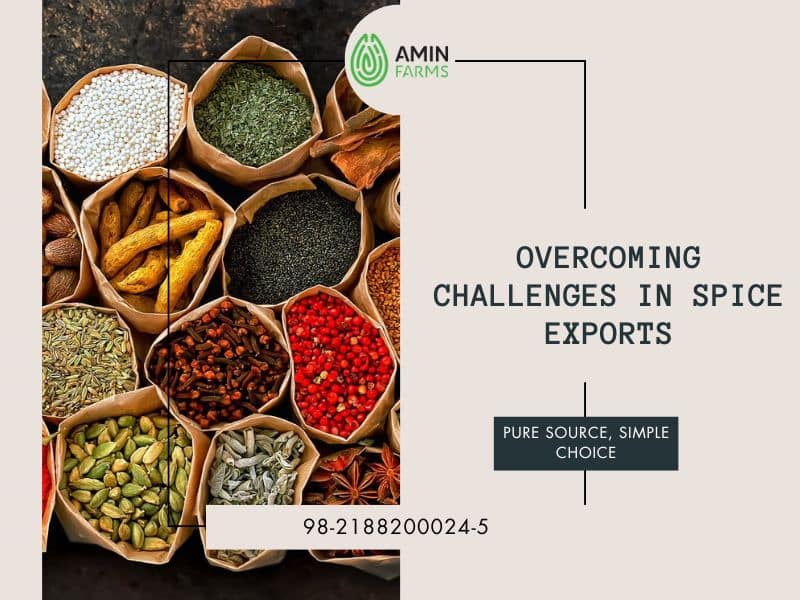
Exporting spices from India offers tremendous opportunities, but it comes with its own set of challenges. Successful exporters must understand these obstacles and adopt innovative strategies to overcome them.
1. Price Fluctuations
Spice prices can be unpredictable, influenced by weather conditions, seasonal production, and global demand. To manage this risk, consider entering into long-term contracts with buyers and utilizing financial tools such as hedging.
2. Strict Regulations and Standards
Each importing country enforces specific quality, safety, and labeling standards. Failing to meet these requirements can lead to rejected shipments and financial losses. The solution is to familiarize yourself with local regulations and secure all necessary certifications in advance.
3. Intense Competition
The global spice market is highly competitive, particularly from countries such as Vietnam and China. Standing out requires focusing on quality, innovative packaging, and high-value products such as organic spices or specialty blends.
4. Logistics and Transportation Issues
Delays, high costs, and damaged shipments can harm your reputation. Partnering with experienced logistics providers in the food sector helps reduce these risks.
5. Financial Constraints and Credit Risks
Limited capital and the risk of non-payment by foreign buyers can be significant hurdles. Instruments like Letters of Credit and export insurance can provide protection.
6. Changing Consumer Preferences
Modern buyers prefer healthy, organic, and sustainable products. Meeting these demands by supplying high-quality, eco-friendly packaged spices is essential. Understanding these factors is key to mastering the spice export process from India.
Discover more: how to export pepper from india to Iran
Strategies for Successful Spice Exporting
Success in the competitive world of spice exports goes beyond following step-by-step procedures. To thrive, exporters require effective strategies that enable them to stay ahead of competitors, access new markets, and achieve sustainable long-term growth. Let’s explore the top methods for successful spice export in 2025, which range from leveraging modern technology to building strong customer relationships.
1. Focus on High-Value Products
Instead of concentrating solely on raw spices, consider producing and exporting value-added products. Organic herbs, ready-to-use spice blends, essential oils, and spice extracts can increase your profit margins and differentiate your brand in the market.
2. Embrace Modern Technology in Supply Chains
Advanced technologies, such as blockchain, can track products from farm to shelf, ensuring transparency and giving customers confidence in the quality and safety of their purchases. Online inventory and logistics management systems also enhance the efficiency of exporting spices from India.
3. Strong Branding and Digital Marketing
A professional brand builds trust and helps penetrate new markets. Through content marketing, active social media presence, and a polished website, you can share your brand story and connect with customers globally.
4. Invest in Sustainability and Ethics
Global consumers increasingly value sustainability and social responsibility. Certifications like Fair Trade demonstrate commitment to farmers’ welfare and environmental protection, making your brand more appealing in the global Indian spice markets.
5. Diversify Export Markets
Avoid relying on one or two regions. Expanding into emerging markets in Africa or East Asia, alongside traditional markets such as Europe and the US, reduces risk from economic fluctuations and regulatory changes.
6. Build Long-Term Customer Relationships
Deliver excellent service, provide quick responses, and maintain consistent product quality to foster loyal customers who support sustainable business growth.
7. Comply with International Standards
Meeting ISO, HACCP, and relevant health certifications ensures smooth entry into strict markets and strengthens credibility.
Discover more: Exporting Green Cardamom from India to Iran
Specialized Packaging for Spice Integrity
When it comes to exporting spices, packaging is far from an afterthought. Spices are delicate, easily affected by moisture, light, and air, which can rob them of their vibrant color, bold flavor, and precious oils. Choosing the right materials isn’t just smart; it’s essential for building trust and ensuring your shipments arrive in perfect condition.
Choosing Export-Ready Packaging Materials
Exporters need to pick food-grade options that act as a strong shield against the elements. Here’s a closer look at what works best:
- Retail: Opt for stand-up pouches lined with aluminum foil to block out light and oxygen, glass jars for that upscale look and easy visibility, or tin containers for top-notch protection against air and light.
- Bulk: Go with sturdy, moisture-resistant multi-layer HDPE bags or PP woven sacks featuring food-grade liners—ideal for big B2B orders that need to stay fresh during long hauls.
And don’t forget tamper-evident seals; they’re a simple way to show buyers that your product’s quality has been safeguarded from start to finish. This thoughtful approach to packaging turns potential problems into peace of mind for everyone involved.
Traceability and Labelling Requirements In today’s global market
Traceability and Labelling is really important —especially in places like the US and EU—. buyers want to know exactly where their spices come from and how they’ve been handled. That’s where smart packaging steps in, making traceability effortless with the right codes and details.
- Phytosanitary Certificate: A must-have to prove your spices are pest- and disease-free, keeping everything compliant and safe.
- Barcode/QR Code: These make tracking a breeze, following each batch from farm to shelf—something retailers often insist on.
- Mandatory Labelling: Clearly list the Country of Origin (India), net weight, batch number, expiry date, nutritional info (where required), and certifications like EU Organic or Halal. Skipping this or getting it wrong is a common reason shipments get turned away at the border.
Wholesale Pricing Factors for Indian Spice Exports
Wholesale pricing in the Indian spice export market is influenced by a combination of production costs, market dynamics, and quality attributes, allowing bulk buyers to secure competitive rates while ensuring value. Data from the Spices Board of India indicates average export prices fluctuate 10-15% annually, driven by supply chain factors. Understanding these elements empowers importers to negotiate effectively and plan long-term purchases.
- Crop Yield and Seasonal Availability: High-yield seasons (e.g., post-monsoon for turmeric) lower prices by 5-10%; bulk contracts during harvest can lock in rates at $2-3/kg for standard grades.
- Quality and Certification Premiums: Organic or specialty grades add 15-25% to base prices; e.g., EU-certified cumin at $1.8-2.5/kg versus non-certified at $1.2-1.5/kg.
- Currency Fluctuations and Freight Costs: INR-USD exchange impacts; ocean freight for 20-tonne containers adds $0.1-0.3/kg, favoring consolidated shipments.
- Global Demand and Competition: Surge in health trends boosts turmeric prices by 20%; Indian origin offers cost advantages over competitors like Vietnam.
- Volume Discounts and Payment Terms: Bulk orders (>10 tonnes) yield 5-8% reductions; letters of credit minimize risks for both parties.
Leverage Amin Farms for Your Indian Spice Exports
In the highly competitive world of spice exports, selecting a dependable and efficient partner can define your success. Amin Farms stands out as a trusted player in the supply chain, offering end-to-end solutions that simplify the entire process of exporting spices from India.
From sourcing premium, organic spices to ensuring consistent packaging standards and managing global logistics, Amin Farms covers every critical step. Their deep experience, strong presence in Iran, and broad international network guarantee that your products maintain freshness, quality, and reliability throughout their journey.
By working with Amin Farms, you minimize risks and cut operational costs, while gaining the freedom to focus on expanding your footprint in international markets. With Iran’s strategic position as a global trade hub and Amin Farms’ proven expertise, you can confidently navigate complex trade channels and establish yourself as a successful exporter in 2025.
This partnership is more than logistics; it is about building long-term growth, trust, and sustainable success in the ever-evolving spice industry.
Why Choose Amin Farms for Indian Spice Exports?
Choosing the right supply and export partner can simplify international procurement and reduce the operational burden associated with sourcing, quality control, packaging, and logistics.
Amin Farms can support buyers looking to source agricultural products and spices for international markets.
Before confirming a commercial order, buyers should establish clear specifications covering:
- Product and grade
- Origin
- Quantity
- Quality parameters
- Laboratory testing
- Packaging
- Delivery terms
- Documentation
- Payment terms
- Shipping requirements
For businesses planning to export spices from India, a structured procurement process combined with reliable quality control and market-specific compliance can create a stronger foundation for long-term international growth.
Looking for Indian spices for your international market? Contact Amin Farms to discuss product availability, specifications, packaging, and export requirements.
Related Products