This guide is for growers and exporters looking to enter the Iranian ginger market. Success requires more than finding a buyer. You need the right product, documents, logistics, and market strategy.
In this guide, we explain the key steps involved in exporting ginger to Iran. You will learn about market demand, fresh and dried ginger, phytosanitary requirements, packaging, shipping, and risk management.
Expert insight: A successful ginger shipment depends on three things: matching the buyer’s specifications, preparing accurate documents, and controlling the product throughout transportation.
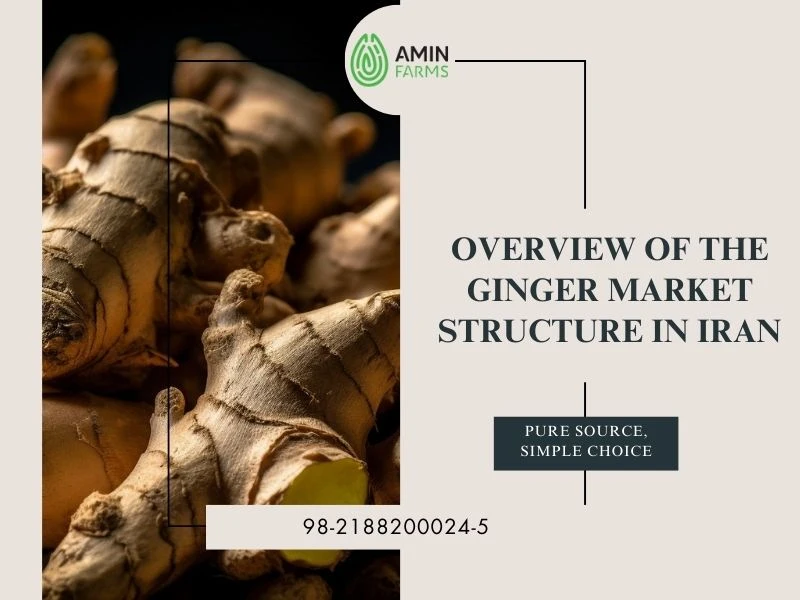
Overview of the Ginger Market Structure in Iran
The Iranian ginger market includes several buyer groups. These include importers, distributors, supermarkets, food processors, spice traders, and traditional markets.
Buyer requirements can vary by region and application. Some buyers prioritize fresh ginger. Others need dried ginger for spice blends, food production, or tea.
For exporters, this means a one-size-fits-all strategy is unlikely to work.
Before quoting a buyer, confirm:
- Product type: fresh or dried
- Required origin
- Quantity
- Quality and grade
- Packaging
- Delivery location
- Target delivery date
- Required documentation
Understanding these factors helps exporters build a more accurate offer.
Fresh and dried ginger serve different market segments. They also require different logistics and quality-control procedures.
| Factor | Fresh Ginger | Dried Ginger |
|---|---|---|
| Shelf life | Shorter | Longer |
| Logistics | Requires greater temperature control | Easier to transport |
| Main concern | Spoilage and moisture loss | Moisture and contamination |
| Typical buyers | Retailers, food businesses, distributors | Spice traders, processors, manufacturers |
| Packaging | Ventilated protective packaging | Moisture-resistant packaging |
| Transit risk | Higher | Lower |
Your success hinges on which river you intend to navigate. How to bridge them? Because the fundamental structure isn’t found on an official chart. It’s in the space between these two systems, the pricing gaps, the unmet demand, the specific texture a buyer in Yazd expects versus a buyer in Rasht.
That’s where your opportunity takes shape. Forget a one-size-fits-all approach. Your strategy must be as layered as the market itself.
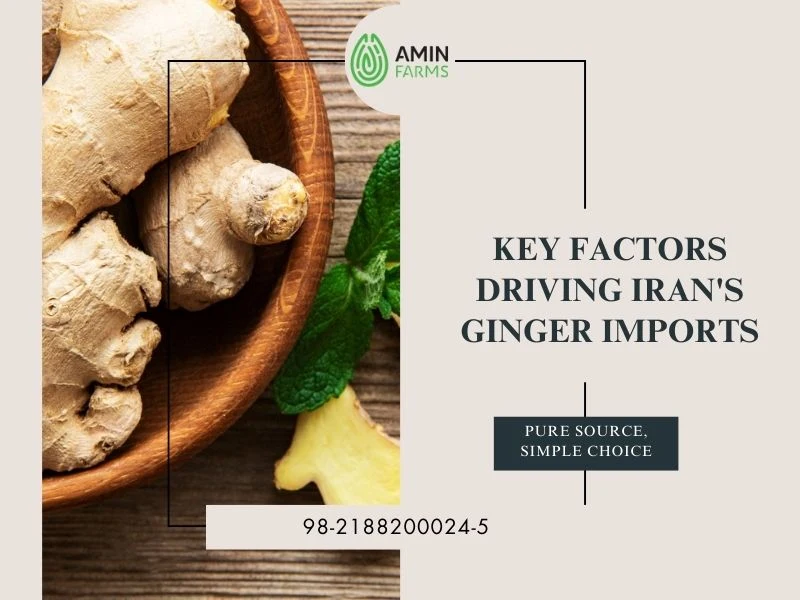
Key Factors Driving Iran’s Ginger Imports
Key Factors Driving Iran’s Ginger Imports
Several factors can influence demand for imported ginger in Iran:
- Food and culinary use: Ginger is used in cooking, beverages, spice blends, and food products.
- Import dependency: Local production may not satisfy all market requirements, creating opportunities for imported supply.
- Year-round availability: Importers can use international suppliers to maintain supply outside local production periods.
- Consumer interest: Ginger is also associated with wellness and traditional uses, supporting demand in some consumer segments.
- Regional trade: Iran’s position in the region creates opportunities for distribution through established trade networks.
Exporters should evaluate these factors together with current buyer demand and import conditions.
- A Non-Negotiable Ingredient: In Persian cooking and traditional remedies, ginger is a staple, not an optional spice. This cultural anchor guarantees a stable base demand.
- Agricultural Priorities Shift: With water scarce, farmers often allocate land to more predictable crops than ginger, making reliance on imports a practical necessity.
- The Year-Round Expectation: Modern consumers, especially in cities, refuse to let seasons dictate menu planning. They demand constant availability.
- Wellness Transforms Demand: Ginger’s celebrated health benefits have propelled it into the daily routines of a health-conscious middle class.
- Trade Corridors Evolve: Improving regional connections are making the physical journey of ginger into Iran less complicated than a decade ago.
Production Shortages and Seasonal Consumption Patterns
The equation is straightforward but powerful. Domestic ginger production in Iran meets only a fraction of the national need. Practical constraints, such as soil suitability and resource allocation, create this shortfall.
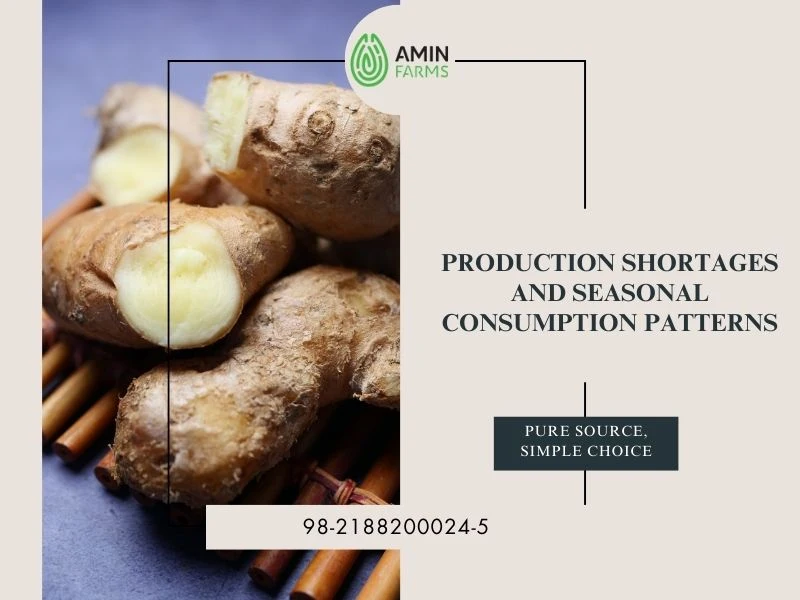
Then, consider the time of year. Winter transforms ginger from a kitchen ingredient into a sought-after comfort for warmth and health. Demand climbs sharply. However, the local harvest cycle finishes months before this cold-weather peak begins. This situation, a constant production gap intersecting with a predictable seasonal surge, isn’t random chance.
It’s a fundamental, repeating pattern of the market. For exporters, this rhythm defines the ideal timing. Shipments timed before winter do more than reach the market. They answer a call that local farms cannot. This dependable dance between what’s missing and what’s wanted at a specific time truly fuels the steady flow of ginger into Iran.
Exporting Fresh Ginger vs Dried Ginger to Iran
Your choice between fresh and dried ginger changes everything. It sets you on two separate paths with different customers, timelines, and challenges. Here’s a clear breakdown to help you see which path fits your goals.
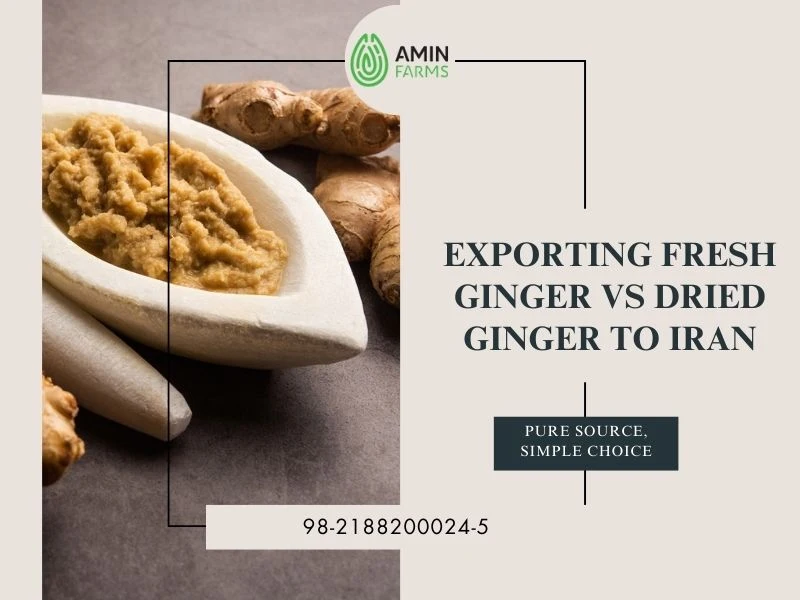
- The Race Against Time: Fresh ginger demands speed and a perfect cold chain from start to finish. Dried ginger offers you flexibility, allowing you to be forgiving with slower shipping due to its long, stable shelf life.
- Who’s Buying: Look for fresh ginger in urban supermarkets and high-end kitchens. Dried ginger flows through traditional bazaars and into factories for spice blends and teas.
- Rules at the Border: Fresh produce faces intense scrutiny for pests and moisture. Dried ginger, already processed, meets more straightforward food safety standards.
- The Financial Reality: Fresh ginger can command higher prices but carries the constant risk of spoilage. Dried ginger provides reliable margins, though sometimes lower, with far less waste.
Understanding this split is crucial to successfully exporting ginger to Iran. Your product defines your process.
Which Type Should You Export?
Choose the product based on the buyer’s requirements.
Fresh ginger can be suitable when the buyer needs fresh produce and has the infrastructure to handle it.
Dried ginger can be more practical for longer-distance shipments because it has a longer shelf life and does not require the same cold-chain controls.
The product specification should always be agreed with the buyer before shipment.
Ginger Export Regulations and Phytosanitary Standards for Iran
Exporting ginger to Iran requires careful preparation of trade and product documentation.
Requirements can vary depending on the product form, country of origin, shipment route, and regulations in force at the time of import. Exporters should therefore confirm the current requirements with the relevant authorities and an experienced customs or trade professional.
Common documentation considerations may include:
- Phytosanitary documentation for applicable plant products
- Certificate of Origin
- Commercial Invoice
- Packing List
- Shipping documents
- Product specifications
- Health or laboratory documentation where required
- Import and customs documentation
Important: Do not assume that the documents required for one ginger shipment will automatically apply to every shipment. Requirements should be confirmed for the specific product, origin, and destination.
Ginger Export Regulations and Phytosanitary Standards for Iran
Navigating the rules for exporting ginger to Iran requires careful attention. The process involves strict phytosanitary checks and operates within a complex international trade framework. Key documents form the backbone of a successful shipment.
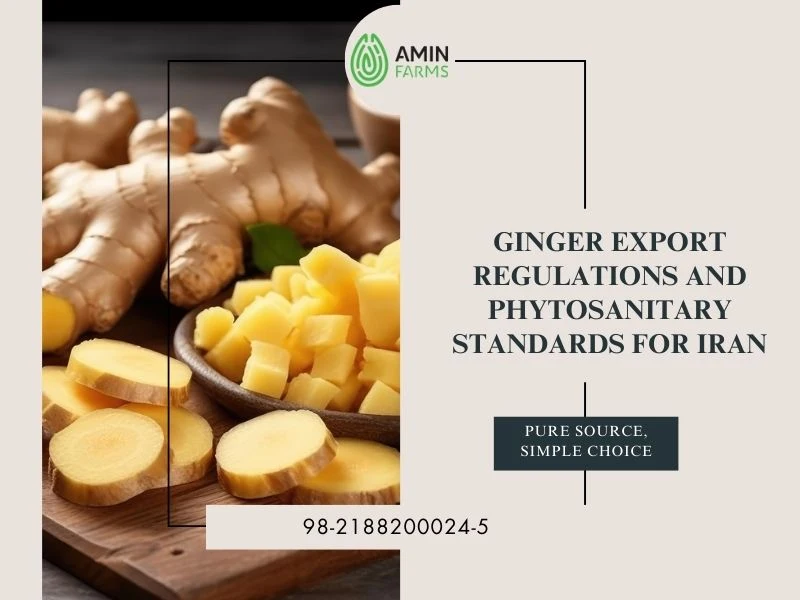
- Phytosanitary Certificate (SPS): An official, non-negotiable declaration that your ginger is free from soil, pests, and disease. It is your primary entry permit.
- Certificate of Origin: This verifies the product’s country for customs tariffs and compliance checks.
- Sanctions Compliance: Ensuring that all financial and shipping channels comply with current international regulations is critical to avoid seizures or fines.
- Expert Partnership: Collaborating with a specialized Iranian trade firm like Amin Farms provides crucial local insight. We proactively manage regulatory hurdles, turning potential delays into a streamlined clearance process.
Required Health Documentation and Food Safety Rules
The required health paperwork proves your ginger’s safety. The Phytosanitary Certificate is meticulously checked for stamps, treatments, and correct botanical names. Any error can result in rejection.
Furthermore, your product must meet Iran’s limits for pesticides and heavy metals (MRLs). Although not always tested, failing a random inspection results in the destruction of the goods. Supporting lab reports from accredited sources is your proof of compliance.
This complexity is why local expertise is invaluable. A partner like Amin Farms does more than translate; we align your documents with current agency standards and manage direct liaison with inspectors. Our guidance transforms a challenging regulatory process into a clear, managed pathway for your shipment’s smooth entry.
Step-by-Step Process for Exporting Ginger to the Iranian Market
The process for exporting ginger to Iran works like a series of gates. Each one must open before you move to the next. Here’s the real-world sequence that makes a shipment successful.
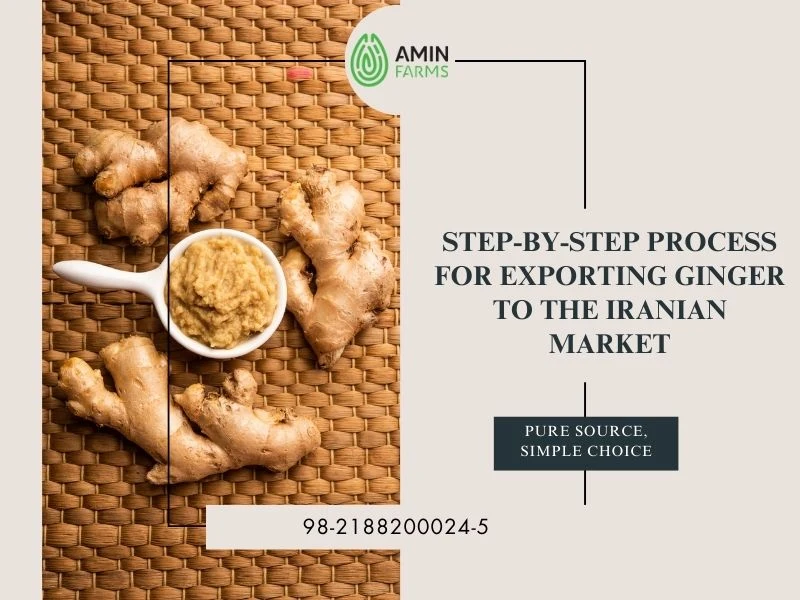
- Lock in Your Buyer: Start with a confirmed purchase order. Know exactly who in Iran is receiving your goods, a distributor in Tehran or a processor in Tabriz. Their needs dictate everything that follows.
- Build Your Paperwork Dossier: This step creates your shipment’s legal identity. Gather the Phytosanitary Certificate, commercial invoice, and certificate of origin. Ensure every detail matches exactly.
- Secure the Physical Journey: Partner with a freight forwarder who knows Iranian ports. Book your container, finalize packaging for maximum shelf life, and establish cold-chain logistics if your ginger is fresh.
- Clear Iranian Customs: Hand the baton to your local import agent. They present your dossier, settle all tariffs and fees, and guide the shipment through inspection. Their expertise is crucial here.
- Finalize Delivery and Finance: Upon release, arrange the last-mile delivery to the buyer’s warehouse. Confirm your secure payment channel is active and all financial documents are reconciled before the container ever leaves your origin port.
Ginger Packaging, Storage, and Shelf-Life Control
Packaging is your ginger’s first line of defence. For fresh ginger, choose perforated plastic bags that allow the rhizomes to breathe, then pack them in sturdy, ventilated cartons. This controls humidity.
For dried ginger, moisture-proof bags with oxygen absorbers, placed inside a strong outer box, are essential. Always store everything in a cool, dark place before shipping. Monitoring temperature from the warehouse onward makes all the difference.
Reducing Spoilage Risks During Transportation
Think of the shipping container as a living environment. For fresh ginger, maintaining a consistent, cool temperature throughout the voyage is non-negotiable. Use data loggers to track conditions.
Position pallets away from the container walls to avoid condensation and temperature spikes. Selecting reliable carriers with experience in perishables and choosing the most direct shipping routes available dramatically reduces the time your ginger spends in transit.
Logistics Options, Shipping Routes, and Risk Mitigation for Ginger
Your logistics plan determines the success of the shipment. Primary routes to Iran often use the port of Bandar Abbas or overland corridors. Each option balances cost, transit time, and handling frequency.
Proactive risk management is essential. Account for potential port delays and secure specialized insurance for perishables. Maintaining flexible carrier relationships helps adapt to schedule changes.
For streamlined execution, Amin Farms operates as a dedicated specialist. We collaborate with top ginger exporters to Iran, offering precise logistics coordination and regulatory management. Leveraging our expertise can transform complex routing into a reliable, end-to-end process for your cargo.
Related Products