Understanding the structure of the Iranian spice market is essential for any supplier aiming to enter this high-demand destination with confidence. Cinnamon remains a major import category, yet success depends on more than product quality alone.
Exporters must align with local packaging standards, required certificates, and the specific grades preferred by Iranian buyers. Many businesses seeking guidance on exporting cinnamon to Iran encounter fragmented or outdated information, even though the process follows a transparent, predictable framework.
This guide provides a precise, practical overview for international suppliers seeking to export cinnamon to Iran while avoiding delays, compliance issues, and unnecessary costs. Each section breaks down the key steps needed to move cinnamon into Iran efficiently and position it competitively in the market.
Analyzing the Iranian Demand: Cassia vs. Ceylon Cinnamon
If you want to sell cinnamon in Iran, you need to understand the split between Cassia and Ceylon. This distinction goes far beyond a simple product label؛ it’s a key variable that shapes your chances of winning in the market.
Cassia cinnamon is the workhorse of the market. Its bold, spicy punch, darker hue, and lower cost make it the undisputed champion in everyday kitchens and large-scale food production. Walk into any bakery or confectionery supplier, and this is what they’re using.
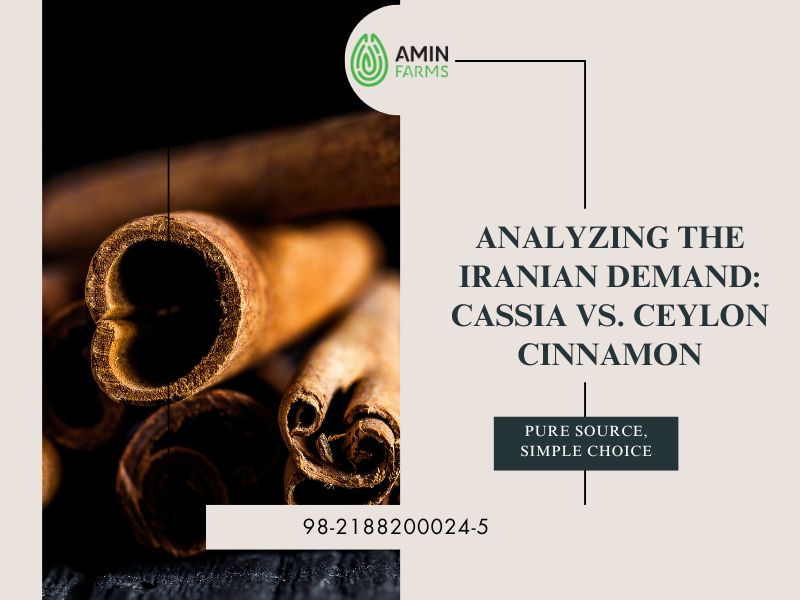
Then there’s Ceylon cinnamon. Think of this as the connoisseur’s choice. It’s gentler, sweeter, and carries a higher price tag. You’ll find buyers for it among premium food brands, higher-end Attari shops, and home cooks who appreciate its mild flavour and higher quality. Getting this basic segmentation wrong means you’re speaking the wrong language to your buyer.
Your entire approach to exporting cinnamon to Iran must be built on this foundational knowledge. Are you supplying a mass-market food factory or a specialty distributor? The answer dictates everything.
Discover more: how to export turmeric powder from india
Why Whole Sticks and Broken Cinnamon are Popular in Iran?
In Iran, cinnamon is valued for its visible quality. Buyers expect to see the bark itself. Whole cinnamon sticks clearly indicate purity and authenticity. Neatly rolled sticks signal that the spice is intact and high grade. They are also practical: add one to tea, stews, or desserts, and it releases flavour evenly without clumping.
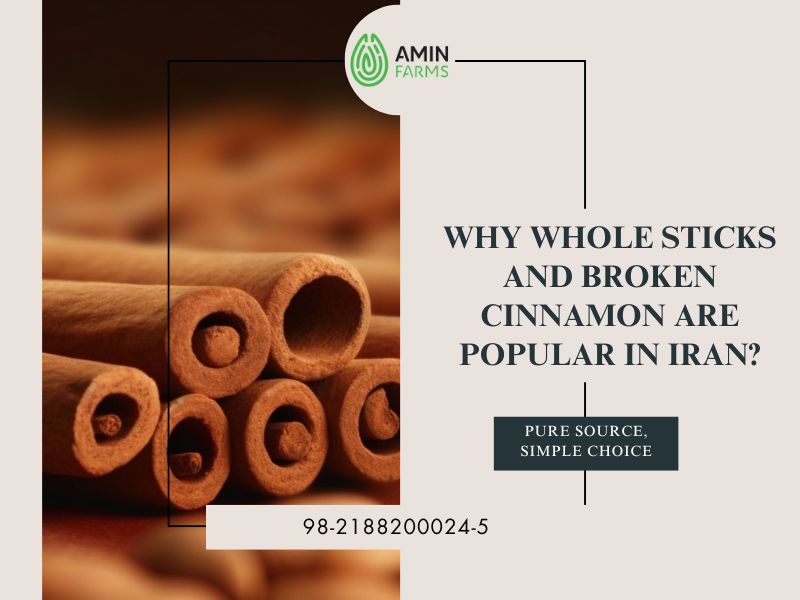
Broken cinnamon pieces are equally popular. They are a cost‑effective option for households and restaurants, providing the same aroma and integrity.
This preference for unground bark, whether whole or broken, reflects tradition and trust. Recognizing it is crucial when planning how to export cinnamon to Iran, as it affects both product grading and packaging choices.
Step-by-Step Export Process for International Suppliers
Exporting cinnamon to Iran requires careful planning, attention to detail, and a clear understanding of local requirements. For international suppliers, the process may seem complex at first, but breaking it into structured steps makes it manageable and predictable. Following a straightforward workflow not only ensures compliance with Iranian regulations but also builds trust with importers and reduces delays. Here are your key steps for how to export cinnamon to Iran:
- Product Identification & Compliance: Ensure your cinnamon, whether Cassia or Ceylon, whole sticks or broken, is fully aligned with the Iranian importer’s Sanitary Permit. Meeting these specifications is essential; any deviation can result in delays or rejection.
- Documentation Preparation: Obtain a Phytosanitary Certificate from your country’s plant protection authority, confirming your shipment is pest-free. A Certificate of Origin is also required to prove the source of your product.
- Strategic Packaging & Loading: Use packaging that protects the cinnamon during sea transport while meeting palletization and container requirements. Proper packaging preserves aroma, quality, and presentation.
- Customs Clearance: When the shipment arrives at a port like Bandar Abbas, your buyer’s customs broker will process clearance using accurate invoices, Bills of Lading, and certificates. Transparency and precision are critical here.
- Delivery & Settlement: After clearance and payment of duties, the cinnamon is delivered to the distributor’s warehouse, and financial settlement is made in accordance with the contract terms.
Following these steps provides a practical roadmap for international suppliers. Understanding each stage is crucial for anyone serious about exporting cinnamon to Iran efficiently and reliably.
Discover more: how to export pepper from india to Iran
Critical Documentation: Phytosanitary and Origin Certificates
When exporting cinnamon to Iran, having the correct certificates is essential. These documents ensure your shipment clears customs efficiently and reaches the buyer on time. Even top-quality cinnamon can face delays or rejection if paperwork is missing or inaccurate. Proper documentation is a critical step that protects your shipment and strengthens trust with Iranian partners. Preparing these certificates correctly from the beginning prevents complications and ensures a smooth export process. The key documents to have ready include:
The Phytosanitary Certificate
Think of this as your shipment’s official “health passport.” It must come from your country’s official plant protection authority and state clearly that your cinnamon is free from pests and diseases. Every single detail on it must mirror the Iranian importer’s permit exactly. This is the document Iranian customs agents scrutinize first.
The Certificate of Origin
This is your product’s “birth certificate.” It legally attests to the origin and processing of your cinnamon. It’s not about the port it left, but the soil it came from. This certificate is what determines the applicable tariffs and duties. It must be stamped and authenticated by your local Chamber of Commerce. Any vagueness here invites delays.
A quick, practical note: Sometimes, especially for organic or specific food-grade batches, your buyer might request an additional analysis report. It’s wise to ask about this upfront.
Triple-check every single entry, company names, addresses, batch numbers, weights, and dates, across all these documents. A single typo is all it takes to ground your shipment for days. Mastering this paper trail is, without a doubt, the foundational skill for anyone learning how to export cinnamon to Iran. It transforms a hopeful shipment into a reliable, trusted delivery.
Discover more: Exporting Green Cardamom from India to Iran
Packaging Standards: Ensuring Freshness During Transit to Bandar Abbas
Understanding how to export cinnamon to Iran means paying close attention to how your product is packed before it begins its long journey to Bandar Abbas. Good packaging isn’t decoration; it’s what protects the aroma, texture, and overall integrity of your shipment from heat, humidity, and rough movement at sea.
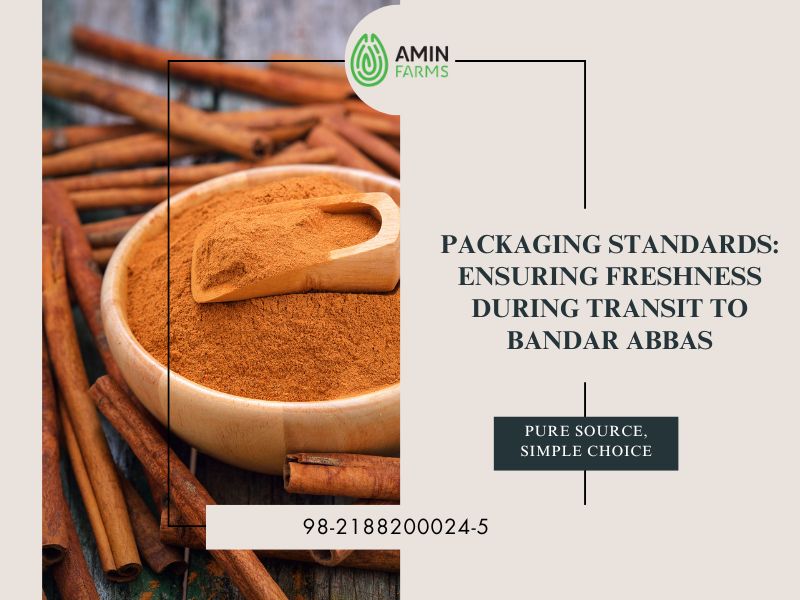
Exporters usually rely on moisture-resistant liners, sturdy cartons, or heavy-grade polypropylene bags to keep the cinnamon stable throughout transit. Sticks need firm, well-sealed boxes to prevent breakage, while powder benefits from extra protection against clumping.
Clear labelling, pallet shrink-wrap, and clean stacking help your cargo move through customs faster and arrive in reliable condition at your buyer’s warehouse.
Overcoming Trade Barriers: Finding a Trusted Iranian Distributor
This is where many exporters feel stuck. The regulations and paperwork are one thing, but finding the right person on the ground, that’s the real make-or-break moment. Your distributor is your entire operation in Iran.
They’re the ones who will fight for your product in the market and protect your name when challenges arise. A good partner navigates local bureaucracy, understands the regional market quirks, and gets your product onto the right shelves. A bad one can leave you with unpaid invoices and a stalled operation.
So, how do you find the right one? Start by looking beyond the first Google result. Seek out companies with a verifiable physical address, a history in the food or spice trade, and membership in official chambers of commerce. Then, talk to them.
Ask detailed questions about their warehouse conditions, their existing client portfolio, and their strategy for introducing a new cinnamon supplier. Their answers will tell you more than any brochure. Building this relationship is the most critical step in learning how to export cinnamon to Iran sustainably. It transforms barriers into bridges.
Join Our Supplier Network: We Buy Bulk Cinnamon
Suppose you’re exploring how to export cinnamon to Iran and seeking a reliable, long-term buyer. In that case, our supplier network is open to you. We work directly with growers and processors who can offer steady quality, clear documentation, and consistent supply.
If your production is stable and your standards are transparent, partnering with an Iranian buyer who truly understands the market can turn a single shipment into a repeat business stream. Amin Farms is one of Iran’s leading suppliers of high-quality cinnamon, offering it at competitive prices nationwide.