
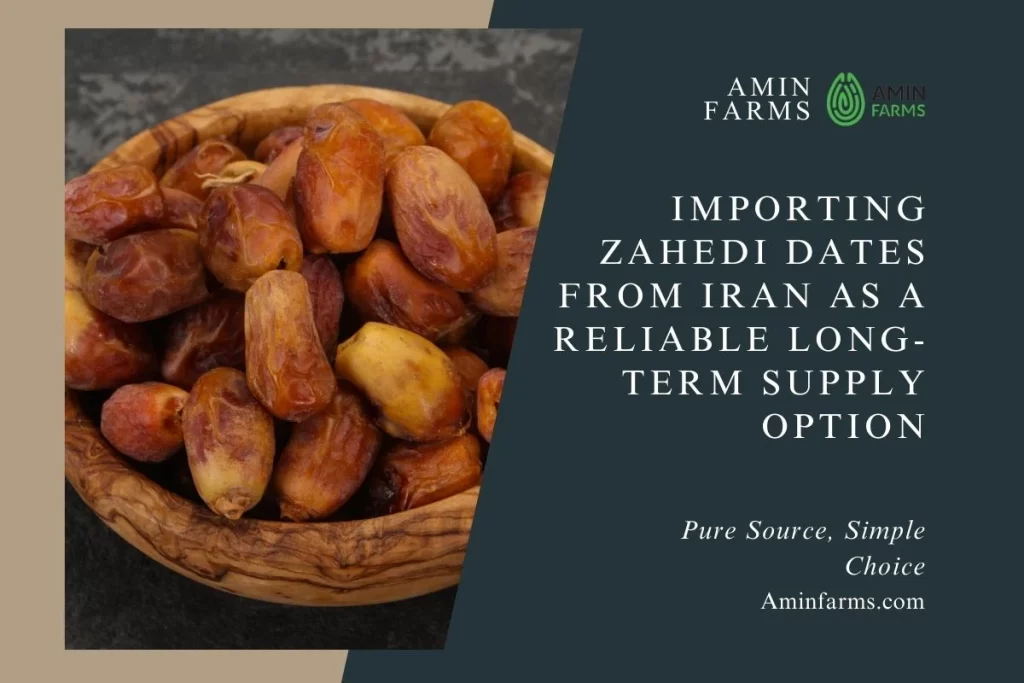
When buyers look for dates that travel well, hold their quality, and stay consistent across seasons, Zahedi often comes up for good reason. Grown mainly in southern Iran, this variety is known for its firm body, light sweetness, and steady performance in storage and transport.
For importers who value predictability, importing Zahedi Dates from Iran can answer many practical questions before they become problems. Supply volumes are stable, grading is clearly defined, and experienced exporters understand international expectations. This matters when contracts are long-term and margins are tight.
Importing Zahedi Dates from Iran is not about chasing trends, but about building a supply chain that works quietly and reliably. In this article, we look at what makes this option dependable, from product characteristics to logistics and compliance, so that decisions can be made with clarity, not guesswork.
Zahedi Dates Overview and Core Product Characteristics
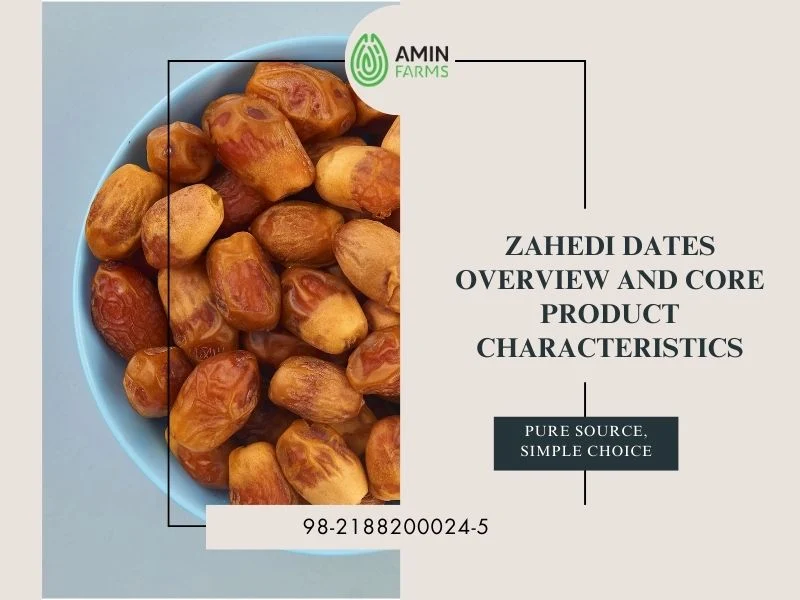
Zahedi dates are widely cultivated in Iran’s southern regions, where dry climates and controlled irrigation shape their final quality. The fruit has an elongated form, a light golden to amber color, and a noticeably dry flesh compared to softer date varieties. These visual and physical traits already signal how the product will behave during handling and transport.
From a commercial perspective, consistency is the key advantage. Harvest volumes are relatively stable year to year, and sorting practices are well established. This makes it easier to plan the import of Zahedi dates from Iran, especially for buyers with fixed delivery schedules.
Another defining feature is versatility. Zahedi dates are used in bulk trading, food processing, and private-label retail without needing heavy adaptation. They fit naturally into supply chains where storage time and predictability matter more than short-term appearance trends.
Firm Texture, Mild Sweetness, and Long Storage Capability
These three characteristics explain why Zahedi dates are often chosen for long-distance trade and extended storage.
- Firm texture: The flesh holds its shape under pressure, which reduces damage during packing and container transport. This lowers waste and helps maintain uniform quality upon arrival.
- Mild sweetness: Sugar levels are balanced, making the dates suitable for a wide range of markets, including industrial use and consumers who prefer less intense sweetness.
- Long storage capability: Low moisture content extends shelf life under proper conditions, a major advantage when importing Zahedi dates from Iran for long-term distribution or staggered sales cycles.
Global Demand for Iranian Zahedi Dates and Market Appeal
Global demand for Iranian Zahedi dates did not grow because of marketing trends or sudden hype. It grew because the product behaved the same way, shipment after shipment.
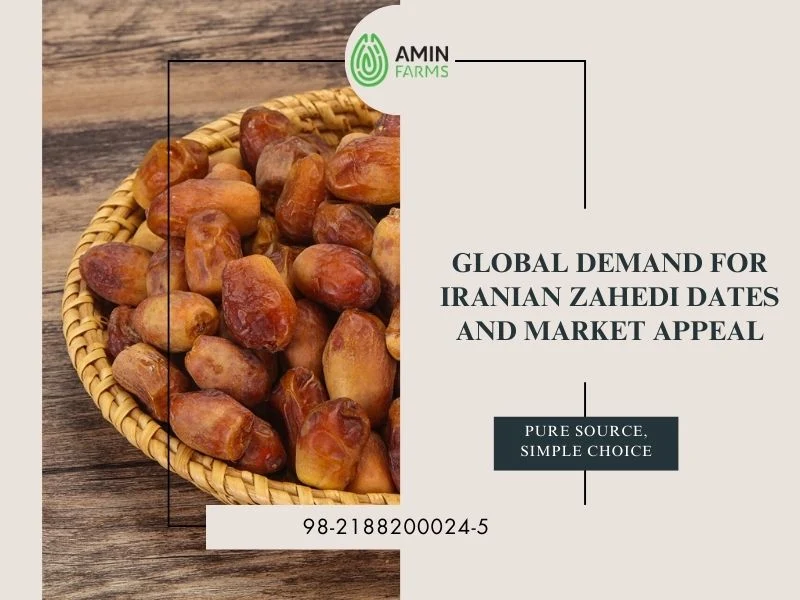
Buyers in Europe and regional hubs often mention one thing first: fewer problems after arrival. The size is familiar, the taste does not divide consumers, and storage results stay predictable. For traders who plan months in advance, importing Zahedi dates from Iran feels like a practical decision rather than a risk.
Processors, wholesalers, and private buyers rely on that stability. Price plays a role, but consistency is what keeps this variety on buying lists year after year.
Quality Standards and Grading System for Zahedi Dates
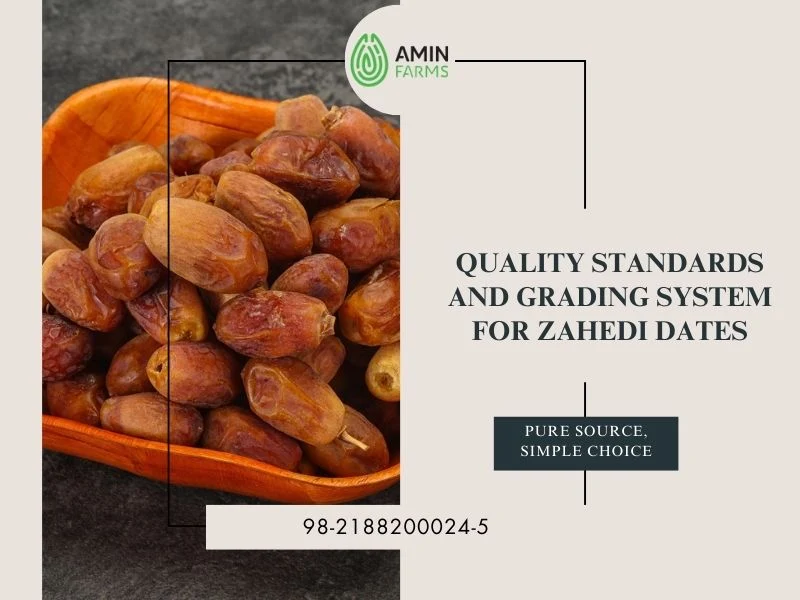
Quality standards for Zahedi dates can feel surprisingly simple once you see them in practice. Traders and packers focus on size first; uniform pieces make handling and storage easier.
Color matters, too, but slight variations are normal and rarely a problem. The moisture level is checked because too much or too little affects how long the dates last. Surface condition is another factor: small cracks or skin separation are allowed, but large splits are not.
When importing Zahedi dates from Iran, knowing these details helps avoid surprises. It’s not just paperwork; seeing a batch and understanding local grading habits makes planning shipments, storage, and resale much smoother for buyers and exporters alike.
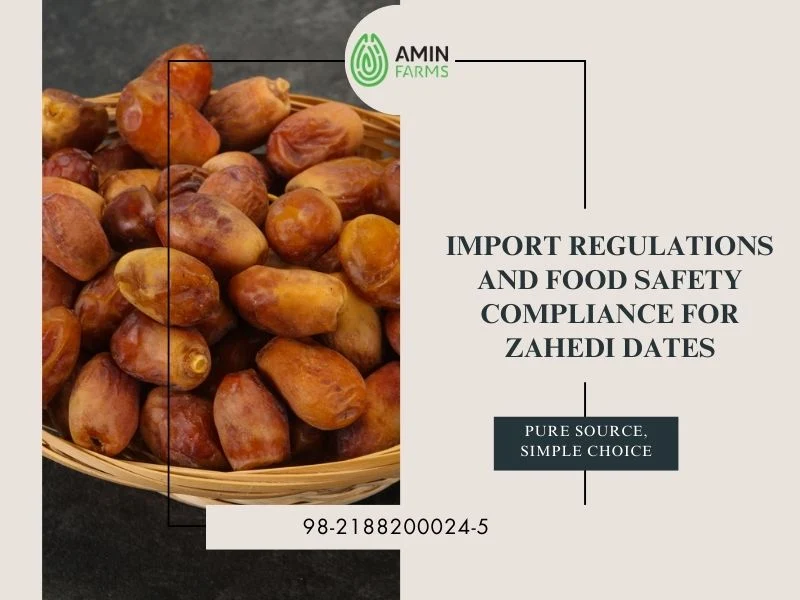
Import Regulations and Food Safety Compliance for Zahedi Dates
Before arranging shipments, it’s important to know the rules around Zahedi dates. Here’s what really matters:
- Documentation: Exporters usually prepare certificates showing the source of the dates and the health checks. Without them, customs slows things down.
- Food safety: Traders watch for moisture, mold, and tiny traces of chemicals. A quick inspection can save trouble later.
- Labels: Make sure every pack clearly shows variety, weight, and batch info. Small mistakes cause big delays.
- Storage during transport: Dates don’t like humidity swings. Keeping them stable prevents spoilage.
- Taxes and tariffs: Duties vary. Knowing them upfront avoids last-minute costs.
- Sanctions and trade restrictions: Some banks and shipping lines are subject to limits due to international sanctions on Iran. Plan around that.
- Port inspections: Officials often check samples. Being ready makes arrivals smooth.
Following these points makes importing Zahedi dates from Iran less stressful. It helps shipments reach buyers in the condition you expect.
Step-by-Step Guide to Importing Zahedi Dates from Iran
Planning shipments of Zahedi dates can feel tricky at first, but knowing the steps makes it much smoother. Here’s a practical guide for importers:
- Identify reliable suppliers: Check experience, grading practices, and shipment history. Long-term partners reduce surprises.
- Understand documentation: Certificates of origin, phytosanitary papers, and quality checks must be ready. Missing docs delay ports.
- Plan logistics carefully: Choose transport methods and routes that maintain temperature and prevent humidity swings.
- Check sanctions and banking rules: International sanctions on Iran affect payments and shipping options. Planning around them avoids delays.
- Verify food safety: Moisture, mold, and contamination checks are essential before the shipment leaves the warehouse.
- Arrange inspection and customs clearance: Port authorities may sample or inspect cargo. Being prepared keeps operations smooth.
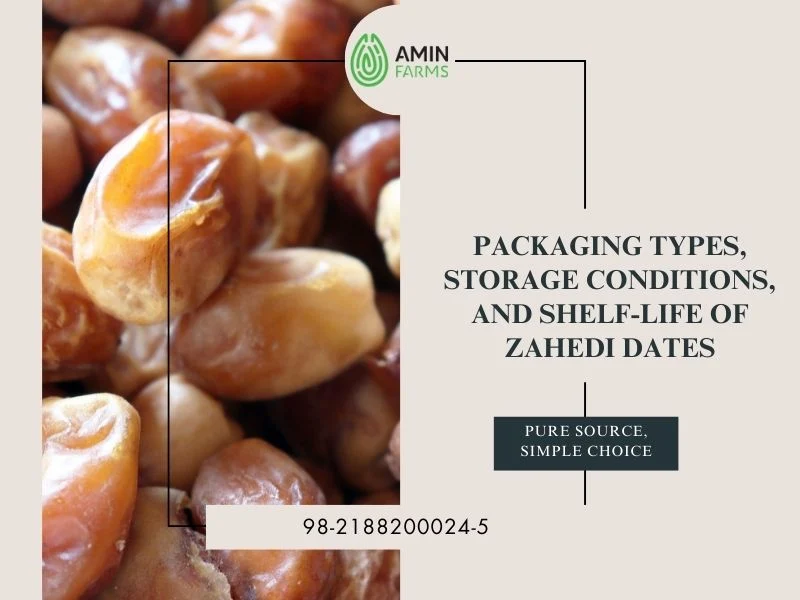
Packaging Types, Storage Conditions, and Shelf-Life of Zahedi Dates
Zahedi dates are shipped in several packaging formats depending on buyer needs and destination. Bulk packaging is common for wholesalers, while supermarkets and specialty stores use retail-ready formats. Choosing the right type affects handling, shelf-life, and storage conditions.
Storage conditions are critical. Dates should be kept in cool, dry areas with stable humidity. Fluctuating temperatures or excessive moisture can shorten shelf life and cause the fruit to stick or ferment. Using ventilated containers for long shipments preserves quality and reduces spoilage.
Shelf-life varies with packaging and conditions. Properly stored, Zahedi dates in bulk can last several months. At the same time, consumer-ready packs usually have a slightly shorter window due to exposure after sealing.
Understanding these details is key to planning imports, minimizing waste, and maintaining high product quality, especially when importing Zahedi dates from Iran for long-term supply chains.
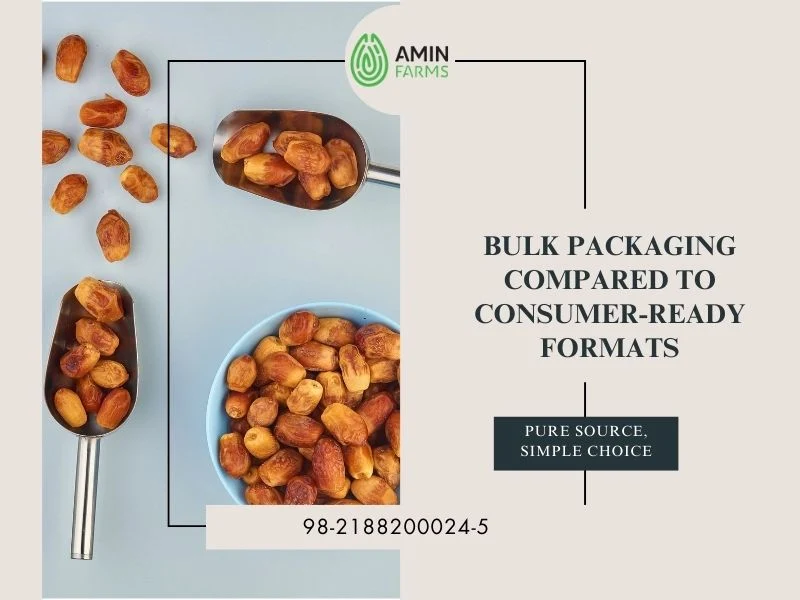
Bulk Packaging Compared to Consumer-Ready Formats
Choosing between bulk and consumer-ready packaging depends on the buyer’s goals and market. Each format has practical advantages:
- Bulk packaging: Large sacks or boxes; efficient for wholesalers, lower cost per kilogram, easier for long-term storage.
- Consumer-ready packs: Smaller portions, labeled, ready for retail shelves; ideal for supermarkets or specialty stores.
- Protection during transport: Bulk may need extra pallets and ventilation; consumer packs rely on sturdy boxes and cushioning to prevent damage.
- Shelf-life differences: Bulk lasts longer if stored properly; consumer packs are convenient but more sensitive to temperature and handling.
- Market flexibility: Bulk allows blending and redistribution; consumer packs reach end-users directly and support branding.
- Handling and inspection: Bulk is often inspected at the warehouse or port; consumer packs require careful quality control to maintain presentation.
- Storage requirements: Both need cool, dry conditions, but bulk may tolerate slight variations better, reducing spoilage risk.
Pricing, Logistics Planning, and Risk Management in Date Trade
Managing pricing, logistics, and risk is crucial when dealing with Zahedi dates. Prices vary depending on quality, grading, packaging, and seasonal availability, so careful comparison is essential before committing to shipments.
Planning logistics involves selecting reliable transport, maintaining proper storage conditions, and scheduling delivery to avoid delays or spoilage. Risk management is equally important: unexpected customs inspections, fluctuating tariffs, and international sanctions can affect timing and costs.

If you want high-quality Zahedi dates from Iran at a fair price, it’s best to work with reputable Iranian suppliers who have proven international credibility. Amin Farms is a leading company in this field, offering premium Zahedi dates at competitive prices.
They maintain consistent quality, understand export regulations, and collaborate with top global partners to ensure shipments arrive safely and on time. Partnering with trusted suppliers like Amin Farms makes importing Zahedi dates from Iran predictable, efficient, and low-risk.