
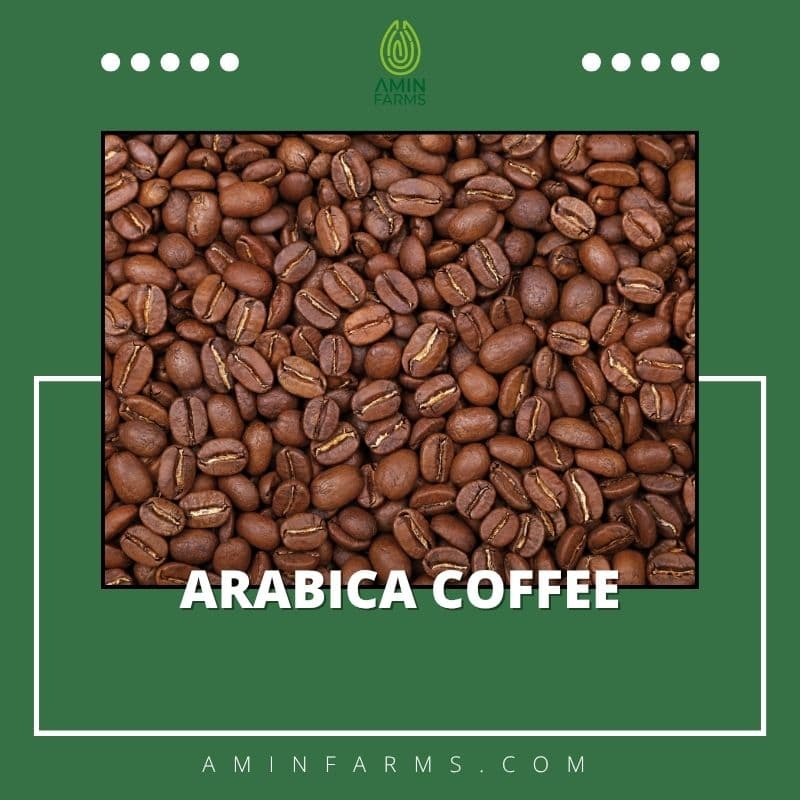
Arabica Coffee
Arabica coffee is fragrant and flavorful, suitable for those who value the subtlety of coffee flavor. This coffee is well-suited for brewing and daily consumption, and it has many fans.
Arabica coffee has a quiet reputation for depth and character. It’s not loud, not rushed, and never simple. For many importers in Iran, interest goes beyond taste and extends to consistency, sourcing, and long-term value.
Understanding where the beans come from, how they are traded, and what the market expects makes all the difference.
This guide looks at the practical aspects of importing Arabica coffee to Iran, while keeping the story of Arabica coffee beans, their origins, quality markers, and global trends firmly in focus.
The Elegant Essence of Arabica Coffee Unveiled
Arabica doesn’t try to impress you at first sip. It doesn’t need to. Its elegance is subtle, almost reserved. The aroma is gentle, the texture smooth, and the flavours unfold slowly, sometimes unexpectedly.
Notes can drift toward fruit, soft sweetness, even hints of caramel, but never in a loud way. This refinement comes from a plant that refuses to be easy. Arabica grows best at high elevations, needs stable temperatures, filtered sunlight, and constant attention. Miss one condition and the quality drops. That sensitivity shapes everything.
Farmers work smaller plots, harvest more carefully, and accept lower yields. The reward is complexity. For anyone planning to import Arabica coffee to Iran, this balance between fragility and flavour matters. You’re not dealing with a bulk product.
You’re handling something shaped by place, climate, and patience, and that story travels with every shipment.
From Ethiopian Origins to Global Dominance
Every coffee has a beginning, but Arabica’s start feels almost myth-like. The origins of Arabica coffee trace back to the Ethiopian highlands, where the plant grew wild long before trade routes existed.
Legends talk about goats and curious herders, but history confirms one thing: this region gave the world its first taste of Arabica. From there, the journey unfolded slowly.
Yemen became the first center of cultivation, turning wild plants into something farmed and traded. Then came ports, empires, and merchants. Seeds moved quietly, sometimes illegally, into new soils: Java, Central America, the Caribbean.
Each place left its fingerprint on the bean. That global spread created diversity without erasing identity. Today, when businesses look to import Arabica coffee to Iran, they’re not just sourcing beans.
They’re tapping into centuries of movement, adaptation, and shared knowledge carried across borders in the simplest form imaginable.
Flavor Profiles That Define Arabica Excellence
Calling Arabica “smooth” doesn’t really say much. What defines it is clarity. Flavours don’t blur together; they show up one by one. Sometimes bright, sometimes calm, sometimes unexpectedly deep. Those differences don’t happen by chance.
They’re shaped long before the beans reach a roaster. For anyone planning to import Arabica coffee to Iran, understanding these flavour layers helps move beyond guessing and toward intentional sourcing, especially when dealing with premium Arabica varieties that customers will quickly learn to compare.
Key factors that shape Arabica flavour profiles include:
- Growing location: Altitude, soil type, and local climate quietly shape the bean’s base character.
- Harvest timing: Beans picked slightly earlier or later can shift sweetness, acidity, and balance.
- Processing method: Washed, natural, or honey processing changes how fruit notes or body develop.
- Roasting approach: Heat can reveal delicate flavours or mute them if pushed too far.
- Consumer expectation: Markets evolve, and premium Arabica varieties must align with what drinkers are starting to look for, not what they liked years ago.
Notes of Fruit, Chocolate, and Acidity
Acidity is often the first thing people notice, even if they don’t have a name for it. That quick, clean lift on the tongue. Sometimes it feels like citrus, other times closer to apple skin or fresh berries. In well-grown, premium Arabica varieties, that brightness never feels sharp or thin.
It sits alongside softer flavours. Ethiopian coffees can come across light and floral, while Colombian beans usually feel rounder, calmer, and slightly sweet. Deeper notes show up too. Chocolate, cocoa, even a dry richness you find in coffees from Brazil or Peru.
When these flavours land together, the cup feels finished. For anyone planning to import Arabica coffee to Iran, understanding this balance makes sourcing far more intentional and builds absolute confidence with buyers.
Health Perks Hidden in Arabica Beans
Not everyone drinks coffee to wake up. Some people pay attention to how it feels an hour later. Arabica coffee beans tend to be gentler on the body. The caffeine level is lower, which often means fewer spikes and less tension.
Many drinkers notice steadier focus instead of that sharp rush. There’s also the antioxidant side of Arabica, something rarely discussed at the counter but often felt over time. It supports the body quietly, without making promises. As interest in mindful consumption grows, these details matter more.
For anyone looking to import Arabica coffee to Iran, understanding this softer impact helps explain why specific customers keep coming back. Health, comfort, and enjoyment don’t compete here. They move together, naturally, cup after cup.
Brewing Mastery for Arabica Coffee Lovers
All that care taken to source the perfect beans? A thoughtless brew can waste it in minutes. Unlocking the magic in your bag is where the real craft begins. The goal is simple: extract those delicate flavours you paid for, without pulling out the bitterness hiding behind them.
Think of it as a gentle conversation, not a forceful interrogation. Your tools matter: a burr grinder for even particles, a scale for precision, not guesswork. Water quality is a silent game-changer; filtered is best. Then, it’s about the method.
A French press highlights body and chocolate notes beautifully. A pour-over, like a V60, can bring out the bright acidity and floral notes of specific Arabica coffee origins.
Mastering these variables is what turns a routine drink into a daily ritual. It’s the final, essential step to honour the journey when you import Arabica coffee to Iran, ensuring the story that started on a farm ends perfectly in the cup.
Sourcing Sustainable Arabica in 2025 Markets
By late 2025, sourcing coffee has shifted in ways many didn’t expect. Buyers ask sharper questions now. Deals that were once quick and simple no longer satisfy.
Sustainability, once a buzzword, now shapes real choices at every step. For anyone looking to import Arabica coffee to Iran, knowing where beans come from and having reliable partners is essential.
Amin Farms stands out in this landscape. They connect directly with top exporters worldwide and focus on premium Arabica varieties. The goal is simple: coffee that’s consistently excellent, reasonably priced, and handled with care from farm to cup.
Arabica Trends Shaping International Coffee Scenes
People buy stories now. Not just coffee. A bag of Arabica coffee beans from a named farm is a story they can taste. It’s the new language of the market. Roasters work as storytellers. They use process and roast to highlight a place, a climate. Your morning cup becomes a map.
This shift changes everything for importers. Learning how to import Arabica coffee to Iran means learning this language. Your customer seeks a connection. They want to know the origin and feel good about their choice.
The bean is the hero. Your job is to share its tale without losing a word in translation. Flavor is the plot. Ethics and transparency are the setting. This is the trend that matters.
Shipping Options
- International Shipping to all countries via reliable sea, air, and land freight.
- Bulk shipments available in full containers with or without pallets.
All depends on customer requirements.
Delivery Time
We provide the most efficient transit and lead times based on the destination and shipping method.
Packaging Options
All products are supplied in export-grade packaging to ensure quality and freshness during transit.
Custom packaging and private labeling are available upon request.
Minimum Order Quantity (MOQ)
Our minimum order quantity for all bulk products is one full container load.



Reviews
There are no reviews yet.